Food trends come and go, but some dishes are catapulted into the spotlight by surprising events. Whether by accident, pop culture, or sheer happenstance, certain foods have risen to fame, reshaping the way we eat.
From a viral moment to historical events that changed the culinary landscape, these 10 foods became beloved icons through unexpected circumstances.
Popcorn – The Great Depression

Popcorn’s rise to popularity can be traced back to the Great Depression. As families searched for affordable ways to snack, popcorn, already a cheap and versatile treat, became a staple in many households. It wasn’t just the affordability that sold it—it was the fact that it could be made easily at home with minimal ingredients.
The entertainment industry, too, helped bolster its popularity by showing it in theaters, solidifying popcorn’s place in pop culture and making it a snack-time favorite.
French Fries – World War I
French fries, or “freedom fries” as they were humorously renamed, found their way into the fabric of American culture after World War I.
While the dish had been around in Europe for quite some time, American soldiers stationed in Belgium during the war fell in love with the crispy, fried potatoes. Their fondness for the fries spread back home, and the snack became a fast-food staple, evolving into the universally loved French fries we know today.
Sushi – Post-War American Influence
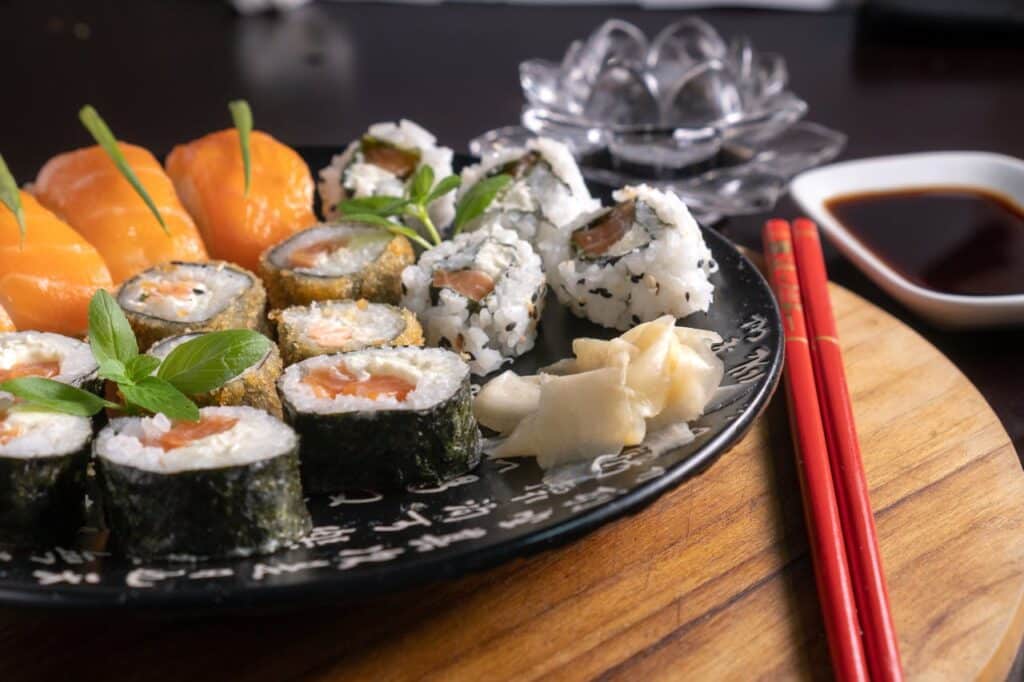
While sushi is undoubtedly rooted in Japanese tradition, its popularity in the U.S. exploded after World War II, when American soldiers stationed in Japan developed a taste for the unique cuisine.
The trend caught on when sushi restaurants began popping up in California in the 1960s, and by the 1980s, sushi bars were common in many major cities across America. The rise of health-conscious eating and the allure of something “exotic” also contributed to making sushi a global phenomenon.
Chocolate Chip Cookies – A Bakery’s Mistake
Sometimes, the best foods come from simple mistakes. In 1938, Ruth Wakefield, owner of the Toll House Inn, was trying to make chocolate cookies when she ran out of baker’s chocolate. Instead, she chopped up a bar of semi-sweet chocolate, expecting it to melt into the dough.
To her surprise, the pieces held their shape, and the chocolate chip cookie was born. The cookies were such a hit that Nestlé later partnered with Wakefield to sell the chocolate bar specifically for cookies, making it a household name.
Tacos – The Gold Rush
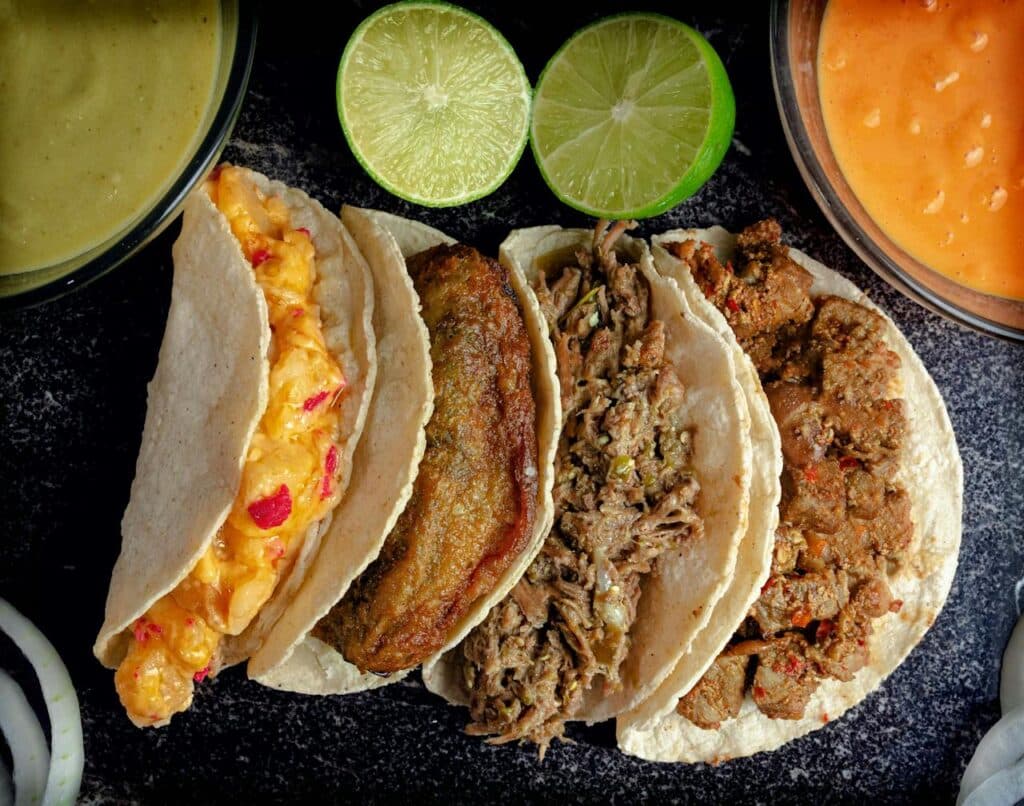
Tacos, a Mexican staple, became widely known in the United States during the California Gold Rush. Miners working in the goldfields in the mid-1800s discovered that tacos—simple and portable—were the perfect meal for the demanding, on-the-go lifestyle.
The combination of a soft tortilla filled with meats, beans, and chili became popular in the southwest, and the taco has remained an iconic American food ever since. Today, tacos are synonymous with fast food and casual dining.
Coca-Cola – The Medicinal Fad

Coca-Cola’s beginnings were as far from a global soft drink as possible. In 1886, John Pemberton, a pharmacist, created the drink as a medicinal tonic to treat ailments like headaches and exhaustion.
Initially marketed as a remedy for various conditions, Coca-Cola’s transition into a mainstream soda coincided with the emergence of its unique taste and a shift in public perception toward soft drinks as recreational beverages. The formula evolved over time, and today, Coke is a household name worldwide.
Pineapple – Christopher Columbus’s Discovery
When Christopher Columbus landed in the Caribbean in 1493, he encountered the pineapple, a native fruit of the region.
The fruit was so striking and exotic that it quickly gained favor among Europeans, who had never seen anything like it. Pineapples became a symbol of wealth and hospitality during the colonial period, with European aristocrats displaying them at parties and banquets. By the 18th century, the fruit had spread to other parts of the world and had become a popular ingredient in tropical cuisine.
Deviled Eggs – The 19th-Century American Party Food
While deviled eggs are often thought of as a classic picnic or potluck item today, their rise to fame in the U.S. dates back to the mid-19th century, when they became a popular dish at American parties.
The term “deviled” refers to the spicy or tangy seasoning, a nod to the trend of naming spicy or rich foods with devilish references. As the appetizer became a staple in both casual and formal gatherings, it cemented its place in American culinary tradition.
Hamburgers – The World’s Fair
The hamburger as we know it today became a sensation after being introduced at the 1904 St. Louis World’s Fair. While ground beef patties had been around for a while, the innovation of placing them between two pieces of bread revolutionized the way people viewed fast food.
This seemingly simple creation became a global icon, and today it’s one of the most popular foods worldwide, found in every fast-food chain from coast to coast.
Hot Dogs – A German Immigrant’s Legacy
Hot dogs, a quintessential American street food, owe their origin to German immigrants who brought sausages to the U.S. in the 1800s. It was, however, at Coney Island that the iconic “hot dog” as we know it was born.
In the early 1900s, vendors started serving sausages in a bun to make them easier to eat on the go, a move that sparked the hot dog’s popularity at baseball games, fairs, and street corners. Over time, the simple sausage sandwich became a fixture of American culture, evolving into the various regional variations we enjoy today.