With the unpredictability of agricultural production and soaring food prices, growing your own vegetables at home is becoming not just a smart financial move but also a rewarding endeavor. In 2026, many essential vegetables are expected to see sharp price increases due to erratic weather patterns, transportation costs, and poor crop yields. However, you can dodge these hikes by cultivating your own fresh produce, right in your backyard or even on your balcony.
In this article, we’ll explore the best vegetables to grow at home in 2026, ensuring you can enjoy flavorful, homegrown vegetables without the supermarket markup.
Potatoes

Potatoes are another staple that’s expected to see a price jump in 2026 due to poor weather conditions and rising transportation costs. Fortunately, growing potatoes at home is easy, even if you have limited space. Potatoes can be grown in containers, raised beds, or directly in the ground, and they thrive in loose, well-drained soil.
Plant your potatoes 2-4 weeks before the last frost and choose the right variety for your space. Whether you opt for red potatoes, Yukon Gold, or fingerling potatoes, each variety offers a different taste and texture, from tender red potatoes to buttery Yukon Gold. Homegrown potatoes will provide your family with an abundant harvest while cutting down on grocery costs throughout the year.
Lettuce
Lettuce is among the most vulnerable vegetables to price increases, especially when extreme weather conditions affect production in key growing areas such as California and Arizona. Fortunately, lettuce is incredibly easy and fast to grow, making it ideal for small garden spaces or container gardening.
Lettuce thrives in cool temperatures and needs fertile, well-drained soil. For an early spring harvest, start seeds indoors in February or sow directly in the garden once the soil is workable. With varieties like Romaine, Butterhead, and Leaf lettuce, you can enjoy fresh greens without the high grocery store prices. Lettuce grows quickly and can be harvested multiple times throughout the season, making it a smart and affordable choice for your home garden.
Tomatoes

Tomatoes are forecast to experience one of the steepest price increases in 2026, mainly due to unpredictable weather in key growing regions such as Florida and Mexico. Despite the price hikes, tomatoes are among the easiest vegetables to grow, and they’re perfect for home gardeners. By growing tomatoes at home, you’ll enjoy fresh, flavorful fruits without the high supermarket price tag.
Tomatoes require at least six hours of sunlight each day and thrive in warm temperatures. Starting from seeds, you can begin 6- 8 weeks indoors before the last expected frost, then transfer them outdoors once the frost danger has passed. Consistent watering is key to growing healthy tomatoes. Popular varieties such as cherry tomatoes, Roma tomatoes, and heirlooms are all excellent choices for home gardeners. Each variety offers its own unique flavors and benefits, whether you’re snacking on small cherry tomatoes or making homemade sauces with Roma.
Broccoli
Broccoli prices are expected to rise significantly in 2026, but you can keep enjoying this nutrient-packed vegetable by growing it yourself. Broccoli is a cool-weather vegetable, making it perfect for spring or fall gardens. It thrives in rich, well-drained soil and benefits from consistent watering to prevent early bolting.
Starting seeds indoors 4-6 weeks before the last frost will give you a head start. When planting outdoors, make sure the soil is workable, and space your plants properly to avoid overcrowding. Varieties like sprouting broccoli, Calabrese broccoli, and purple broccoli will add flavor and color to your garden. Whether you’re enjoying it as a side dish or adding it to soups and casseroles, homegrown broccoli is always fresh and affordable.
Onions
Onions are a kitchen staple, yet they are increasingly expensive due to poor crop yields and rising demand. Fortunately, onions are simple to grow at home, and they’ll provide a reliable harvest once properly cared for. Whether you choose to grow from seeds, sets, or transplants, onions are highly adaptable and can thrive in containers or raised beds.
Plant onions 2-4 weeks before the last frost, and make sure they receive plenty of sunlight and water throughout the growing season. Varieties like yellow, red, and sweet onions will let you enjoy the full range of flavors, from the pungent taste of yellow onions to the milder sweetness of Vidalia. Growing your own onions ensures that you won’t have to worry about price increases at the grocery store.
Spinach
Spinach is another vegetable that’s expected to face rising costs, but it’s one of the fastest-growing and most nutrient-dense crops you can plant. Spinach thrives in cool weather and requires rich, fertile soil that is kept consistently moist. It can be direct-sown in the garden or started indoors early in the season for an early harvest.
Spinach varieties like Savoy and Flat-Leaf spinach are perfect for home gardens. Savoy spinach has curly leaves and a rich flavor, while Flat-Leaf spinach is smooth and ideal for smoothies and soups. With its rapid growth and nutrient density, spinach is a smart addition to any home garden.
Peppers
Peppers are often expensive at the grocery store, but they’re a great crop to grow at home, especially if you enjoy spicy or sweet varieties. Peppers require warm temperatures and full sun, making them ideal for summer gardens.
Start seeds indoors 8-10 weeks before the last frost and transplant outdoors once the weather warms up. Varieties like bell peppers and jalapeños are great choices for home gardens. Bell peppers are perfect for cooking, salads, and roasting, while jalapeños add heat to salsas, sauces, and dishes.
Zucchini

Zucchini is a prolific vegetable that’s easy to grow, making it an ideal crop for beginner gardeners. Zucchini requires full sun and well-drained soil, and it grows rapidly, producing a high yield with minimal effort.
Varieties like green zucchini and yellow zucchini are both perfect for growing at home. Green zucchini is versatile and can be used in a wide range of dishes, while yellow zucchini is slightly sweeter and tender, making it ideal for grilling or sautéing.
Carrots
Carrots are a versatile vegetable used in everything from salads to soups, but they are also expected to see rising prices in 2026. Carrots are relatively simple to grow and can thrive in containers, raised beds, or directly in the ground. They prefer loose, well-drained soil and can be planted as early as the soil can be worked.
Carrot varieties like Imperator and Nantes are ideal for home gardens. Imperator carrots are long and sweet, perfect for snacking and cooking, while Nantes carrots are smaller and tender, making them perfect for salads. With a little patience, you can enjoy a steady supply of fresh, homegrown carrots throughout the year.
Kale
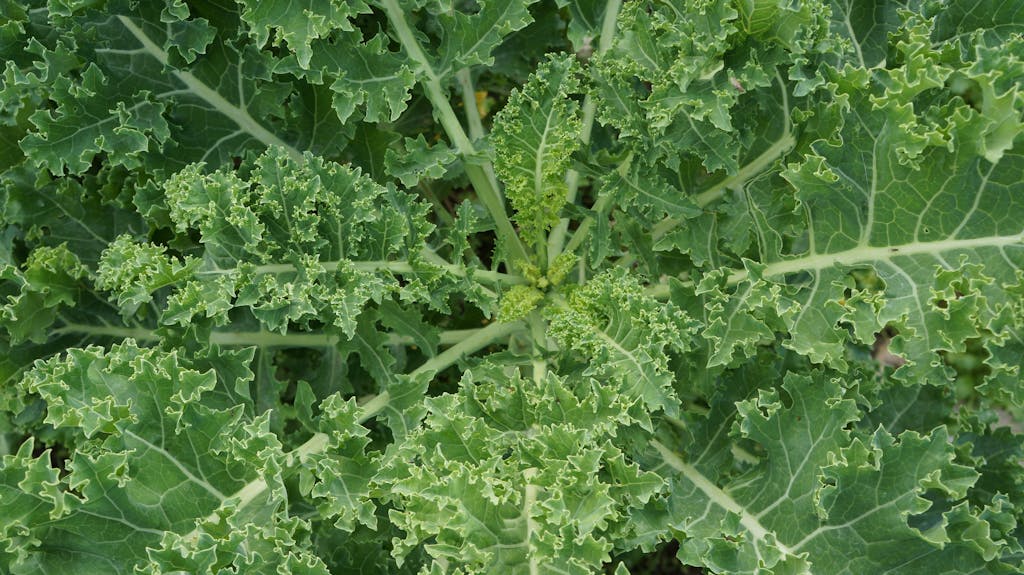
Kale is one of the most popular superfoods, but it’s also one of the more expensive vegetables to buy in stores. Fortunately, kale is easy to grow at home, and it’s packed with vitamins and nutrients. Kale thrives in cool weather and can be harvested multiple times during the season.
Varieties like Curly Kale and Lacinato Kale are great for home gardens. Curly Kale is perfect for smoothies and salads, while Lacinato Kale, also known as Dinosaur Kale, is ideal for cooking and adding to soups.