Grocery stores are far more than just places to pick up essentials. They are meticulously engineered environments designed to encourage spending at almost every turn. A quick trip for bread and milk can turn into a cart overflowing with treats, seasonal items, and random products you never planned to buy. This is not a coincidence; it is the quiet power of impulse buying. Retailers understand how fatigue, hunger, distraction, and even emotional states affect shoppers. They design every aspect of the store to subtly influence behavior, making small, unplanned purchases feel harmless in the moment, even when those little extras quietly inflate the total bill. By understanding the strategies behind these tactics, shoppers can regain control and navigate stores with more awareness.
The psychology of impulse buying relies on a mix of visual cues, emotional triggers, convenience, urgency, and personalized offers. Stores exploit every opportunity to nudge consumers into purchasing more than they intend. Awareness and strategy are the only reliable defenses. Knowing the tricks makes it easier to stick to a shopping list, resist unnecessary temptations, and reduce overspending.
Store Layouts Quietly Push Shoppers Past Temptation

Most grocery stores are constructed like a strategic maze. Staples like milk, bread, and eggs are often placed deep inside, forcing shoppers to weave through multiple aisles of tempting products. Bright displays, snack aisles, seasonal items, and bakery counters all occupy the journey, creating countless opportunities for unplanned purchases.
The longer shoppers remain in the store, the greater the likelihood they will make an impulse purchase. A milk run becomes a mini shopping spree simply because the store environment encourages lingering and exploration. Smart shoppers counter this by planning their route carefully, writing down items in advance, and moving efficiently to avoid wandering into distraction-filled aisles.
Eye-Catching Displays Make Random Items Feel Essential
End caps and product pyramids are far from decorative; they are carefully engineered to grab attention. Bold colors, large signage, stacked products, and eye-level placement all suggest urgency, popularity, or special value. Even ordinary items can seem irresistible when framed as limited-time offers or seasonal must-haves.
Shoppers often misjudge these displays as deals worth grabbing immediately, but the reality is that visual prominence does not equal necessity. Product clustering also plays a role: pasta is placed near sauces, chips near dips, and beverages beside snacks, increasing the likelihood of multiple impulse purchases. Awareness of these tactics allows shoppers to pause, evaluate real need, and resist the pull of clever merchandising.
Bakery Smells and Fresh Food Displays Trigger Emotional Spending

Few strategies influence behavior more effectively than sensory cues. The scent of fresh bread, roasted chicken, warm pastries, or baked cookies instantly triggers cravings and emotional responses. Nostalgia, comfort, and hunger merge to weaken decision-making, making shoppers far more likely to buy items not on their list.
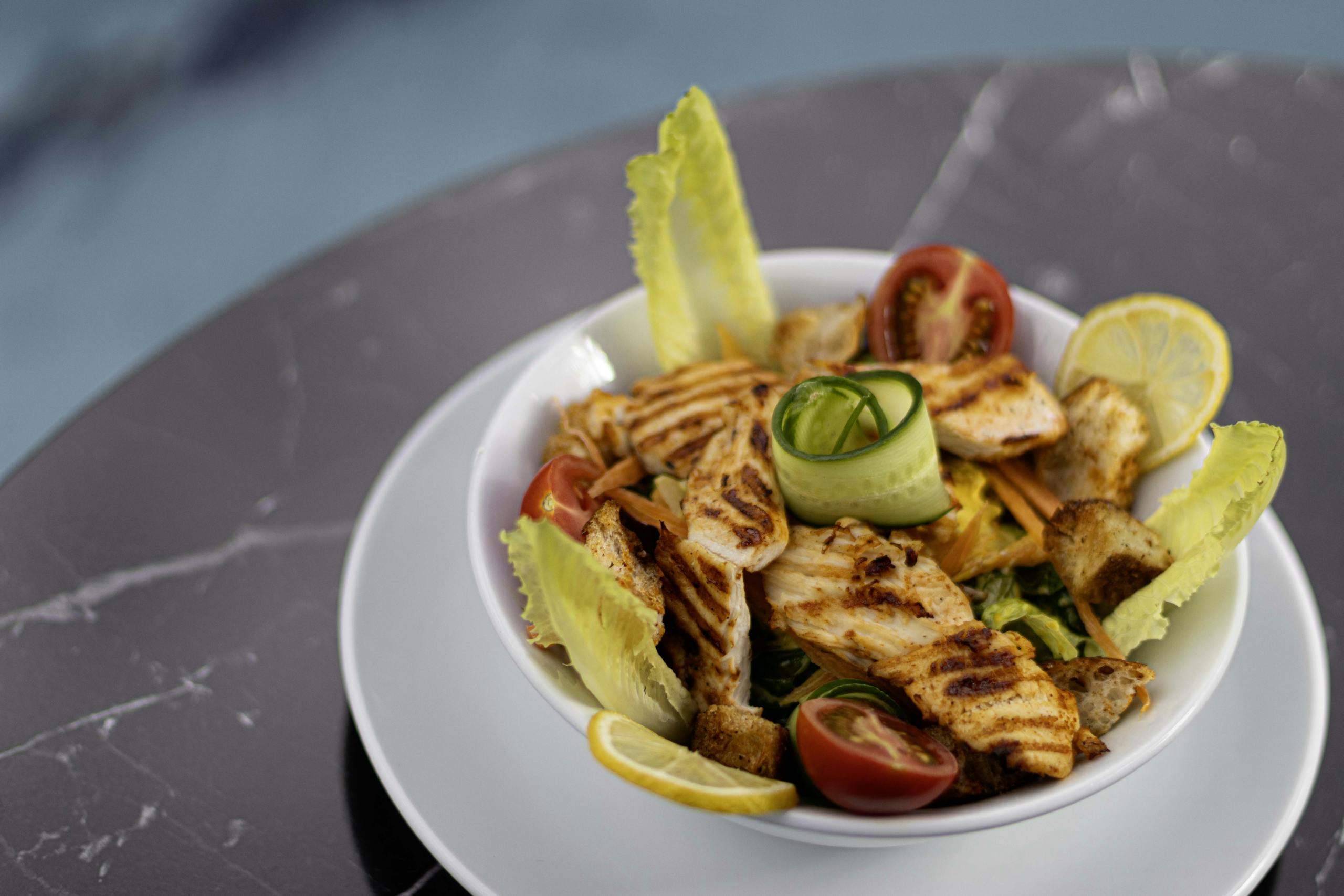
Fresh food displays also leverage convenience to amplify spending. Fruit bowls, salad kits, pastries, and ready-made meals appear colorful, fresh, and satisfying, which encourages shoppers to add them to their carts. The key defense is timing: shopping after a meal or snack helps minimize vulnerability to these sensory manipulations, giving shoppers more control over their choices.
Checkout Lanes Are Designed to Capture Last-Minute Purchases
The checkout aisle is a highly effective impulse zone. Shoppers are mentally fatigued, their carts are full, and the moment is ideal for last-minute grabs. Candy, gum, magazines, small gadgets, lip balm, drinks, and novelty items are intentionally placed at eye level or within easy reach.
These small, inexpensive items fly under scrutiny, making it easy to add them without thinking. Stores even cluster complementary products together, nudging shoppers into spending just a few more dollars than planned. Opting for self-checkout, mental budgeting, or simply avoiding glancing at these aisles can prevent many unnecessary purchases.
Limited-Time Promotions Create Panic Buying
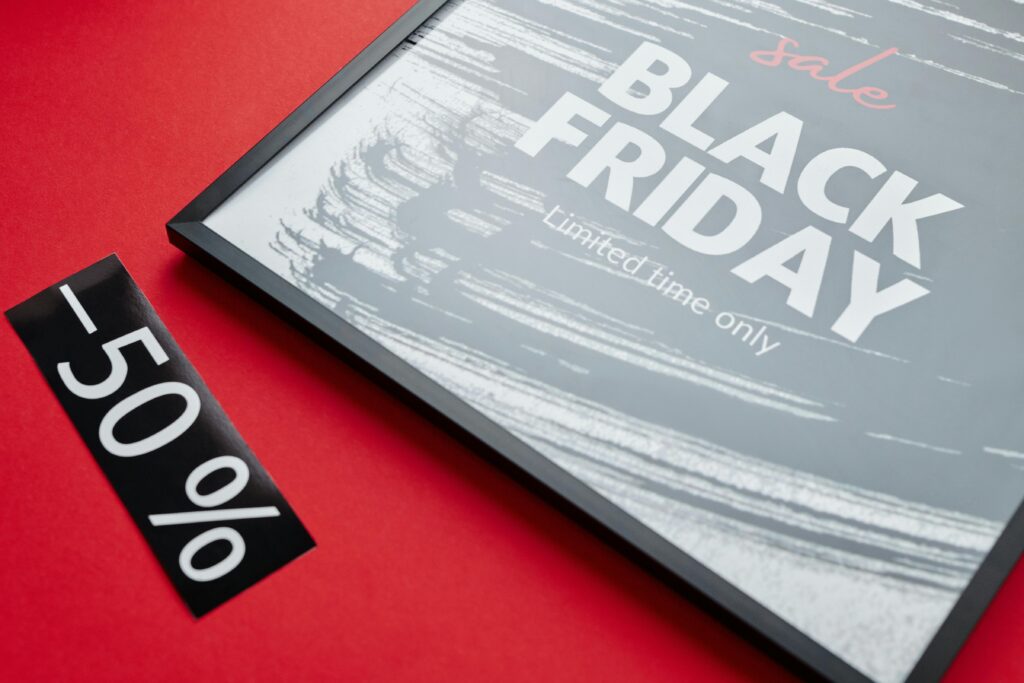
Signs claiming “limited-time offer” or “only a few left” are powerful psychological tools. They exploit urgency and the fear of missing out, compelling shoppers to act immediately rather than evaluate the actual need. Even rational shoppers can fall prey to the impulse to panic, adding items that would otherwise go untouched.
The reality is that scarcity is often manufactured. Retailers frequently restock products or run similar promotions elsewhere, meaning the urgency is artificial. A simple “wait day” rule, waiting 24 hours before committing to purchase, gives time to assess whether the item is truly needed or merely a response to marketing pressure.
Loyalty Programs Push Shoppers Toward Extra Spending
Loyalty rewards, points, coupons, and app-based deals subtly encourage more purchases. Shoppers may buy extra snacks, larger quantities, or higher-margin items to maximize perceived value from discounts or points accumulation. The reward feels like a win, even when the purchase was unnecessary.
Retailers leverage psychological satisfaction to make consumers feel smart and frugal at checkout. However, without mindfulness, loyalty programs can drive repeated impulse buying. The most disciplined approach is to use rewards only on essential purchases and avoid letting points or discounts justify unplanned spending.
Online Grocery Apps Make Impulse Purchases Even Easier
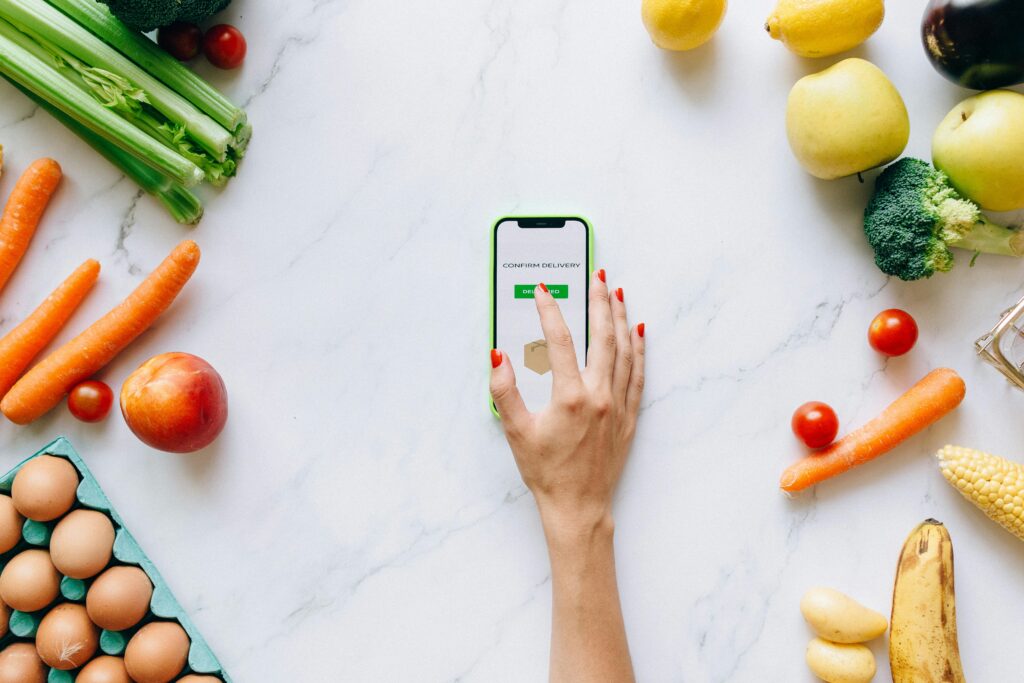
Digital shopping platforms have refined impulse tactics for the virtual environment. One-click ordering, personalized recommendations, flash deals, push notifications, and saved payment methods reduce friction, making it almost effortless to add extra items. Suggestions often appear based on past behavior, creating a sense of tailored necessity.
Online shopping removes the physical effort of adding items to a cart, which amplifies impulsivity. Shoppers may buy multiple items in seconds without considering whether they are truly needed. Using strategies such as reviewing the cart before checkout, deleting nonessential items, unsubscribing from promotional emails, and avoiding late-night online shopping sessions can reduce the likelihood of overspending.