In recent years, our awareness of how everyday actions impact the environment has grown. While we often consider the effects of our driving habits and consumption patterns, it’s essential to remember that our gardening choices also play a significant role in environmental health.
With the right approach, we can create a beautiful, sustainable garden that enhances the ecosystem rather than harms it. Avoiding common gardening mistakes can help protect local wildlife, improve soil health, and conserve water. Let’s take a closer look at the most common gardening mistakes and how to address them effectively.
Overusing Chemicals: A Hidden Danger to the Environment
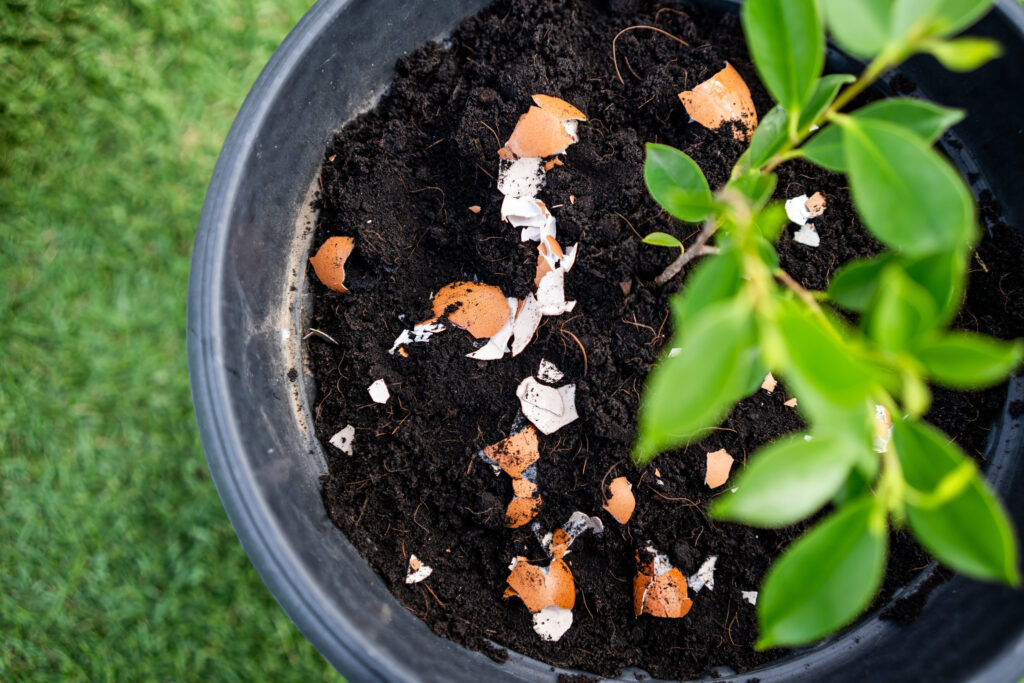
Chemical pesticides, herbicides, and fertilizers are frequently used to quickly and easily maintain aesthetically pleasing gardens. While they may yield immediate results, these chemicals can leach into the soil, polluting groundwater and harming beneficial organisms like bees and worms. The extensive use of these chemicals, particularly in residential lawns, has been linked to soil degradation and declines in local wildlife populations.
Ignoring Local Wildlife Needs: A Disservice to the Ecosystem

Gardens that don’t consider local wildlife can harm local ecosystems. For example, providing insufficient shelter or food for local wildlife can lead to declines in beneficial species, such as birds, insects, and small mammals.
Ignoring Soil Health: The Foundation of a Thriving Garden
Many gardeners fail to test their soil before planting, assuming it’s suitable for all types of plants. However, soil conditions, such as nutrient balance and pH, are crucial for plant health. Without a soil test, you risk using the wrong fertilizers or techniques, which could exacerbate the problem and lead to nutrient imbalances, poor plant growth, or even water contamination.
Neglecting Root Health During Transplanting
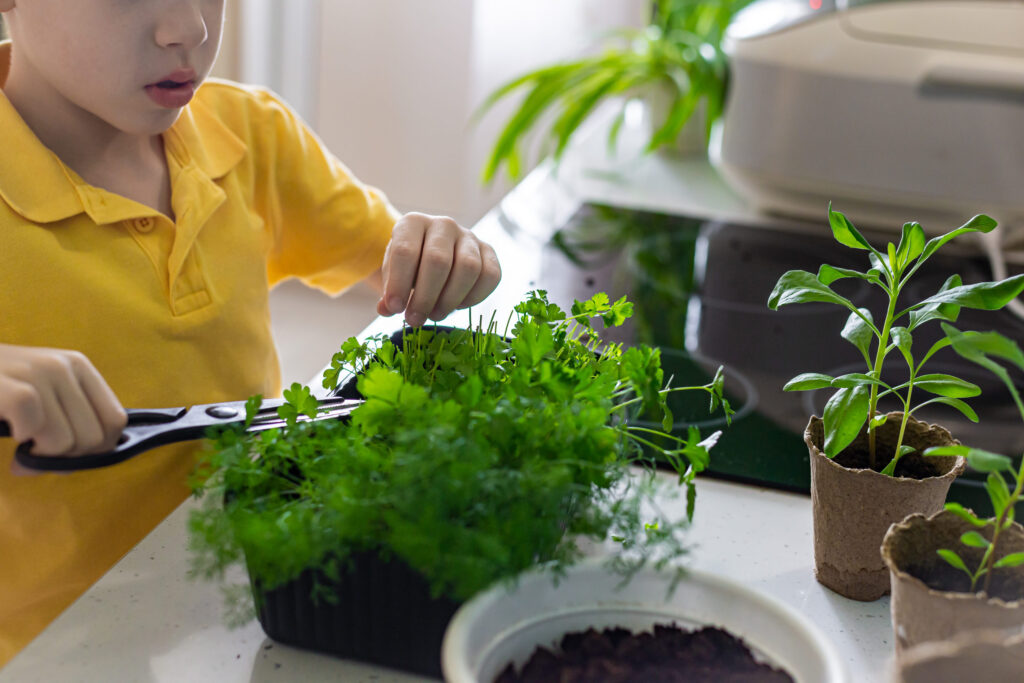
When transplanting, many gardeners neglect the health of plant roots, resulting in compacted or entangled root systems. This oversight can stunt plant growth and hinder its ability to absorb nutrients and water effectively.
Lack of Plant Diversity: A Homogeneous Garden Isn’t Sustainable
Planting the same species repeatedly reduces biodiversity. This lack of variety not only makes your garden more susceptible to pests and diseases but also decreases its attractiveness to pollinators like bees and butterflies. A monoculture garden can also drain the soil of specific nutrients, further harming the ecosystem.
Poor Lawn Care Practices: Beyond the Perfect Lawn

Traditional lawn care often focuses on keeping grass short and removing clippings, which may seem tidy but is harmful to the environment. Short grass disrupts natural plant growth, and collecting clippings means losing valuable nutrients that could be returned to the soil. This method also requires frequent mowing, which wastes energy and contributes to air pollution.
Overwatering: A Wasteful Practice
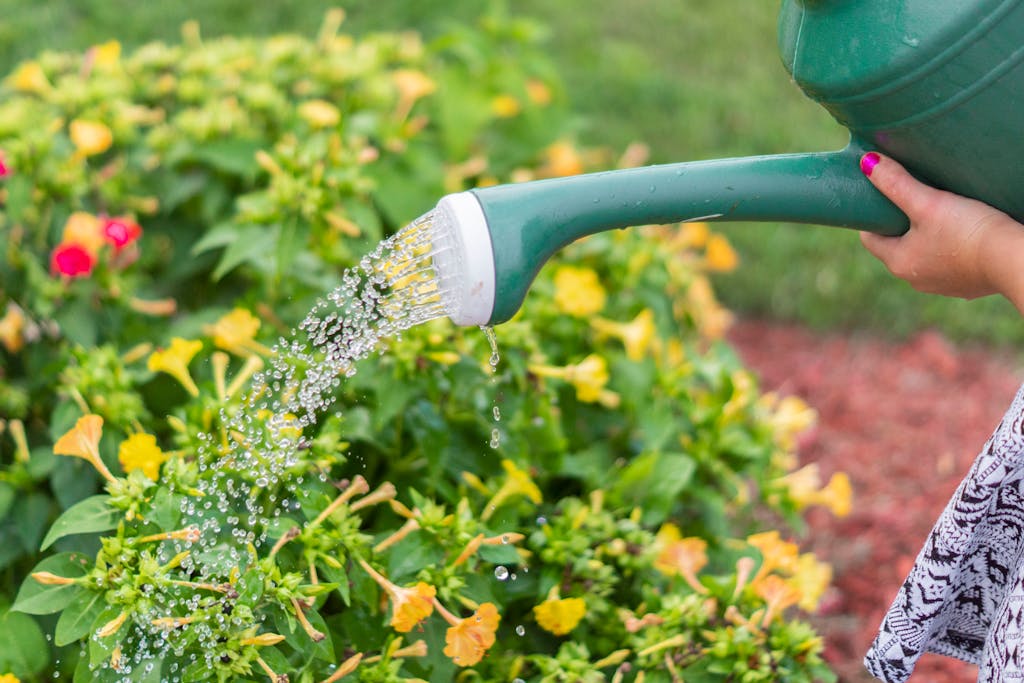
While it’s natural to want your plants to thrive, overwatering can be just as harmful as underwatering. Excess water can drown plants, promote mold growth, and cause water runoff, wasting valuable resources. Overwatering also encourages shallow root systems that are less resilient during dry spells.
Discouraging Pollinators: Vital Workers for Our Ecosystem
Pollinators, such as bees, butterflies, and bats, are essential to plant reproduction and biodiversity. Unfortunately, many gardeners unknowingly discourage these creatures by using pesticides, planting non-native species, or eliminating natural habitats. Without pollinators, gardens and agricultural landscapes would suffer significantly.
Landscaping Against Nature: A Disruptive Approach

Many homeowners try to impose their vision of the perfect garden by removing natural features or importing foreign plants. This approach can disrupt local ecosystems and harm soil health. Additionally, altering the landscape too drastically can lead to increased water runoff and erosion.
Wasting Organic Waste: A Missed Opportunity for Enrichment

Throwing away leaves, food scraps, and yard waste is environmentally wasteful. Not only does this contribute to landfill waste, but it also wastes valuable organic matter that could enrich your garden soil. Using motorized blowers to clear leaves and debris can also release pollutants into the air.