Tomato growers often focus on fertilizer, sunlight, and watering, then wonder why their plants still struggle with pests, weak growth, or dry soil. The problem is sometimes not what you are doing to the tomatoes, but what you are failing to plant around them. Good companion plants can help protect your crop, improve soil conditions, attract pollinators, and even distract destructive insects before they settle in. If your tomato patch keeps underperforming, it may be time to stop treating tomatoes like solo stars. These plants do better with the right neighbors, and ignoring that fact can leave you with more garden headaches than harvest baskets. Here is a fuller, list-style version of the best tomato companion plants to know.
Basil
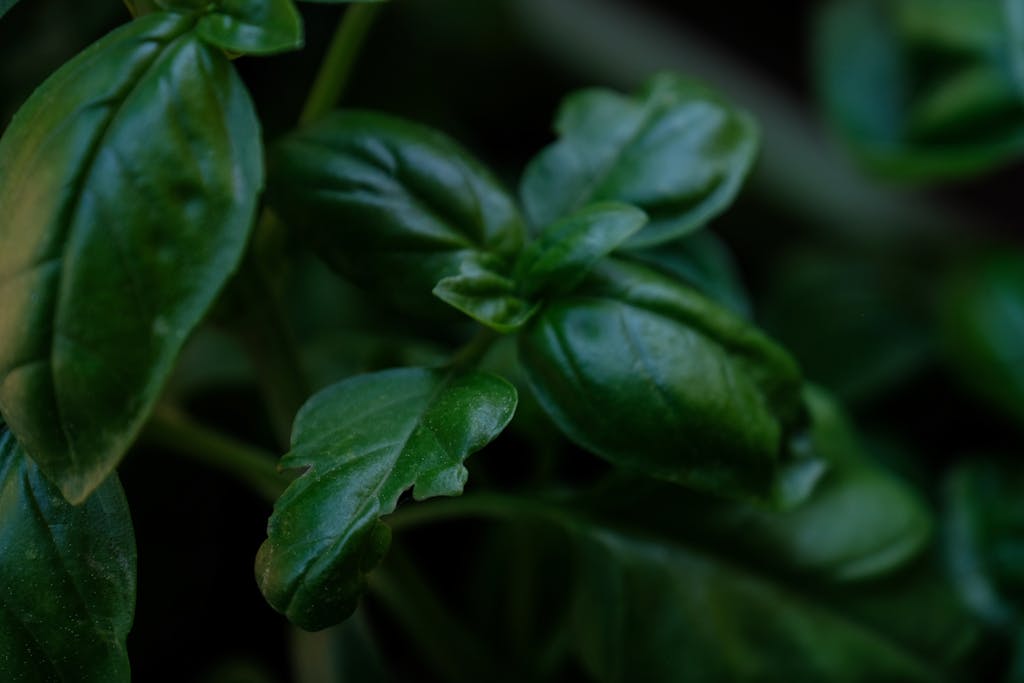
Basil is one of the smartest companions to grow near tomatoes, and not just because they belong together in the kitchen. Its strong scent can confuse the moths drawn to tomato plants, which lay eggs that become hornworms. That makes basil a practical addition for gardeners who are tired of finding chewed leaves and stripped stems. It also fits neatly into small raised beds, containers, and mixed herb plots, so it offers a lot of value without taking up much space.
Nasturtium
Nasturtium is one of the most useful plants for gardeners who want beauty and function in the same bed. It can spread low across the soil, helping shade the ground and reduce moisture loss around tomato roots. At the same time, it can serve as a trap crop for flea beetles, attracting them to it and away from your tomatoes. The key is to plant it close enough to the tomatoes for the insects to move over; otherwise, you lose the benefit.
Borage
Borage is the kind of plant many gardeners overlook until they realize how much work it quietly does. It attracts pollinators, making your vegetable garden feel more alive and productive. It can also pull hornworms away from tomato plants, making it useful as a decoy in problem beds. Beyond its function, it adds a soft, beautiful look to the garden, helping your tomato area feel less like a utility patch and more like a healthy, balanced growing space.
Crimson clover

Crimson clover earns its place by doing several useful jobs at once. It acts like a living mulch, helping crowd out weeds that would otherwise steal water and nutrients from your tomato plants. It also adds nitrogen to the soil, which can support stronger growth over time. On top of that, its flowers attract bees and other pollinators, adding activity to your garden and supporting better overall production.
Alyssum
Alyssum may look delicate, but it can be a serious helper in a tomato patch. This low-growing plant attracts beneficial insects such as ladybugs and soldier flies, which prey on common garden pests. That means Alyssum helps create a small defensive system around your tomatoes without relying on constant intervention from you. It also softens the look of the bed and fills in gaps near the base of taller crops, making the garden both more useful and more attractive.
Lettuce
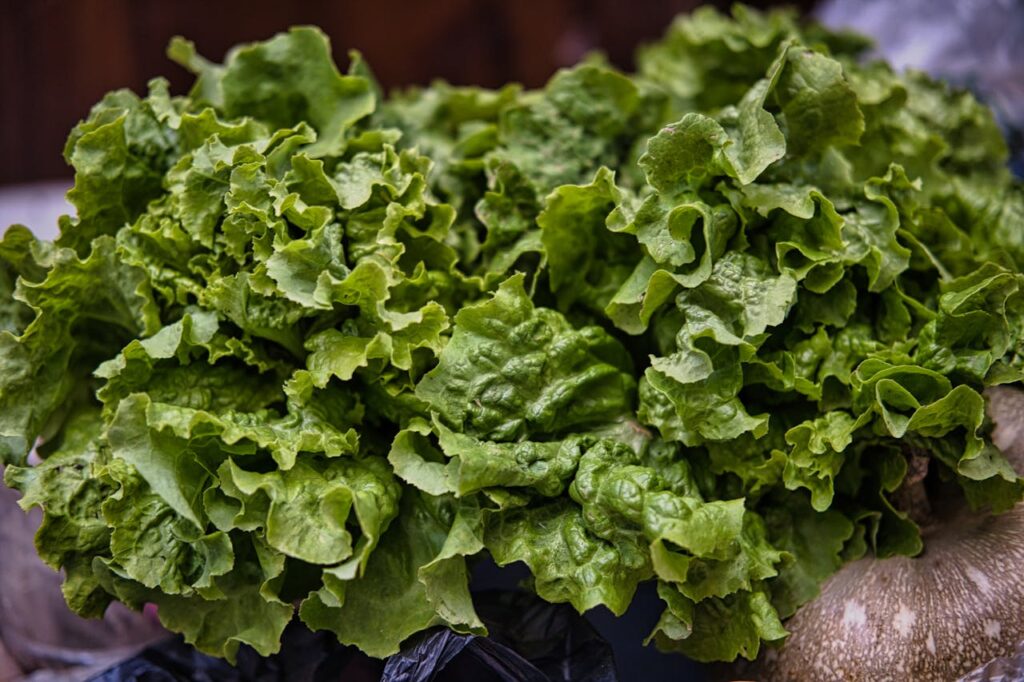
Lettuce is a smart choice for gardeners who hate wasted space. Since tomatoes grow upward and create shade below, lettuce can sit underneath them and benefit from that cooler, more protected environment. In return, lettuce helps cover the soil, slowing moisture loss and reducing weed pressure around the tomato plants. This pairing works especially well in small gardens where every square foot matters and where layered planting can turn one bed into a much more productive growing zone.
Dill
Dill can help protect tomatoes by acting as a trap plant for hornworms, drawing those pests away from the crop you actually care about. That makes it valuable early on, especially in gardens where hornworms show up every season like unwanted regulars. There is one catch, though. Once dill gets large, it can start competing with tomatoes for nutrients, slowing their growth, so it is best treated as a temporary helper rather than a permanent roommate.
Squash
Squash works well near tomatoes because its broad leaves can cover the soil, acting as a living mulch. That helps hold moisture in the ground and reduces the number of weeds that pop up around your tomatoes. For gardeners with limited space, this kind of pairing can make a small garden work much harder. Instead of leaving bare soil between plants, you create a fuller bed that protects itself better and wastes less water during hot weather.
Carrots

Carrots and tomatoes make an underrated team. Tomato plants can provide some shade for carrots, helping the roots stay cooler in warmer conditions. Meanwhile, carrots loosen the soil as they grow, which can improve the bed’s structure and make it easier for tomato roots to expand. This pairing is especially helpful in raised beds or compacted garden areas, where improved soil texture can make a noticeable difference in how well plants establish.
Marigolds
Marigolds have a strong scent that helps make them useful around tomato plants. They can deter larger pests such as rabbits and deer, which is a major advantage if your garden tends to become a buffet for passing animals. Planting them around tomatoes creates a kind of protective ring that does more than decorate the bed. They bring color, structure, and a layer of defense that many gardeners only realize they need after their plants have already been nibbled down.
Chives
Chives are a simple, low-effort companion that makes a lot of sense in an edible garden. They grow well near tomatoes and fit naturally into the same harvest mindset, since the two ingredients are often used together in cooking. Like other alliums, chives can help create a stronger planting mix around tomatoes, rather than leaving them isolated. They are compact, easy to tuck into corners, and useful for gardeners who want every plant in the bed to earn its keep in both the garden and the kitchen.
Sage
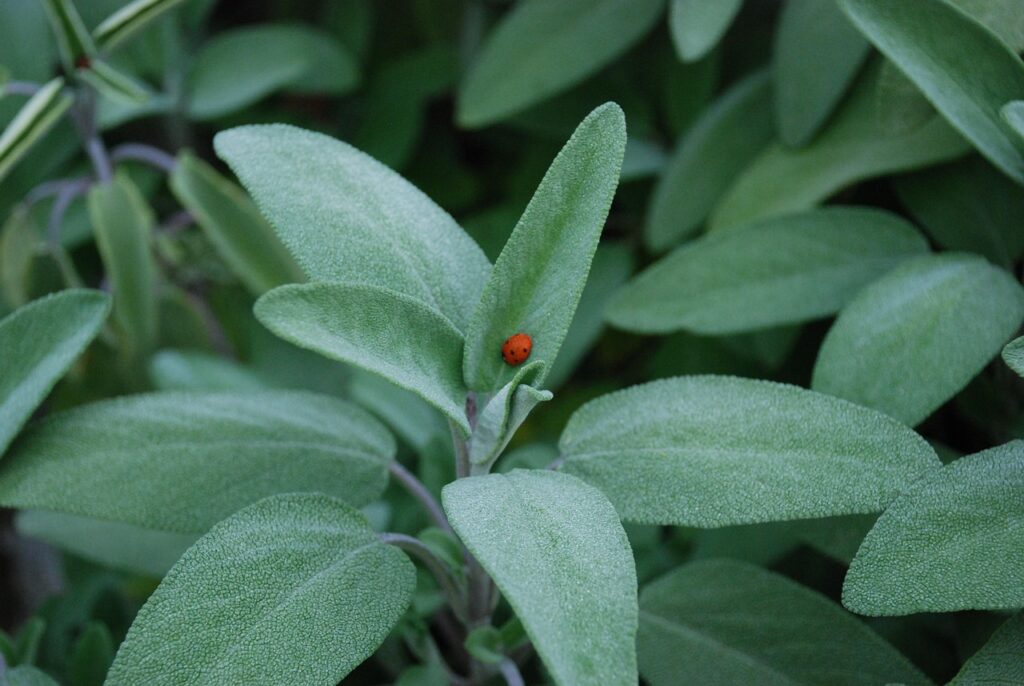
Sage brings more to the garden than its earthy smell and culinary use. Its strong scent can help repel pests such as flea beetles, which makes it a practical herb to keep close to tomato plants. When it blooms, it also helps draw pollinators into the garden, adding another layer of support for surrounding crops. In other words, sage is doing double duty, helping defend the bed at one stage and helping energize it at another.
Oregano
Oregano is one of those companion plants that seems to handle everything at once. It can help repel certain pests, attract beneficial insects such as ladybugs and lacewings, and bring in pollinators once it flowers. That gives tomato plants support from multiple angles without adding much maintenance to your routine. It is also a great fit for gardeners who want herbs to do real work in the bed instead of sitting in separate pots far away from the vegetables they could be helping.
Sunflowers
Sunflowers are far more useful than many people assume. Yes, they add height and drama, but they can also attract pollinators, help shade the soil, and draw stink bugs away from tomatoes. That makes them a striking but practical addition to a summer garden. If your tomato area feels exposed, dry, or overly one-dimensional, sunflowers can help create a more dynamic planting space that supports the crop rather than simply sharing the same ground.
Parsley
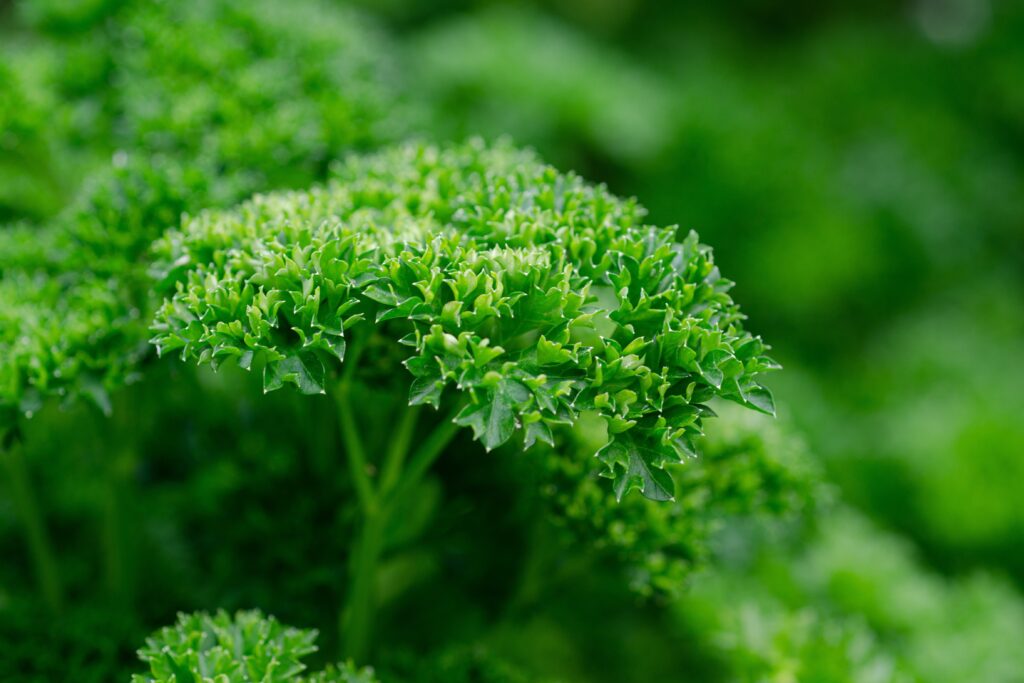
Parsley can help tomatoes by serving as a trap plant for aphids and by attracting beneficial insects that feed on them. That is especially useful for gardeners who deal with repeated aphid outbreaks and want a gentler way to manage them. Instead of leaving tomatoes exposed to constant attack, parsley helps shift the balance by drawing in nature’s cleanup crew. It is small, practical, and easy to harvest, which makes it one of the most convenient companion plants on this list.
Conclusion
Tomatoes may be the stars of the summer garden, but they often perform better when they are part of a stronger plant community. Ignoring companion planting can mean more weeds, more pests, drier soil, and a garden that demands more effort than it should. The right neighbors can help tomatoes grow in a healthier, more protected space, and many of them bring bonus value through flavor, beauty, or pollinator support. If your tomato harvest keeps disappointing you, the fix may be less about buying another product and more about planting smarter.