A garden bed can look full, healthy, and perfectly planned, then quietly start falling apart because the wrong plants are growing side by side. Some vegetables compete too aggressively, some pull the same nutrients from the soil, and others create conditions that make disease spread faster than most gardeners expect.
That is why companion planting is not just about finding friendly matches. It is also about knowing which crops should be kept far apart if you want stronger growth, better yields, and less frustration by harvest time. Here is an expanded listing-style version with the risky pairings you should avoid.
Potatoes and tomatoes
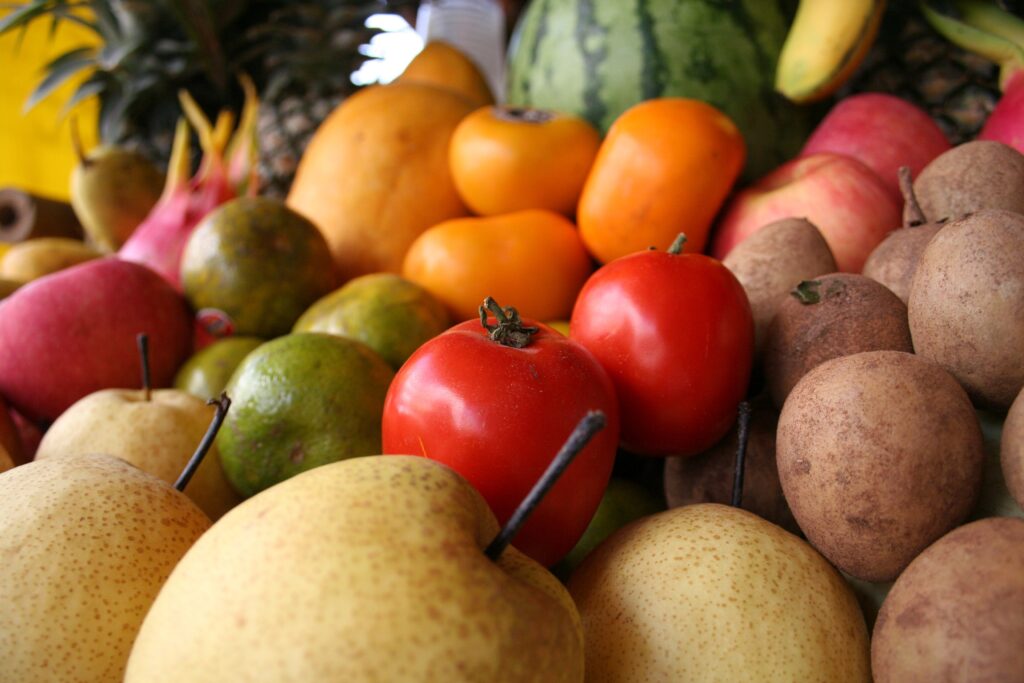
Potatoes and tomatoes may seem like natural neighbors because they are both popular garden staples, but planting them together can create a real headache. Since they belong to the same plant family, they tend to face similar disease problems, and that means trouble can move from one crop to the other far too easily. If one plant starts struggling, the other may follow before you even realize what is happening. That is the kind of garden problem that turns a promising season into a disappointing one.
Timing makes this pairing even worse. Potatoes get established earlier, and their vulnerable period can overlap with the stage when tomatoes are just beginning to take off. That leaves young tomato plants exposed at exactly the wrong moment. Instead of giving your tomatoes a clean, healthy start, you may be putting them directly in harm’s way. Keeping these two apart is one of the smartest moves you can make if you want fewer disease risks and a stronger summer crop.
Garlic or onions with peas and beans
Garlic and onions can do wonders in the kitchen, but they are not the friends peas and beans are looking for in the garden. Legumes like peas and beans prefer growing conditions that let them stretch, flower, and produce without stress. When they share space with strong alliums, their growth can slow. A bed that should be full of healthy vines and pods may end up looking weak and underwhelming.
This pairing often disappoints gardeners because the damage is not always dramatic at first. You may simply notice that your peas are not climbing as eagerly or your beans are not producing as much as expected. That subtle slowdown can steal a lot from your final harvest. If you want legumes to reach their full potential, give them a bed where they do not have to fight against neighboring plants that may hold them back.
Garlic and onions
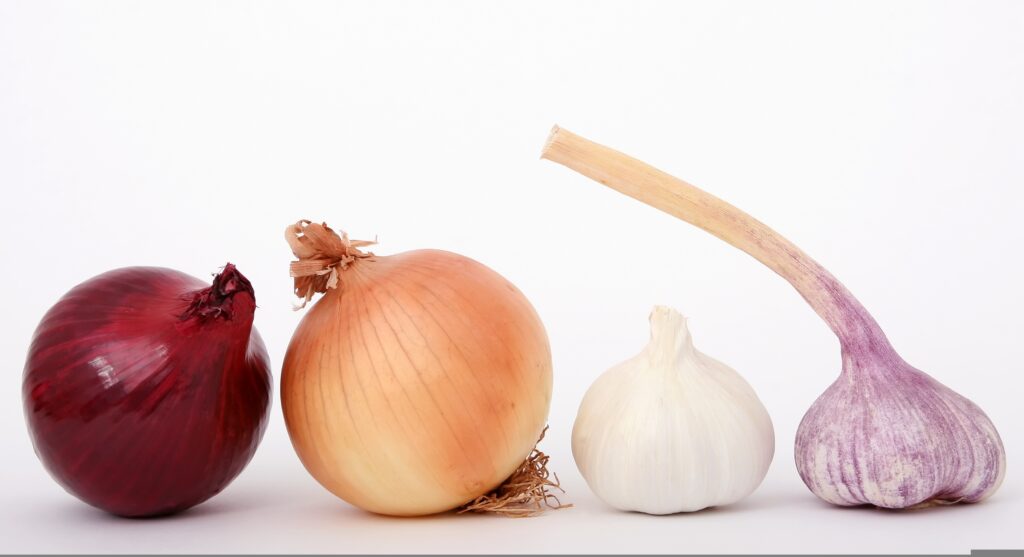
Garlic and onions might seem like a perfect match because they are so similar, but that similarity is exactly what can make them a problem when grown too closely together. Both are hungry crops that draw heavily on the soil, especially for nutrients that support steady bulb development. Put them side by side without careful feeding, and they may end up competing rather than thriving. The result can be smaller bulbs, weaker plants, and soil that gets worn out faster than expected.
Gardeners often assume similar plants should always be grouped together, but that idea can backfire badly here. When two heavy feeders occupy the same space, they do not politely share. They compete for the same resources over and over again. Unless you are very consistent with fertilizing and soil care, this pairing can leave both crops performing below their best. Sometimes, separating two similar plants is the better strategy for getting a more impressive harvest.
Oregano and squash
Oregano and squash are a mismatch for one very simple reason: squash grows like it owns the place. Oregano starts out low, neat, and manageable, while squash quickly spreads with large leaves and an aggressive habit that can swallow nearby plants. That makes oregano an easy victim in the same bed. What begins as a tidy planting can turn into a crowded mess, with one plant buried under another.
Water needs also make this pairing difficult. Oregano tends to like a lighter touch once established, but squash needs more frequent moisture to support all that fast, leafy growth. Trying to satisfy both plants in a single shared space often means one of them loses out. Either the oregano gets too much water, or the squash does not get enough to stay productive. That is a frustrating tradeoff, and it is why these two are better off in separate parts of the garden.
Broccoli and tomatoes
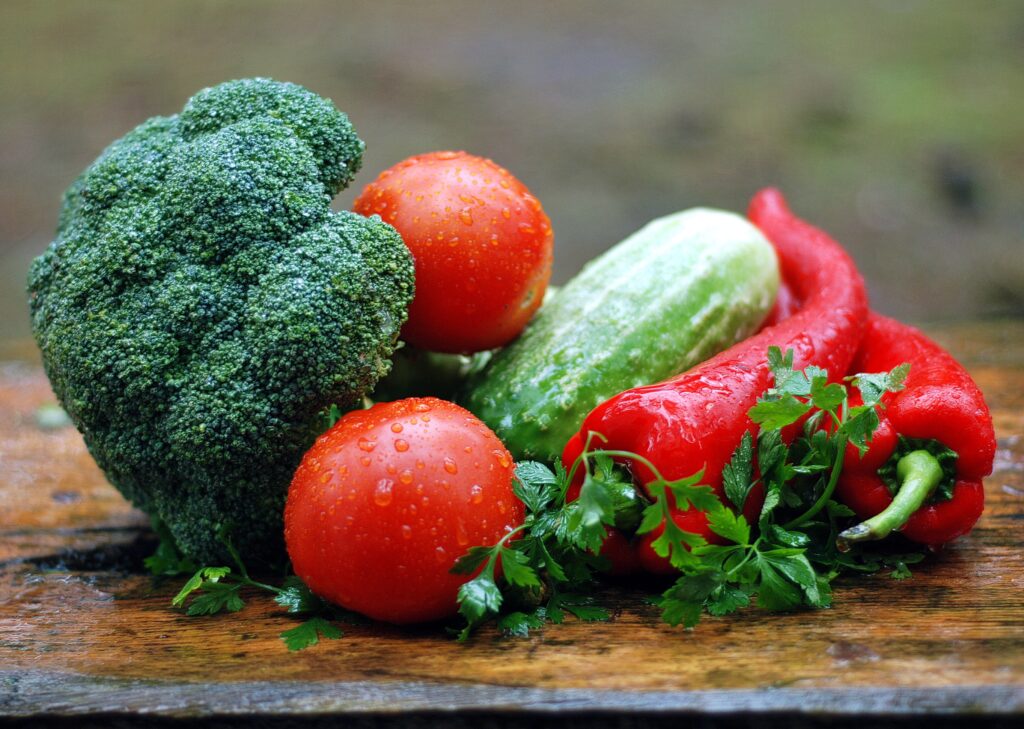
Broccoli and tomatoes do not make an ideal team, even if their growing schedules seem easy to manage. Broccoli often goes in earlier, and by the time tomato season arrives, it may look like there is still enough room to squeeze both into the same bed. That can tempt gardeners into planting them together, but the pairing is riskier than it first appears. Tomato plants need strong, steady growth, and nearby broccoli may create conditions that hinder their growth.
One of the biggest concerns is that tomatoes may struggle when placed near cruciferous crops like broccoli. Instead of putting all their energy into leafy growth, flowering, and fruit production, they can end up lagging behind. That means fewer strong vines and less vigorous growth gardeners want to see heading into summer. If you are counting on a big tomato harvest, it makes more sense to give tomatoes their own space rather than asking them to share with a plant that may hold them back.
Potatoes and cucumbers, squash, or melons
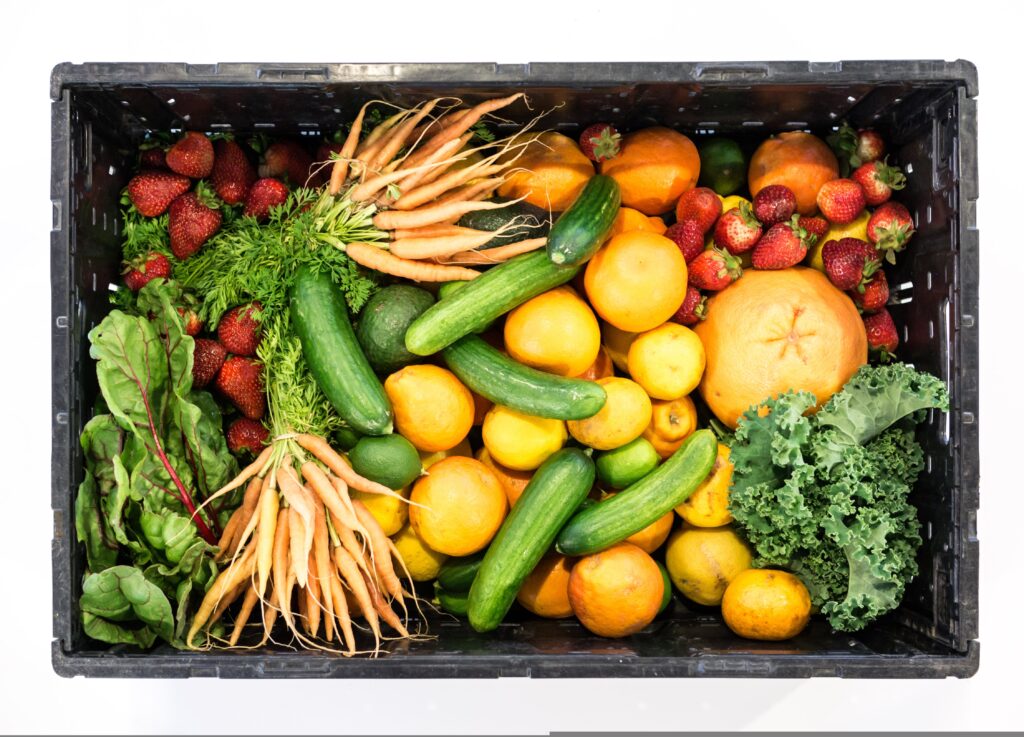
Potatoes already come with enough challenges on their own, so pairing them with cucumbers, squash, or melons can make matters worse. These sprawling summer crops are often just getting comfortable when potatoes begin declining later in their life cycle. That overlap creates an opening for disease trouble to spread. Instead of giving your cucurbits a fresh, healthy start, you may be placing them next to a crop that is entering a vulnerable and messy phase.
This is the kind of problem that catches gardeners off guard because the bed can look fine at first. Then the potatoes start fading, disease pressure rises, and the younger neighboring plants are suddenly at risk. Cucumbers, squash, and melons already need plenty of room, airflow, and attention. They do not need the added stress of a nearby crop that may pass along problems just as they are trying to establish themselves. Keeping potatoes separate can save you a lot of frustration later in the season.
Fennel and tomatoes
Fennel has a reputation for being difficult to pair with other plants, and tomatoes are one of the crops that can suffer around it. Some plants simply do not play nicely in a shared bed, and fennel is one of the most notorious examples. Instead of helping its neighbors, it can interfere with their growth. That makes it a risky choice in any vegetable patch where space is tight, and every plant needs to pull its weight.
Tomatoes are especially poor companions in this situation because they need a stable environment to grow strong stems, healthy foliage, and productive fruit clusters. A disruptive nearby plant can upset that balance. Fennel can also cause problems with other vegetables, so it often works best when given its own space. If you want a peaceful, productive garden bed, fennel is usually the plant that needs to live on its own.
A smarter way to protect your garden bed
Avoiding bad pairings can save you from a season full of weak plants and disappointing harvests. It also helps to remember that healthy beds need the basics done right: plenty of sunlight, well-draining soil, and consistent watering rather than random. Fast growers should not smother slower ones, heavy feeders should not always be packed together, and plants with very different moisture needs should not be forced into the same routine.
A better garden usually starts with better spacing decisions. When each crop has the right neighbor, the right light, and the right access to soil nutrients, everything becomes easier to manage. Your vegetables grow with less stress, diseases have fewer chances to spread, and you spend less time trying to rescue plants that were set up to struggle from the beginning.
Conclusion
A crowded garden bed may look efficient, but the wrong plant combinations can quietly sabotage the whole space. Potatoes, tomatoes, onions, garlic, broccoli, squash, fennel, and legumes all have specific issues that can turn close planting into a costly mistake. If you want your vegetable patch to stay productive, healthy, and easier to manage, keeping these problem pairings apart is one of the smartest decisions you can make.