When it comes to your personal space, privacy is everything. But are you making common mistakes that could be costing you your peace of mind? Whether you’re struggling with nosy neighbors or simply seeking a little solitude in your outdoor area, creating privacy doesn’t have to be complicated.
In fact, the solutions can be surprisingly simple and affordable. In this article, we’ll explore 10 common mistakes people make when trying to block their neighbor’s view and how to fix them before your privacy takes a hit.
Relying Too Much on Traditional Fences
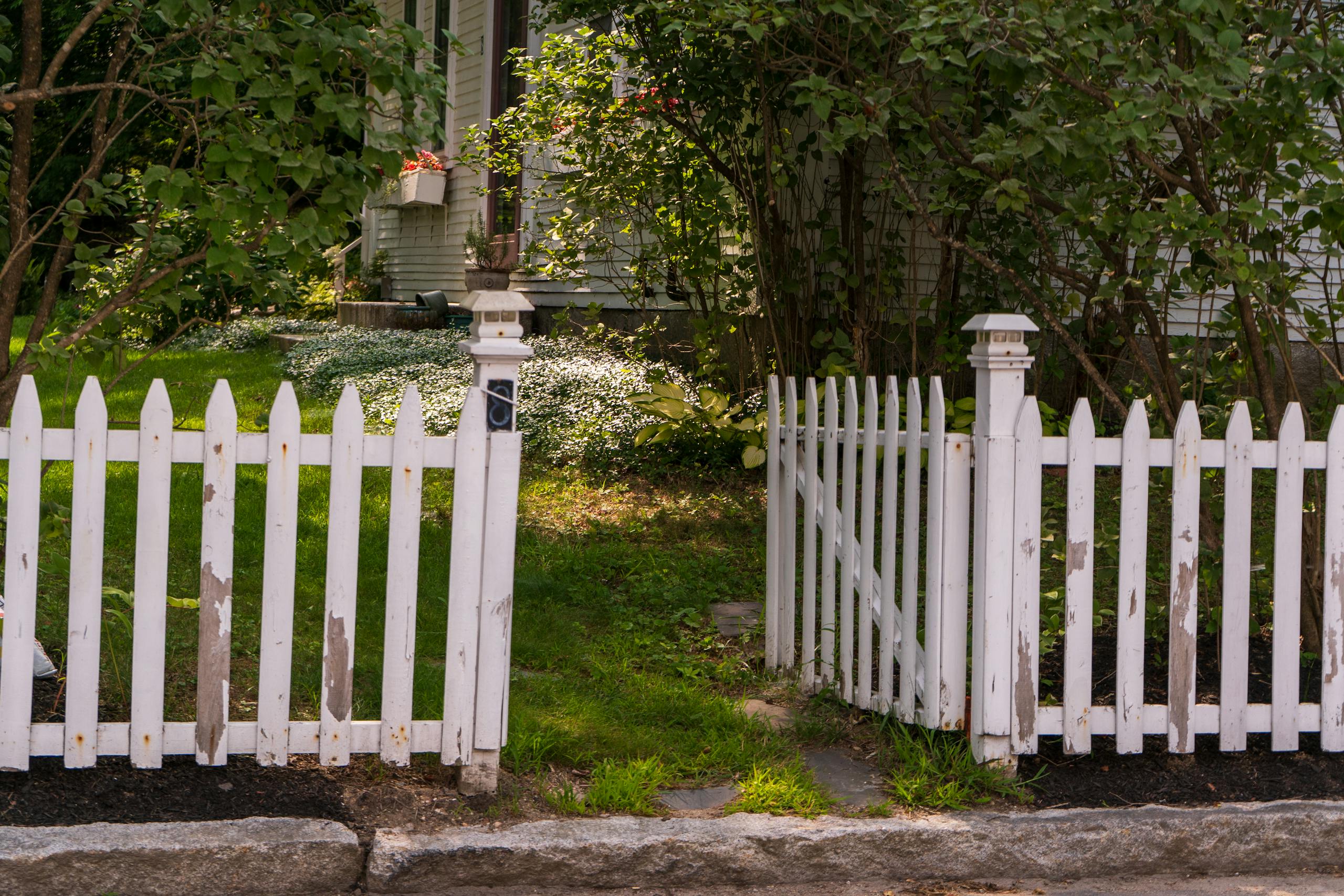
Sure, a fence might seem like the obvious choice for privacy, but did you know it might not be the most effective solution? Traditional fences can be expensive and may not even block as much of your neighbor’s view as you’d think. Plus, many municipalities have height restrictions on fences, which can compromise your privacy.
Instead of splurging on a high fence, consider freestanding privacy screens or panels. These are not only more affordable but can be moved around depending on where you need the coverage most. By mixing and matching elements such as plant barriers and decorative screens, you can build a personalized privacy system that suits your space and needs.
Forgetting the Power of Plants
Plants aren’t just for prettying up a space; they can be a game-changer for creating privacy. Many people overlook the power of tall shrubs and hedges, opting for quick fixes like curtains or blinds. But plants not only add a natural aesthetic, but they can also provide year-round coverage.
Invest in evergreen shrubs like arborvitae or boxwood, which provide year-round coverage. For a quicker fix, go for ornamental grasses like pampas grass. These beauties grow tall and dense, creating a soft and natural screen. Pro tip: If you’re renting, use potted plants; they’re mobile and perfect for balconies or patios!
Choosing the Wrong Material for Your Privacy Screens
Not all privacy screens are created equal. You may think a plastic ivy panel is an easy, low-maintenance solution, but what if it fades in the sun or gets brittle in the wind? Many homeowners opt for cheap, low-quality materials that don’t stand the test of time.
Instead of choosing the cheapest option, look for materials built to last. Consider metal screens, woven bamboo, or outdoor-rated fabric. These materials are more durable, stylish, and weather-resistant, ensuring your investment pays off in the long run.
Ignoring Your Space’s Layout
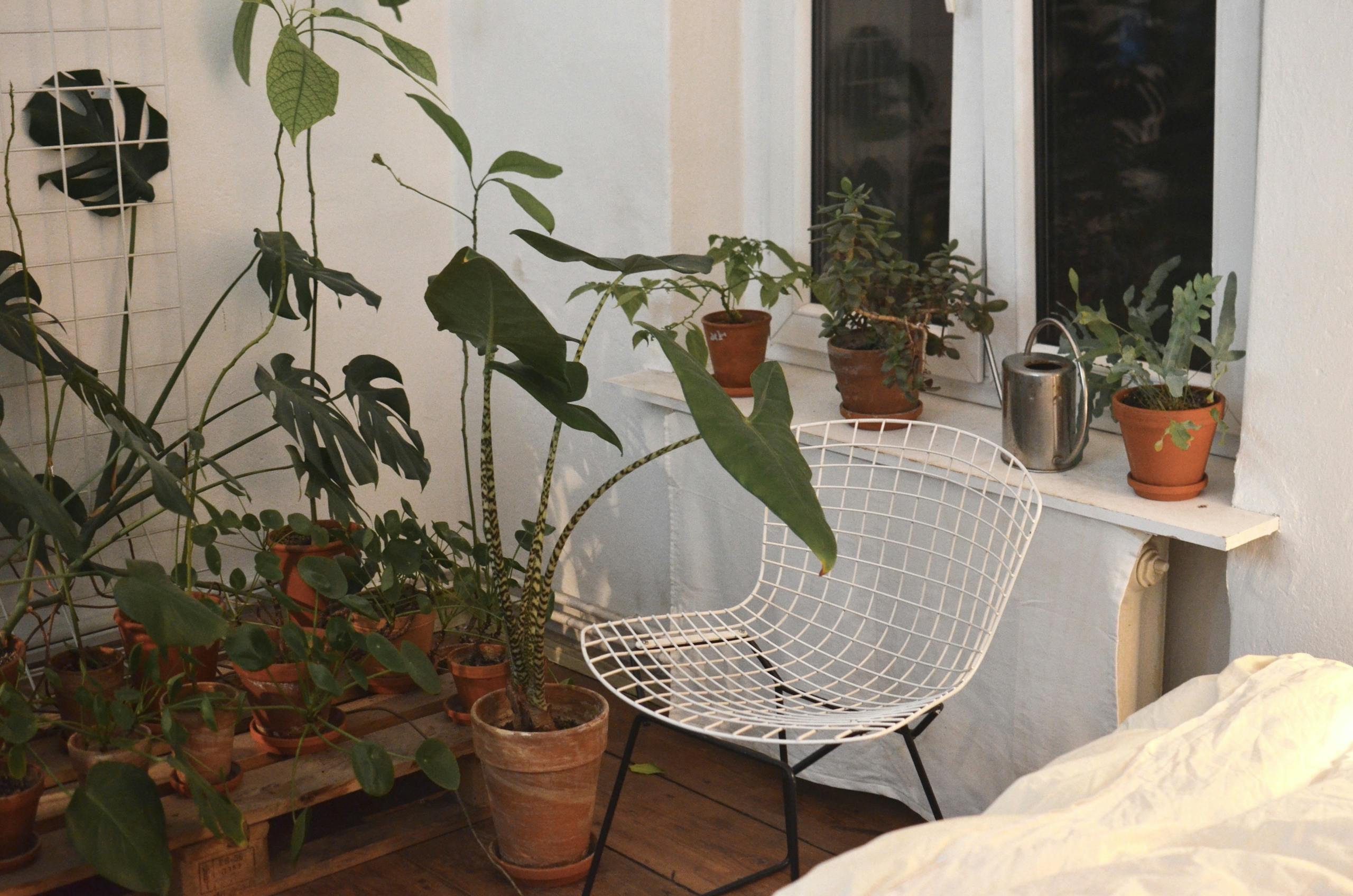
Here’s a mistake that often goes unnoticed: failing to consider your space’s layout before installing privacy elements. Some people place screens and plants randomly, hoping they’ll block the view, only to find out later that the placement does little to obstruct the line of sight. Take the time to plan your layout.
If you’re trying to block a specific view, like your neighbor’s windows, focus on placing screens or plants directly in their line of sight. For maximum effect, mix freestanding screens with climbing vines or tall shrubs. These can help fill gaps and create a more layered approach to privacy.
Settling for Inadequate Height
Height matters when it comes to privacy. A tiny fence or short row of plants might look nice, but it won’t offer the coverage you need. Low barriers can create gaps that provide clear sightlines, compromising your seclusion. If you’re using plants or screens, aim for height and density.
Tall evergreens or privacy screens can help you avoid those pesky gaps. Just be sure to check your local zoning laws; some areas have height restrictions for fences or structures. If you can’t go tall, layering plants and vertical garden systems can still give you the privacy you crave.
Overlooking Seasonal Changes
Plants and outdoor materials can look great during one season, but what happens when winter rolls around? Some plants lose their leaves,leaving your space exposed. Similarly, some materials like outdoor curtains or fabric screens can fade or get damaged in extreme weather. Opt for year-round solutions when possible.
Evergreens, such as holly and laurel, retain their foliage year-round. For fabric screens, choose UV-resistant and weatherproof materials. If you live in an area with harsh winters, consider faux ivy panels. They’ll hold up even in snow and frost, offering long-term privacy.
Not Considering Maintenance Needs
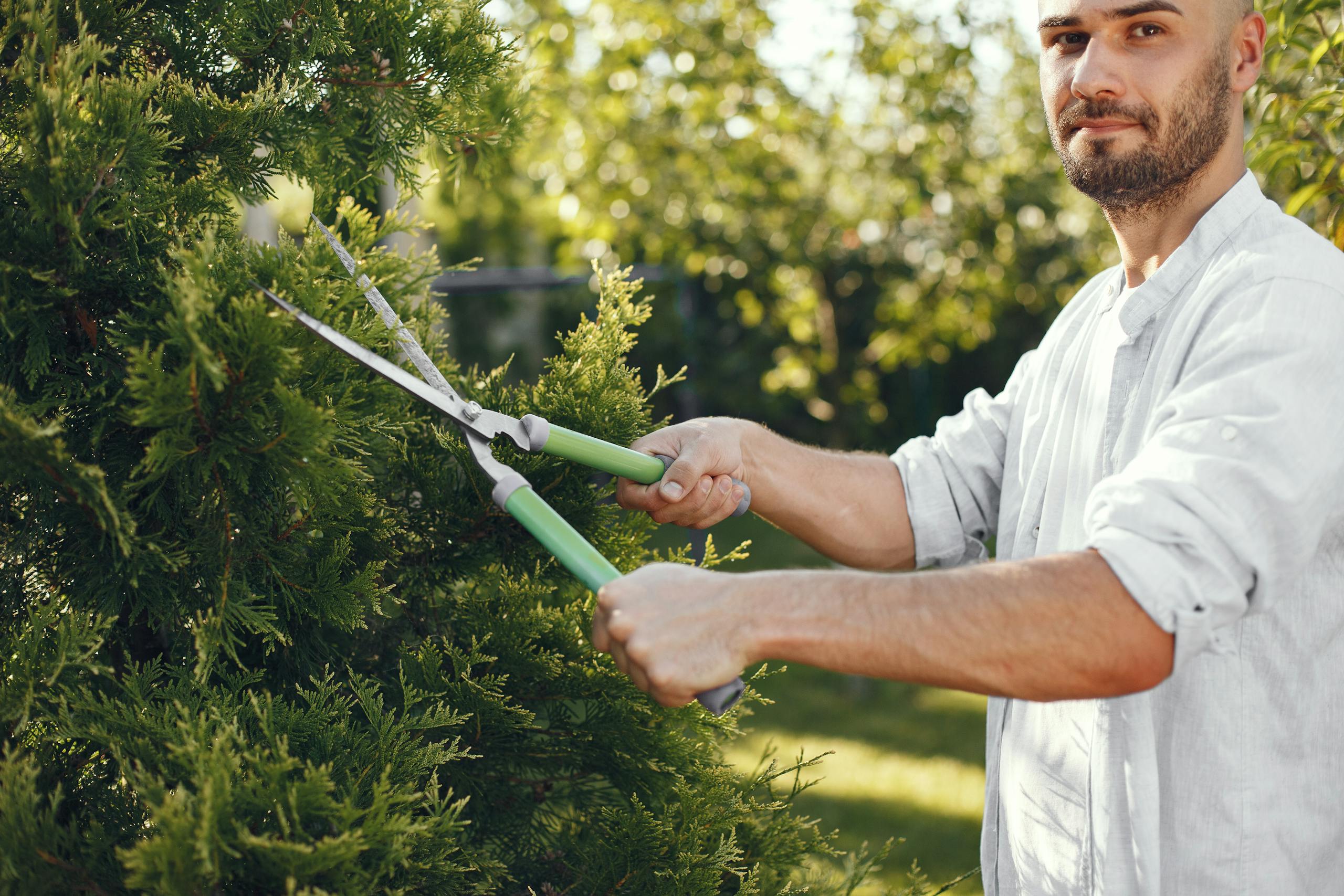
You wouldn’t believe how many people fall into the trap of installing a gorgeous privacy screen or planting dense shrubs without considering how much maintenance they’ll require. Forgetting to plan for upkeep can lead to overgrown plants, rotting materials, or worse, something you need to replace sooner than you’d like.
When choosing materials, consider the maintenance required for each option. For example, wooden fences may look lovely, but they require regular staining or sealing to prevent rot. Metal screens, on the other hand, are relatively low-maintenance. For plants, opt for low-maintenance varieties like yucca or succulents that thrive with minimal care.
Focusing Only on One Element
Many people think they only need one thing to block a view, whether it’s a tall fence, a row of plants, or an artificial screen. But the truth is, privacy works best when you combine multiple elements to create a layered effect. Relying on just one solution often falls short, especially when trying to block angles or high windows.
Create a multi-layered approach by mixing different privacy solutions. Use tall shrubs along the boundary, followed by freestanding screens or trellises with climbing vines. This combination will help break up sightlines from all angles, providing a more effective privacy barrier.
Overlooking Lighting Needs
Imagine spending a relaxing evening in your outdoor space only to be blinded by harsh streetlights or your neighbor’s spotlight. Poor lighting can disrupt your privacy and ambiance, making your outdoor space feel less inviting. Don’t neglect lighting when designing your private oasis.
Install soft outdoor lighting that won’t shine into your space from neighboring areas. String lights, lanterns, or solar-powered garden lights can illuminate your space without compromising privacy. Plus, you can use privacy screens with built-in lighting to create a stylish and functional solution.
Ignoring Your Neighbors’ Needs

Sometimes the best way to create privacy is to maintain a friendly relationship with your neighbors. Overzealous privacy measures might make you feel secluded, but they can also cause tension. Be sure to communicate openly about your desire for privacy, so you don’t end up with barriers that create bad blood.
Rushing the Process
Rome wasn’t built in a day, and neither should your private sanctuary. One of the biggest mistakes people make is rushing the process, whether it’s impulsively buying cheap materials or hastily planting without considering their space. Take your time to plan and invest in long-lasting solutions.
Research your options, measure your space, and choose the right materials. Create a plan that suits both your budget and aesthetic goals, and don’t settle for shortcuts. The extra effort will pay off in the long run.
Underestimating the Value of Sound Barriers
Privacy isn’t just about sightlines; it’s about sound too. If you’re constantly hearing your neighbors’ conversations or music, your privacy may still feel compromised. Soundproofing elements, such as outdoor water features or dense plantings, can add an extra layer of peace.
Not Factoring in Future Growth
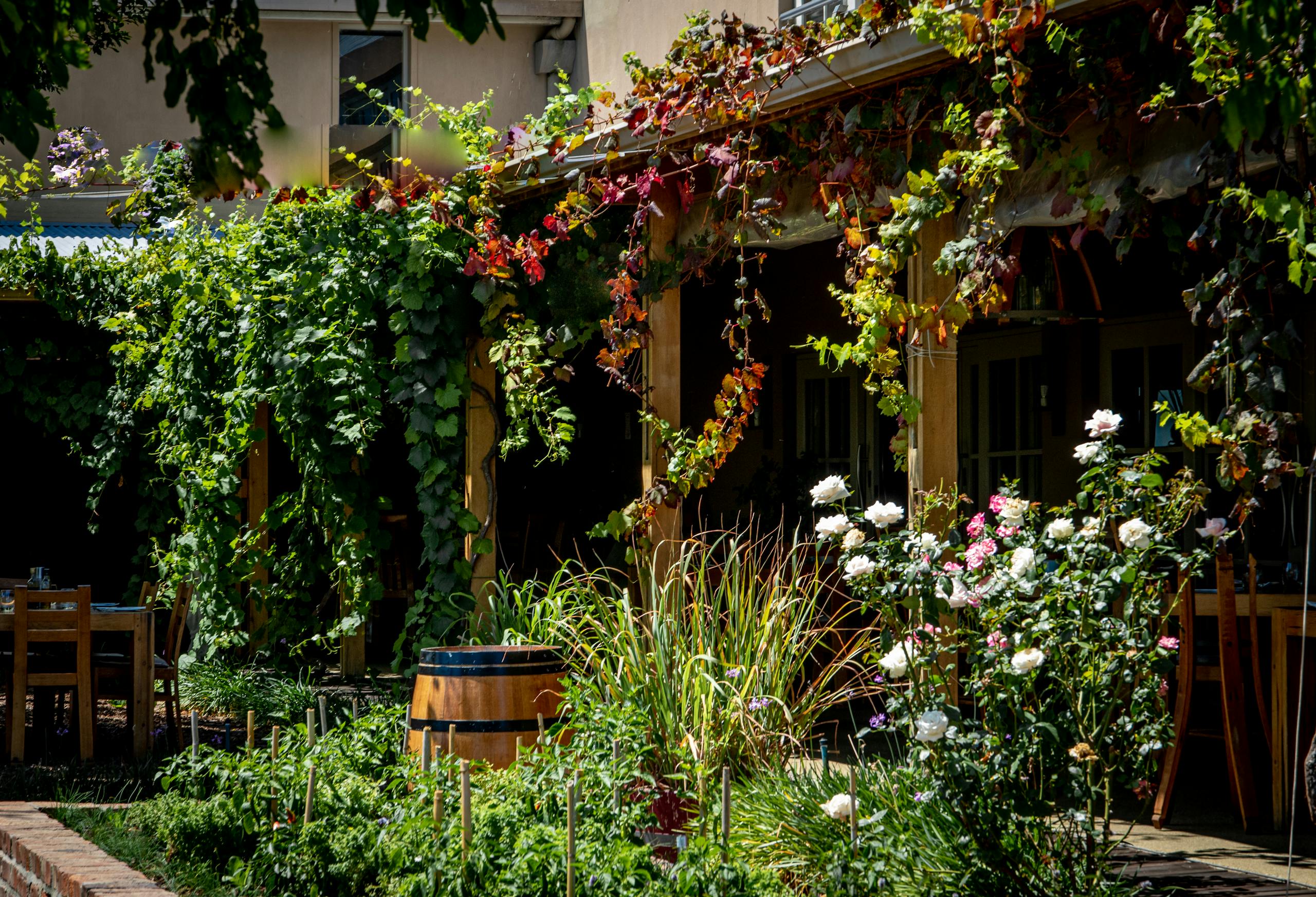
If you’re planting shrubs or vines to block the view, keep in mind how fast these plants will grow. Some plants may need more time than you think to reach full maturity. Plan for the long-term and choose varieties that will thrive and fill in naturally, without requiring constant pruning.
Conclusion
Privacy is an essential part of feeling at home, but many of us make the same costly mistakes when trying to achieve it. Whether you’re relying on traditional fences, overlooking plant options, or rushing the process, there’s always a better way to ensure your outdoor space remains your own.
Take the time to plan, mix and match privacy solutions, and invest in long-lasting materials. In the end, the effort will pay off by creating a private, serene space that you can truly enjoy. Have you ever made one of these mistakes? What privacy solutions have worked for you? Let us know in the comments below!