A struggling garden does not always need another expensive bag of fertilizer. Sometimes, the help your plants need is already sitting in your kitchen trash, waiting to be thrown away with yesterday’s peels, shells, and coffee grounds. That is the quiet mistake many home gardeners make without realizing it.
Kitchen scraps can help improve garden soil, reduce household waste, and give plants a slow, natural boost. The trick is knowing which scraps are useful, how to use them, and which should never come near your plants. If your garden looks tired, pale, or slow to grow, these common scraps may deserve a second chance before they hit the bin.
Eggshells
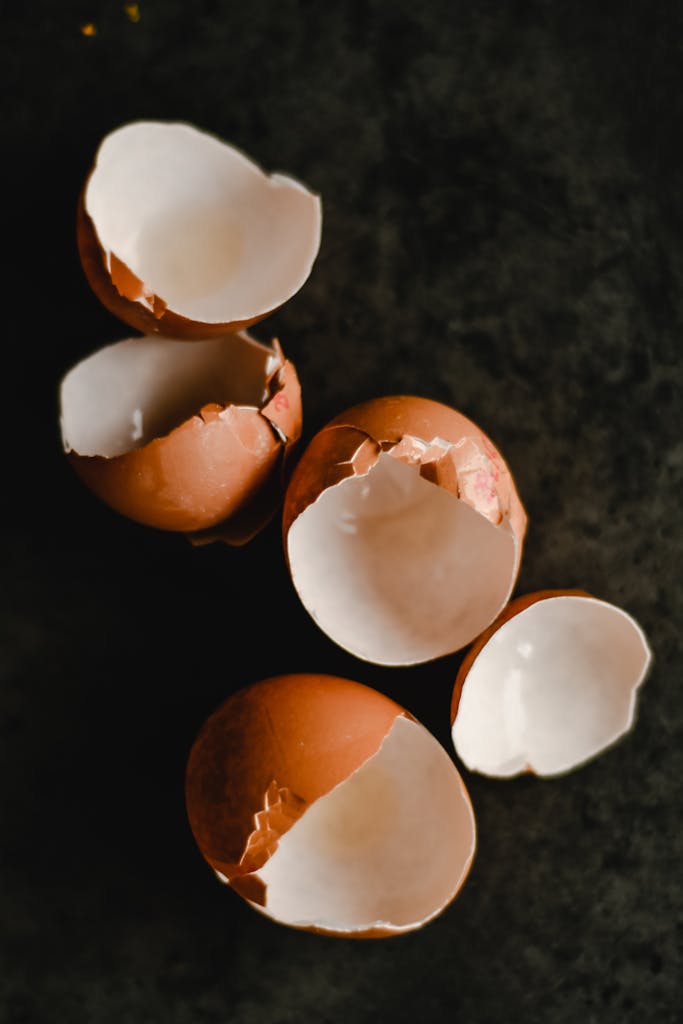
Eggshells are among the easiest kitchen scraps to reuse in the garden, yet many people throw them away without a second thought. They are especially useful because they can add calcium to the soil, which helps support strong plant growth. Tomatoes, peppers, and other fruiting plants can benefit from calcium-rich soil, especially when they are producing heavily.
The mistake many gardeners make is tossing whole eggshells into the soil and expecting quick results. Whole shells break down very slowly, so it is better to rinse, dry, and crush them into small pieces before adding them around plants. You can also grind them into a fine powder if you want them to blend into the soil faster.
Eggshells can also help improve texture in small garden beds and containers. Sprinkle crushed shells lightly around the base of plants, then work them into the top layer of soil. Avoid dumping too much in one spot because balance matters in any healthy garden. Used correctly, eggshells are a simple way to turn breakfast waste into plant support.
Banana Peels
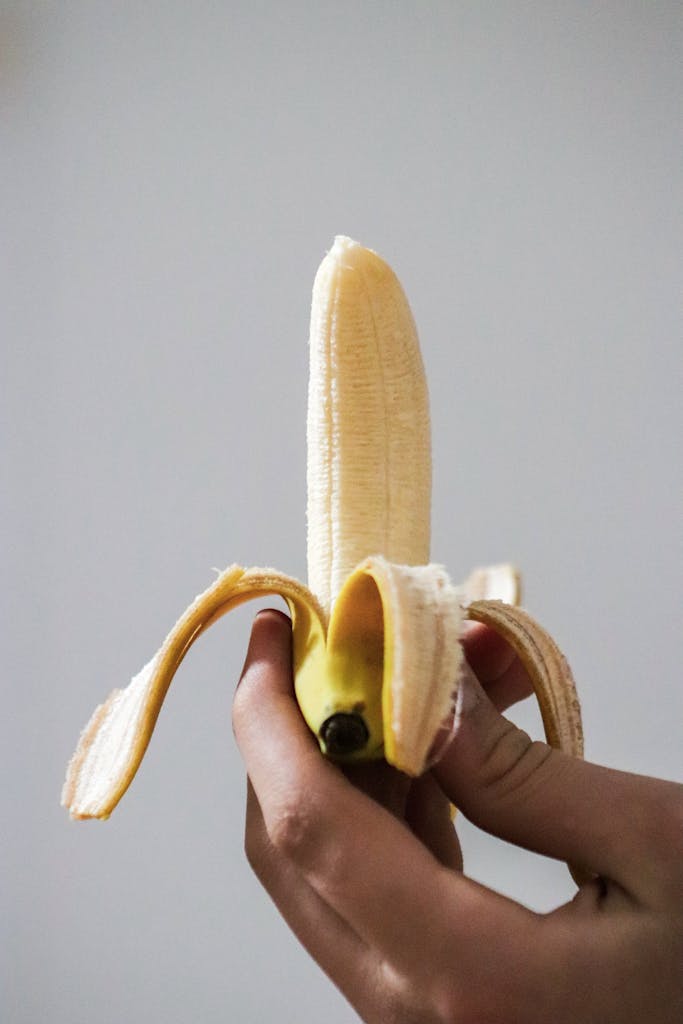
Banana peels are often treated like useless trash, but they can be helpful in the garden when used properly. They contain nutrients that plants use for root strength, flowering, and overall growth. Instead of letting them rot in the garbage, you can cut them into small pieces and bury them near plants that need a steady nutrient boost.
The key is not to lay large banana peels on top of the soil. That can look messy, attract pests, and take too long to break down. Chop the peel into smaller strips or pieces, then bury them a few inches below the surface. This helps the peel decompose slowly while keeping flies and animals away.
Banana peels work especially well around flowering plants, vegetables, and fruiting crops. They are not a miracle cure, but they can support healthier soil over time. If you compost, they are even easier to use because they break down well when mixed with other organic material. For gardeners looking to spend less on soil boosters, banana peels are too useful to keep throwing away.
Coffee Grounds
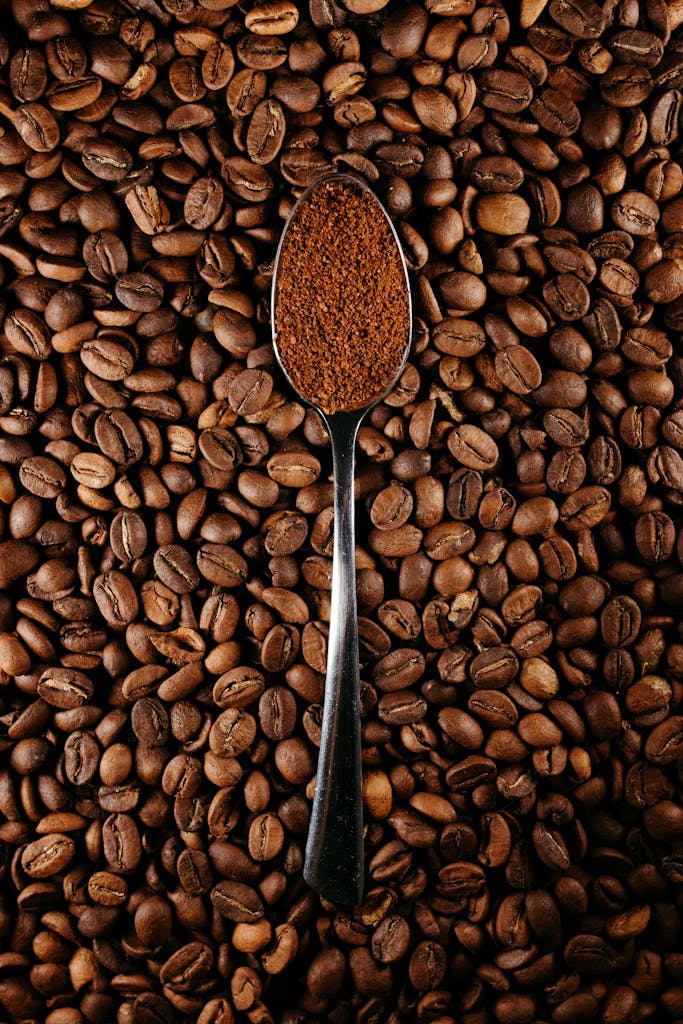
Used coffee grounds are another kitchen scrap that too many people throw away. They can add organic matter to the soil and help improve its texture when used in moderation. For gardeners who drink coffee daily, this is one of the easiest ways to create a steady supply of garden-friendly material.
The problem comes when people dump thick piles of coffee grounds directly around plants. Wet coffee grounds can clump together, block airflow, and form a dense layer that water struggles to penetrate. Instead, sprinkle them lightly and mix them into compost, mulch, or the top layer of soil. A little goes a long way.
Coffee grounds are useful around many outdoor plants, but they should not be treated like a universal fertilizer. They work best as part of a wider composting or soil improvement routine. Mix them with dry leaves, grass clippings, vegetable scraps, or other compost materials for a better balance. When used wisely, coffee grounds can benefit your garden rather than end up in a landfill.
Citrus Peels
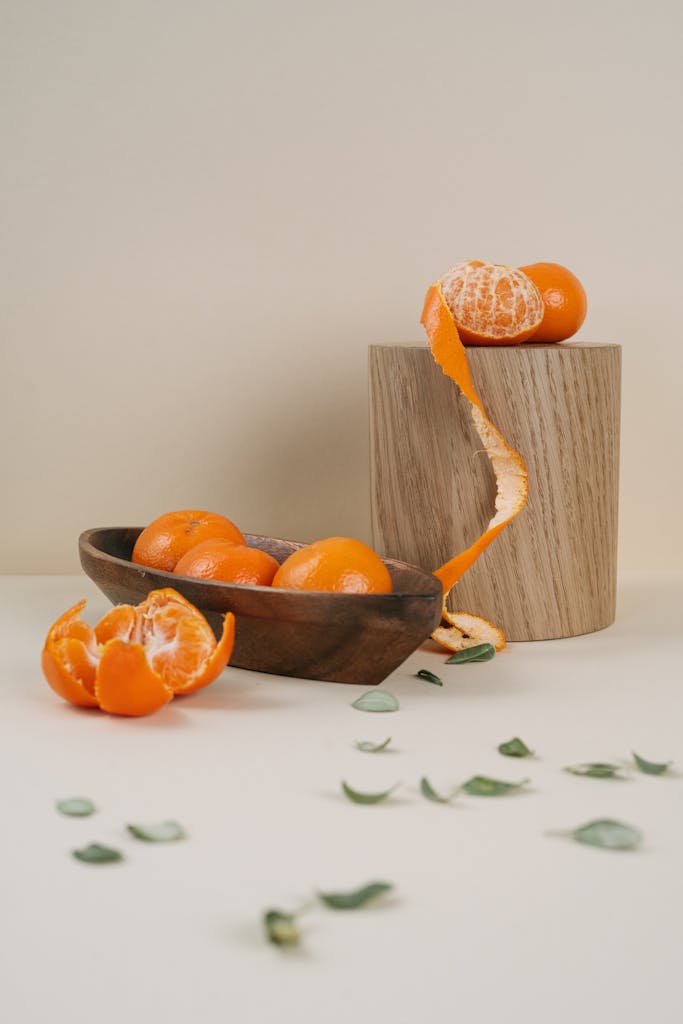
Orange, lemon, lime, and grapefruit peels may seem too sharp or acidic for the garden, but they can still be useful when handled properly. Citrus peels break down over time and add organic material back into the soil. They also have a strong scent that some gardeners use to help discourage certain pests around garden beds.
The biggest mistake is throwing large citrus peels into the garden and leaving them exposed. Big pieces take longer to decompose and may attract unwanted attention from insects or animals. Cut the peels into small pieces before adding them to compost or burying them lightly in the soil. Smaller pieces break down faster and blend better with other organic matter.
Citrus peels are best used in moderation. Too much in one area can overwhelm the balance of a small compost pile or container garden. Add them gradually with other scraps instead of making them the main ingredient. When used carefully, citrus peels can help reduce waste and give your garden a small organic boost.
Vegetable Scraps
Vegetable scraps are some of the most valuable kitchen leftovers for gardeners, especially if you cook often. Potato peels, carrot tops, cucumber ends, celery leaves, lettuce scraps, and herb stems can all be returned to the growing cycle. These scraps break down into organic matter that helps feed soil life and improve garden structure.
The wrong way to use vegetable scraps is to toss them loosely onto the soil. Exposed scraps can attract pests, smell unpleasant, and make the garden look neglected. The better method is to bury them in a shallow trench, add them to a compost bin, or chop them into smaller pieces before mixing them with other organic materials.
Vegetable scraps are especially useful because they are easy to collect every day. Keep a small container in the kitchen for garden-friendly scraps, then empty it into your compost or garden trench regularly. Avoid adding cooked vegetables that are heavily seasoned with oil, salt, butter, or other heavy seasonings, as these can create problems in the soil. Fresh, raw scraps are the better choice for a clean and healthy garden routine.
Conclusion
Throwing away useful kitchen scraps is one of the quietest ways gardeners waste money and resources. Eggshells, banana peels, coffee grounds, citrus peels, and vegetable scraps can all support healthier soil when they are prepared and used correctly. They will not replace every garden product, but they can reduce waste and help your plants grow more naturally.
The goal is not to dump every leftover into the garden. The goal is to choose the right scraps, chop or crush them when needed, and use them in moderation. When you treat kitchen waste as a garden resource, your soil gets richer, your trash gets lighter, and your plants get a better chance to thrive.