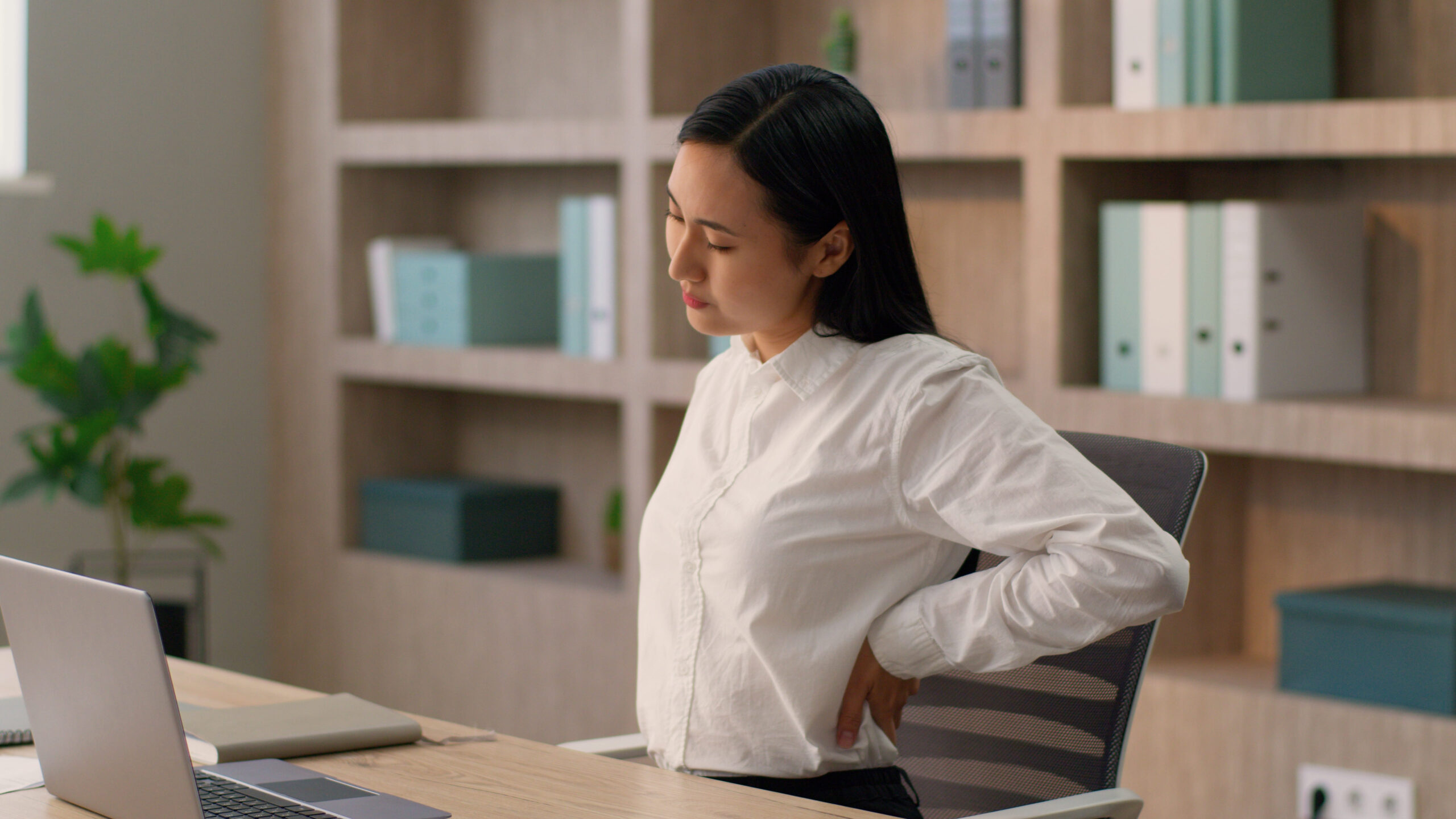
Every day life carries hidden layers for women that are rarely obvious to others. Walking down a quiet street, a woman might map exits, note shadows, or keep her phone at the ready, turning ordinary routines into a constant assessment of risk. These small, continuous calculations accumulate, creating a level of mental load that can be exhausting but often goes unnoticed.
Beyond personal safety, women face persistent structural challenges that affect finances,career growth, social interactions, and health outcomes. Studies show that women globally spend significantly more time on unpaid care work, continue to earn less than men for similar roles, and are more likely to encounter dismissal in medical settings. These patterns are not theoretical; they shape daily decisions and long-term life outcomes. Understanding these experiences requires examining both the subtle and overt pressures women regularly navigate.
Women Constantly Calculate Personal Safety in Public Spaces

For women, moving through public spaces often requires a detailed, ongoing risk assessment. Simple activities like jogging, taking a cab, or walking to a parked car can involve scanning the environment, noting lighting, identifying potential threats, and planning exit strategies. A man might see an empty sidewalk as peaceful, but a woman frequently calculates contingencies to avoid harm.
This constant vigilance shapes daily behavior in significant ways. Women may avoid certain routes, adjust their schedules, or change modes of transportation to feel safer. Research shows that in 2025, roughly a third of women worldwide reported feeling unsafe walking alone at night, a rate significantly higher than that reported by men.
Over time, this heightened awareness can become mentally draining, influencing choices from where to live to what social events to attend. Even in familiar neighborhoods, women may plan contingencies that men rarely consider.
Politeness Can Be Mistaken for Permission

Women are often socially conditioned to maintain warmth and friendliness, yet these traits can be misinterpreted as romantic or sexual interest. Simple acts of politeness, like laughing at a joke or offering a smile, may lead to unwanted attention or harassment. This creates a delicate social balancing act: being courteous can carry risk, while appearing distant may be judged harshly.
Navigating this landscape requires constant micro-management of interactions. Women learn to modulate tone, body language, and eye contact to protect themselves while maintaining social norms. These decisions are not trivial; they influence perceptions at work, in social settings, and online, often shaping both opportunities and personal safety.
Politeness as a strategy is deeply tied to broader social expectations about gender behavior. Women frequently bear the burden of being socially agreeable, managing others’ reactions, and protecting themselves from misinterpretation.
Harassment Turns Ordinary Routines Into Risk Management
Harassment is rarely a single dramatic event; for women, it can be a continuous undercurrent in daily life. Catcalls, unwelcome comments, persistent messages, and inappropriate touches form a pattern that requires constant adaptation. Women adjust their clothing, routes, schedules, and behavior to minimize risk, effectively integrating safety measures into mundane routines.
The emotional impact is significant. Anticipating harassment fosters anxiety, self-consciousness, and hypervigilance that can extend into work, travel, and social interactions. According to the CDC, about one in three women in the United States experienced verbal sexual harassment in public or professional settings in 2025.
These small but continuous threats shape life decisions. Women may decline invitations, avoid specific workplaces, or choose careers based on perceived safety rather than personal passion.
The Workplace Double Standard Comes With a Paycheck
Women face nuanced biases at work that influence promotions, recognition, and compensation. Assertiveness, often rewarded in men, can be criticized in women as aggression or unlikability. Workload, ambition, and leadership style are interpreted through a gendered lens, producing disparities in pay and career progression.
The pay gap persists across industries and roles. In 2024, U.S. women earned approximately 85% of what men earned, and studies show that for every 100 men promoted to management, only 93 women are promoted.
This systemic bias affects confidence, career planning, and long-term financial security. Even highly qualified women must navigate subjective evaluations, microaggressions, and double standards, making professional advancement a complex negotiation rather than a straightforward meritocracy.
The Mental Load at Home Is Often Treated as Invisible Labor

Women frequently carry the responsibility for planning, organizing, and anticipating household needs. This mental load includes remembering appointments, scheduling children’s activities, monitoring supplies, and managing emotional support for family members. These tasks are often invisible and undervalued because they are not physically demonstrable.
The weight of this unseen work is profound. Women must simultaneously track, coordinate, and troubleshoot, often while maintaining a full-time career. Global data consistently shows that women perform far more unpaid domestic and caregiving labor than men, a disparity that impacts career growth, leisure time, and overall well-being.
Beyond scheduling, the mental load shapes decision-making and stress management. It demands cognitive and emotional labor that often goes unnoticed but is critical to family function.
Women’s Pain Is Too Often Dismissed in Medical Settings
Medical bias against women’s reported pain is pervasive. Women’s symptoms are frequently attributed to anxiety, stress, or exaggeration, delaying diagnosis and treatment. This pattern affects conditions from chronic illness to reproductive health, contributing to prolonged suffering and medical complications.
A 2024 PNAS study confirmed that female patients were less likely to receive appropriate pain management than male patients for comparable conditions, even after controlling for symptom severity.
Women often have to advocate persistently to be believed. This dynamic not only affects health outcomes but also reinforces a pattern of self-doubt and frustration in navigating healthcare systems.
Reproductive Health Can Control the Calendar
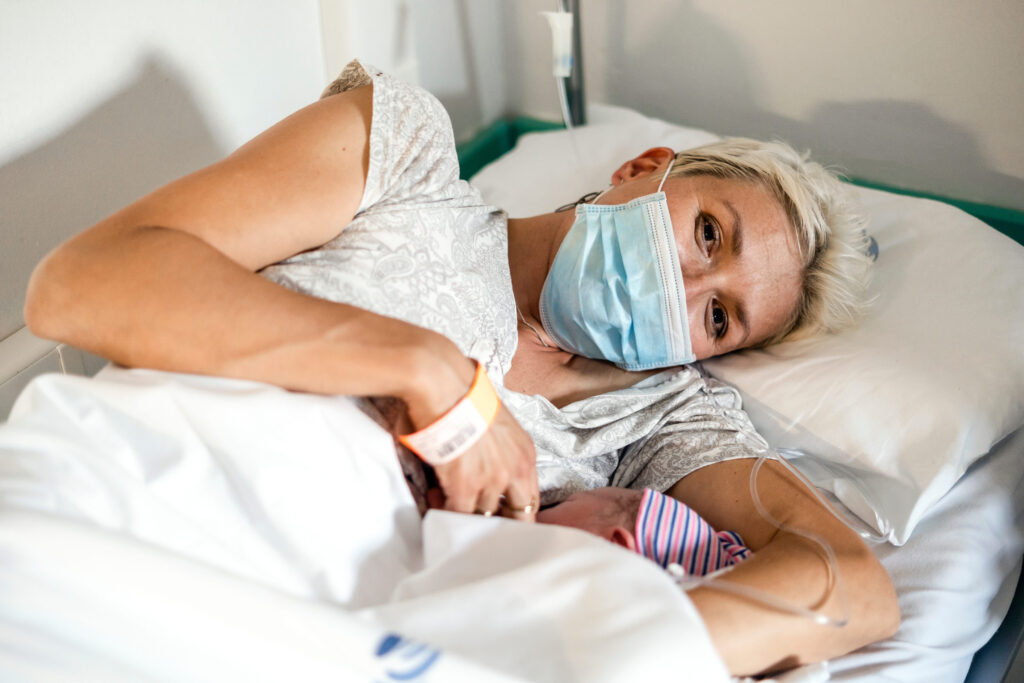
Menstrual cycles, fertility, pregnancy, postpartum recovery, and menopause create a unique rhythm that influences women’s daily lives. Symptoms such as fatigue, pain, or hormonal changes can intersect with work, travel, and social obligations, creating a dual calendar that men rarely have to manage.
Conditions like endometriosis, PCOS, and fibroids affect millions of women, impacting energy, productivity, and personal well-being. According to the CDC, endometriosis affects approximately 11% of women in the U.S., illustrating the prevalence of reproductive health concerns.
This constant biological scheduling adds complexity to professional and social planning. Women must often weigh personal needs against societal expectations without adequate support or acknowledgment.
Beauty Standards Make Appearance Feel Like a Performance Review
Society scrutinizes women’s appearance in ways men rarely experience. Makeup, clothing, body shape, and hairstyle are all judged, with no universally acceptable standard. Women face criticism whether they conform to or deviate from these expectations.
These pressures influence daily choices and personal identity. Research shows that social media and cultural norms amplify appearance anxiety, impacting self-esteem and mental health.
The cost is both psychological and social. Women must navigate self-presentation as a strategic, ongoing effort to balance authenticity with societal acceptance.
Motherhood Can Change How the World Measures a Woman
Becoming a mother often introduces double standards. Professional ambition, domestic choices, and parenting style are judged differently than those of men in comparable situations. Mothers may face criticism for working long hours, staying at home, or making nontraditional choices.
Labor force participation highlights persistent disparities. In 2025, 68% of mothers with children under age six were employed, compared with 95% of fathers in the same category.
This dynamic requires mothers to manage public perception alongside their personal and professional responsibilities. Balancing these pressures is a complex task that is often invisible but profoundly affects quality of life.
Women Are Often Expected to Stay Calm While Being Disrespected
Social norms often require women to absorb disrespect without a visible reaction. Being interrupted, ignored, or devalued is met with expectations of politeness, composure, or silent endurance. This emotional labor is both exhausting and socially enforced.
Maintaining composure often comes at the expense of personal comfort, self-expression, and assertiveness. Recognizing this burden underscores the hidden energy women expend to navigate societal expectations while asserting autonomy and dignity.