We all know that eating well is the key to staying healthy, but what if the foods you’re consuming every day, thinking they’re good for you, are actually doing the opposite? Here’s the shocking truth: many of the “healthy” choices we’ve been led to believe are beneficial for our health are actually dangerous, deceptive, and downright damaging.
This isn’t just a matter of small missteps; these choices could be wrecking your metabolism, increasing your risk for chronic diseases, and sabotaging your well-being in ways you never imagined.
Let’s take a closer look at 17 foods you may have heard are healthy, but that may be less beneficial than you think. Ready to reconsider these common foods? Keep reading for an informative overview.
The Heart Attack in Your Pantry
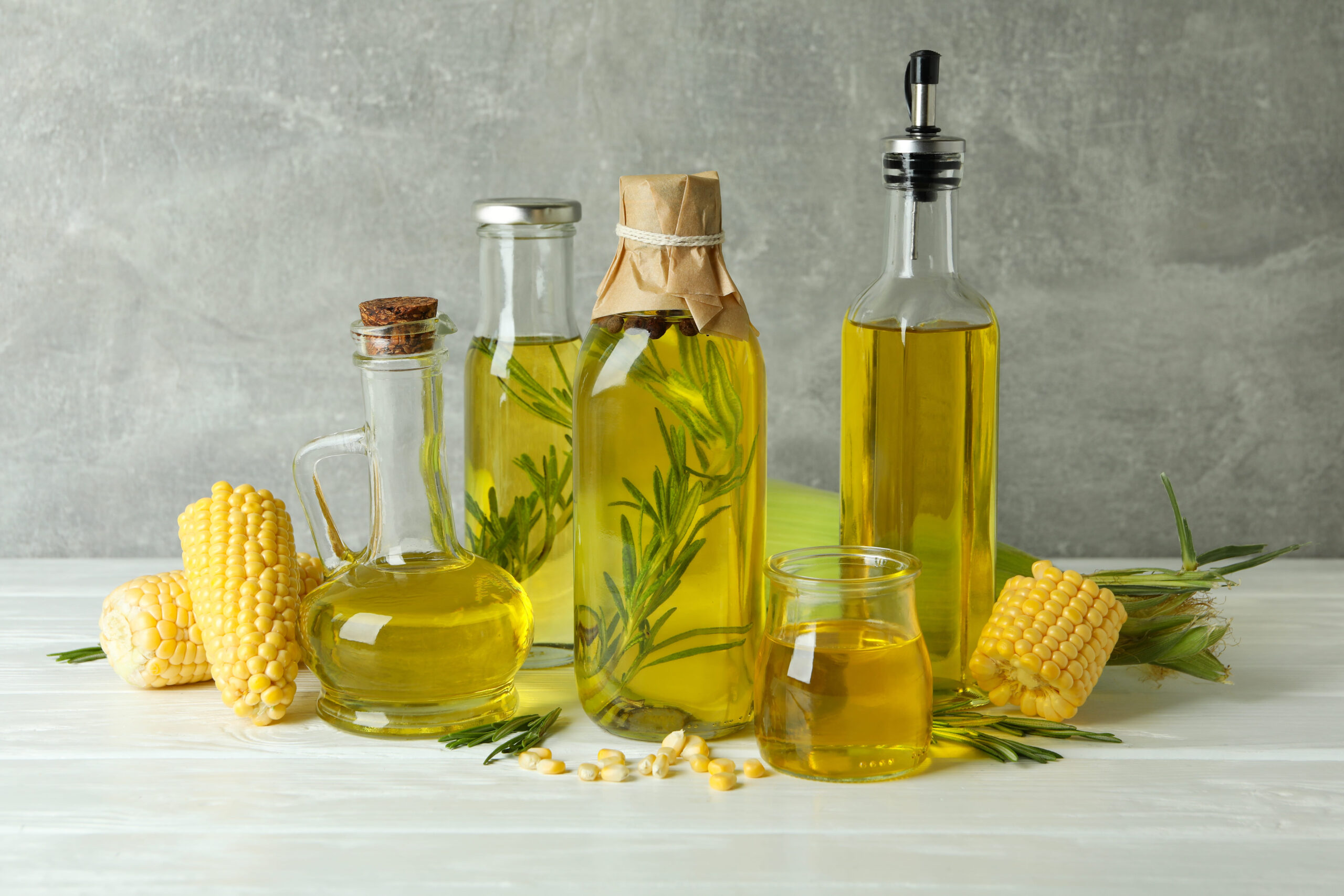
Vegetable oils like soybean, sunflower, and canola oil are often marketed as heart-healthy alternatives to butter, but nothing could be further from the truth. These oils are loaded with omega-6 fatty acids, which are highly inflammatory when consumed in excess.
The inflammation caused by these oils can increase your risk of heart disease, diabetes, and even cancer. What’s worse, these oils are typically refined, processed, and chemically treated, stripping away any nutritional value. Instead of vegetable oil, choose healthier options like olive or avocado oil, which are rich in heart-healthy monounsaturated fats.
More Than Just Empty Calories
Peanuts are often praised as a ‘healthy snack,’ but most commercial peanut products are roasted in added oils and contain high levels of sodium. A 2014 Journal of Nutrition review highlighted that the omega-6 to omega-3 ratio in peanuts is much higher than in some other nuts, which some scientists have hypothesized may promote inflammation.
While not all studies agree, reducing intake of highly processed peanut snacks may help some individuals manage sodium and fat intake. Choosing raw nuts like almonds or walnuts may offer a better nutrient profile, according to several nutritional analyses.
The Illusion of Health
Many people reach for diet soda, thinking they’re making a healthier choice by skipping the sugar. But here’s the shocking truth: diet sodas might be even worse for you than the regular kind.
Artificial sweeteners like aspartame and sucralose found in these drinks have been linked to weight gain, insulin resistance, and even increased cravings for sugary foods.
Studies suggest that these chemicals trick your brain into wanting more food, leading to overeating. If you’re drinking diet sodas thinking you’re cutting calories, you’re only setting yourself up for metabolic disaster. Skip the soda entirely and opt for water, herbal teas, or naturally flavored drinks instead.
The Cheesy Nightmare You’re Eating
Processed cheese is a fast-food staple, but its impact on your health is far from cheesy. It’s high in sodium, unhealthy fats, and preservatives, which contribute to high cholesterol, high blood pressure, and weight gain.
This so-called “cheese” is often made with cheap oils and artificial ingredients, rendering it almost devoid of any nutritional value. Just two or three slices can push you well beyond your recommended daily intake of salt. If you want cheese, choose real cheese made from whole milk in moderation—processed cheese is nothing more than a junk food masquerading as a dairy product.
The Sweetened Sugar Bomb

Fruit juice might seem like a healthy alternative to sugary sodas, but it’s not the nutritious drink you think it is. Many commercial fruit juices are stripped of fiber, pumped full of added sugars, and devoid of the beneficial antioxidants you’d get from eating whole fruit.
In fact, a glass of fruit juice can have more sugar than a can of soda, and it won’t fill you up the way whole fruit would. Drinking fruit juice regularly can spike your blood sugar, leading to insulin resistance, weight gain, and an increased risk of type 2 diabetes. For a healthier option, eat the whole fruit or opt for smoothies that include the fiber.
Drenched in Sugar and Bad Fats
You may think you’re making a healthy choice by ordering a salad, but the dressing you pour on it could be doing more harm than good. Most store-bought salad dressings are packed with hidden sugars, unhealthy fats, and artificial ingredients.
These empty calories can contribute to weight gain, heart disease, and inflammation. The next time you reach for the bottle, think twice. Instead, make your own simple dressing with olive oil, balsamic vinegar, and herbs to keep your salad both healthy and delicious.
The Sodium-Fueled Health Risk
Soy sauce is often touted as a healthy alternative to other condiments, but it’s actually loaded with sodium. A tablespoon of soy sauce can contain over 1,000 milligrams of sodium, which is a third of your daily recommended intake.
High sodium intake can lead to high blood pressure, stroke, and kidney disease. Plus, many soy sauces contain added preservatives and chemicals that can increase the risk of cancer. For a healthier alternative, try low-sodium soy sauce or coconut aminos, which have far less salt and no harmful chemicals.
The Silent Metabolic Killer
Despite its popularity, white bread is one of the worst things you can put in your body. Made from refined flour, white bread is stripped of nearly all nutrients, offering nothing but empty calories. It quickly spikes your blood sugar, leading to energy crashes, cravings, and long-term metabolic damage.
Eating white bread regularly can increase your risk of obesity, diabetes, and heart disease. If you can’t live without bread, make sure to choose whole-grain or sprouted bread instead.
The Sugar-Laden Snack You Think Is Healthy

Granola bars are marketed as a quick, healthy snack, but they’re often packed with hidden sugars and unhealthy oils. Many store-bought bars are loaded with processed sugars, preservatives, and artificial flavors that sabotage your health goals.
These ingredients can cause blood sugar spikes, increase inflammation, and contribute to weight gain. If you want a healthier snack, make your own granola bars using whole ingredients like oats, nuts, and natural sweeteners like honey or maple syrup.
The Sweetened Sugar Trap
Low-fat yogurt might sound like a healthier option, but it’s often filled with added sugars to improve taste. These added sugars can negate any benefits the yogurt might have provided, leading to weight gain and an increased risk of metabolic diseases. Instead, opt for plain, full-fat yogurt, which contains fewer additives and more beneficial probiotics for gut health.
The Quick Fix That’s Actually a Long-Term Problem
Energy drinks promise to boost your energy, but what they really do is flood your body with sugar, caffeine, and stimulants. These ingredients can lead to energy crashes, dehydration, and long-term heart problems.
Studies show that energy drinks can significantly increase your risk of heart palpitations, high blood pressure, and even seizures. The short-term energy boost isn’t worth the long-term damage. Stick to water and natural energy boosters like herbal teas or a healthy snack.
The Sodium Overload
Canned soup might seem like a quick and healthy meal, but it’s loaded with sodium, preservatives, and unhealthy fats. Many canned soups contain more than 1,000 milligrams of sodium per serving, putting you at risk for high blood pressure and heart disease. If you’re looking for a quick meal, try making your own soup with fresh ingredients to avoid all the unnecessary chemicals and sodium.
The Ticking Time Bomb in Your Sandwich

Processed meats like bacon, sausage, and hot dogs are convenient, but they’re packed with harmful preservatives, nitrates, and sodium. These chemicals have been linked to cancer, heart disease, and high blood pressure. If you want to stay healthy, avoid processed meats entirely or limit them to occasional treats.
The Convenience That Costs Your Health
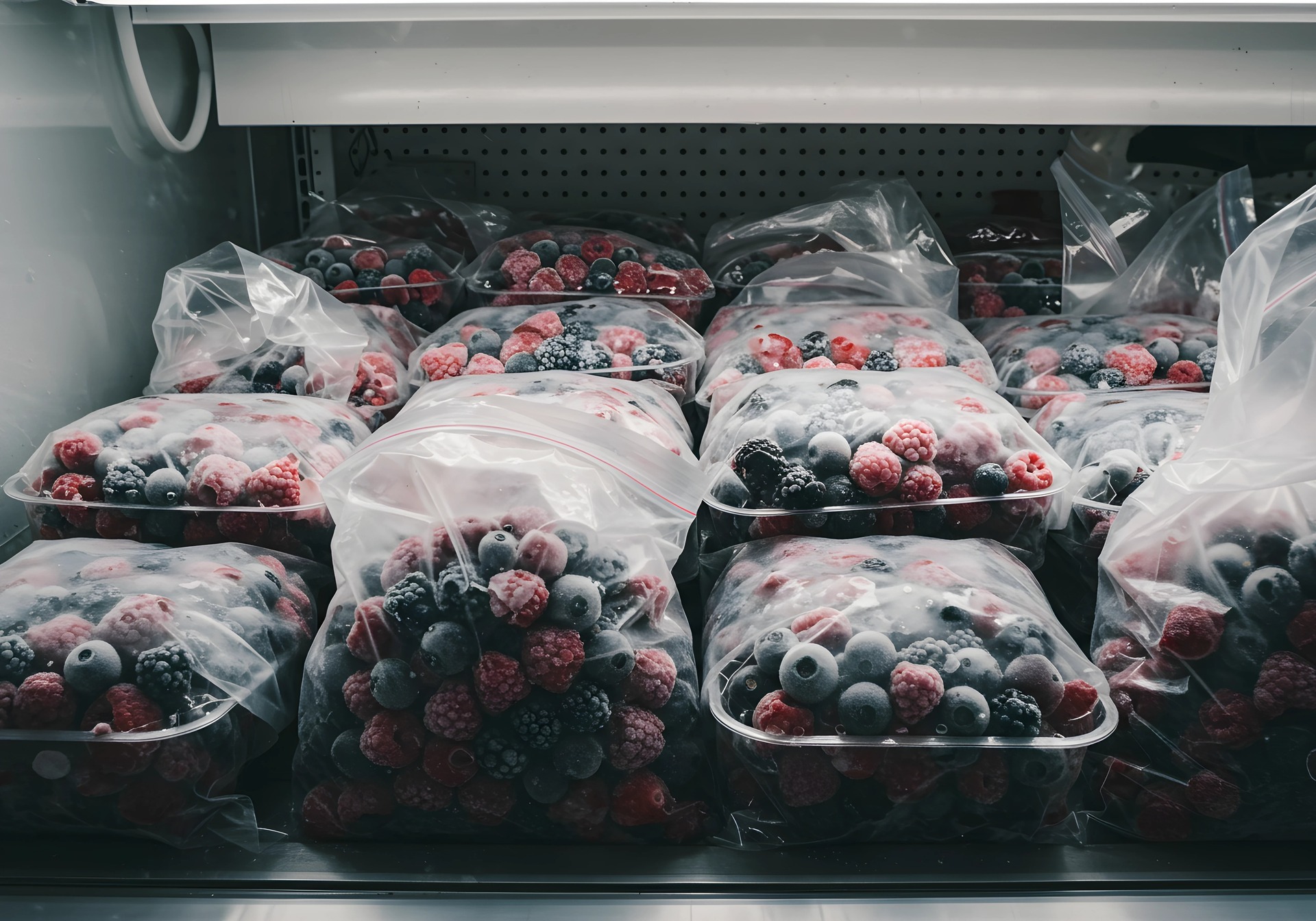
Frozen meals are the ultimate convenience food, but they come with a hefty price tag for your health. These meals are often loaded with sodium, unhealthy fats, and preservatives, which can contribute to weight gain, heart disease, and high blood pressure. If you want a healthier alternative, consider prepping and freezing your own meals using fresh, whole ingredients.
The Sugar-Rich Trap
Tropical fruit juices like mango, pineapple, and coconut juice may seem like a healthy option, but they’re often loaded with sugar and artificial additives. These juices can cause rapid blood sugar spikes and contribute to weight gain. Stick to whole fruits or make your own juice at home to control the ingredients and sugar content.
The Condiment That’s Worse Than You Think
Ketchup may be a beloved condiment, but it’s packed with sugar and high-fructose corn syrup. These added sugars can wreak havoc on your blood sugar levels and contribute to weight gain. If you want to enjoy ketchup without the guilt, make your own at home using fresh tomatoes, herbs, and minimal sugar.
The Hidden Estrogenic Risk
Soy has long been touted as a healthy protein source, but its high levels of phytoestrogens can disrupt your hormones. These estrogen-like compounds can cause hormone imbalances, weight gain, and potentially increase the risk of breast cancer.
If you’re looking for a plant-based protein, consider alternatives like lentils, chickpeas, or quinoa instead of relying on soy.
Why This Matters
The foods we’re often told are healthy can carry hidden risks that many people aren’t aware of. These so-called “healthy” choices could be doing more harm than good, leading to chronic health problems, weight gain, and metabolic damage. By understanding the dangers of these foods, you can make informed choices that better support your long-term health.
FAQ
1. Why are vegetable oils so bad for you?
Vegetable oils are high in omega-6 fatty acids, which promote inflammation. This inflammation can increase the risk of heart disease, diabetes, and other chronic health problems.
2. Are granola bars really that bad for you?
Yes, many commercial granola bars contain added sugars, unhealthy fats, and preservatives, which can cause blood sugar spikes and contribute to weight gain.
3. Is diet soda worse than regular soda?
In many ways, yes. While diet soda contains no sugar, artificial sweeteners may stimulate cravings and increase your appetite, leading to overeating and potential weight gain.