Frozen foods are a cornerstone of modern convenience, allowing households to stock nutritious meals, vegetables, meats, and desserts for extended periods. They save time, reduce waste, and make it possible to access out-of-season produce or fully prepared meals at any moment. However, beneath the convenience and extended shelf life lies a series of hidden dangers that many consumers fail to recognize.
These risks range from nutritional degradation and chemical exposure to foodborne pathogens and overreliance on processed convenience foods. Understanding these hazards is essential for anyone who relies heavily on frozen foods to maintain a balanced, healthy diet.
Significant Nutrient Depletion in Frozen and Processed Foods
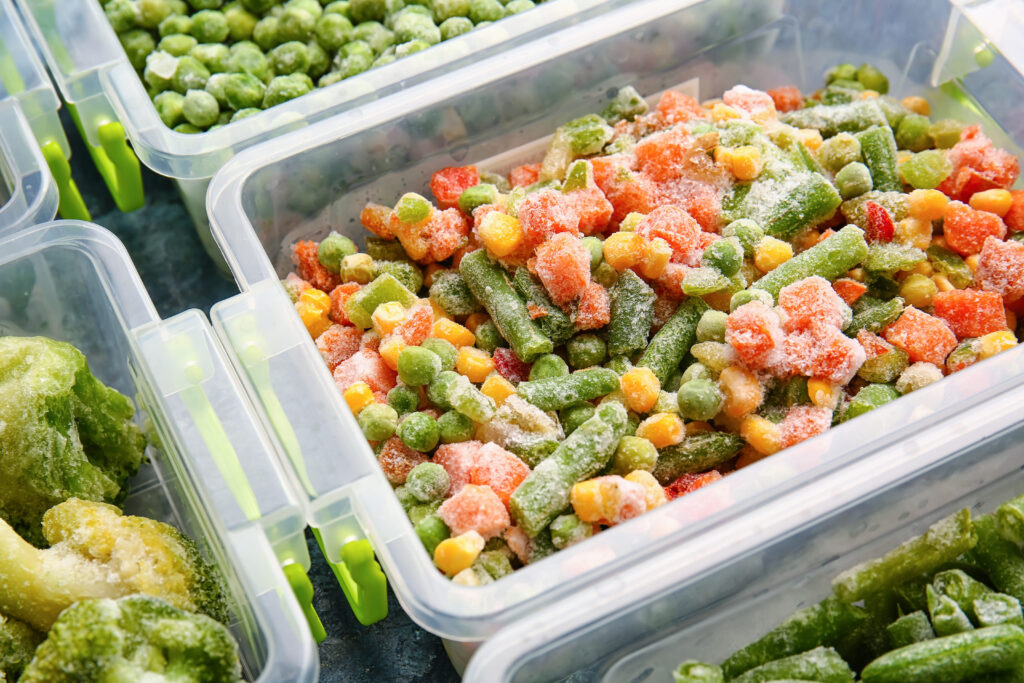
Freezing can preserve many essential nutrients, but the process is not foolproof, especially for processed or pre-cooked frozen meals. Vegetables and fruits are often blanched before freezing to deactivate enzymes and prevent spoilage. While blanching extends shelf life, it also depletes water-soluble vitamins such as vitamin C, folate, and B vitamins. Ready-to-eat frozen meals often combine multiple ingredients that have undergone varying levels of processing, further reducing their overall nutrient density. Proteins in frozen meats and seafood can lose structural integrity during repeated freezing and thawing, slightly altering their amino acid profiles and thereby impacting muscle repair, immune function, and metabolic efficiency.
The hidden impact of these losses becomes more significant when frozen meals are used as a primary source of nutrition rather than a supplement to fresh, whole foods. Relying exclusively on frozen, highly processed meals can lead to chronic micronutrient deficiencies that subtly affect energy levels, immunity, and long-term wellness.
Bacterial Contamination Risks Despite Freezing
Frozen foods are often perceived as inherently safe, but pathogens can survive in frozen conditions if products are mishandled or stored improperly. Listeria monocytogenes and Salmonella are particularly concerning in ready-to-eat frozen meals, seafood, and pre-cooked meats. Listeria can persist at freezing temperatures and poses severe risks for pregnant women, infants, and immunocompromised individuals, potentially causing life-threatening infections.
Temperature fluctuations in home freezers caused by frequent opening, overloading, or intermittent power outages create conditions that enhance bacterial survival. Thawing frozen foods at room temperature exacerbates this risk, allowing bacteria to proliferate quickly. Safe handling requires consistent storage at proper freezer temperatures, controlled thawing methods, and adherence to cooking instructions to minimize exposure to harmful microorganisms.
Excessive Sodium and Preservatives in Packaged Frozen Foods
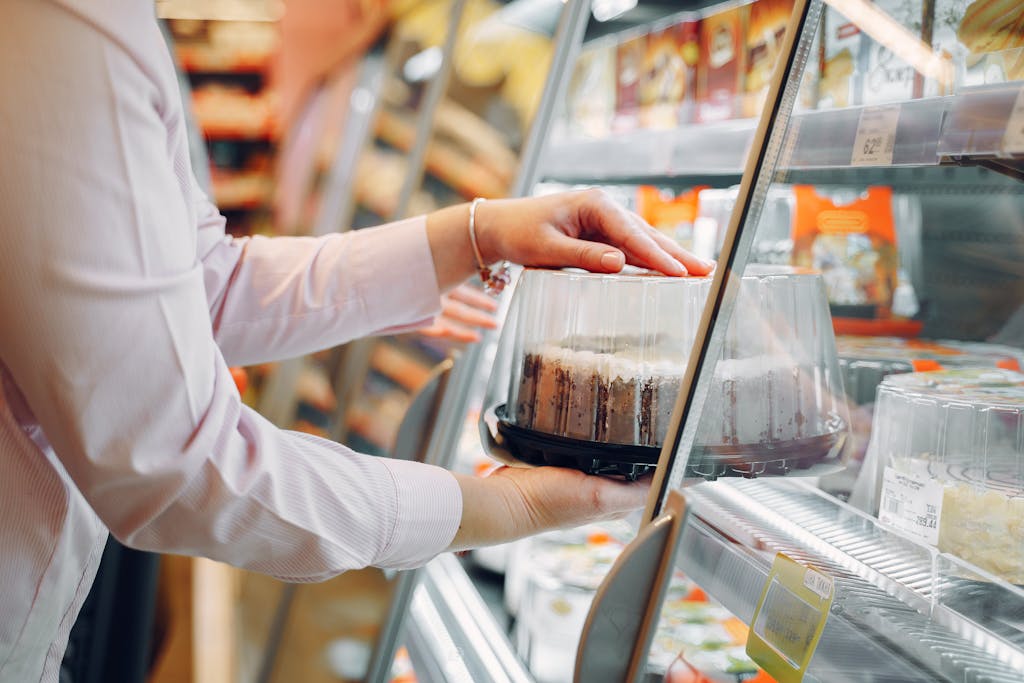
Many frozen foods, particularly ready-to-eat meals, pizzas, and processed meats, are heavily laden with sodium and chemical preservatives. High sodium intake is a well-established risk factor for hypertension, cardiovascular disease, and kidney strain, while preservatives such as sodium nitrite, BHT, and artificial colors are linked to digestive irritation and potential long-term health risks. Consumers may assume that frozen meals labeled as “healthy” or “balanced” are low in sodium, yet hidden amounts can accumulate across multiple meals in a single day, pushing daily intake beyond safe limits.
The impact of these additives is often underestimated because frozen foods are consumed for convenience rather than nutrition. Over time, the routine consumption of high-sodium, preservative-rich meals can quietly strain the cardiovascular system and contribute to metabolic imbalance, making careful label reading and portion control critical.
Hidden Sugar Content and Its Impact on Metabolic Health
Frozen meals, desserts, and pre-packaged snacks often contain added sugars that are difficult to identify without careful label examination. These sugars contribute to rapid blood glucose spikes, insulin resistance, and long-term metabolic strain. Many frozen fruits, smoothies, and breakfast options also contain syrups or other sweeteners that increase their calorie content without providing meaningful satiety.
Chronic consumption of hidden sugars in frozen foods can exacerbate weight management challenges, disrupt appetite regulation, and increase the risk of type 2 diabetes. Being mindful of sugar content and choosing frozen items without added sweeteners helps maintain metabolic balance and prevents cumulative harm over time.
Chemical Migration from Packaging Materials
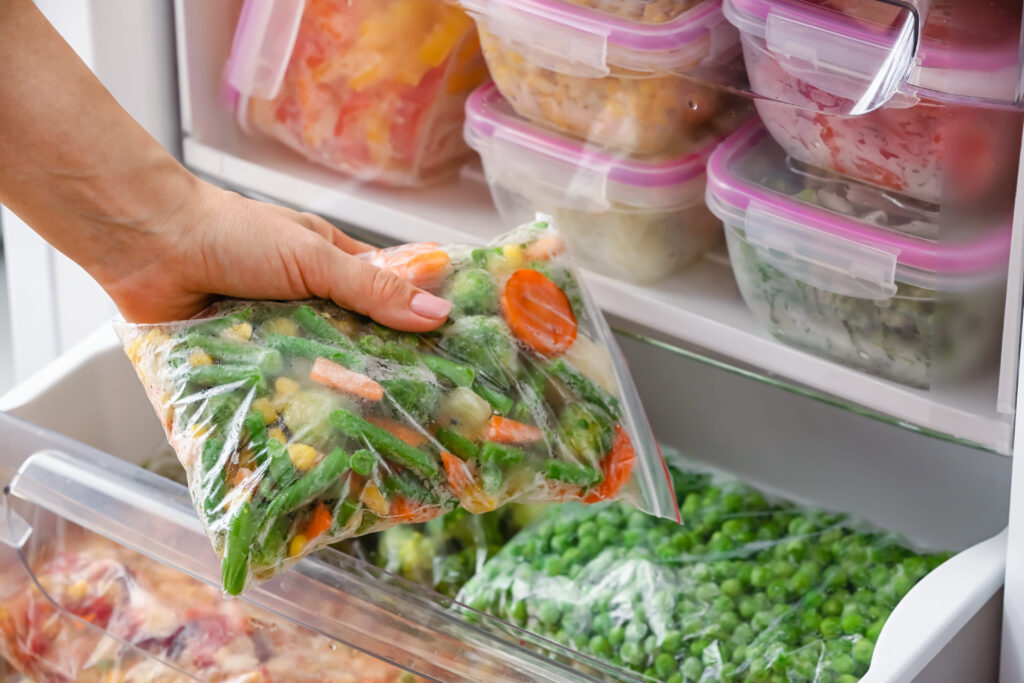
Frozen foods are packaged in plastics, trays, and films that are designed to withstand freezing and maintain integrity. However, certain materials contain bisphenol A (BPA), phthalates, or polystyrene compounds, which can migrate into foods, particularly when heated during microwaving or reheating. These chemicals are known endocrine disruptors and have been linked to hormonal imbalances, reproductive issues, and metabolic disorders.
Even containers labeled microwave-safe may release trace amounts of chemicals when exposed to fatty foods, acidic sauces, or high temperatures. Consumers often overlook this subtle form of exposure, assuming that frozen food packaging is completely inert. Choosing BPA-free or paper-based alternatives and limiting direct heating of packaged frozen meals mitigates these risks without eliminating the convenience of frozen products.
Overconsumption and Poor Dietary Patterns
The convenience of frozen foods can encourage overreliance on processed and pre-packaged meals, subtly reshaping dietary patterns in ways that undermine health. Frequent consumption of ready-to-eat frozen meals is often associated with low fiber intake, high saturated fat intake, and insufficient hydration, all of which contribute to digestive disorders, weight gain, and metabolic disruption. Frozen desserts, pastries, and sugary snacks exacerbate these effects by spiking blood sugar, promoting cravings, and interfering with appetite regulation.
Long-term reliance on frozen convenience meals can also alter gut microbiota, increase systemic inflammation, and impair nutrient absorption, thereby amplifying the risks of chronic diseases such as type 2 diabetes, cardiovascular disease, and obesity. Integrating fresh vegetables, fruits, whole grains, and lean proteins alongside frozen options is critical for maintaining balanced nutrition and avoiding hidden metabolic consequences.
Texture and Quality Changes Affecting Consumption
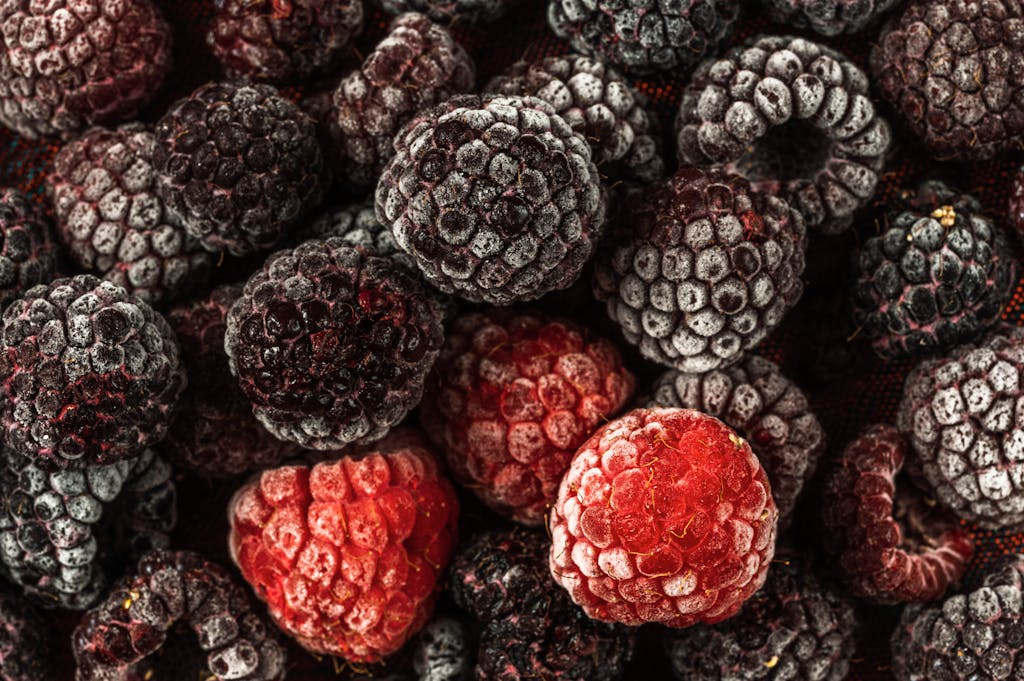
Freezing and storage conditions can impact the texture, flavor, and structural integrity of frozen foods. Ice crystal formation within proteins, fruits, and vegetables can damage cell walls, resulting in mushy textures, liquid separation, and altered taste. While these changes may appear minor, they can reduce the palatability and nutritional appeal of meals, sometimes leading consumers to add excessive salt, sauces, or fats to compensate.
Repeated freezing and thawing cycles, often seen in partially used packages, further degrade quality and may even increase exposure to pathogens if the food is not properly refrozen. Maintaining optimal freezer conditions, minimizing temperature fluctuations, and consuming foods promptly after thawing are essential to preserving both quality and safety.
Conclusion
Frozen foods offer convenience and accessibility, but their hidden dangers cannot be ignored. Nutrient depletion, excessive sodium intake, preservatives, bacterial contamination, chemical migration, overreliance on processed foods, and hidden sugars each pose unique risks to long-term health. By reading labels carefully, prioritizing whole minimally processed frozen items, storing foods safely, and balancing frozen meals with fresh ingredients, we can enjoy the practicality of frozen foods without compromising nutrition or wellness. Thoughtful selection, proper handling, and mindful consumption allow frozen foods to complement a healthy diet rather than undermine it.