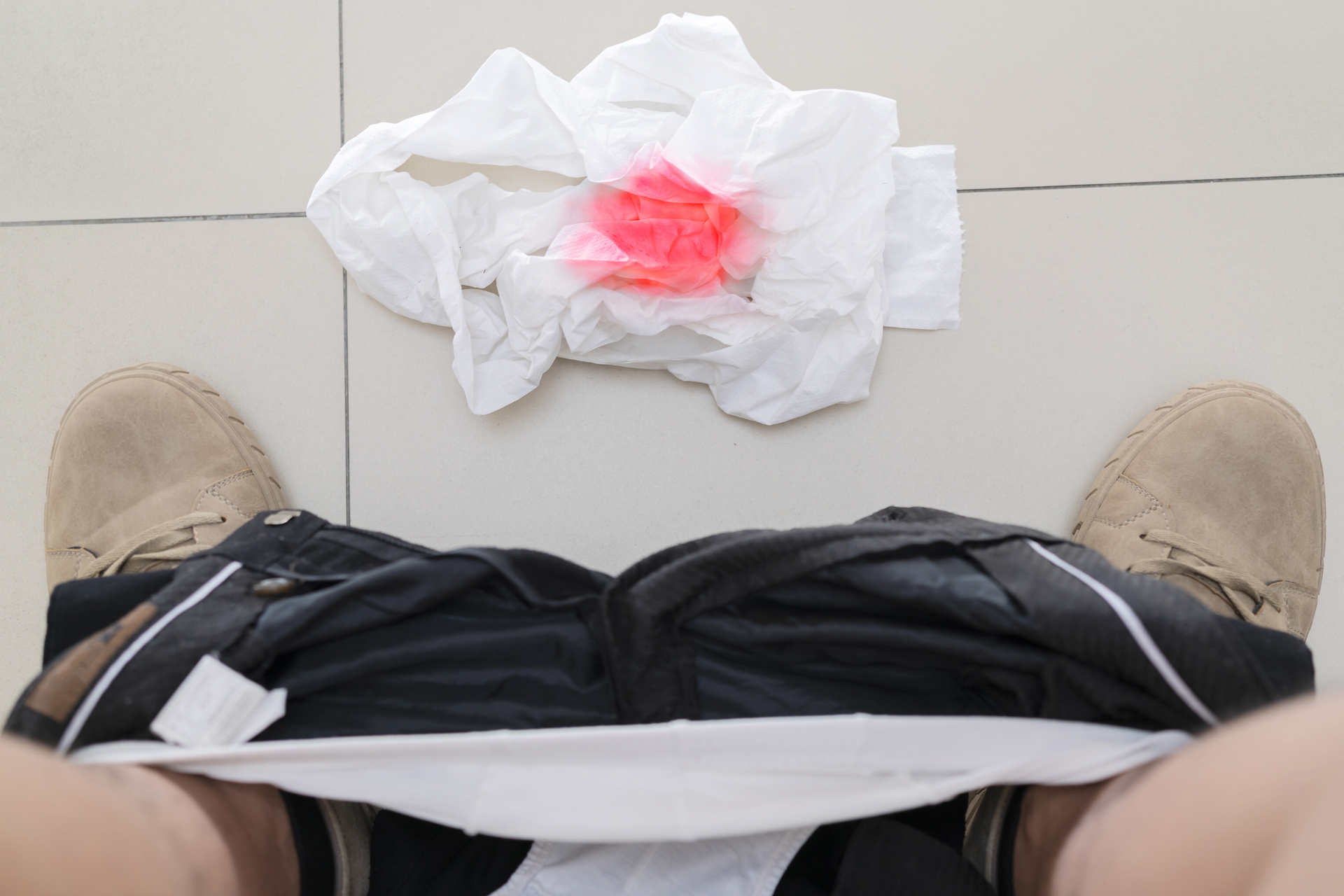
A strange change in your urine may not feel like a big deal. You may flush, wash your hands, and move on with your day. But one quiet sign, especially foamy urine that keeps coming back, can be your body whispering that your kidneys need help.
Kidney disease is scary because it often moves quietly. Many people do not feel sick at first. The National Institute of Diabetes and Digestive and Kidney Diseases says early kidney disease usually has no symptoms, and as many as 9 in 10 adults with chronic kidney disease do not know they have it.
Why Foamy Urine Can Be a Warning Sign
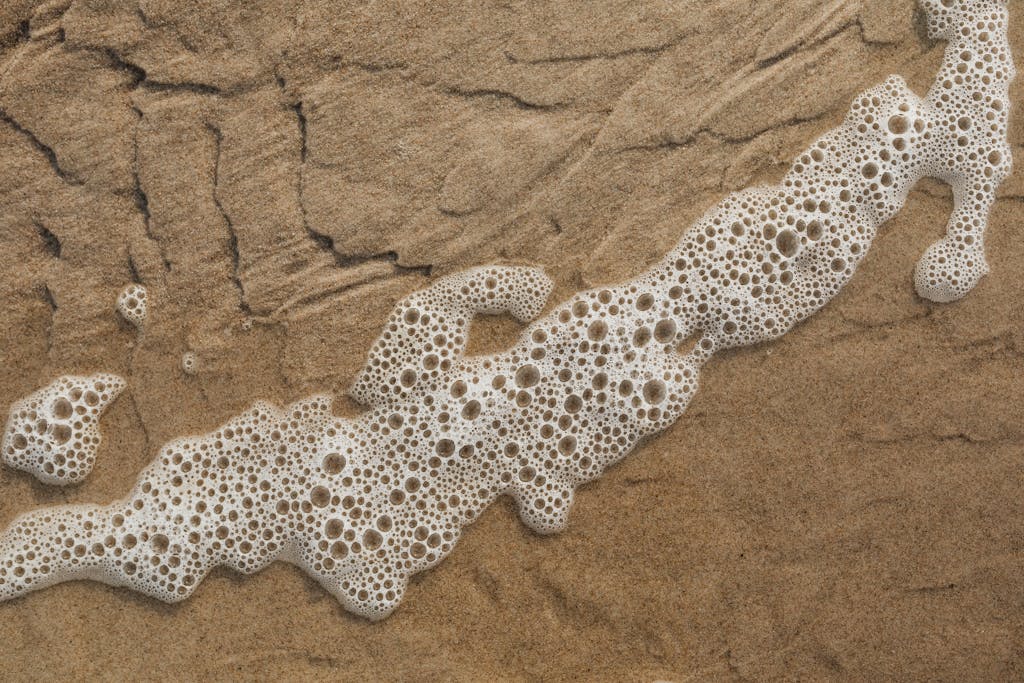
Foamy urine can happen for simple reasons, like peeing fast or being a little dehydrated. That kind of foam often goes away quickly. But foam that keeps showing up can mean something else is going on.
One possible cause is protein in the urine. Your kidneys are supposed to keep the needed protein in your blood. When kidney filters are damaged, protein can leak into the urine. NIDDK explains that damaged kidneys can allow proteins the body needs to pass from the blood into the urine.
Swollen Feet Can Join the Warning
Foamy urine may not come alone. Some people also notice swelling in the feet, ankles, legs, hands, or face. This can happen when the body holds on to extra fluid.
NIDDK describes nephrotic syndrome as a group of symptoms that can include too much protein in urine, low albumin in the blood, swelling, and high blood fats. This does not mean every swollen ankle is kidney disease, but it does mean swelling should not be brushed off if it keeps happening.
The Dangerous Part Is That You May Feel Fine

This is why kidney problems can fool people. You may still go to work, cook dinner, take care of family, and feel mostly normal. Nothing may scream for attention.
That silence is the trap. Kidney disease can get worse for a long time before clear signs show up. The National Kidney Foundation says people with kidney disease may not feel sick or notice symptoms until the disease is advanced.
Your Kidneys Are Like Tiny Cleaning Machines
Think of your kidneys like small cleaners inside your body. They remove waste products from your blood, help regulate fluid balance, and help keep your body balanced. When they stop working well, waste and extra fluid can build up.
The CDC says damaged kidneys may not clean the blood as well as healthy kidneys. This can lead to high blood pressure, heart disease, stroke, and early death if the problem gets worse.
Feeling Tired All the Time Can Be Another Clue
Many adults blame tiredness on age, stress, work, or poor sleep. Sometimes that is true. But deep, ongoing tiredness can also be linked to kidney trouble, especially when it’s accompanied by swelling, changes in urine, nausea, or a poor appetite.
The problem is that these signs can seem ordinary. A person may say, “I’m just getting older,” or “I’ve been busy.” That thinking can delay a checkup that could catch the problem sooner.
Diabetes and High Blood Pressure Raise the Risk
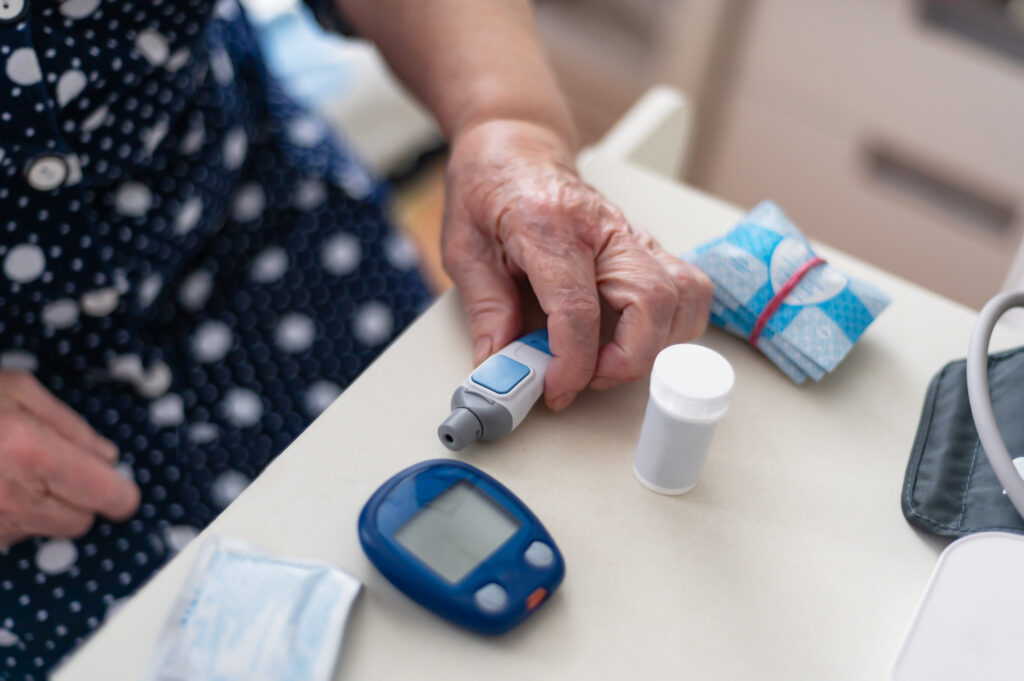
Many adults ignore kidney checks because they think kidney disease happens to someone else. But diabetes and high blood pressure are two major risks. They can hurt the tiny blood vessels and filters inside the kidneys.
NIDDK says diabetes and high blood pressure are the most common causes of chronic kidney disease in adults. High blood sugar can damage the kidneys’ filters, and high blood pressure can damage the blood vessels in the kidneys.
Do Not Wait for Pain
Many people think kidney trouble must cause pain in the back or side. That is not always true. Chronic kidney disease may have no clear pain at first.
Waiting for pain can be a costly mistake. By the time someone feels very sick, the kidneys may already be badly damaged. Mayo Clinic explains that end-stage kidney failure happens when about 85 to 90 percent of kidney function is gone, and treatment such as dialysis or transplant may be needed.
What You Should Do If You Notice This Sign
If foamy urine happens once, do not panic. Drink water and pay attention. But if it keeps happening for days or weeks, or if it comes with swelling, high blood pressure, diabetes, tiredness, nausea, or changes in how often you pee, call a doctor.
Do not try to guess at home. Do not depend on online advice alone. A quick check can tell you far more than worry can.
A Simple Way to Protect Your Kidneys
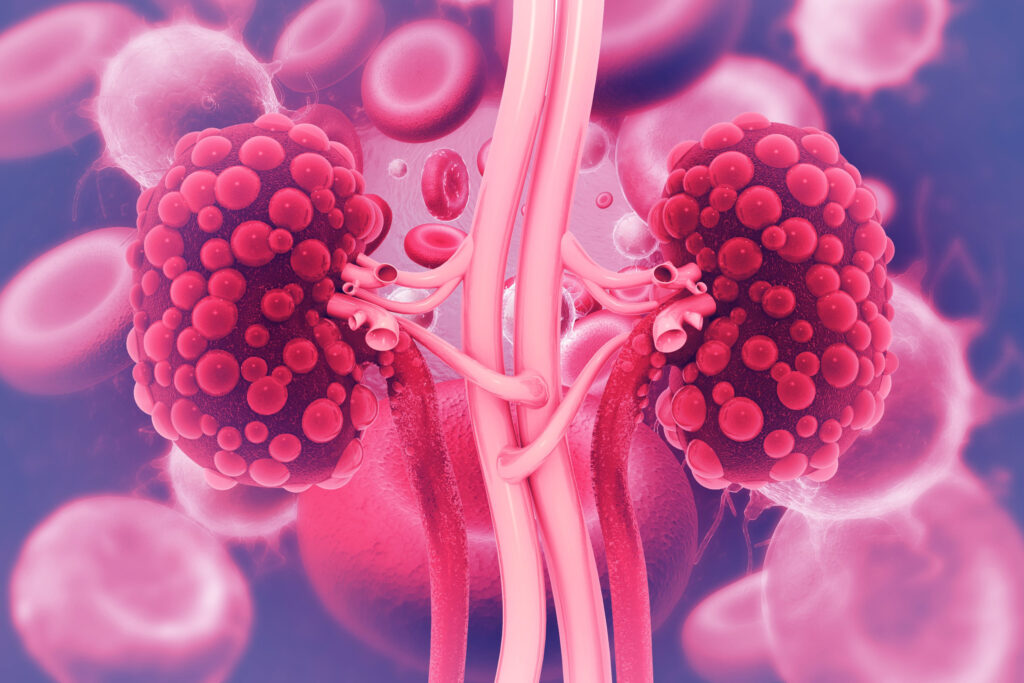
Protecting your kidneys often starts with simple habits. Check your blood pressure. Keep blood sugar under control if you have diabetes. Drink enough water. Use pain medicine only as directed. Go for routine checkups, especially after age 35.
Your kidneys work quietly every day. That is why you must listen when they give even a small sign. Foamy urine may seem like nothing, but if it keeps coming back, it deserves attention.
Conclusion
The silent kidney warning many adults ignore is not always pain. It can be as simple as foam in the toilet that keeps coming back. It can be swollen feet, tiredness, or a feeling of being off without a clear reason.
Your body often whispers before it shouts. Listen early. A simple urine test and blood test may protect your health, your peace, and your future.