Spring cleaning feels like hitting the reset button on your home, but a few small mistakes can quietly undo all your hard work. From streaky windows and scratched floors to lingering dust and hidden germs, these errors make your home look worse, not better. The secret is less about scrubbing harder and more about cleaning smarter. Avoid these pitfalls, and your space will finally feel as fresh, polished, and healthy as it should.
Below are 12 cleaning mistakes secretly ruining your home.
Skipping a Room-by-Room Plan

Many of us dive into spring cleaning without a strategy, bouncing from the bathroom to the kitchen to the living room in a chaotic whirlwind. This aimless approach often leaves multiple rooms half-done, creating more stress than satisfaction.
The smarter method is to focus on one room at a time, working from top to bottom. Start with ceiling fans, high shelves, and light fixtures before moving to furniture, counters, and floors. This way, dust falls only once, and your efforts stack rather than scatter, leaving a clean, organized space in every room.
Spraying Disinfectant on Dirty Surfaces
Disinfectants kill germs, but they do little to remove dust, grease, or sticky buildup. Spraying disinfectant on a grimy counter is like painting over mud; it may kill bacteria temporarily, but the mess remains. Always clean surfaces first with appropriate cleaners, then disinfect high-touch areas such as doorknobs, faucet handles, light switches, and remote controls.
Following this sequence ensures your home is both visibly clean and actually hygienic.
Using Paper Towels for Everything
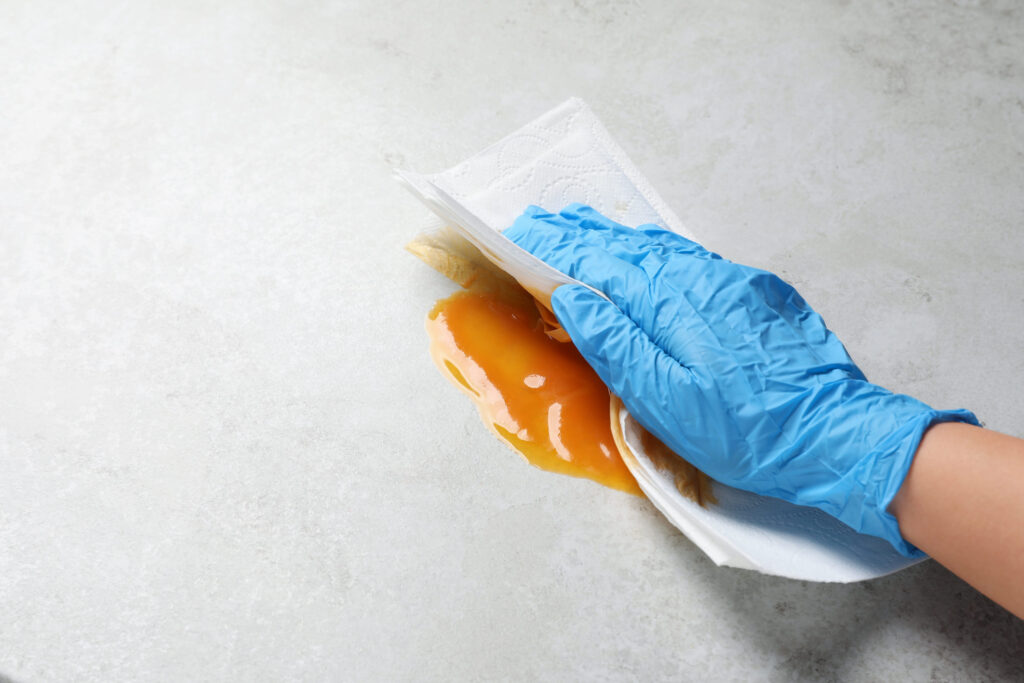
Paper towels may feel like the fastest option, but they often leave streaks, lint, and even small shreds behind, especially on textured surfaces or glass. Microfiber cloths, on the other hand, trap dust, grease, and liquids rather than pushing them around.
They’re reusable, more environmentally friendly, and deliver a cleaner, streak-free finish. For windows, mirrors, counters, and even electronics, swapping paper towels for microfiber is one of the simplest ways to upgrade your spring cleaning routine.
Treating Vinegar Like a Universal Cleaner
Vinegar has earned a reputation as a natural, chemical-free cleaning solution, but it is far from universal. Its acidity can dull stone, damage grout, warp hardwood, and corrode certain metals. While vinegar is great for descaling kettles, tackling hard water spots, and cleaning some glass surfaces, using it indiscriminately risks permanent damage.
Always check surface compatibility and pair vinegar with pH-neutral cleaners for delicate areas to protect your home while still getting the cleaning power you need.
Dusting With the Wrong Tools
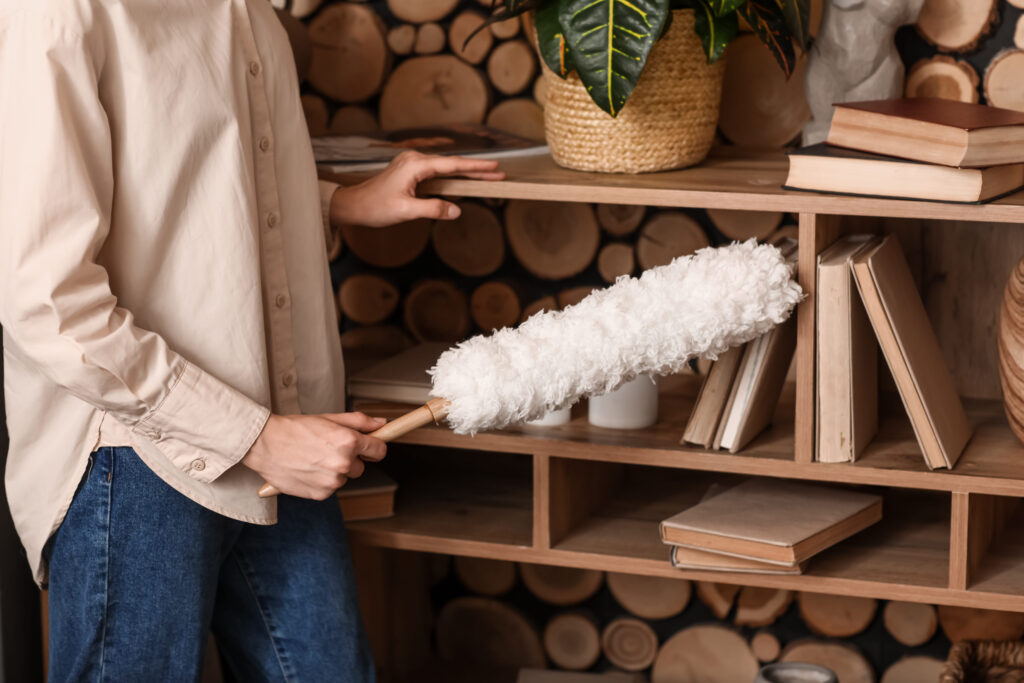
Not all dusters are created equal. Feather dusters, old rags, and dry cloths often just move dust from one spot to another, leaving particles to float in the air and settle later. Microfiber dusters trap dust effectively, and extendable versions let you safely reach ceiling fans, vents, and tall shelves.
After dusting, a vacuum with attachments can pick up what falls to the ground, giving your home a cleaner feel that lasts longer rather than just giving the illusion of tidiness for a few minutes.
Starting With Floors
Floors are tempting because they show immediate results, but cleaning them too early creates double work. Dust and debris from shelves, furniture, and countertops will inevitably land on the floor after you clean it.
A top-to-bottom approach, dusting high areas, wiping surfaces, cleaning furniture, and vacuuming or mopping only then, ensures floors stay clean longer and reduces frustration from repeatedly retracing steps.
Using Too Much Cleaner
It’s tempting to think more product equals better results, but overusing cleaning solutions often leaves sticky residue that attracts dirt and dulls surfaces. Spray lightly, follow label instructions, and rinse when necessary.
Proper application ensures a streak-free, residue-free finish that keeps rooms looking polished without creating extra cleaning work later.
Using Dirty Tools
Dirty cleaning tools spread dirt and bacteria instead of removing them. A grimy mop head, clogged vacuum, or dusty microfiber cloth can undo all your efforts in minutes. Before starting your deep clean, inspect your tools, wash cloths separately, rinse mop heads, empty vacuum bags, and replace worn brushes or sponges.
Clean tools make every swipe and scrub count, preventing hidden grime from sabotaging your hard work.
Steam Mopping Hardwood
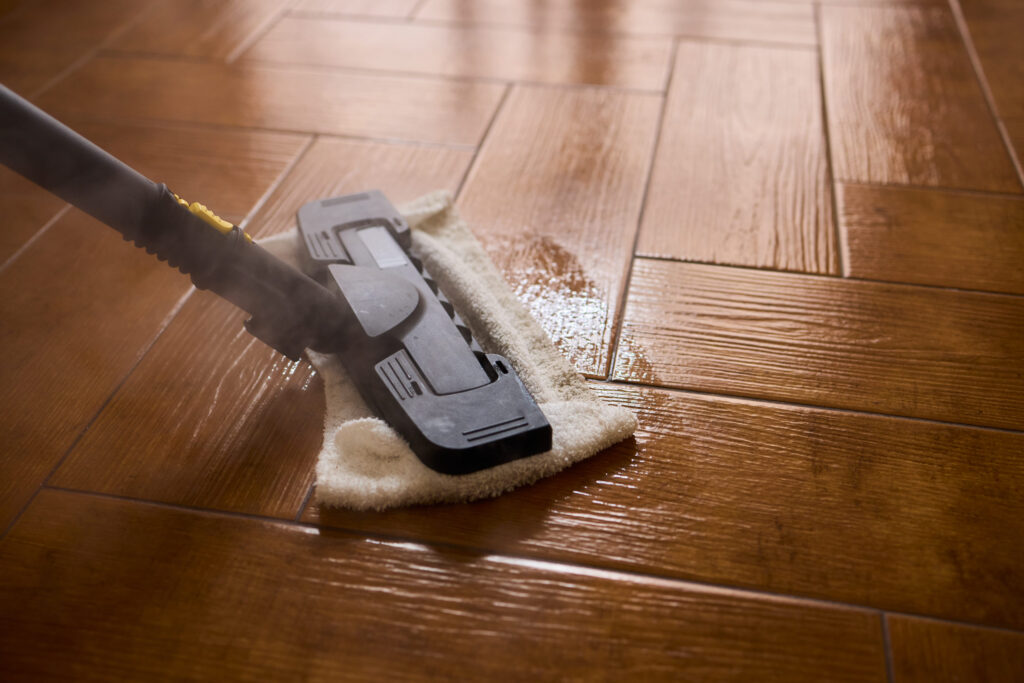
Steam mops promise fast, deep cleaning, but hardwood floors are especially vulnerable to heat and moisture. Excessive steam can seep into seams, warp boards, and cloud the finish. Instead, opt for a slightly damp microfiber mop with a wood-safe cleaner.
This method cleans effectively while protecting your flooring investment and preventing costly water damage that could undo months of maintenance.
Forgetting Soft Surfaces
Soft surfaces like rugs, curtains, pillows, sofas, and mattresses often go unnoticed, yet they harbor dust, pet dander, and odors that make a room feel less clean. Vacuum upholstery, wash removable covers, launder curtains, and freshen bedding.
Ignoring these surfaces leaves your home feeling dusty and stale, even after every countertop shines. Soft-surface cleaning is essential for a truly fresh, healthy environment.
Ignoring Hidden Dust Zones
High shelves, vents, ceiling fans, blinds, and appliance tops are common culprits for lingering dust. When left untouched, these zones deposit particles back onto already-cleaned areas.
Target these hidden spots first, then work downward to counters, furniture, and floors. This approach traps dust at its source, leaving your home cleaner for longer.
Overusing Abrasive Cleaners

Abrasive cleaners like powders, rough sponges, and gritty scrubs can leave scratches on stainless steel, glass, laminate, acrylic, and painted surfaces. While tempting for tough stains, they often cause more damage than good, dulling finishes and leaving permanent marks.
Start with gentler methods like microfiber cloths, soft sponges, or mild cleaners. If abrasive products are necessary, test them in a hidden area first and apply minimal pressure to avoid ruining delicate surfaces.
Conclusion
Spring cleaning is about strategy, not frantic scrubbing. The biggest mistakes come from rushing, using the wrong products, cleaning in the wrong order, or trusting one tool to handle everything. By decluttering first, cleaning top to bottom, using the right tools, and protecting delicate surfaces, your home will feel fresher, healthier, and easier to maintain. Avoid these common errors, and spring cleaning can finally leave your space sparkling without the frustration.