Disinfecting wipes are a household staple, but misusing them can cause serious damage to your belongings and even create safety hazards. While they’re perfect for nonporous surfaces like countertops and doorknobs, many common items react poorly to the chemicals in these wipes. From delicate electronics to luxury leather goods, here’s a comprehensive guide to 12 things you should never wipe with disinfecting products, along with safer alternatives.
Leather Bags and Upholstery
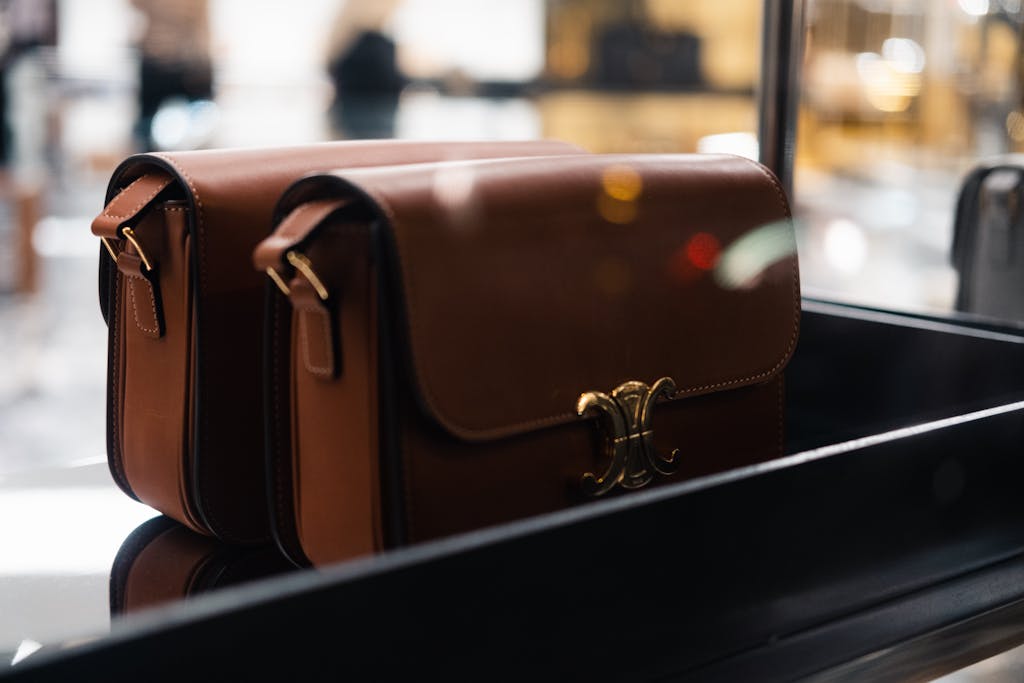
Disinfecting wipes often contain alcohol and ammonia, which can strip leather of its natural oils, causing it to dry, crack, and lose its luster.
Using wipes repeatedly on your leather furniture or car seats accelerates wear and can permanently damage expensive items. Instead, clean leather with a mild soap and water solution, or invest in a high-quality leather cleaner and apply it sparingly with a soft cloth.
Granite and Stone Countertops
Granite and other natural stones are sealed to protect against stains, but the acidic components in disinfecting wipes can erode this seal over time.
Repeated exposure can leave surfaces vulnerable to discoloration, scratches, and permanent etching. For daily cleaning, warm water and mild dish soap are safest, with occasional use of a specialized stone-safe disinfectant when necessary.
Eyeglasses and Lenses
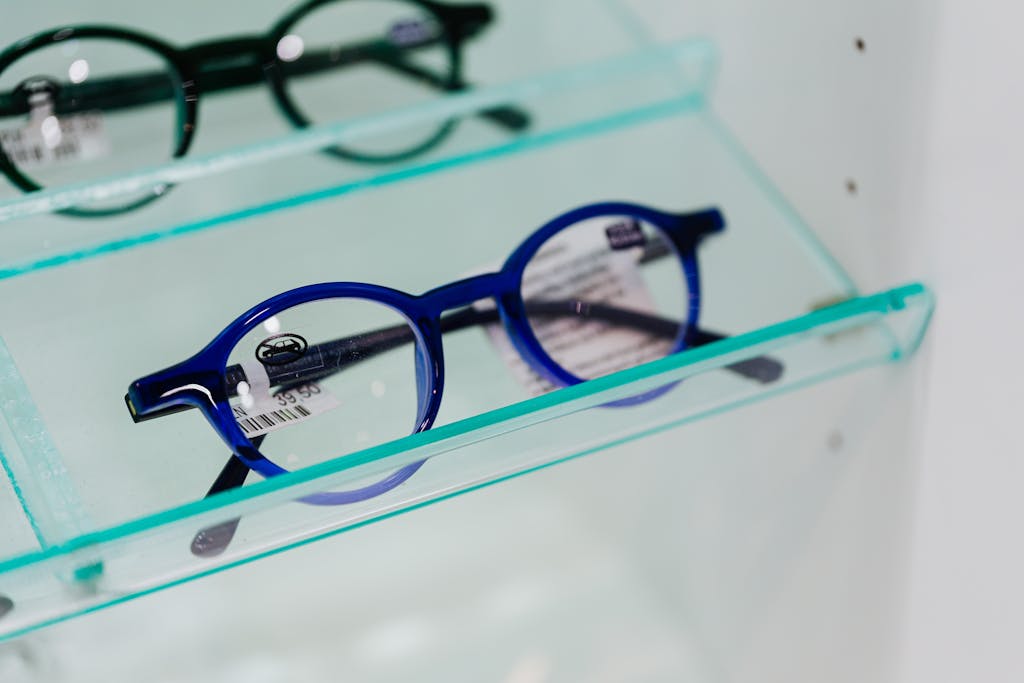
Disinfecting wipes can strip anti-reflective and scratch-resistant coatings from eyeglasses and camera lenses. Alcohol-based cleaners may create micro-abrasions, fogging, or permanent damage.
Clean your glasses with a drop of mild dish soap and warm water, or use a lens-specific cleaner applied with a microfiber cloth, to maintain clarity and coating integrity.
Delicate Jewelry
Pearls, opals, emeralds, and other soft stones are highly susceptible to alcohol and ammonia, which can cause discoloration or surface damage.
Wipes can also weaken glued settings and delicate metalwork. Use a damp cloth or specialized jewelry cleaner, and for valuable pieces, consider professional cleaning to maintain their shine and durability.
Toilets (Only the Seat and Exterior)
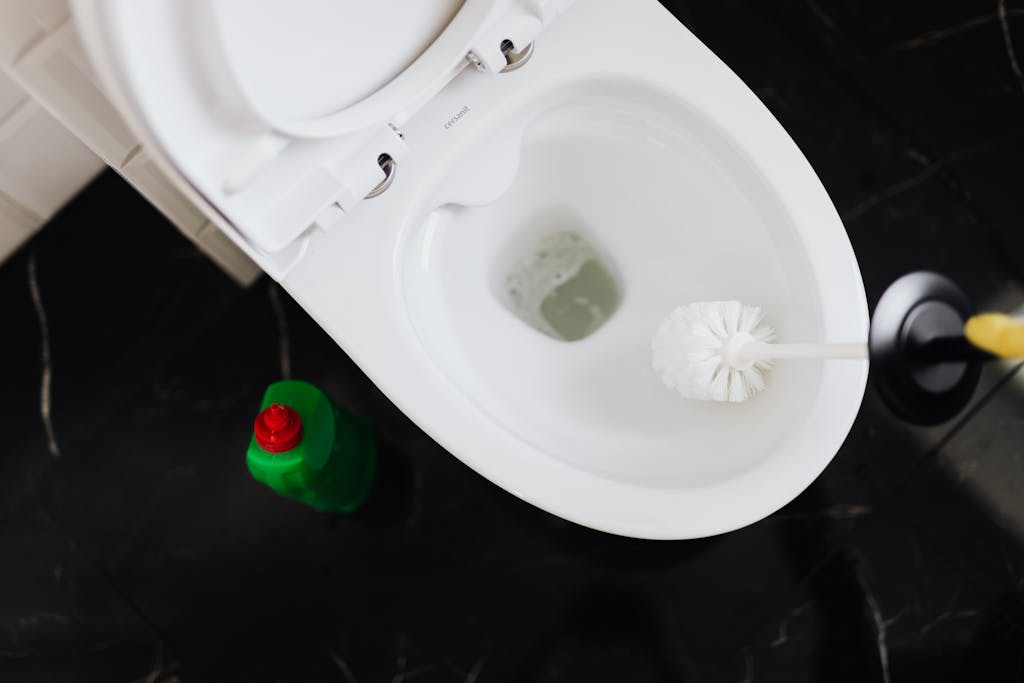
While disinfecting wipes are convenient for cleaning the toilet seat or exterior surfaces, flushing them can cause a major plumbing hazard. Unlike toilet paper, wipes do not dissolve and can clog drains, leading to expensive repairs.
Dispose of used wipes in the trash and reserve flushable materials for plumbing-safe items only.
Delicate Clothing and Fabrics
Wipes are abrasive and contain chemicals that can fade colors, weaken fibers, or damage synthetics like acrylic and acetate. For spot cleaning on clothing, use a portable stain remover or hand wash gently with mild detergent and cool water.
Avoid applying disinfecting wipes directly to fabrics to preserve their texture and color longevity.
Smartphone Screens and Electronics
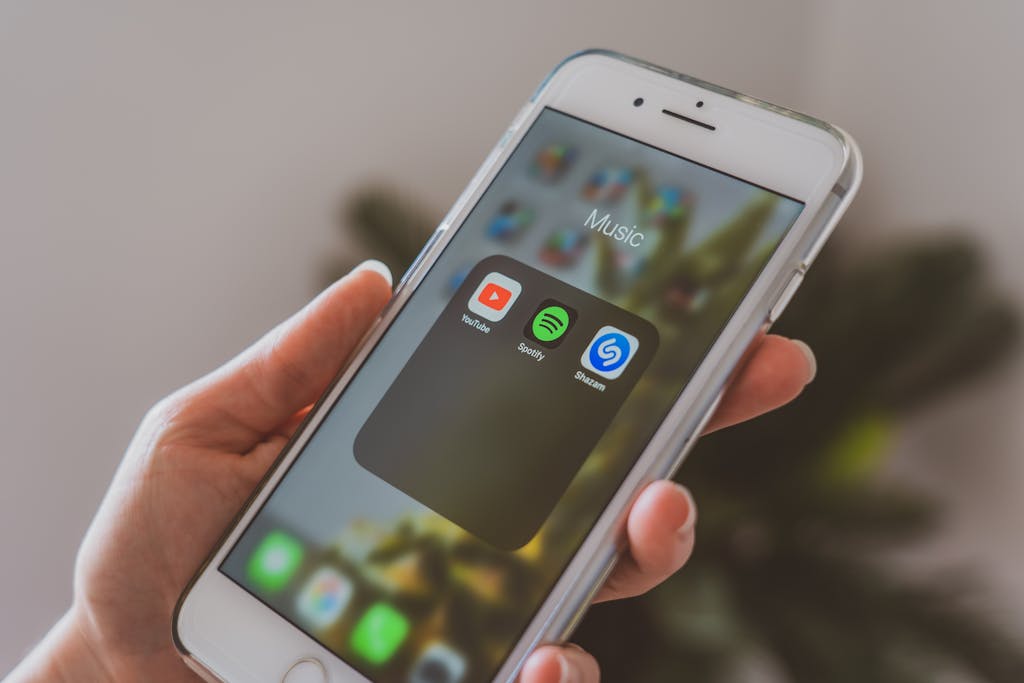
Alcohol in disinfecting wipes can degrade screen coatings, leading to fogging, streaking, or permanent dullness. Excess moisture can also seep into charging ports or speaker openings, potentially causing electronics to malfunction.
Instead, use a microfiber cloth lightly dampened with water, or a dedicated electronic screen cleaner, for safe, effective sanitation.
Fresh Produce
Never apply disinfecting wipes to fruits or vegetables. The chemicals in wipes are toxic if ingested and can cause vomiting or other health issues. To clean produce, simply rinse under running water, scrub with a brush if needed, and use a vinegar solution for tougher residues.
Unfinished Wood Furniture and Flooring
Unfinished wood acts like a sponge, absorbing disinfecting solutions that can warp, swell, or crack the surface. For unsealed wood, use dry dusting, a soft brush, or a vacuum to remove debris.
If needed, a slightly damp cloth with a minimal amount of wood-safe cleaner will keep surfaces clean without risking damage.
Fabric Upholstery and Carpets
Wipes are ineffective on porous materials and can leave stains or discoloration. Regular vacuuming, spot cleaning with a mild detergent, or professional carpet-cleaning services are more effective for sanitizing soft surfaces.
Avoid any chemical-heavy wipes that can compromise fabric integrity or color.
Dishes and Food Storage Containers
Applying disinfecting wipes to plates, bowls, or storage containers is unsafe because the residue can transfer to food, potentially leading to ingestion of harmful chemicals. Wash all food-contact surfaces with hot water, antibacterial dish soap, or sanitize with a bleach-water solution.
Smartphones and Device Ports

Although some manufacturers approve wiping outer surfaces of electronics, caution is critical. Use disinfecting wipes sparingly on hard exteriors, avoid openings, and follow with a dry microfiber cloth. For devices with sensitive screens, dedicated electronic wipes or water-based solutions are the safest option.