Medication is supposed to help the body heal, calm symptoms, control disease, and keep small problems from becoming frightening ones. Yet the same bottle that brings relief can also cause trouble when we take it the wrong way, mix it carelessly, store it badly, or stop it too soon. The danger is that most medication mistakes do not look dramatic at first. They look like ordinary habits.
We skip one dose because life gets busy. We double the next one because we feel guilty. We take a cold medicine without checking what is inside. We keep old antibiotics in a drawer “just in case.” We store tablets in the bathroom, share painkillers with a relative, or assume supplements are harmless because the label says natural.
That is where the problem begins. Medicine safety is not about fear. It is about respect. Every pill, syrup, cream, injection, inhaler, or supplement deserves the right timing, the right dose, the right storage, and the right conversation with a doctor or pharmacist.
Here are nine common medication mistakes that can quietly turn treatment against you.
Skipping Doses and Pretending It Does Not Matter
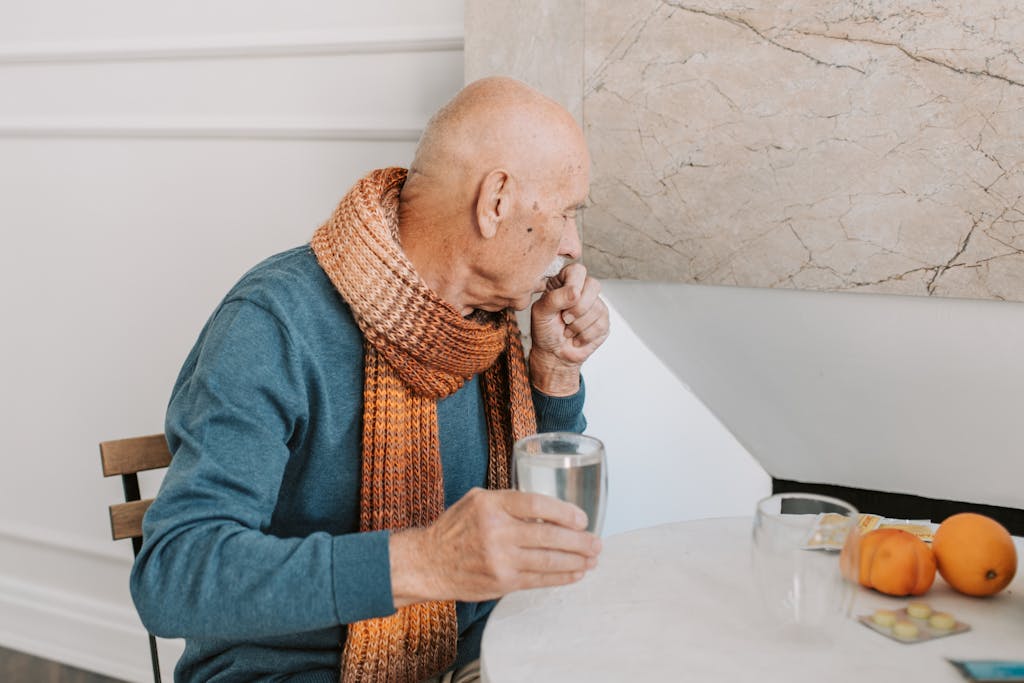
One missed dose may not seem serious, especially when the medicine is for a long term condition that does not cause obvious symptoms every day. Blood pressure may not hurt. High cholesterol may not announce itself. Diabetes may feel quiet for a while. That silence can trick people into thinking missed doses are harmless.
The problem is that many medicines work best when they stay at steady levels in the body. Skipping doses can make treatment less effective, allow symptoms to return, or create confusion about whether the medicine is working. If a doctor changes a dose based on poor results, but the real issue is missed doses, the treatment plan may move in the wrong direction.
The safer habit is to build a routine around the medicine instead of relying on memory alone. We can use a pill organizer, phone alarm, calendar, medication app, or a simple habit link such as taking medicine after brushing teeth. If doses are often missed because of cost, side effects, forgetfulness, or a complicated schedule, that is not something to hide. It is something to tell the pharmacist or doctor so the plan can be adjusted.
Taking a Double Dose After Missing One
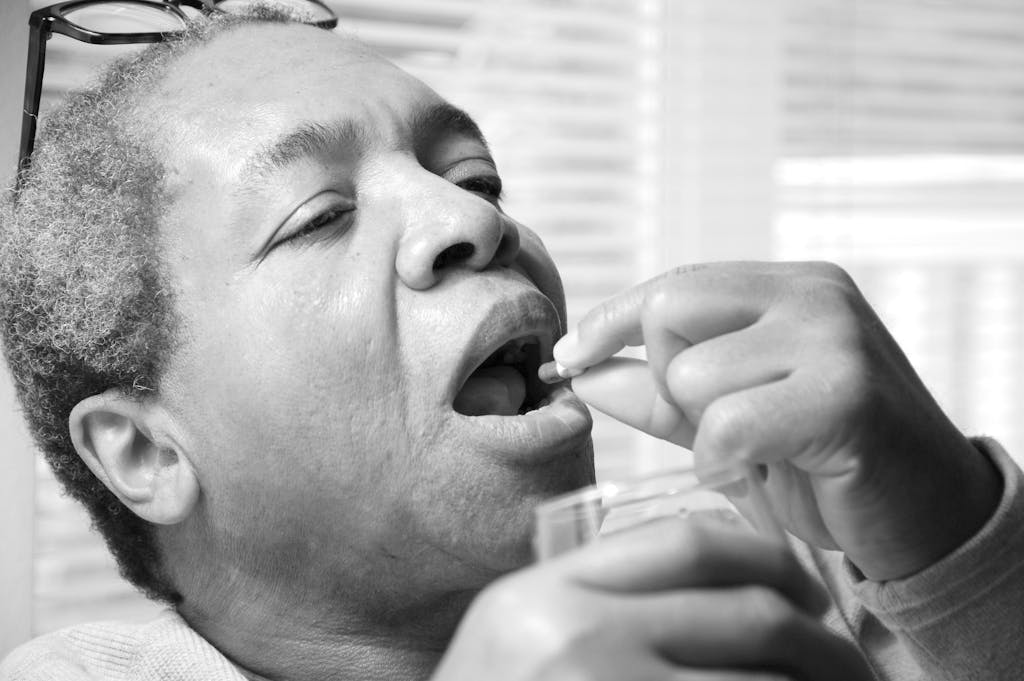
Many people panic after forgetting a dose and try to “catch up” by taking extra medicine. This can be risky. Some medications may be tolerated if taken late, while others can cause harm if doubled. Blood pressure drugs, diabetes medicines, blood thinners, sedatives, seizure medicines, pain medicines, and heart medications can become dangerous when taken incorrectly.
The bigger mistake is assuming every missed dose should be handled the same way. It depends on the medication, how late the dose is, how often the medicine is taken, and why it was prescribed. A safe answer for one drug may be unsafe for another.
The best approach is to ask in advance. When starting any new medicine, we should ask, “What should I do if I miss a dose?” That one question can prevent fear, guessing, and dangerous catch up dosing. If the instructions are unclear, call the pharmacy. Guessing with medication is not confidence. It is gambling with the body.
Mixing Prescriptions, OTC Drugs, and Supplements Without Asking
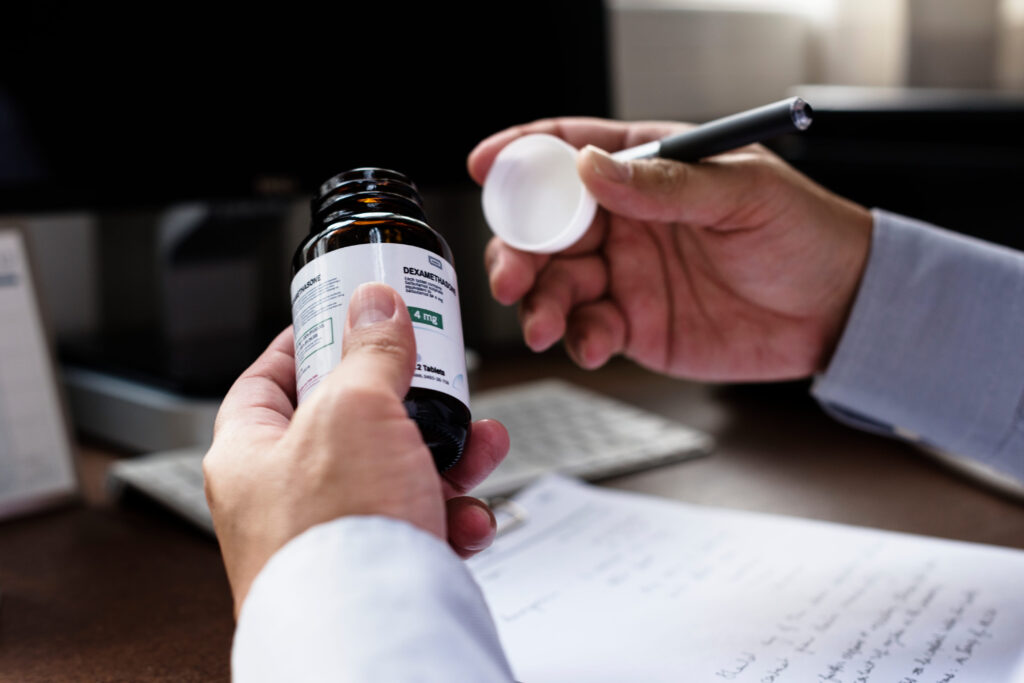
One of the most dangerous medication mistakes happens outside the prescription bottle. People often combine prescription drugs with over the counter medicines, vitamins, herbal products, teas, powders, sleep aids, cold remedies, painkillers, and energy products without telling anyone. They assume that if something can be bought without a prescription, it cannot cause a serious problem.
That assumption is wrong. Over-the-counter medicines can interact with prescriptions. Supplements can affect bleeding risk, blood pressure, blood sugar, sedation, liver function, and how certain medicines work. Cold and flu products may contain several active ingredients in a single package, so a person may accidentally take the same ingredient twice without realizing it.
Before adding anything new, we should ask a pharmacist one direct question: “Is this safe with everything I already take?” The pharmacist cannot answer well if we only mention one prescription and hide the rest. A full medication list should include prescriptions, over the counter products, supplements, vitamins, and anything used only sometimes.
Stopping Medication Too Early Because You Feel Better
Feeling better can be a beautiful sign. It can also become a trap. Some people stop medication as soon as symptoms improve because they assume the illness is gone or the treatment has done enough. This is especially common with antibiotics, stomach medicines, pain medicines, mental health medicines, and long term disease medications.
The problem is that symptoms and healing are not always the same thing. A person may feel better before the condition is fully controlled. Stopping too soon can allow symptoms to return, make infections harder to manage, or cause withdrawal effects with certain medications. For some conditions, sudden stopping can create serious health risks.
The rule is simple: do not stop, shorten, extend, or restart a medication unless the prescriber or pharmacist says it is safe. If side effects are the reason, speak up quickly. If cost is the reason, say so. If the medicine feels unnecessary, ask for a review. Silent stopping may feel independent, but it can make treatment harder than it needs to be.
Taking Medication at the Wrong Time of Day
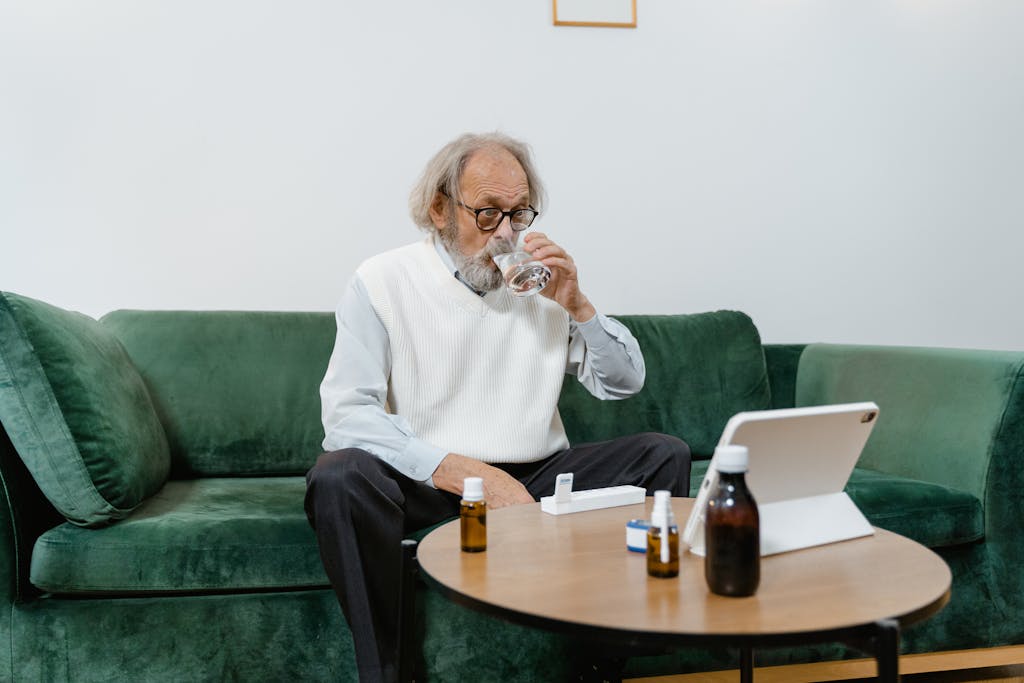
Timing can change how a medicine works and how well a person tolerates it. Some medicines are best taken in the morning. Some are taken at night. Some need food. Some work better on an empty stomach. Some should not be taken close to certain vitamins, minerals, dairy products, antacids, or other drugs. One small timing mistake can make a medicine weaker or make side effects more annoying.
This matters because people often build their own schedule based on convenience. They take everything together at breakfast or everything before bed. That may be fine for some medicines, but not for all. A water pill taken late may disrupt sleep with bathroom trips. A medicine that causes drowsiness may be unsafe before driving. A drug that needs an empty stomach may not work well when swallowed with a heavy meal.
Instead of guessing, we should ask for plain instructions: morning or night, food or no food, what to avoid, and how far apart from other medicines. If the schedule becomes too complicated, a pharmacist can often help create a simpler plan.
Ignoring Food and Drink Interactions
Food can help some medicines work better, but it can also create problems with others. Certain foods, drinks, and supplements can change how the body absorbs, breaks down, or responds to medication. Grapefruit is one well known example because it can affect the way some medicines work. Alcohol can also increase drowsiness, irritation, bleeding risk, liver strain, or other side effects depending on the medicine.
The danger is that food interactions feel less serious than drug interactions. People may be careful with pills but careless with juice, alcohol, herbal teas, or supplements. They may also start a strict new diet without asking whether it affects their medication plan. For people taking blood thinners, diabetes medicines, blood pressure medicines, sedatives, antibiotics, or cholesterol medicines, those details can matter.
We do not need to fear food. We need to ask better questions. “Can I take this with coffee?” “Should I avoid alcohol?” “Does grapefruit matter?” “Should I separate this from dairy, calcium, iron, or antacids?” These small questions can prevent big confusion.
Using Someone Else’s Medication
Borrowing medicine can look kind. A family member has pain, so someone offers a leftover painkiller. A friend has the same cough, so someone shares an antibiotic. A partner has anxiety, so someone offers a calming tablet. In the moment, it may feel helpful. In reality, it can be unsafe.
A medicine that was right for one person may be wrong for another. The dose may be too strong. The person may have an allergy, pregnancy risk, kidney problem, liver problem, heart condition, or another medication that makes the borrowed drug dangerous. The symptoms may also look similar but come from a different cause.
Medicine is not a sweater we can lend. It is a treatment chosen for one person’s body, history, diagnosis, and risk. If someone needs help, the safer gift is not a pill. It is encouraging them to speak with a pharmacist, doctor, urgent care clinic, or emergency service depending on the seriousness of the symptoms.
Keeping Old, Expired, or Mystery Medicines at Home

Many homes have a quiet pharmacy hiding in a drawer: old antibiotics, half used creams, expired pain relievers, loose tablets, forgotten inhalers, mystery blister packs, and bottles with faded labels. People keep them because they paid for them, because they may need them later, or because throwing medicine away feels wasteful. But an old medicine cabinet can become a risk.
Expired or poorly stored medicines may not work as expected. Mystery pills can lead to dangerous mistakes. Old antibiotics can be used for the wrong illness. Children, teens, visitors, and pets may accidentally access medication that should not be available. The more cluttered the medicine space becomes, the easier it is to grab the wrong thing.
A safer routine is to clean the medication area regularly. Keep medicine in original containers, with labels readable. Remove expired, discontinued, or unknown items. Ask a pharmacist about proper disposal, especially for controlled medicines, strong painkillers, or anything that could harm someone if taken accidentally.
Storing Medicine in the Bathroom or Car
The bathroom feels like the natural place to keep medicine, but it is often one of the worst places. Heat, steam, light, and humidity can damage many medicines. Cars can be even worse because temperatures can swing from very hot to very cold. A medicine that sits in a glove box, purse, windowsill, or steamy cabinet may not remain in the condition the label expects.
Storage instructions are not decoration. Some medicines need room temperature. Some need refrigeration. Some must stay protected from light. Some should never be frozen. Eye drops, insulin, certain injections, liquids, creams, and inhalers may have special rules that matter after opening.
The safest habit is to read the label and ask the pharmacist where the medicine should live at home. For many products, a cool, dry place away from children, pets, heat, light, and moisture is better than a bathroom cabinet. If a medicine changes color, smell, texture, shape, or consistency, do not guess. Ask before using it.
Treating the Pharmacist Like a Cashier Instead of a Safety Expert
Many people rush through the pharmacy counter. They grab the bag, nod quickly, and leave before asking anything. That can be a missed opportunity. Pharmacists are trained to catch medication problems, explain timing, spot interactions, clarify side effects, and help patients understand how to take medicine safely.
A pharmacy conversation does not need to be long. It needs to be useful. Ask what the medicine is for, how to take it, what side effects need attention, what to avoid, what to do if a dose is missed, and whether it is safe with your other medicines. If the medication is new, changed, expensive, confusing, or causing problems, the pharmacist should know.
We protect ourselves when we stop treating the prescription bag like the finish line. It is not the finish line. It is the beginning of using the medicine correctly.
A Simple Medication Safety Checklist
Before taking any medicine, slow down long enough to check the basics. Confirm the name, dose, timing, reason, and special instructions. Make sure the medication belongs to you. Check whether it should be taken with food or water. Ask what to do if a dose is missed. Review possible interactions with other prescriptions, over the counter drugs, supplements, alcohol, and food.
If anything feels unclear, do not pretend to understand. Medicine confusion is common, and asking questions is not weakness. It is one of the safest habits a patient can build.
Conclusion
Medication mistakes do not always come from carelessness. Sometimes they come from busy schedules, confusing labels, poor instructions, money stress, side effects, fear, or the simple belief that a small shortcut will not matter. But medicine is powerful because it changes what happens inside the body. That power deserves attention.
The safest patients are not the ones who know everything. They are the ones who ask questions early, keep an accurate medication list, follow instructions closely, and speak up when something feels wrong. A pharmacist can help prevent problems before they become emergencies, but only if we bring the full story to the counter. Medicine should work for us, not against us. The difference often begins with the small habits we repeat every day: take the right dose, at the right time, for the right reason, in the right way, and never be too proud to ask.