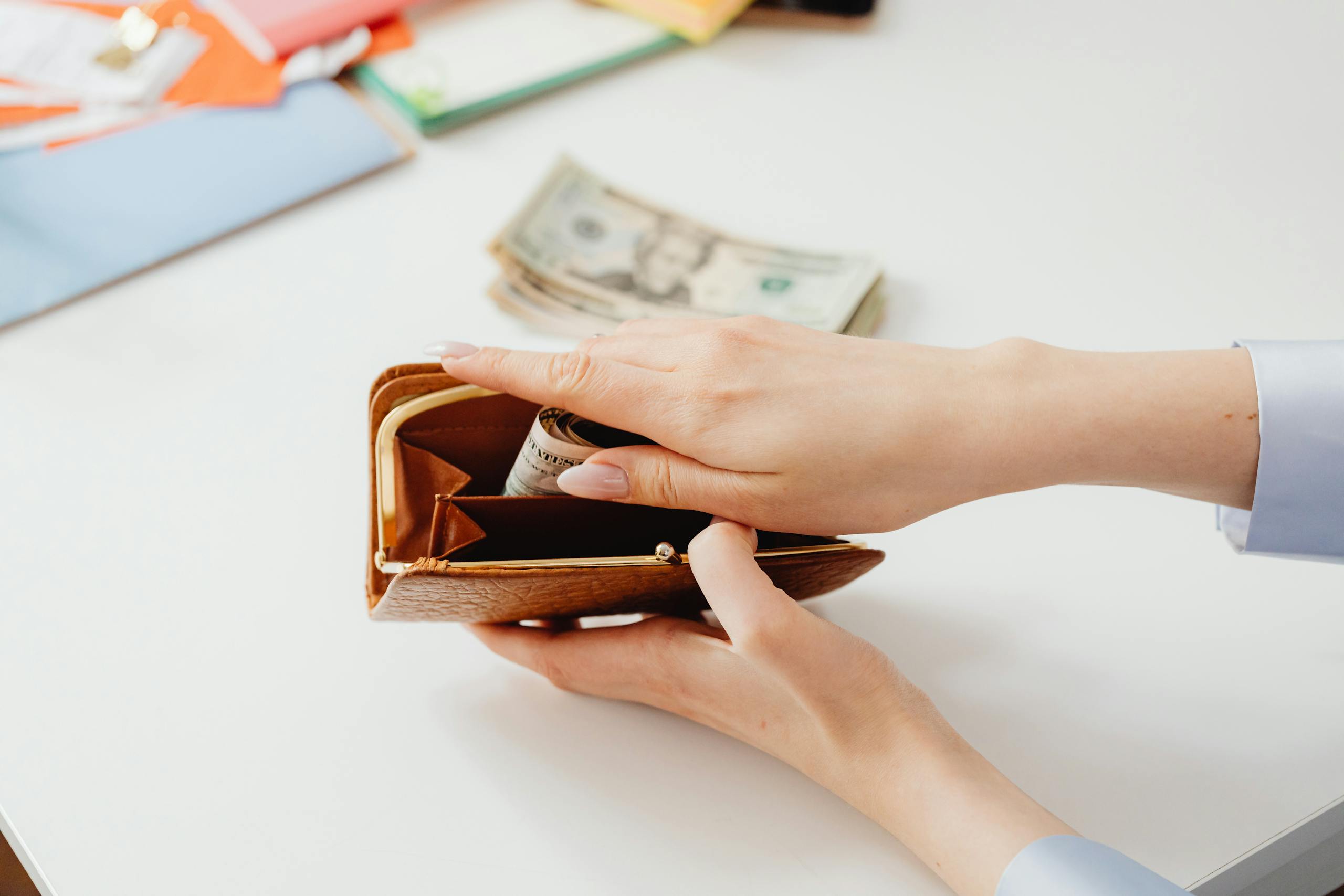
Small purchases do not always feel dangerous. A delivery meal here, a quick subscription there, a few extra snacks at checkout, and suddenly the family budget feels tighter than it should.
The problem is not one single purchase. The problem is how often “easy” spending repeats. Many households have very little room for surprise costs.
Food Delivery That Starts Feeling Normal
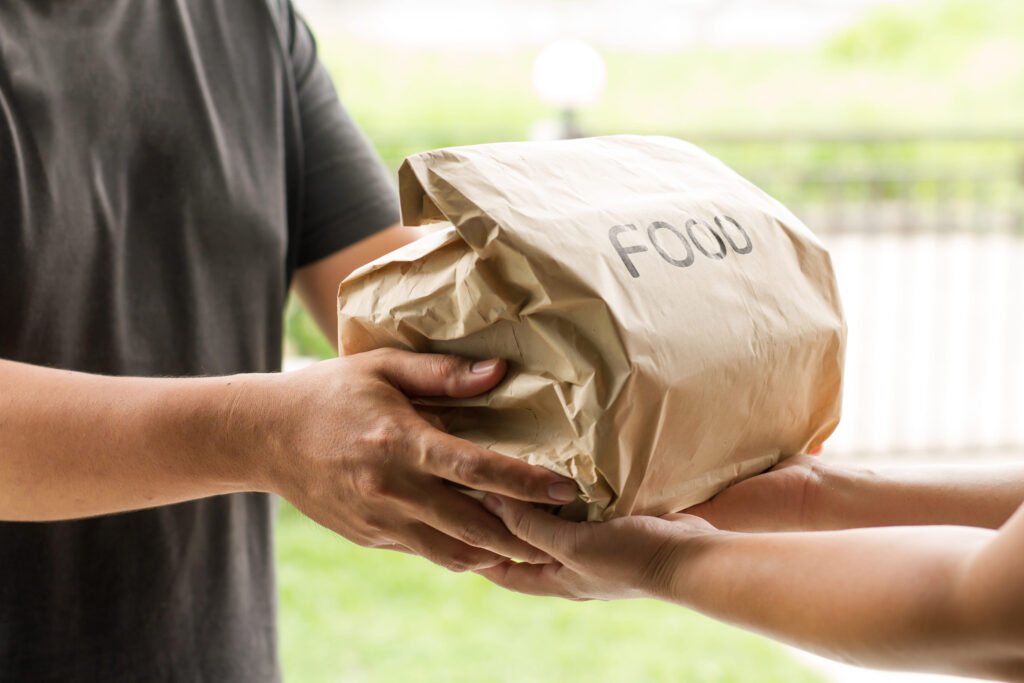
Food delivery can save a tired parent after a long day. But once it becomes a regular habit, the fees, tips, and higher menu prices can quietly add up, stretching the bill. A $15 meal can become much more before it reaches the door.
Families do not have to quit delivery forever. They need to make it a treat, not the default dinner plan. U.S. households spent an average of $3,945 on food away from home in 2024, which includes restaurant meals, delivery, and takeout.
Subscriptions Nobody Uses Anymore
A small monthly charge is easy to ignore. Streaming apps, fitness trials, cloud storage, meal plans, and kids’ apps can stay on a card long after the family stops using them. The money disappears quietly because no one feels the pain in one big hit.
A monthly “subscription check” can stop the leak. Look at every charge and ask one question: Did we use this enough last month? If the answer is no, cancel it.
Buy Now, Pay Later Purchases
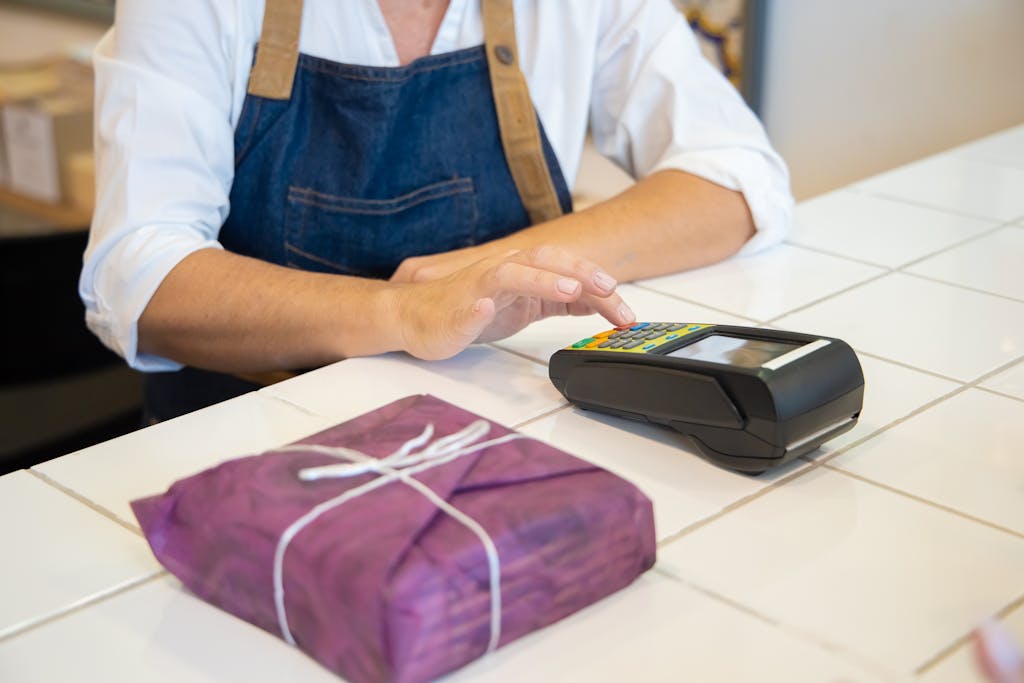
Buy now, pay later makes spending feel smaller than it is. A $100 item becomes four little payments, so it feels harmless. But several “little” payments can pile up at once, squeezing the next paycheck.
This is where families can get caught. Bankrate found that about half of buy now, pay later users had at least one issue, such as overspending or missing a payment.
Convenience Snacks and Drinks
Gas station drinks, coffee runs, vending machine snacks, and checkout treats may look cheap on their own. But families often buy them again and again because they are quick. A few dollars a day can add up to real money by the end of the month.
The fix is not boring. Keep easy snacks, water, and coffee options at home or in the car. That way, convenience does not always come at a higher price.
Last-Minute Shopping
Last-minute shopping often means paying more. A forgotten birthday gift, school item, dinner ingredient, or household product can lead to rush shipping, expensive stores, or impulse buying. The family pays for speed instead of value.
Planning sounds basic because it is. Keep a short list of upcoming needs and buy before panic begins. The more time you have, the more choices you have.
Paying More Because You Did Not Compare
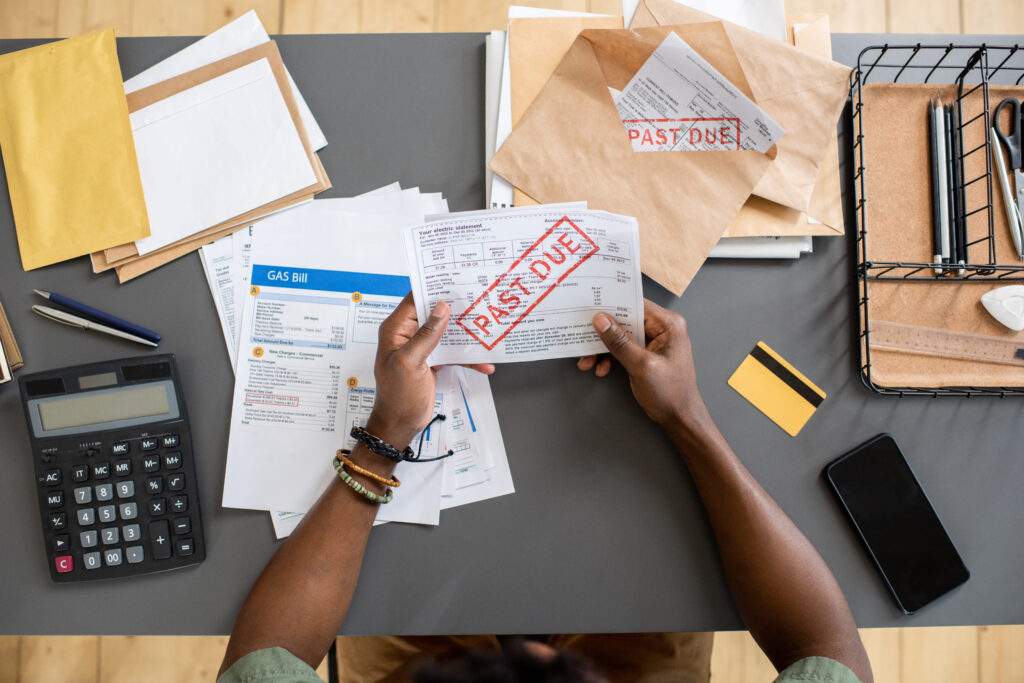
Many families keep the same phone plan, insurance, internet package, or delivery app because switching feels like work. Companies know this. Small price increases can slip into the budget and stay there for years.
A simple review every few months can help. Check bills, remove extras, and ask for a better rate. Even one lower bill can give a family breathing room.
Key Takeaway
Easy purchases are not always bad. They become a problem when they become automatic. Delivery, subscriptions, small snacks, payment plans, and rushed shopping can quietly drain money without feeling like a serious issue in the moment.
The best fix is simple attention. Look at small spending first, because that is often where the family budget is quietly bleeding.