A smoothie bowl can look like breakfast perfection but behave like a sugary dessert. One wrong splash of liquid or the wrong banana can turn a vibrant, nourishing bowl into a thin, watery mess.
Spoonable thickness, balanced nutrition, and smart blending are the keys to a successful bowl. Whole fruits provide fiber and sweetness without the sugar overload of juice. By focusing on protein, healthy fats, and frozen produce, a smoothie bowl can satisfy and nourish at the same time.
Adding Too Much Liquid

Using too much liquid is the fastest way to ruin a smoothie bowl. Extra water, milk, or juice quickly thins the blend, making it more drinkable than spoonable. Starting with a small amount of liquid and adding more gradually helps maintain thickness.
Unsweetened milk, kefir, or water can hydrate the blend without adding sugar. Keeping liquids in check ensures the bowl retains its shape and texture.
Skipping Protein
A bowl made of only fruit may taste great, but it won’t keep you full. Protein prevents rapid spikes in blood sugar and adds staying power. Greek yogurt, silken tofu, protein powder, or nut butter are excellent additions.
Protein also contributes to creaminess, enhancing texture without extra sugar. A balanced bowl satisfies hunger and delivers sustained energy.
Using Ice Instead of Frozen Fruit
Ice may chill a smoothie, but it lacks the creamy body frozen fruit provides. Once ice melts, the bowl becomes watery and loses richness. Frozen bananas, mangoes, and berries add texture and flavor while keeping the bowl thick.
Even frozen vegetables like cauliflower or pumpkin can bulk up the bowl without being noticed. Frozen ingredients maintain the dense consistency that makes smoothie bowls satisfying.
Overloading on Sugar
Smoothie bowls can appear healthy but hide a sugar overload. Sweetened yogurt, fruit juice, honey, dried fruit, and chocolate toppings can pile up calories quickly.
Choosing unsweetened yogurt or whole fruit keeps sweetness natural. Limiting added sugars keeps the bowl balanced and nutrient-rich. A flavorful smoothie does not need syrupy shortcuts.
Using the Wrong Blender Technique
Yaroslav Shuraev/ Pexels
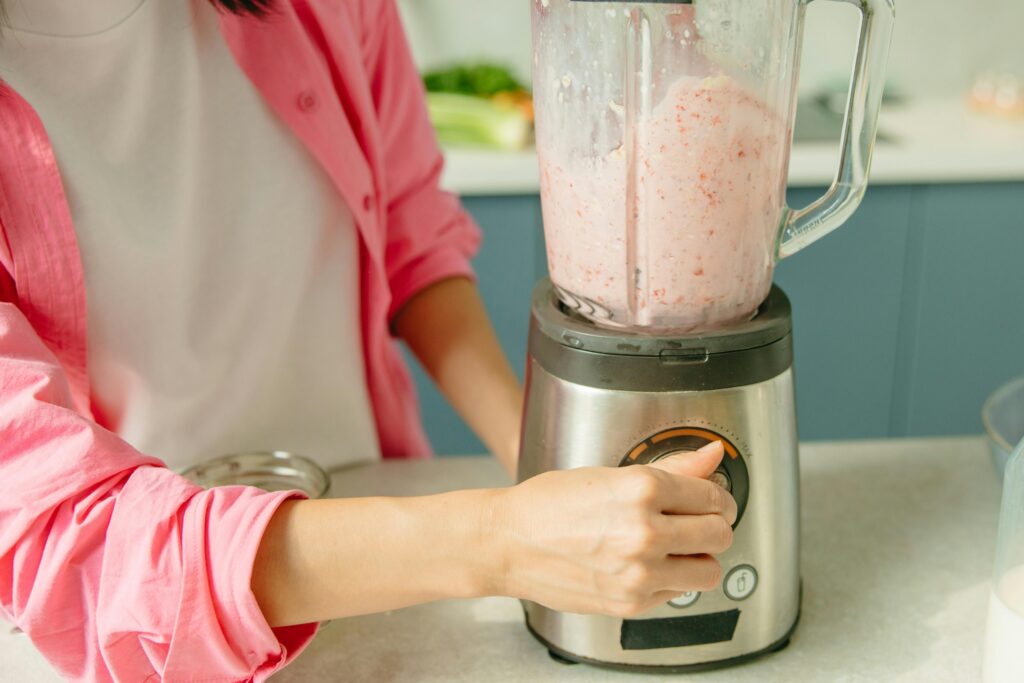
Blender technique affects both texture and appliance longevity. Starting on medium speed and adding liquid often produces uneven results.
Begin on low, then increase to high once ingredients move smoothly. Use a tamper for thick blends to prevent extra liquid from being added. Proper technique creates a consistent, creamy bowl.
Using Bananas at the Wrong Ripeness
Bananas can make or break a smoothie bowl. Green bananas create a chalky, starchy texture, while overly ripe bananas can become soupy.
The ideal banana is yellow and firm, with no brown spots. For extra thickness, freeze banana slices before blending. Alternatives like frozen mango or coconut cream cubes can also provide a creamy texture.
Combining Too Many Flavors
Too many flavors can make the bowl taste muddled. Fruits, powders, spices, and toppings compete for attention. Build around one primary flavor for balance and clarity.
Berries work well with banana and chia, while tropical fruits pair with coconut or lime. Keeping flavors focused enhances both taste and presentation.
Ignoring Healthy Fats
Skipping fats makes a bowl feel thin or incomplete. Healthy fats smooth texture and increase satiety. Avocado, chia seeds, flaxseed, nut butter, and coconut cream are excellent options. Use moderate portions to avoid overpowering flavors. A small amount enhances both flavor and nutritional value.
Leaving Out Vegetables
Vegetables add volume and nutrients without overwhelming flavor. Spinach, cauliflower, zucchini, pumpkin, or butternut squash blend easily with fruit.
Use half a cup to boost nutrition and fullness. Vegetables also help maintain thickness without extra sugar. Adding them is an easy way to upgrade any smoothie bowl.
Making the Bowl Too Large
Oversized bowls can feel indulgent but may pack more calories than intended. Portion control ensures a balanced breakfast.
A cup of frozen fruit, half a banana, a protein source, and measured toppings are sufficient. This method keeps the bowl satisfying without excess. A properly sized bowl looks generous but stays healthy.
Overloading Toppings
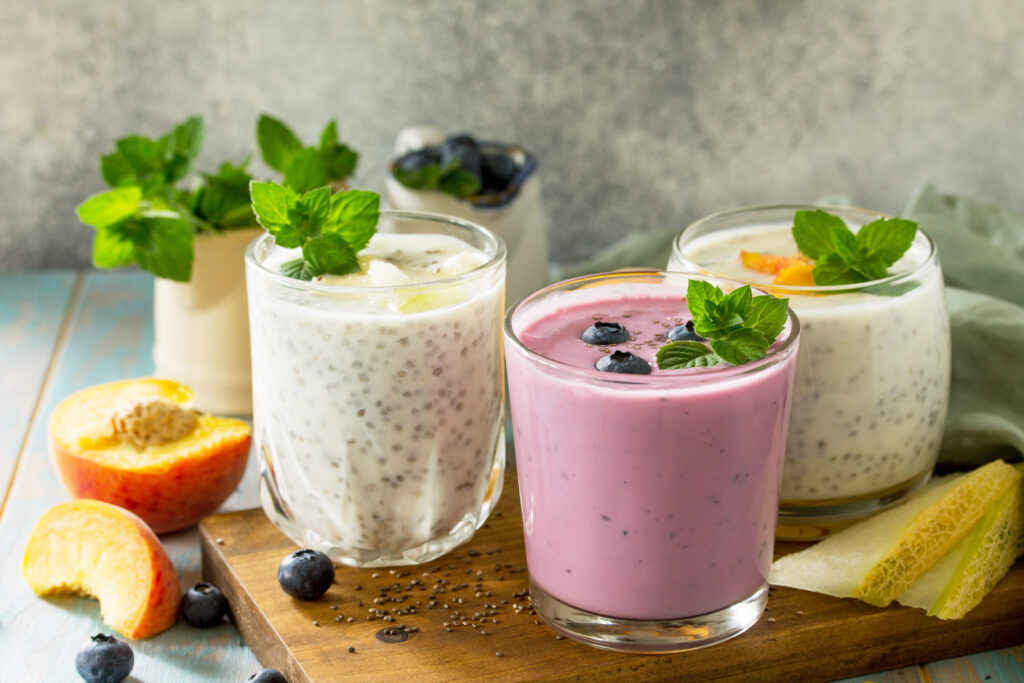
Too many toppings can turn a light breakfast into a calorie bomb. Granola, seeds, coconut flakes, and chocolate can quickly overdo it.
Limit toppings to a few key choices that add crunch and texture. Fresh fruit, nuts, and seeds are ideal accents. Toppings should enhance, not overwhelm, the base.
Blending Too Long
Overblending warms the mixture and softens frozen ingredients. The goal is thick, cold, and creamy, not loose and foamy.
Slice frozen fruit before blending, and stop as soon as it’s smooth. A tamper can help move dense ingredients without extra liquid. Blending efficiently preserves texture and flavor.