Attractiveness after 50 is not solely a matter of age. It fades when style, grooming, confidence, emotional awareness, and social habits work against a man. older men’s attractiveness, mistakes older men make, men over 50 style, older men’s grooming, dating after 50
Attractiveness after 50 is a complex blend of appearance, behavior, and presence. It is not about reliving youth or chasing trends, but about projecting vitality, self-respect, and awareness. Many older men assume age gives them automatic appeal, but in reality, subtle habits and choices can quietly erode what makes them magnetic.
The modern dating landscape is unforgiving. With older adults increasingly using dating apps and social media to meet partners, first impressions extend beyond physical presence to include photos, messages, body language, and tone of voice. These small, repeated signals can significantly influence how a man is perceived, making it essential to manage grooming, style, emotional communication, and overall energy with intention.
Dressing as the Calendar Stopped Years Ago
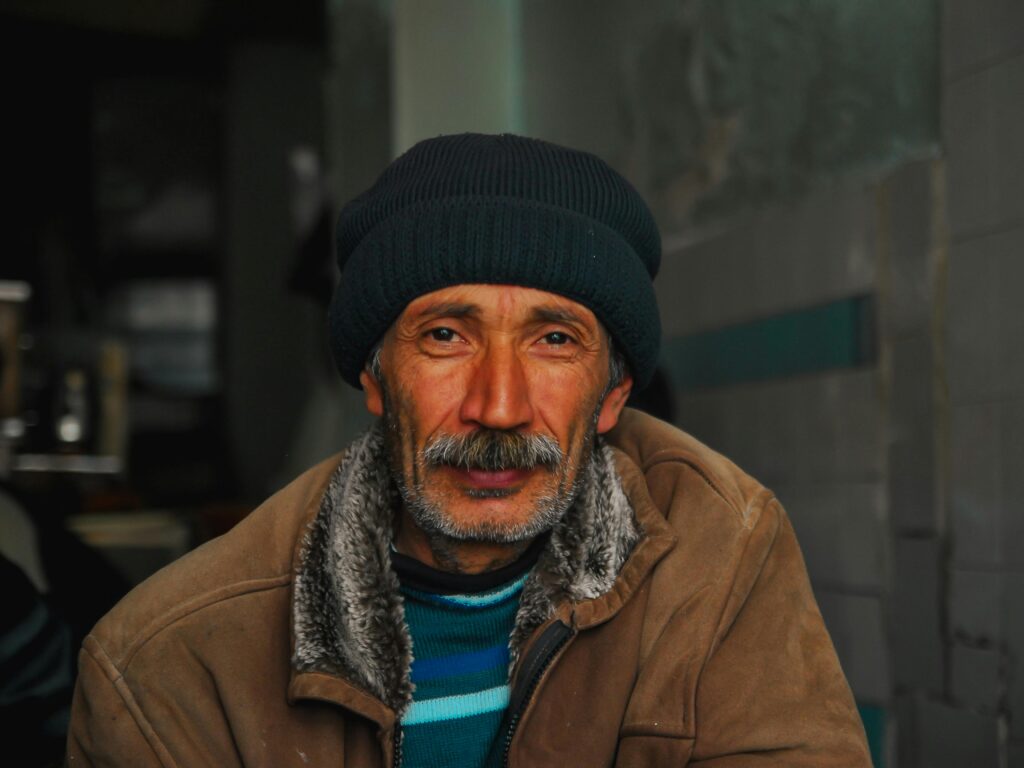
One of the most frequent mistakes men make after 50 is holding onto clothing styles that defined them decades ago. Wearing outdated jackets, pants, or accessories can create the impression that a man is resistant to change or unaware of how style evolves. Even a beloved leather jacket from the 1980s can backfire if it is ill-fitting or combined with other outdated elements, reducing overall appeal.
Dressing for modern attractiveness means embracing pieces that complement current body shape, season, and lifestyle. Simple, well-tailored clothing such as fitted jeans, structured jackets, casual collared shirts, and clean leather shoes can elevate presence without trying to appear younger than one is. A balance between timeless style and contemporary cuts communicates confidence, awareness, and sophistication.
Wearing Clothes That Fight the Body
Clothes should highlight strengths, not fight the body. Many men persist with garments that pull, sag, or bunch, unintentionally emphasizing weight gain, slouching, or changes in muscle tone. Misfitting clothing can make a man appear slovenly, undermining all other efforts in grooming, conversation, and confidence.
Tailoring is a simple yet effective solution. Adjusting jacket shoulders, sleeve length, or trouser breaks ensures a polished silhouette that moves naturally. When clothes fit well, the wearer exudes presence, energy, and attention to detail, which are more compelling than flashy or trendy outfits. Small adjustments can make the difference between appearing stale and appearing effortlessly stylish.
Treating Grooming as Optional Maintenance
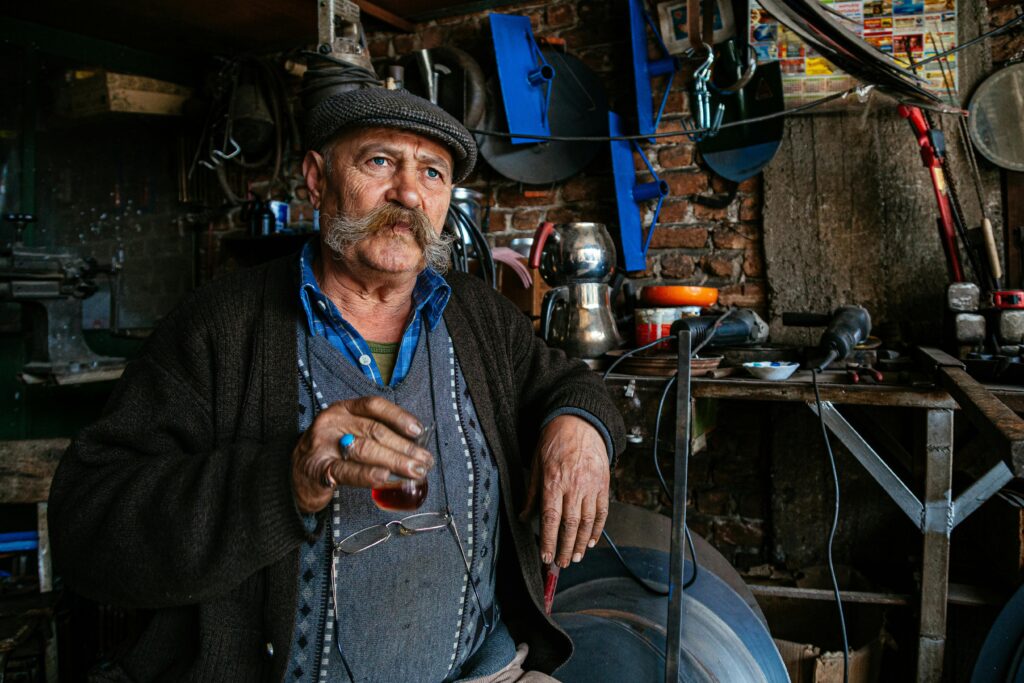
Grooming becomes even more critical with age. Overgrown eyebrows, uneven facial hair, nose or ear hair, dry skin, and untrimmed nails are immediate visual cues of neglect. While older men may view grooming as superficial, these details significantly affect perceptions of cleanliness, energy, and attentiveness.
Routine care should extend beyond shaving to include facial moisturizing, hand care, and hair management. Consistent grooming communicates self-respect, health consciousness, and regard for others, all of which enhance attraction. A well-kept man signals that he values himself and his social interactions, which is more alluring than mere superficial charm.
Ignoring Oral Health and Breath
Oral hygiene is one of the most underestimated factors in attractiveness. Bad breath, discolored teeth, and gum issues can undermine charm and discourage physical closeness. Older adults are particularly prone to dry mouth, receding gums, and dental wear, which can amplify oral health problems and reduce confidence.
Regular dental visits, proper brushing and flossing, and management of underlying health conditions help maintain oral hygiene. A fresh smile communicates approachability, care, and attention to detail. When combined with good grooming and posture, oral health becomes a cornerstone of lasting attractiveness.
Letting Posture and Movement Age the Whole Image
Physical presence is communicated through posture, gait, and overall energy. Slouched shoulders, shuffled steps, and weak or hesitant movements can prematurely signal aging, regardless of style or grooming. Conversely, upright posture, purposeful movement, and steady gestures convey vitality, engagement, and confidence.
Exercise, strength training, balance work, and even daily walking routines preserve mobility and energy. Small habits like standing while conversing, walking briskly, and maintaining an open chest can improve perception of health and vigor. The combination of body language and movement often influences attraction more than clothing alone.
Confusing Confidence with Correction
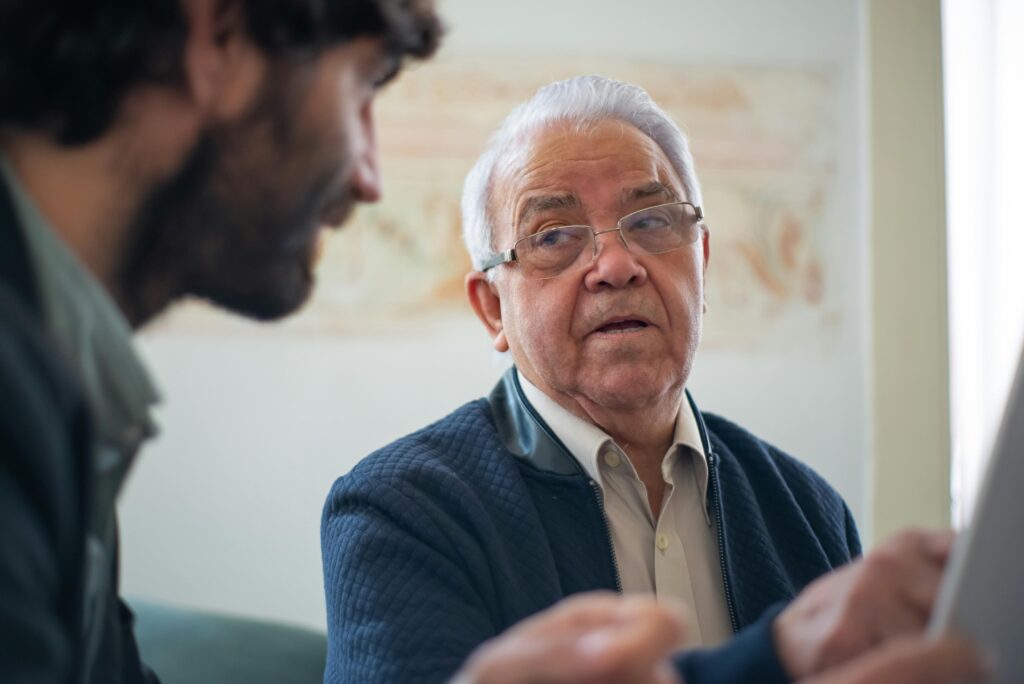
Many men inadvertently reduce their appeal by turning conversations into lectures. Correcting others, emphasizing authority, or insisting on being right can create distance rather than connection. Wisdom becomes more attractive when paired with empathy, listening skills, and humor.
Confidence should feel inclusive rather than dominating. A man who can share experience without overshadowing others fosters curiosity and engagement. Emotional intelligence amplifies charm, demonstrating that maturity does not require rigidity but rather adaptability and attentiveness.
Talking More About the Past Than the Present
Reflecting on life experiences adds depth, but dwelling on “the good old days” can create a static impression. Constantly recounting past achievements or failures can make a man seem disconnected from current life and future possibilities. Partners and peers are drawn to engagement with the present, curiosity, and evolving interests.
Balancing past stories with current passions, whether learning new skills, pursuing hobbies, or exploring new travel destinations, demonstrates dynamism. Engaging fully in the present fosters connection, signaling that life remains vibrant, fulfilling, and worth sharing.
Making Bitterness Part of the Personality
Chronic negativity about exes, generations, societal changes, or personal setbacks can be alienating. Bitterness signals emotional stagnation and can overshadow charm, wit, and intelligence. Attractive men manage complaints while remaining approachable and optimistic.
A resilient mindset, humor, and measured perspective allow men to navigate life’s disappointments without projecting them onto social interactions. Emotional regulation, positivity, and patience are often more appealing than financial success, physical appearance, or status alone.
Skipping Skin Care and Sun Protection
Skin care is often overlooked by men, yet it significantly affects how they perceive their health and vitality. Dry, uneven, or sun-damaged skin can convey fatigue, neglect, or risk-taking behaviors. Basic routines such as cleansing, moisturizing, and SPF use protect skin and enhance its appearance.
Sun protection prevents premature aging, reduces the risk of skin cancer, and maintains tone and texture. Men who invest in minimal yet effective skin care routines signal attention to health and self-respect, qualities that strengthen long-term attractiveness.
Living Too Small Socially
Social isolation diminishes appeal. Men who limit activities, avoid new friendships, or disengage from community life may appear withdrawn, rigid, or emotionally unavailable. Active social engagement demonstrates energy, empathy, and relevance, which attract potential partners.
Participating in clubs, volunteering, traveling, hobbies, and gatherings maintains connectivity and emotional flexibility. Social vibrancy communicates that life is still exciting, shared experiences are valued, and relationships are nurtured, all of which enhance perception and magnetism.
Neglecting Emotional Availability
The ability to share feelings, respond to intimacy, and manage conflict with grace defines emotional appeal. Men who appear distant, unavailable, or uncomfortable with affection risk reducing connection, even when appearance, wealth, or humor are strong.
Expressing curiosity about others, acknowledging emotions, offering reassurance, and being responsive build trust and intimacy. Emotional engagement is a key differentiator in attractiveness after 50, signaling that life experience has refined empathy rather than hardened the heart.
Letting Pride Block Small Improvements
Defensiveness undermines growth. Ignoring constructive feedback about style, health, or social behavior can solidify negative impressions. Pride can prevent men from embracing minor changes that produce outsized improvements in how they are perceived.
Openness to small adjustments, such as hairstyle, wardrobe, grooming, posture, or communication, signals adaptability and confidence. Attractiveness is amplified by willingness to evolve while remaining authentic, demonstrating that age enhances discernment rather than resistance.
Trying Too Hard to Look Young
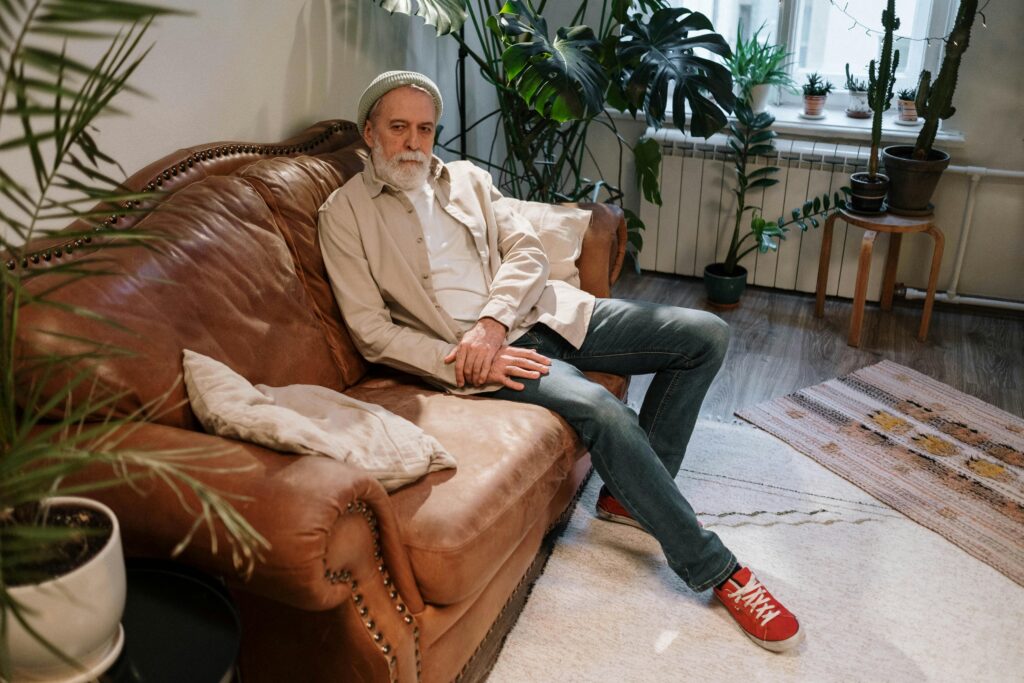
Forcing a youthful appearance often backfires. Overly tight jeans, bold logos, or exaggerated grooming can come across as inauthentic and desperate. The goal is to present refinement, confidence, and health rather than competing with one’s own children or younger peers.
Subtle updates to wardrobe, grooming, and style that align with lifestyle and physique create an impression of energy and relevance. Attractiveness after 50 is reinforced by comfort, authenticity, and an ability to embrace maturity without denial.
The Real Secret to Staying Attractive After 50
Attractiveness after 50 relies on a combination of visible and invisible factors. Grooming, tailored style, health maintenance, social engagement, emotional awareness, and movement all contribute to a man’s magnetic presence. Age adds depth, gravitas, and perspective, but neglect removes allure.
Men who remain vibrant, curious, approachable, and self-aware maintain a strong appeal. Presence, energy, and care for self and others reinforce natural attraction. Authenticity, combined with attention to health, style, and social dynamics, ensures that life after 50 can be as compelling as any previous decade.