Being single is often portrayed as an empowering choice, promising self-discovery, independence, and personal growth. But scratch beneath the surface, and it quickly becomes clear that this narrative is far from complete. Singles face a world that relentlessly prioritizes relationships, and the challenges of navigating life without a partner are often overlooked or underestimated. From health risks to emotional isolation, the struggles of single individuals are as real and impactful as those of anyone in a relationship. It’s time to recognize that singledom is not a deficiency; it’s an experience filled with unique challenges, and understanding those challenges is the first step toward making a more inclusive society.
This article is about exposing those dark truths about single life that too often go unnoticed. It’s not just about feeling “left out” of romantic narratives; it’s about facing real, tangible obstacles. Financial discrimination, medical biases, emotional isolation, and even societal pressure to “settle down” can weigh heavily on singles, and yet the world often glosses over these issues. Let’s dive deep into the hidden struggles and start talking honestly and unflinchingly about the single life.
Hidden Tax on Happiness

In today’s world, happiness seems to be reserved for those in relationships. Society projects an image of what a “complete” person looks like, usually someone in a committed partnership or marriage. It’s a narrative that leaves singles at a disadvantage, constantly battling assumptions that they are somehow “missing out.” This societal pressure can lead to internalized feelings of inadequacy, leading single people to believe their lives are incomplete. And let’s not even get started on the constant questions about “when you’ll find someone.”
This isn’t just a fleeting feeling; it’s a real emotional cost. The constant societal reminder that something is “wrong” with being single can erode self-worth. Singles who are perfectly content with their lives can find themselves doubting their value simply because they don’t fit the prescribed mold of a relationship. When society equates marriage or romantic relationships with happiness, it imposes an invisible tax on the emotional well-being of singles. It’s not just about being without a partner; it’s about being made to feel as though your life is incomplete without one.
Health Neglect and Medical Bias
Singles, particularly those who live alone, face more than just emotional and social challenges; they also contend with health risks that are often ignored by the system. Take dementia, for example. Studies have shown that unmarried individuals are at a significantly higher risk of developing this debilitating condition. This isn’t a minor detail; it’s a major health issue. Why? Because social isolation, a common experience for singles, is a known risk factor for cognitive decline. But here’s the kicker: it’s not just the social isolation that’s at play; there’s also a dangerous bias in the healthcare system that affects singles in profound ways.
When a single person seeks treatment, particularly for serious conditions like cancer, doctors sometimes assume that they don’t have the same emotional support system as their married counterparts. This assumption can lead to delays in life-saving treatments. Married couples, on the other hand, are often seen as more stable, even though the reality is far more complex. It’s an unjust and dangerous bias that puts the health of single individuals at risk, showing just how deep the systemic discrimination runs.
Financial Disadvantages for the Unmarried

Let’s talk about money, because, yes, being single can cost you. Married couples get tax breaks, discounts, and government benefits that single individuals are flat-out denied. Need proof? How about this: singles often pay more for healthcare, insurance, and even entertainment. Airlines and hotels offer discounts for couples, but a single person often ends up paying extra for the same exact experience. Not only do they pay more, but they also don’t receive the same financial support for child-rearing, healthcare, and even taxes.
The financial burden on singles doesn’t stop there. Single parents, especially single mothers, often find themselves stuck with higher bills and fewer government subsidies or breaks. This makes it harder to thrive financially. The system is rigged against singles, setting them up to shoulder the financial load while married couples get all the perks. So, if you think being single is cheaper or easier on the wallet, think again.
Emotional Isolation Trap
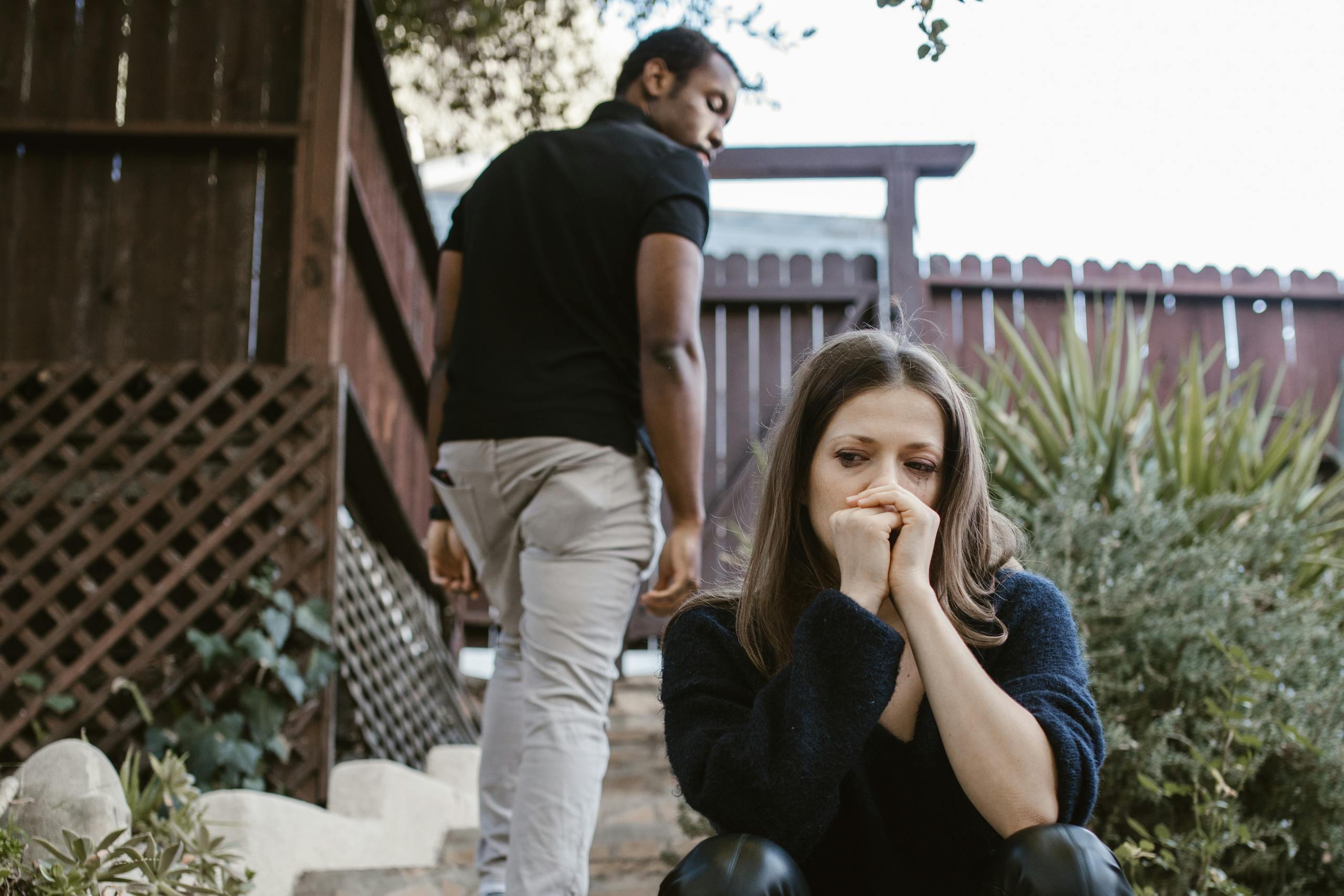
Sure, single people are often portrayed as independent and free, but there’s a downside to that independence that is often ignored. Emotional isolation is a very real issue for many singles, especially those who live alone. While married individuals have built-in companionship, singles often navigate the world without that constant emotional support. And let’s not sugarcoat it, loneliness is real. It’s one thing to be alone by choice; it’s another to feel as though you’re being left behind in a world that prioritizes romantic relationships.
It’s easy to dismiss the emotional cost of singlehood, but it’s there, lurking in the background. The societal pressure to couple up can make singles feel alienated or even “less than” when they choose not to follow the typical romantic script. This emotional isolation isn’t just about missing out on a partner; it’s about being made to feel that your life is incomplete without one. Society’s discomfort with singlehood perpetuates a cycle of loneliness, where the happiness of singles is questioned, and their emotional needs are downplayed.
Unseen Consequences for Mental Health

If we’re talking about the struggles of singlehood, we can’t ignore the mental health toll. The societal bias against single people doesn’t just affect their self-esteem; it can lead to real mental health challenges like anxiety, depression, and a pervasive sense of not being enough. The constant pressure to be in a relationship can undermine a single person’s sense of self-worth, leading to feelings of inadequacy. It’s easy for singles to internalize society’s negative perceptions of them, which only adds to their mental health burden. The assumption that a romantic partner is necessary for happiness leaves singles to shoulder an emotional weight that most people never have to experience.
But here’s the twist: while society tells us that marriage equals happiness, studies actually show that singles can experience higher levels of satisfaction than their married counterparts. Yes, that’s right, many single people live fulfilling, content lives, full of purpose and joy. Yet, despite these findings, society continues to discount the happiness of singles, leading to a mental health struggle that could be avoided with more acceptance and understanding of singlehood as a valid and valuable life choice.
The Cultural Discomfort With Single People’s Success
The truth is, society just doesn’t know what to do with successful, happy singles. When someone in a relationship achieves success, they are celebrated for having “made it” with their partner’s support. But when a single person achieves success, there’s often a sense of discomfort or disbelief: “How did they do it without anyone by their side?” This cultural discomfort runs deep and affects how singles are viewed in almost every aspect of life. Society is uncomfortable with the idea of a single person thriving, as it challenges the long-held belief that a romantic relationship is the key to success and fulfillment.
This bias is more than just personal judgment; it permeates workplaces, social circles, and even public perception. Singles are often overlooked for career opportunities or social recognition, simply because they don’t fit the traditional mold. When single people succeed, their achievements are frequently minimized, as though they were mere accidents or sheer luck. It’s a bias that devalues the lives of singles, perpetuating the idea that singlehood is a transitional state, something to be escaped, rather than celebrated.
Legal Biases That Affect Single Parents

The legal system doesn’t exactly roll out the red carpet for single parents. In fact, it often makes their lives harder. Single parents, especially single mothers, face legal discrimination in ways that married couples do not. They are often denied the same legal rights when it comes to inheritance, child custody, and even healthcare decisions for their children. Married couples enjoy a slew of legal benefits, but singles,particularly single parents, are left to fend for themselves, battling the system to receive the same protections and privileges that others take for granted.
Moreover, single parents often face a slew of legal challenges when it comes to things like child support and custody battles. The legal system is still heavily biased toward married couples, and this creates an uphill battle for single parents trying to secure the support and recognition they deserve. The road is even more difficult for those who are raising children alone, facing a system that doesn’t provide the same protections, benefits, or rights that married parents enjoy. This legal inequality only makes the challenges of single parenthood even more daunting.
The Loneliness Epidemic
In an age of constant digital connectivity, singles are still struggling with loneliness, and the irony isn’t lost on anyone. While social media and online platforms make it easier than ever to stay in touch, they often serve as a reminder of how disconnected we truly are. Singles, in particular, find themselves constantly comparing their lives to those of couples, who seem to have it all: perfect relationships, perfect vacations, perfect families. It’s a vicious cycle that leaves singles feeling isolated, even though they’re more “connected” than ever before.
The paradox of being constantly connected yet feeling more alone is a direct result of society’s obsession with romantic relationships. The pressure to be in a relationship, to “belong” to someone, can make singles feel like they don’t quite measure up. Social media amplifies this pressure, creating a distorted sense of connection and belonging that leaves many singles feeling like outsiders. This loneliness epidemic is a consequence of living in a world that still doesn’t fully accept singlehood as a valid and fulfilling lifestyle choice.