A phone can look small in your hand, but it can feel huge in a relationship. One quick scroll during dinner may seem harmless. One glance during a serious talk may feel like nothing. But to the person sitting beside you, it can feel like being pushed aside.
The habit is called phubbing, which means ignoring someone while paying attention to your phone. A 2026 University of Connecticut article explains that the word combines “phone” and “snubbing,” and that this habit can hurt relationships, especially when couples are already under stress.
It Makes Your Partner Feel Unimportant
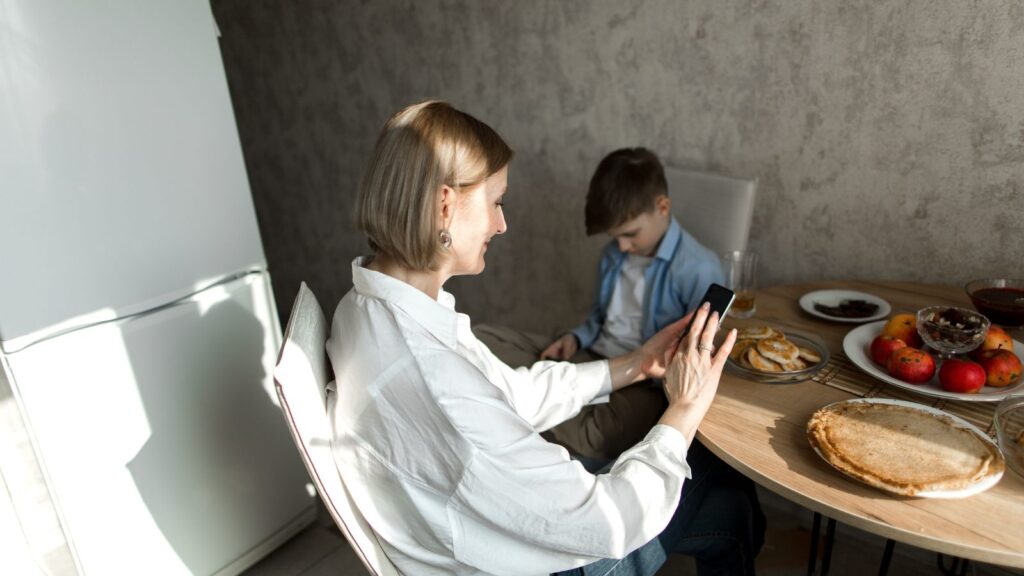
The real problem is not just the phone. The real problem is the message it sends. When someone is talking, and their partner keeps looking down, it can feel like the screen matters more than the person.
That feeling can build up quietly. At first, it may cause a small sigh or an eye roll. Later, it can turn into hurt, silence, or resentment. People do not always need a perfect answer from their partner. Sometimes they need full attention.
Many Couples Are Already Dealing With It
This is not a tiny problem hiding in a few homes. A Pew Research Center survey found that 51% of partnered U.S. adults said their partner was often or sometimes distracted by a cellphone when they were trying to talk.
The issue was common among adults ages 30 to 49, but 41% of partnered adults ages 50 and older also reported experiencing it. That matters because adults in their 30s, 40s, 50s, and 60s are often carrying heavy life loads.
They may be raising children, paying bills, helping aging parents, dealing with health worries, or thinking about retirement. A partner’s attention can feel like a safe place. Losing it to a phone can sting more than people admit.
It Can Turn Small Talks Into Cold Moments

Picture this. One partner says, “I had a hard day.” The other partner says, “I’m listening,” but keeps scrolling. The words say one thing. The body says another.
That moment can make a person stop sharing. They may think, “Why bother?” Over time, fewer feelings get spoken. Fewer stories get told. Fewer problems get solved early. The relationship does not always break loudly. Sometimes it grows quiet first.
It Can Make People Feel Alone Beside Someone They Love
A person can sit right next to their partner and still feel lonely. That is the sad part. The house may be full, the TV may be on, and dinner may be warm, but the heart can still feel unseen.
Research on partner phone use found that it is linked to lower relationship satisfaction. The study also found that the damage often comes from feeling left out, feeling that a partner is less responsive, and feeling less close.
The Habit Can Become Automatic

Most people do not pick up their phone to hurt someone. They do it because the habit is strong. A message pops up. A video starts. A news alert appears. Suddenly, five seconds becomes five minutes.
That is why this habit and other minor habits are so sneaky. It does not always feel like a choice. But in a relationship, repeated small choices can become a big pattern. Every time the phone wins during a tender moment, trust loses a little ground.
It Can Start Fights That Are Really About Attention
Many couples argue about phone use, but the fight is rarely only about the device. The deeper pain is often, “Do I still matter to you?” or “Are you really here with me?”
This is why a simple comment like “put your phone down” can turn into a bigger argument. One person thinks they are being controlled. The other person feels ignored. Both may be upset, but neither may name the real wound.
Social Media Can Add More Trouble
Phones do not only distract. They can also bring jealousy into the room. A partner may notice likes, comments, private messages, or constant attention given to people online.
Pew found that 23% of partnered adults whose partners use social media said they had felt jealous or unsure because of how their partners interacted with others on those platforms. Among adults ages 30 to 49, that share was 26%, and among those ages 50 to 64, it was 19%.
The Fix Is Simple, But It Takes Honesty
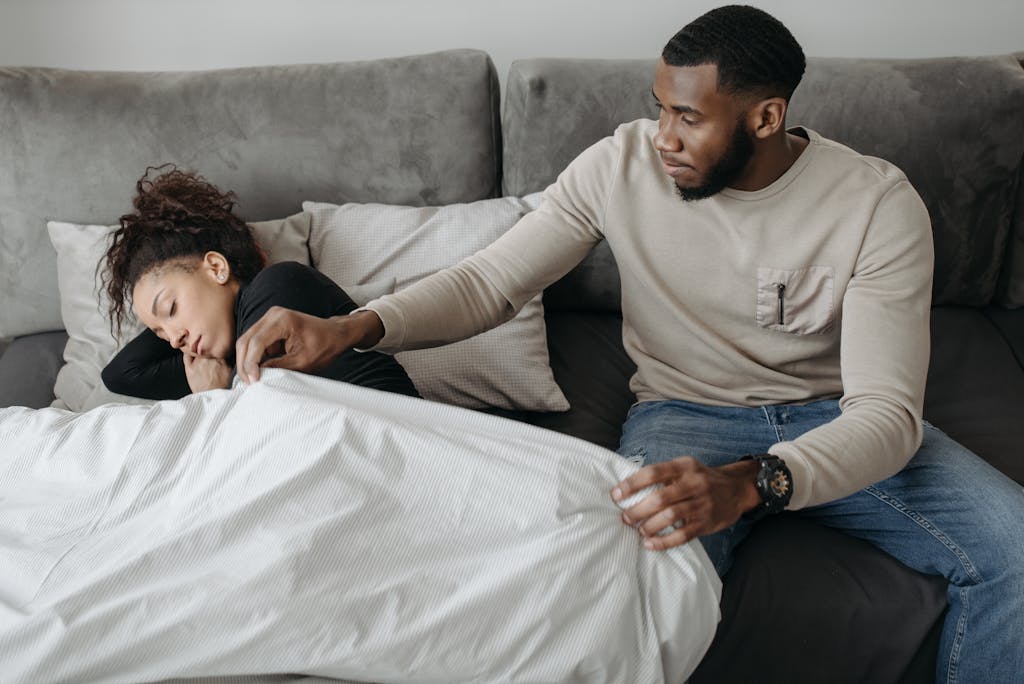
The answer is not to throw the phone away. Phones help with work, family, money, maps, medicine, and emergencies. The goal is not phone hatred. The goal is phone control.
Couples can start with small rules. Keep phones away during meals. Put them face down during serious talks. Leave them outside the bedroom for the first and last few minutes of the day. These small moves tell your partner, “You have my attention.”
Say What You Are Doing On Your Phone
There is another simple trick. Tell your partner why you are using the phone. Say, “I need to answer this work message,” or “I’m checking the delivery time,” instead of silently disappearing into the screen.
That one sentence can lower tension. Research on partner phone use suggests that shared or explained use can reduce feelings of being left out.
The Real Goal Is To Make Love Feel Present Again

A strong relationship does not need fancy trips every week. It needs small signs of care. Eye contact. Listening. A calm voice. A handheld without one-thumb scrolling.
The phone habit becomes dangerous when it steals those small signs. Love can survive busy days. It can survive stress. But it struggles when one person keeps feeling second place to a screen.
Conclusion
The phone habit relationship experts are warning about is not just scrolling. It is checking out when your partner needs you to check in. It is being in the same room but not fully there.
A phone can wait. A message can wait. A video can wait. But a lonely partner may not wait forever. Real love grows when people feel heard, seen, and chosen, even in the quiet moments of an ordinary day.