Kitchen cabinets look like the obvious home for almost everything we use near the stove, sink, and countertop. That is exactly why they become crowded so fast. We tuck away bread, oils, vitamins, cleaning sprays, batteries, paper towels, reusable bags, and heavy appliances, then wonder why the kitchen feels harder to use every week.
A better kitchen starts with a stricter cabinet rule. Cabinets should protect food, support cooking, reduce clutter, and keep hazards out of the areas where we prepare meals. Proper food storage helps preserve quality and reduce spoilage, underscoring its importance in preventing foodborne illness at home.
Below are 12 things you should never store in your kitchen cabinet:
Bread, Pastries, and Baked Goods
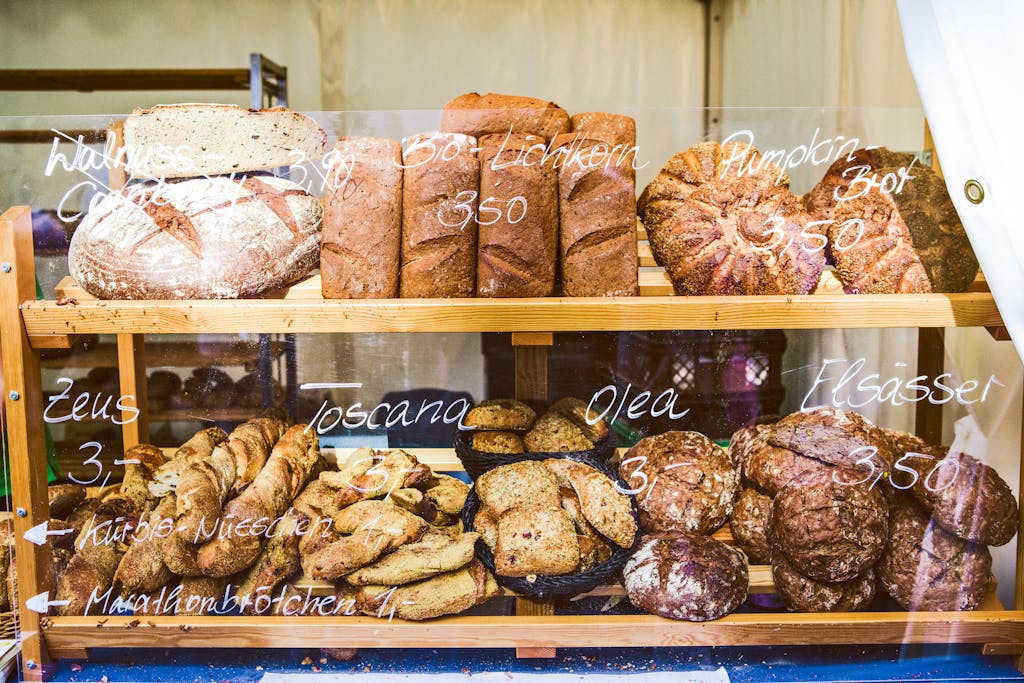
Bread, muffins, croissants, rolls, doughnuts, and pastries should not sit loosely in kitchen cabinets, especially in warm kitchens or cabinets near the oven, dishwasher, or sink. Cabinets can trap warmth and moisture, which can make baked goods stale faster and encourage mold growth. Open bags and half-closed bakery boxes also invite ants, cockroaches, and pantry moths, turning one loaf of bread into a cabinet-wide problem.
We should store short-term baked goods in airtight containers on the counter, away from heat and direct sunlight. For longer storage, freezing works better than hiding bread in a cabinet and forgetting it. FoodKeeper was developed to help households understand storage methods that keep food fresh longer, and that same principle applies here: choose storage based on freshness, not just convenience.
Cooking Oils Near Heat Sources

Cooking oils do not belong in cabinets above the stove, beside the oven, or near any appliance that gives off steady heat. Olive oil, avocado oil, sesame oil, nut oils, and infused oils can lose flavor and quality when exposed to heat, air, and light. A cabinet may feel dark, but if it sits above a range or next to a dishwasher, it can become one of the worst places for oil.
We should keep everyday oils in a cool, dark pantry, a lower cabinet away from appliances, or a drawer that does not heat up during cooking. Smaller bottles also make more sense for oils we use slowly. Once oil smells waxy, sour, bitter, or stale, the cabinet has already failed its job.
Bulk Flour, Rice, Sugar, and Grains
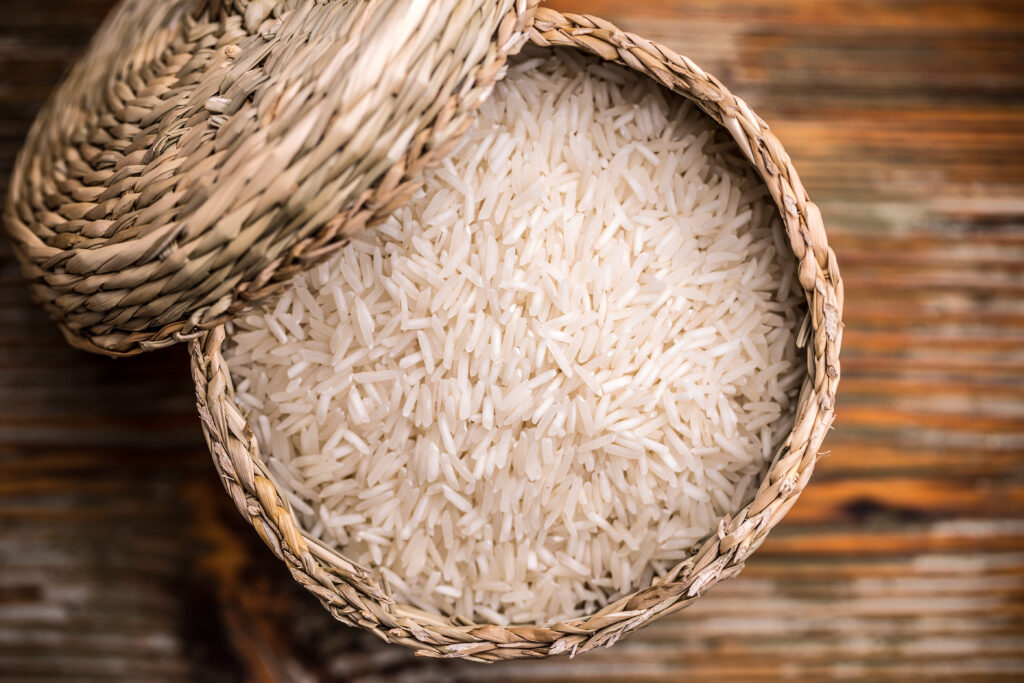
Large bags of flour, rice, sugar, oats, cornmeal, pasta, and cereal should not be stored in their original paper or plastic packaging in cabinets. Those packages tear easily, do not always seal tightly, and leave dry goods vulnerable to pantry pests. University of Minnesota Extension recommends storing insect-free dry foods in tightly sealed glass, metal, or heavy-duty plastic containers and advises keeping food storage areas clean by promptly removing crumbs and spilled food.
We should transfer bulk ingredients into airtight containers as soon as we open them. Clear labeling matters too. Write the product name and purchase date on the container, then use older products first. This simple habit prevents mystery flour, stale cereal, and half-used rice bags from piling up behind better-organized items.
Spices and Dried Herbs Above the Stove
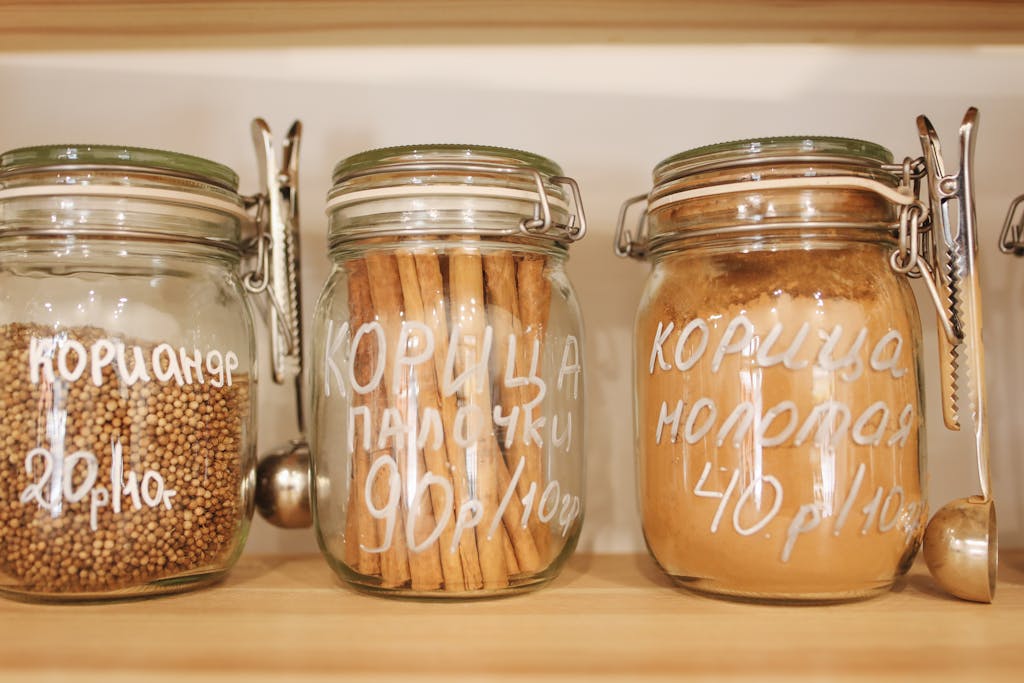
Spices and dried herbs are often stored in the worst cabinet in the kitchen: the one directly above the stove. That location feels convenient, but it exposes seasonings to heat and steam every time we cook. Paprika fades, garlic powder clumps, cinnamon loses its punch, and dried basil turns dusty instead of fragrant.
We should move spices to a cool drawer, a pullout rack away from the stove, or a pantry shelf with tight lids. The goal is not just neatness. It is flavor protection. A good spice setup lets us see what we own, prevents duplicate jars, and keeps seasonings strong enough to do their job.
Cleaning Supplies Under Food Cabinets
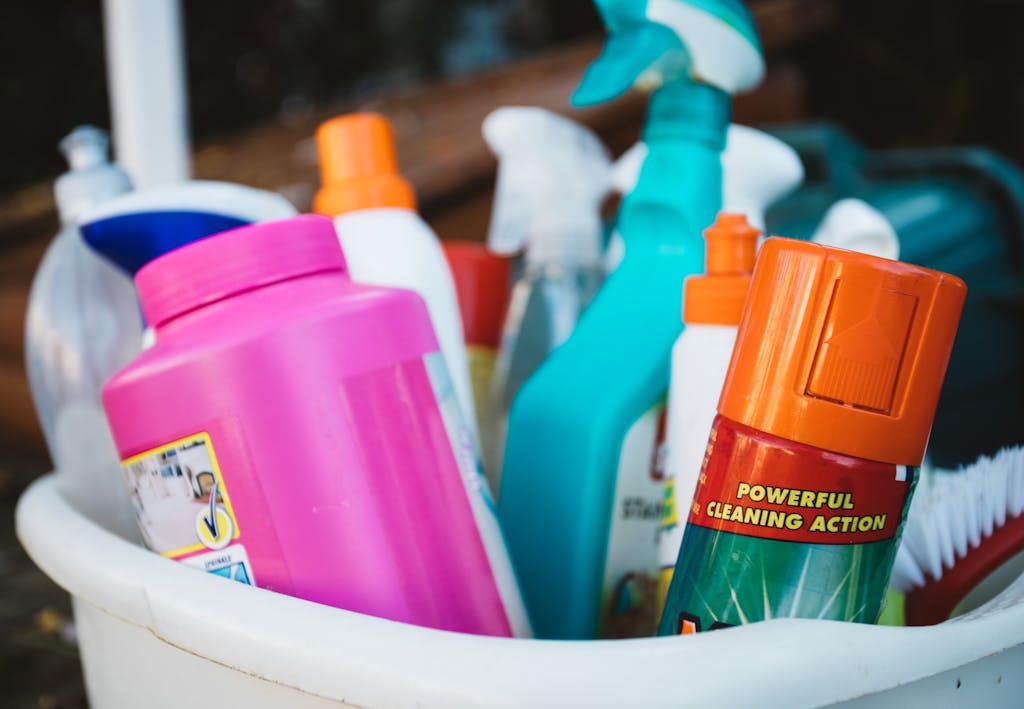
Cleaning sprays, bleach, oven cleaner, drain opener, dishwasher detergent, pesticides, and disinfectants should not be stored in the same cabinet as cookware, food, dishes, or utensils. Even a small leak can contaminate nearby items. Poison Control identifies products such as drain openers, oven cleaners, bleach, toilet bowl cleaners, and laundry detergent pods as hazardous, and recommends storing dangerous substances up, away, and out of sight.
We should move cleaning products to a locked utility area, laundry room, garage shelf, or a clearly separated cabinet that does not hold food-contact items. The original container matters too. Cleaning products should stay in labeled packaging so nobody mistakes them for something else. A kitchen cabinet should never force food and chemicals to compete for the same shelf.
Pesticides and Pest Control Products

Ant bait, roach spray, mouse poison, garden pesticide, and insect foggers do not belong in kitchen cabinets. These products are designed to kill pests, so they must be handled with greater caution than ordinary household items. The EPA warns that pesticides should never be stored in cabinets or near food, animal feed, or medical supplies, and recommends storing them in a well-ventilated utility area or garden shed and locking them.
We should keep pest control products entirely outside the food zone. If pests are already showing up in cabinets, the better move is to remove food sources, clean up crumbs, inspect dry goods, and properly seal pantry items. Spraying chemicals near plates, flour, cereal, or utensils increases household risk.
Flammable Products
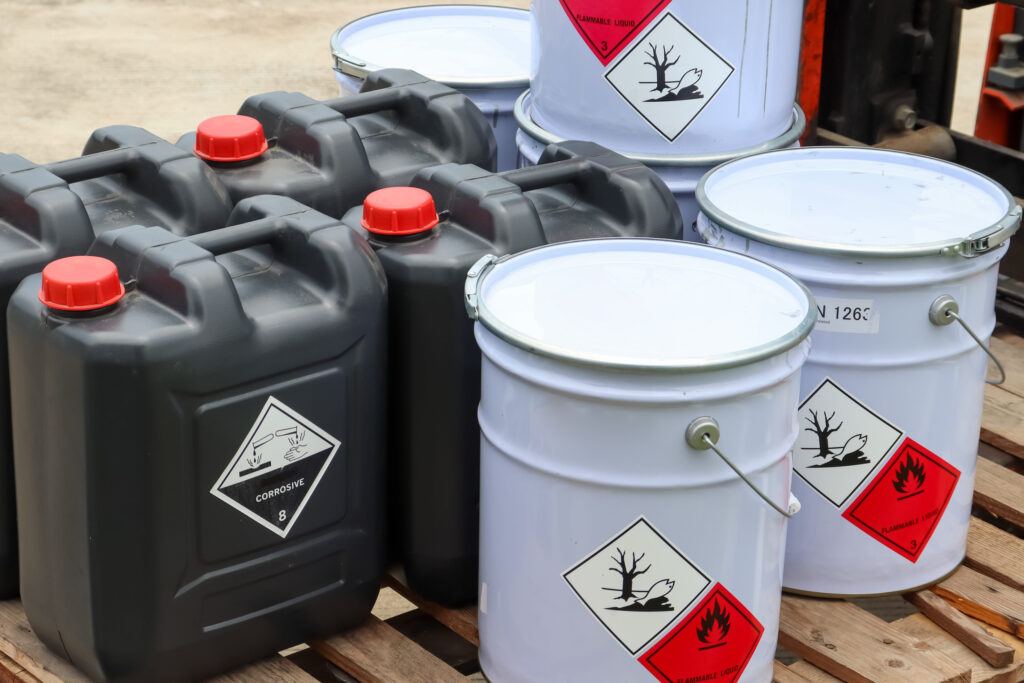
Lighter fluid, fuel canisters, fire starters, aerosol sprays, paint thinner, alcohol-based solvents, and other flammable products should never sit in kitchen cabinets. A kitchen has heat, pilot lights, burners, electrical appliances, and heavy traffic. That is a dangerous mix for products that can ignite.
OSHA storage rules for flammable liquids emphasize approved containers, proper storage in cabinets, and clear separation from unsafe areas. The EPA also advises storing flammable liquids outside the living area and away from ignition sources. We should store these items in a garage, shed, or approved storage area with adequate ventilation and kept away from heat. The kitchen is for cooking, not fuel storage.
Medicines, Vitamins, and Supplements

Medicines, vitamins, and supplements should not be casually stored in kitchen cabinets, especially near the stove, sink, dishwasher, kettle, or coffee maker. Kitchens swing between heat, moisture, and steam. MedlinePlus notes that heat, air, light, and moisture can damage medicine, and it recommends cool, dry storage away from the stove, sink, and hot appliances.
We should keep medicines in their original containers and place them in a dry, secure location out of reach and sight of children. A bedroom drawer, locked storage box, or dedicated medicine area often works better than a kitchen shelf. If a medication has special instructions, the label or pharmacist’s guidance should control the storage decision.
Paper Towels, Napkins, and Cookbooks
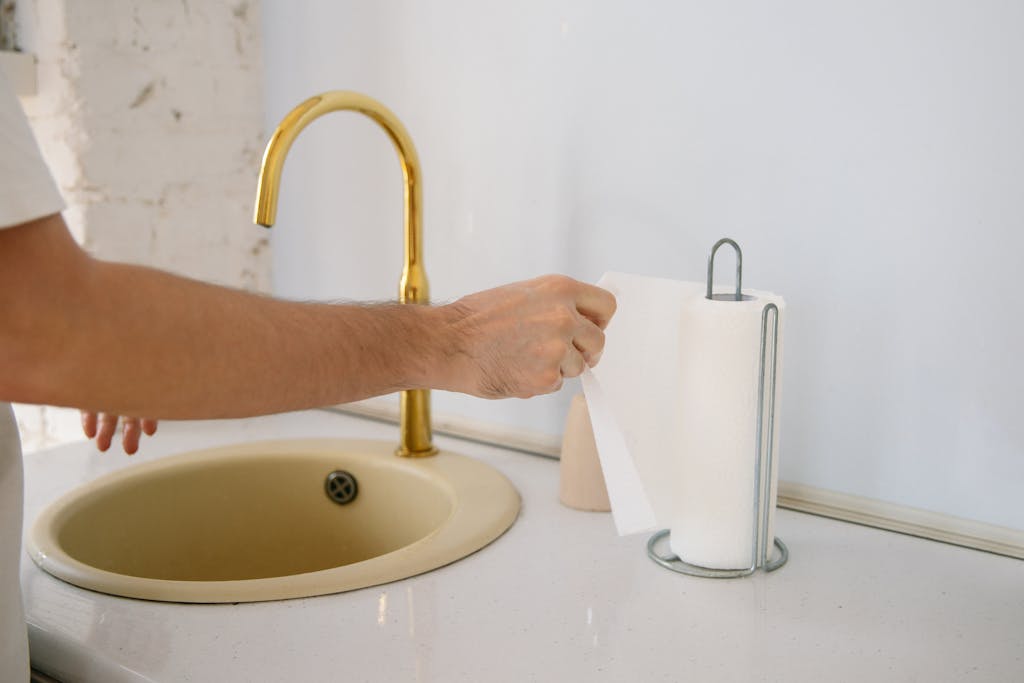
Paper towels, napkins, paper plates, recipe cards, and cookbooks should not live in damp or steamy kitchen cabinets. Paper absorbs moisture quickly. Once it warps, smells musty, or develops spots, it becomes unpleasant to use and can make the cabinet feel dirty even after cleaning.
We should store paper goods in a dry pantry, on a closed shelf, in a linen area, or in an upper cabinet, away from the sink and stovetop. Cookbooks deserve even more protection. Grease, steam, and cabinet humidity can curl pages and weaken bindings, so a dry shelf outside the cooking splash zone keeps them usable for years.
Small Electronics and Battery-Powered Gadgets
Digital thermometers, kitchen scales, timers, milk frothers, mini choppers, handheld mixers, chargers, spare batteries, and other electronic food gadgets should not be stored in damp cabinets. Moisture can corrode battery contacts, weaken circuits, and shorten the life of small devices. Cabinets near dishwashers and sinks create the highest risk because steam and leaks often go unnoticed.
We should store small electronics in a dry drawer with dividers or in a ventilated cupboard away from plumbing and heat. Batteries should stay in their packaging or in a proper battery organizer, not rolling loose near metal utensils. A good gadget drawer keeps tools dry, visible, and ready when we need them.
Non-Kitchen Clutter
Office supplies, school papers, craft items, receipts, batteries, light bulbs, tape, old mail, instruction manuals, and random household parts should not take over the kitchen cabinets. Once non-kitchen items enter the cabinet system, the kitchen loses its rhythm. We open three doors, looking for a pot lid, only to find expired coupons instead, and slowly turn prime cooking storage into a junk zone.
We should give every cabinet a kitchen-first purpose. Plates, bowls, glasses, pots, pans, pantry goods, baking tools, and meal-prep items deserve the easiest access. Paperwork belongs in a desk area. Tools belong in a toolbox. Random household extras belong in a labeled utility bin, not beside dinner plates.
Reusable Bags and Oversized Extras
Reusable shopping bags, tote bags, lunch bags, extra plastic containers, seasonal serving pieces, and oversized paper goods can quickly swallow cabinet space. These items look harmless because each one is light, but together they create bulky, messy storage. A cabinet stuffed with bags becomes hard to close and harder to clean.
We should limit kitchen cabinets to a small number of reusable grocery bags and move the rest to a mudroom, entryway, closet, car trunk organizer, or wall hook. Oversized extras should also be kept out of the main cooking zone unless they are used often. The more breathing room we create, the easier it is to maintain the kitchen.
Heavy and Bulky Appliances
Stand mixers, slow cookers, air fryers, bread machines, pressure cookers, large blenders, and roasting pans should not be stored in high cabinets unless the cabinet is built for that weight and the item can be removed safely. Heavy appliances can strain shelves, loosen hinges, and increase the risk of injury when we lift them down from above shoulder height.
We should store heavy appliances in lower cabinets, deep drawers, appliance garages, rolling carts, or pantry shelves at waist height. The safest storage spot is the one that lets us lift with both hands and avoid awkward reaching. If an appliance is used weekly, it deserves an accessible home. If it is used only twice a year, it can be moved to secondary storage.
Better Cabinet Habits That Prevent Clutter
We should treat cabinets as active work zones, not storage caves. Every shelf should answer one question: Does this item help us cook, serve, store food safely, or clean up meals? If the answer is no, it probably belongs somewhere else.
We should also audit the cabinets monthly. Check for stale food, leaky containers, duplicate spices, pest evidence, loose crumbs, and items that accidentally migrated into the kitchen. Pantry pests thrive when old products sit undisturbed, and extension guidance recommends using older products first, buying dry foods in manageable quantities, and keeping storage areas clean.
Conclusion
Kitchen cabinets work best when they hold fewer, safer, better-organized items. Bread needs airtight or freezer storage. Oils need a cool, dark place. Bulk grains need sealed containers. Spices need distance from heat. Chemicals, pesticides, medicines, and flammables need to be separated from food and cookware.
When we remove the wrong items, cabinets become easier to use immediately. We waste less food, reduce pest problems, protect appliances, lower safety risks, and make daily cooking feel smoother. A well-planned cabinet system does not just make the kitchen look tidy. It makes the whole room work better.