Vitamin K is one of those nutrients many people overlook, yet it quietly plays a crucial role in keeping your bones strong and your blood clotting properly. Skipping it can leave your body struggling to use calcium effectively and compromise long-term bone and heart health. You don’t need complicated supplements or exotic superfoods; these five accessible foods pack a powerful vitamin K punch.
Edamame
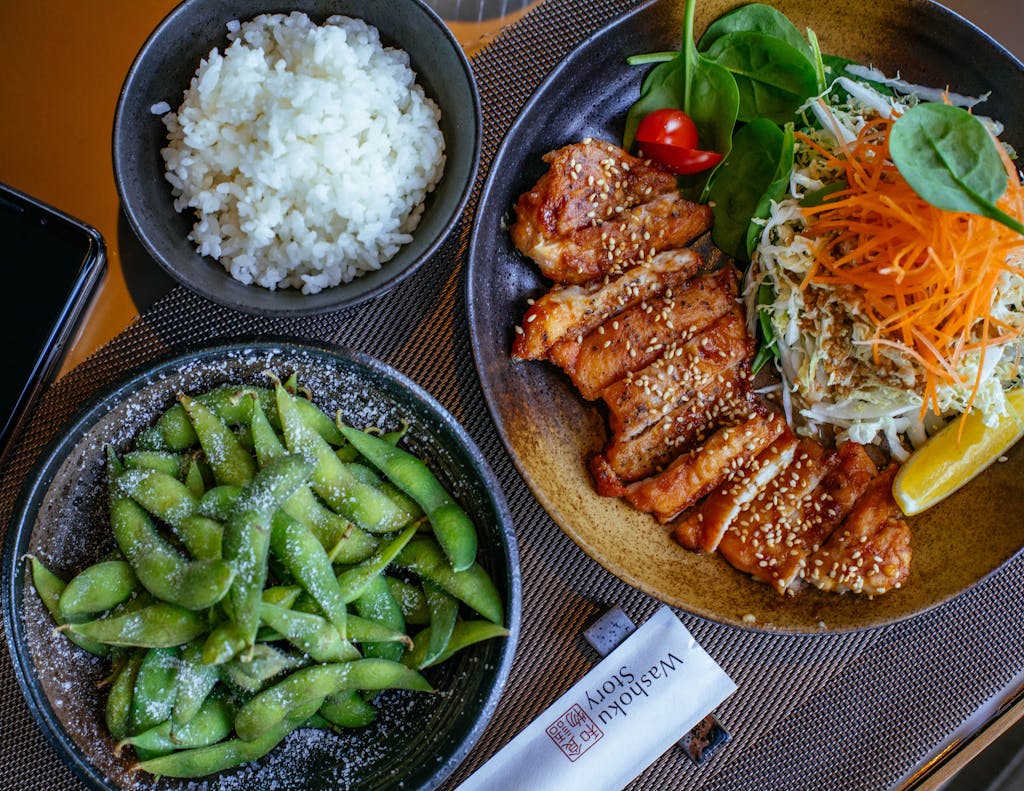
Edamame is often seen as just a plant-based snack, but it’s a hidden powerhouse for vitamin K. Steamed or lightly salted, these young soybeans also provide protein and fiber, making them a filling, nutritious option for any meal. Toss them into salads, stir-fries, rice bowls, or even pasta to boost your vitamin K intake effortlessly.
Kiwi

Fruits rarely get credit for vitamin K, but kiwi is a standout. Beyond its sweet, tangy flavor, kiwi delivers a decent amount of vitamin K along with antioxidants and fiber. Slice it over yogurt, blend it into smoothies, or add it to fruit bowls to make a simple, vitamin-rich addition to breakfast or snacks.
Turnip Greens
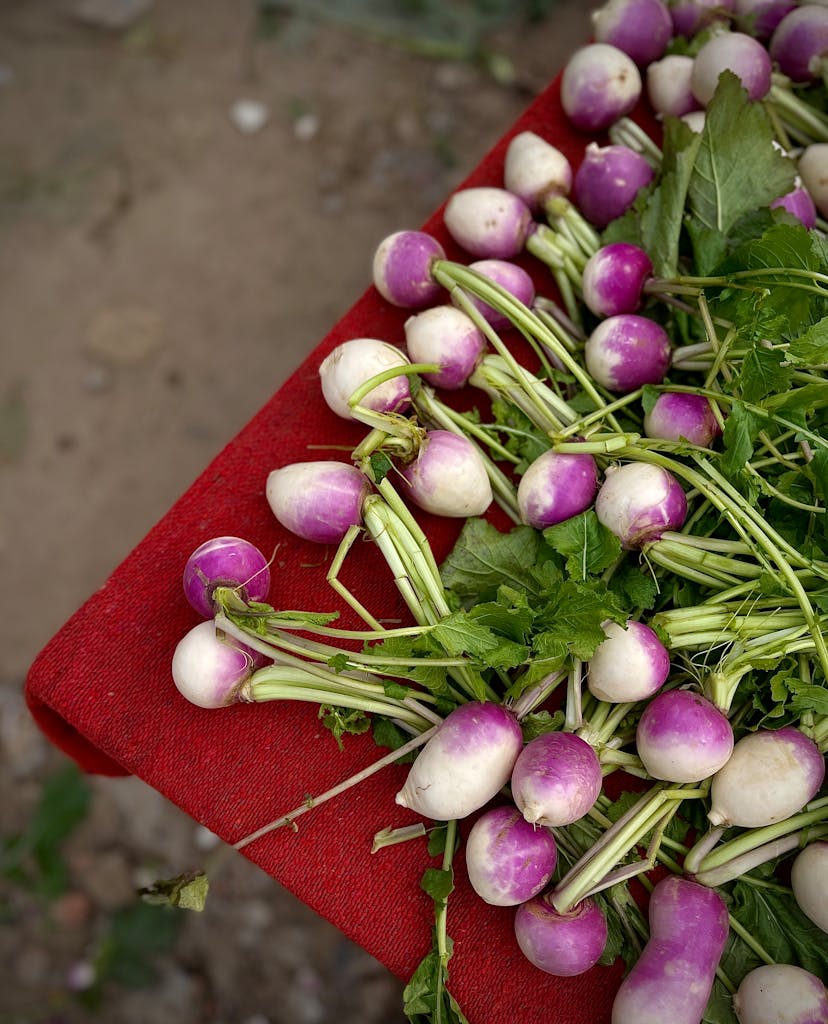
Many people eat the root but discard the greens, missing out on a significant source of vitamin K. Turnip greens have a robust, slightly peppery flavor that works well sautéed with garlic or tossed into soups and stews. Pairing them with a small amount of healthy fat, such as olive oil, helps your body absorb vitamin K more effectively.
Prunes
Prunes are often underestimated because they’re associated mainly with digestion, but they provide vitamin K and natural sweetness without extra sugar. Chop them into oatmeal, yogurt, or trail mix for a simple nutrient boost. They’re easy to incorporate into your diet, and their flavor blends seamlessly with both sweet and savory dishes.
Parsley
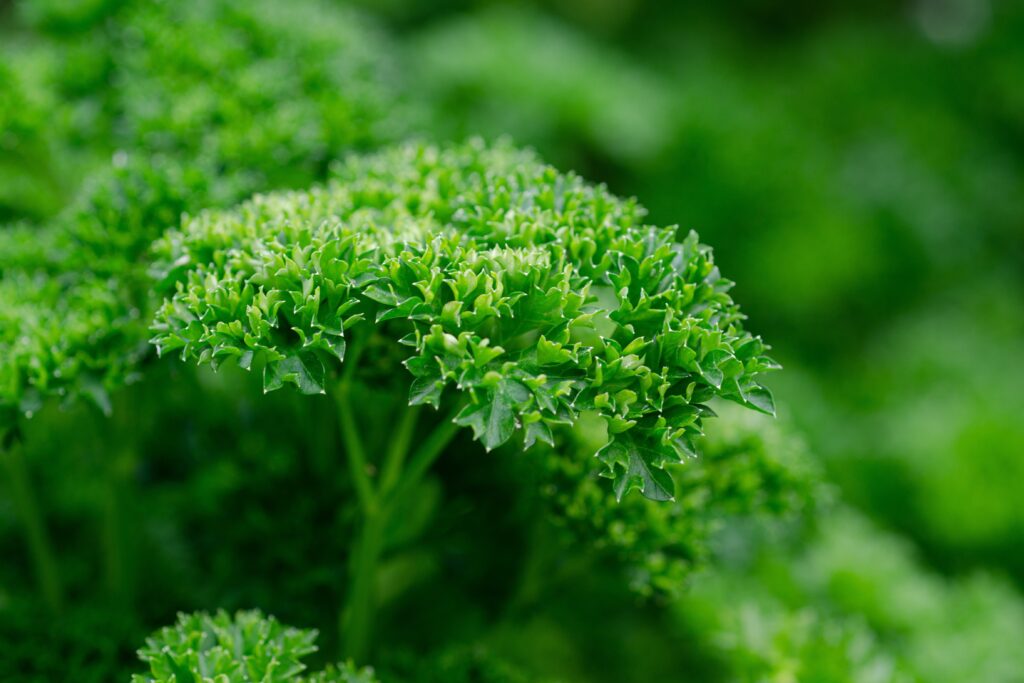
Parsley is often left on the plate as a garnish, yet it’s a small herb with a big impact. It adds a surprising amount of vitamin K while enhancing flavor in rice, soups, omelets, salads, and roasted vegetables. Using parsley regularly ensures you get steady vitamin K without dramatically changing your meals.
Conclusion
Vitamin K doesn’t need to be complicated. Focusing on these five foods- edamame, kiwi, turnip greens, prunes, and parsley- helps you protect your bones, support healthy blood, and strengthen your overall nutrition. Small, consistent changes can make a big difference, and adding a little healthy fat with each serving ensures your body makes the most of every bite.