Art is often perceived as a carefree and fun subject, but it’s more demanding than it might seem. For many art students, the journey of creating exceptional artwork is filled with challenges, self-doubt, and inevitable mistakes.
These mistakes can hinder progress, resulting in less-than-ideal portfolios and frustrating experiences. In this article, we will explore the most common errors art students make and offer practical advice to help you avoid them, ensuring a more successful and fulfilling art journey.
Underestimating the Workload

Many students enter the world of art with a misconception that it’s an easy, enjoyable subject, full of spontaneous creativity and free expression. While it certainly has its fun aspects, art demands much more than just playing with colors and shapes.
To succeed in art, students need to be prepared to commit substantial time and effort to their projects. From sketching and painting to researching artist models and refining techniques, the workload can be overwhelming. Approach art with genuine passion and a strong work ethic if you wish to thrive.
Lack of Skill Development
Every artist has areas in which they excel and areas where they need improvement. It’s important to embrace your strengths while acknowledging and working on your weaknesses. Flaunting poor skills, such as messy brushwork or inaccurate drawing, can detract from the overall quality of your portfolio.
Instead, focus on presenting your strengths in a way that aligns with the project, and use your weaknesses strategically. If you’re not great at realistic drawing, for example, consider working with a more abstract or gestural approach to explore your skills in a less conventional way.
Failure to Show Development
One of the most important aspects of art projects is demonstrating how your ideas develop. Many students make the mistake of submitting a collection of disconnected or underdeveloped works. An art portfolio should showcase the evolution of your ideas from the initial concept to the final piece.
Take time to experiment, revise, and refine your work. Show the progression of your thoughts, techniques, and style throughout the project, as this demonstrates not only your creativity but also your ability to grow as an artist.
Ignoring Composition
A strong composition is essential in creating visually compelling art. Many students fall into the trap of creating weak or uninspiring compositions that lack depth or balance. To avoid this mistake, pay close attention to how you arrange elements within your work.
Ensure your compositions are dynamic, interesting, and provide sufficient opportunity for exploration. Avoid cliché subjects like hearts or roses, and strive for originality. Challenging yourself with complex arrangements can lead to more satisfying and impactful results.
Procrastination
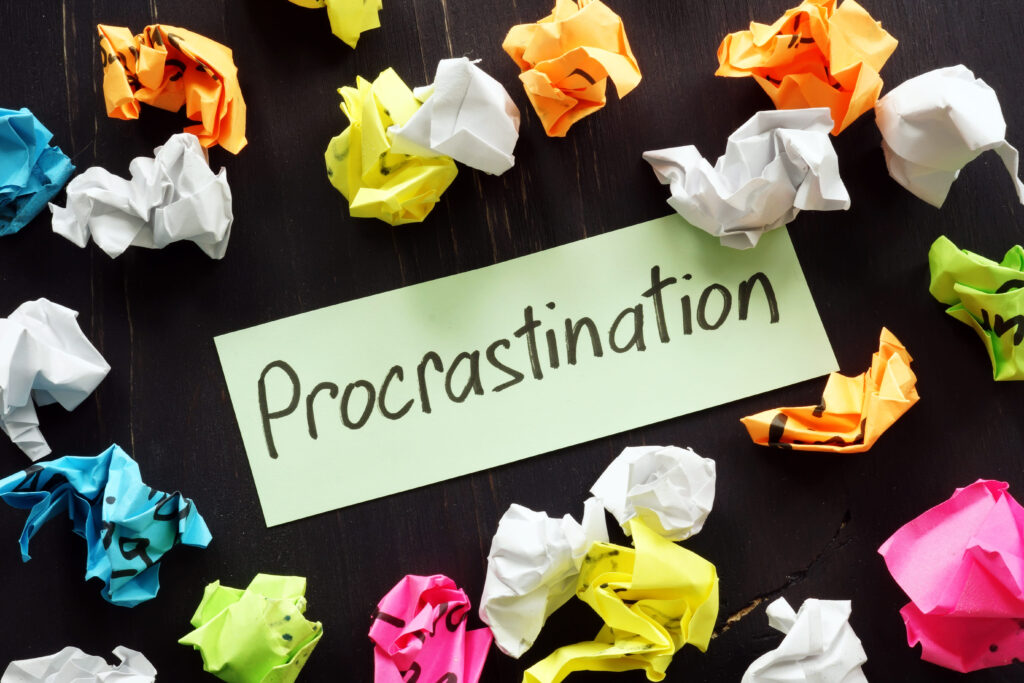
Procrastination can be the ultimate barrier to success for art students. While it might work in other subjects where cramming or memorizing can lead to success, art demands consistent effort and time. Delaying the start of your projects can lead to rushed, subpar results.
To avoid this mistake, adopt a proactive approach and start early. Break your project into manageable tasks, set deadlines, and stay disciplined in your work ethic. This will help ensure that your art projects are not only completed on time but also at the highest possible standard.
Overcomplicating the Process
Perfectionism is a common challenge in the world of art. Some students often fall into the trap of constantly restarting their work, hoping for the “perfect” final result. However, this can lead to unfinished projects and a lack of completed work.
Rather than obsessing over every minute detail, embrace the process and allow your artwork to develop naturally. Mistakes and imperfections are part of the artistic journey, and working over layers or refining elements can often lead to richer, more dynamic results.
Excessive Annotation
Annotation is an essential part of art projects, but it can become a form of procrastination for some students. Spending excessive time writing lengthy explanations or descriptions can take away valuable time from actual artwork creation.
While it’s important to reflect on and evaluate your work, remember that the primary focus should be on creating exceptional art. Use annotation to refine your ideas and explain your choices, but prioritize the visual aspects of your project.
Relying Too Much on Second-Hand Sources
Drawing or painting from second-hand sources, such as images from the internet or magazines, is a mistake many students make. While it’s acceptable in some cases, relying heavily on such resources can result in shallow work that lacks originality.
Art is about personal expression and connecting with your subject matter. Instead of simply copying an image, take the time to create your own reference materials. Explore real-life subjects or find unique sources of inspiration that resonate with you personally, allowing your work to be more authentic and meaningful.
Poor Presentation
Presentation is a vital aspect of any art project. The way you present your work can greatly affect how it’s perceived by examiners or evaluators. Scrunched, messy, or poorly presented artworks may give the impression of carelessness or a lack of commitment.
Take the time to neatly arrange and mount your work, paying attention to detail. The effort you put into a presentation reflects your professionalism and dedication, and it can make a significant difference in the final impression of your portfolio.