While we often assume the bathroom is the dirtiest place in our homes, many everyday items harbor far more germs than our toilet seats do. These unsuspecting objects carry bacteria, viruses, and other harmful microorganisms that can impact your health. In this article, we’ll uncover the surprising household items you need to clean more frequently to reduce your exposure to unwanted germs and improve your home’s hygiene.
Kitchen Sponges
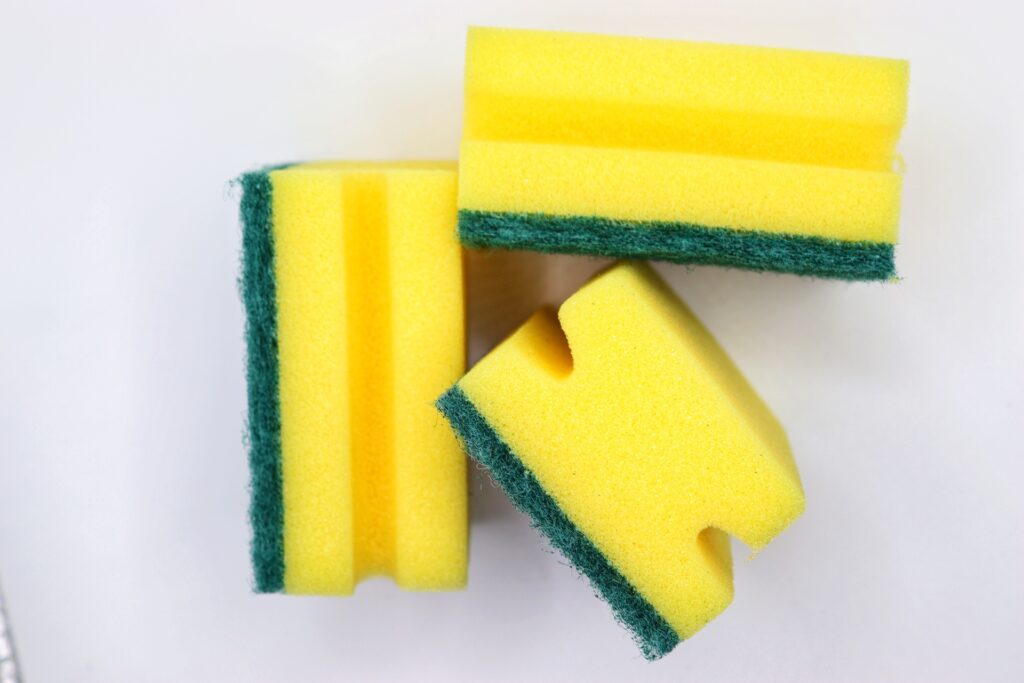
Kitchen sponges are one of the dirtiest items in your home, often harboring more bacteria than your toilet seat. The damp, porous texture creates a perfect breeding ground for germs, particularly after contact with food particles. Sponges can accumulate harmful bacteria like E. coli and salmonella, which can then spread to the surfaces you clean. With frequent use, they can become germ hotspots if not properly sanitized or replaced.
Ways to sanitize your sponges:
- Microwave for sanitation: Place the wet sponge in the microwave for one minute to kill bacteria.
- Dishwasher clean: Wash your sponge on a hot cycle in the dishwasher to disinfect it.
- Regular replacement: Swap out sponges every few weeks to avoid excessive bacteria buildup.
Smartphones
It’s no surprise that smartphones are some of the most bacteria-laden devices in the home. We touch them throughout the day, expose them to various surfaces, and often neglect to clean them. A 2017 study found that the average smartphone has more bacteria than a toilet seat, with germs spreading quickly through calls, text messages, and app usage. These bacteria can cause infections if they come into contact with our faces or hands.
Tips to reduce bacteria on your phone:
- Use antibacterial wipes: Gently wipe down your phone’s screen with a disinfecting wipe.
- Store your phone cleanly: Avoid placing your phone on public surfaces like counters or bathroom floors.
- Invest in a protective case: A case can help reduce direct contact with the device and make it easier to sanitize.
Remote Controls
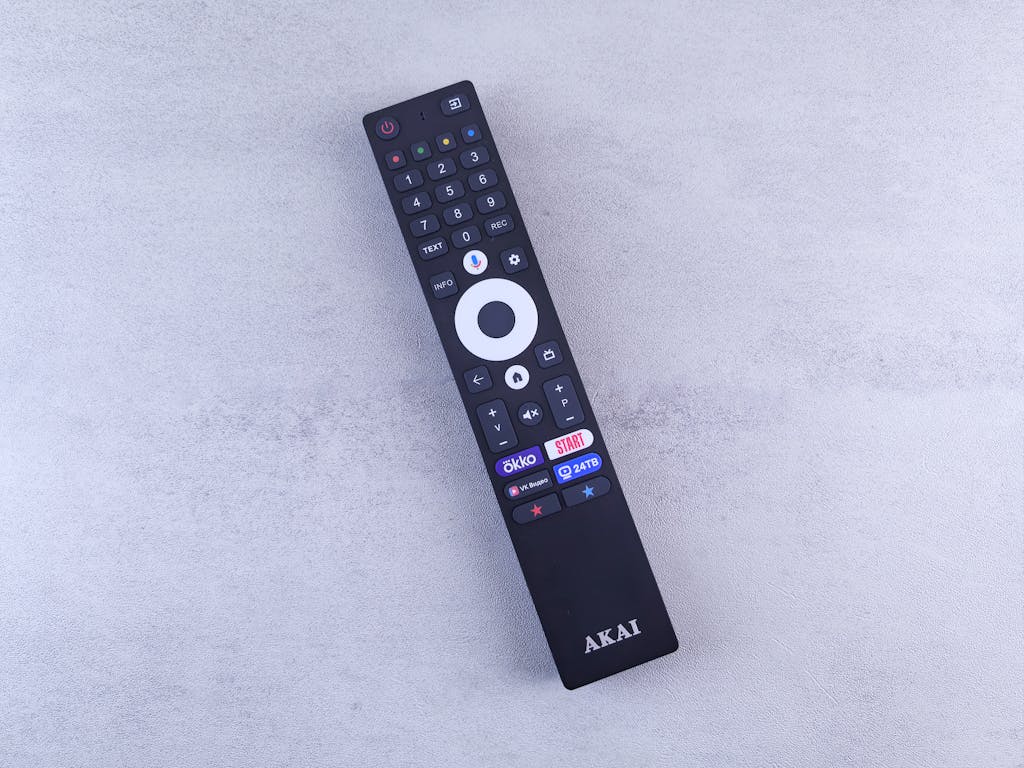
The remote control is one of the most frequently touched items in any home, yet it’s often overlooked during cleaning. From food particles to germs transferred from hands, remotes collect bacteria with each use. With multiple family members handling the remote, the germs spread quickly, making it a prime source of contamination. Regular cleaning is essential to reduce the risk of illness.
Sanitization tips for remote controls:
- Wipe regularly: Clean your remote with a disinfectant wipe every few days.
- Target high-touch areas: Focus on buttons, where bacteria tend to accumulate.
- Keep it in a clean spot: Place remotes on surfaces that are frequently wiped down, like coffee tables.
Doorknobs and Light Switches
Doorknobs and light switches are often touched countless times a day, making them prime breeding grounds for germs. Studies show that these frequently touched surfaces carry a wide range of bacteria, including respiratory viruses, skin bacteria, and more. With guests, children, and family members constantly using them, it’s no wonder that they rank among the dirtiest items in the home.
Clean your doorknobs and switches effectively:
- Daily disinfection: Use a disinfectant cloth or wipe to clean them daily.
- Focus on commonly used areas: Prioritize doorknobs, light switches, and cabinet handles.
- Consider motion sensors: Using motion sensor lights or automatic door openers can reduce contact.
Handbags and Backpacks

Your purse or backpack might seem like an innocent accessory, but it’s often dirtier than you think. These bags are constantly exposed to public surfaces, such as floors, benches, and restaurant tables. After being placed on these contaminated areas, they absorb dirt, bacteria, and germs. When you carry your bag around, you’re unknowingly transferring these germs to your hands and the surfaces you touch.
How to manage the cleanliness of your bags:
- Regularly wipe down: Use a disinfecting wipe to clean the exterior of your purse or backpack.
- Avoid placing on dirty surfaces: Always hang your bag on a hook or place it on a clean surface.
- Vacuum the interior: Clean out crumbs and debris from your bag to prevent bacterial buildup.
Pet Toys
If you have pets, their toys are likely carrying more germs than you realize. Pets often lick, chew, and slobber on their toys, transferring bacteria from their mouths to the objects they play with. Over time, these toys can accumulate harmful germs, particularly if they are not cleaned regularly. The more they interact with the toys, the more bacteria are introduced.
Ways to keep pet toys clean:
- Wash pet toys regularly: Clean chew toys in warm, soapy water or place them in the dishwasher.
- Disinfect with pet-safe cleaners: Use non-toxic disinfectants when cleaning toys.
- Dry thoroughly: After cleaning, make sure the toys are completely dry to avoid mold and bacteria growth.
Your Mattress
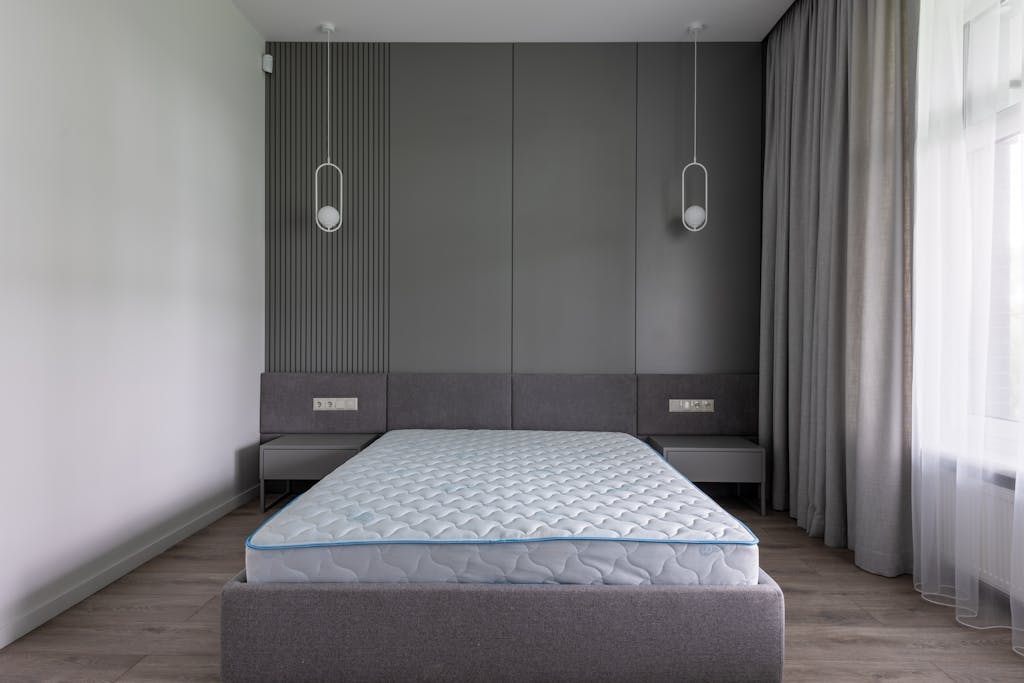
You might think your bed is a sanctuary of comfort and cleanliness, but it’s actually one of the dirtiest places in your home. Your mattress accumulates sweat, skin cells, and dust mites, all of which can harbor bacteria and allergens. Additionally, bacteria from the bathroom or kitchen can transfer onto your bedding, making it important to maintain a regular cleaning routine to ensure a hygienic sleep environment.
Steps to maintain a clean mattress:
- Change sheets weekly: Wash your sheets and pillowcases regularly to remove dirt and oils.
- Vacuum the mattress: Use a vacuum to remove dust, allergens, and dead skin cells.
- Use a mattress protector: A high-quality mattress protector can act as a barrier against spills, stains, and allergens.