Using public transit can be a cost-effective and convenient way to get around, but it also requires being mindful of others and following proper etiquette. Whether you’re a daily commuter or an occasional traveler, knowing what to do (and what not to do) on public transit can help ensure a smooth experience for everyone. Let’s explore the most important rules for public transit behavior and why they matter.
Don’t Block the Doors
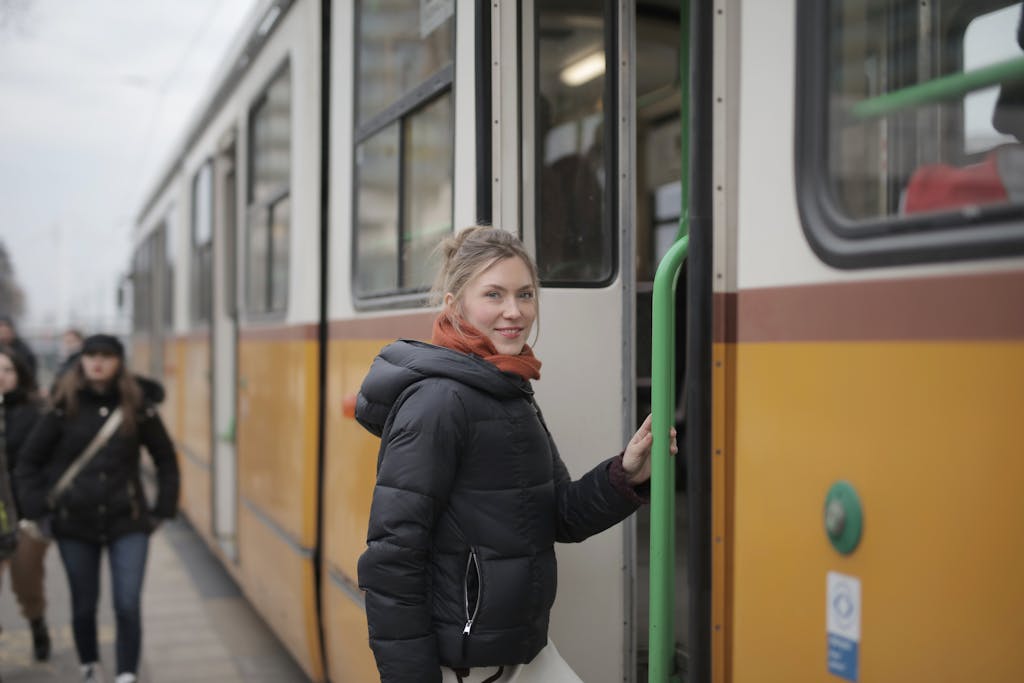
One of the most irritating things you can do on public transit is to block the doors. When you’re standing near the doors, preventing others from boarding or exiting, you disrupt the flow of passengers and cause unnecessary delays. Always move toward the back of the vehicle after entering and exiting quickly when your stop arrives. This ensures everyone can get on and off with ease, keeping things moving smoothly.
Keep Your Phone on Silent
It’s tempting to chat on the phone or listen to loud music while on the bus or train, but it’s crucial to be considerate of others. Keeping your phone on silent or vibrate helps maintain a peaceful atmosphere, especially in crowded spaces. If you absolutely must take a call, do so quietly and away from others to avoid disturbing those around you. Remember, public transit is a shared space, and not everyone shares your taste in music or conversations.
Give Up Your Seat for Those in Need

Public transit seats are not reserved for the most comfortable people; they’re for those who need them most. If you see elderly passengers, pregnant women, or people with disabilities, offer them your seat immediately. It’s a simple gesture of kindness that can make a huge difference in someone’s day. Prioritize empathy and respect when riding transit.
Don’t Hog the Seats
If you’re traveling during peak hours, the last thing you want is to find all the seats taken by someone’s belongings. Keep your bags, jackets, and other items on your lap or between your feet to leave seats available for others. Being mindful of limited space helps ensure everyone has a chance to sit, particularly in overcrowded conditions.
Maintain Personal Space
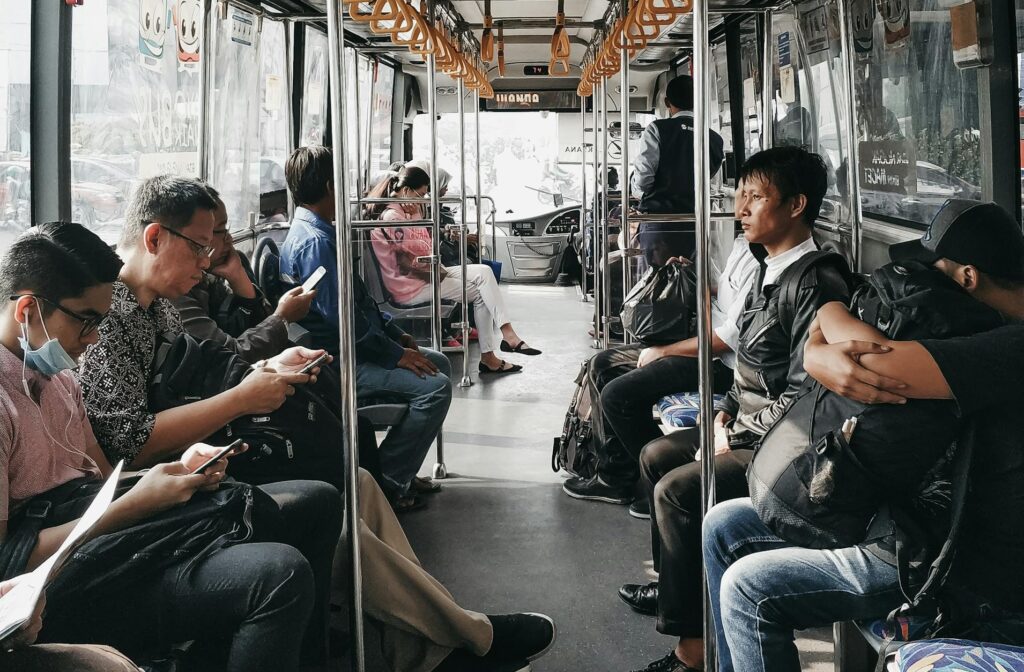
Personal space is key to making the public transit experience comfortable for everyone. While you may be in close quarters with fellow passengers, it’s important to be aware of how much room you’re taking up. Keep your elbows close to your body, refrain from sprawling out into the aisle, and avoid leaning on others. Being mindful of space will help you and your fellow passengers feel more at ease.
Avoid Eating Smelly Foods
While it may seem harmless, eating smelly foods on public transit is not only inconsiderate but can also make the ride uncomfortable for everyone around you. Strong-smelling foods like fast food, tuna sandwiches, or garlic-heavy dishes should be avoided, as they can linger in the air and make others feel uneasy. If you must eat on your commute, opt for something discreet and odorless, and always clean up after yourself.
Don’t Block the Aisle
Standing or sitting in the aisle can cause bottlenecks and make it difficult for other passengers to move. Whether you’re standing while holding onto a pole or sitting with your bag in the aisle, be mindful of the space you’re occupying. Keep the aisles clear so others can move freely and easily throughout the vehicle. This is especially important when the vehicle is crowded, as it allows passengers to get off at their stop without obstruction.
Respect the Priority Seating Areas
Priority seats are reserved for people who need them most, such as elderly passengers, pregnant women, and people with disabilities. If you are sitting in a priority seat, and someone who needs it boards, kindly vacate the seat immediately. These seats are not a luxury but a necessity for those who rely on them, so it’s vital to follow this etiquette without hesitation.
Be Mindful of Your Volume
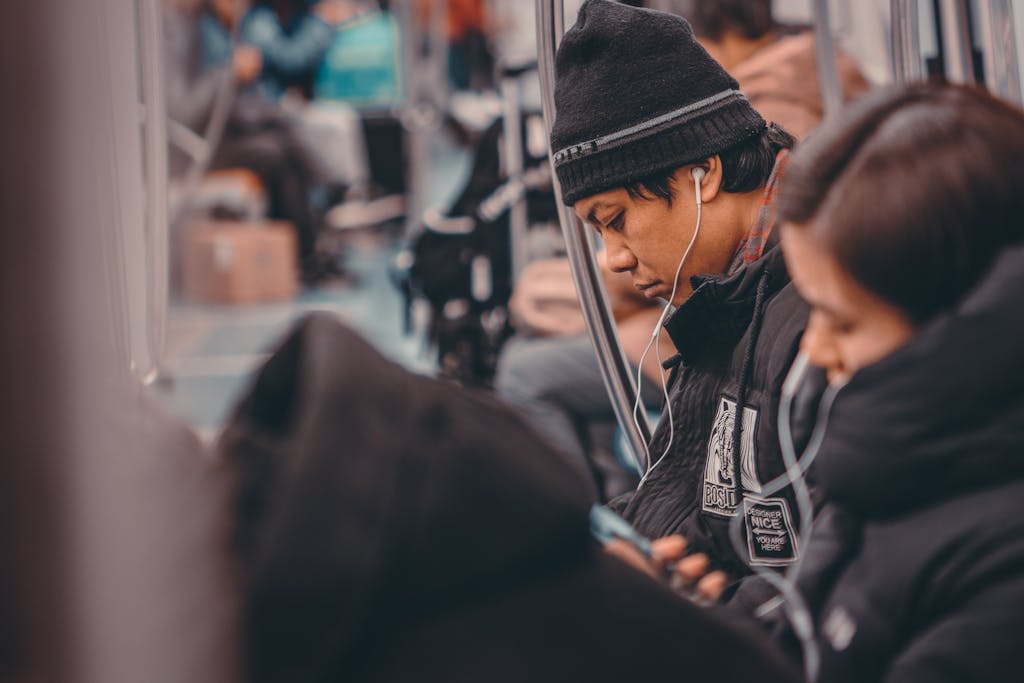
Whether you’re speaking with a friend or listening to music, make sure the volume is at an appropriate level. Loud conversations or music can easily irritate other passengers, especially in the confined space of a bus or train. If you’re conversing, keep it to a whisper; if you’re listening to music, use headphones. Being aware of noise levels helps make the ride more enjoyable for everyone.
Dispose of Trash Properly
Public transit vehicles and stations are shared spaces, and it’s essential to keep them clean. Dispose of your trash, wrappers, or cans properly in designated bins. If there isn’t a bin nearby, take your trash with you and dispose of it at your destination. This small act of responsibility helps maintain a clean environment for fellow riders and encourages others to do the same.