Sitting can feel like rest, but too much of it can quietly work against the body. Many adults over 40 sit at a desk, in a car, at the dinner table, and then on the couch at night. That makes it easy to miss the hidden health risks of prolonged sitting.
The body was made to move. It does not need hard exercise every minute, but it does need regular movement. Long sitting has been linked with higher risks for heart disease, type 2 diabetes, some cancers, weight gain, and early death, especially when it becomes a daily routine.
Your Heart Has To Work Against A Slower Body

The heart likes movement because movement helps blood flow. When you sit for hours, your body uses less energy, and your blood flow is less vigorous. That can put extra pressure on your heart over time. This matters more after 40 because heart health becomes easier to overlook.
The American Heart Association says being inactive and sitting too much are linked with higher risks of heart disease, type 2 diabetes, colon and lung cancers, and early death. That does not mean one lazy evening is dangerous, but it does mean long sitting should not become your norm.
Your Blood Sugar May Start Acting Up
Blood sugar is the amount of sugar moving through your blood. Your body uses it for energy. When you sit too long, your muscles do not help your body use that sugar as well.
The NHS says sitting for long periods is thought to slow the metabolism, which can affect how the body controls blood sugar, blood pressure, and fat breakdown. This is one reason sitting too much can be risky for adults who already worry about weight, diabetes, or family health history.
Your Mood May Drop Without Warning
Sitting too long does not only affect the body. It can affect the mood too. A long day in one chair can leave a person feeling flat, restless, or easily annoyed.
This can happen even when nothing “bad” happened that day. The body and brain need movement to feel awake and balanced. The World Health Organization says physical activity can reduce symptoms of depression and anxiety, improve brain health, and support overall well-being.
Movement helps wake up the brain. The CDC says regular physical activity can help keep thinking, learning, and judgment skills sharp as people age. It can also support better sleep and lower short-term feelings of anxiety in adults.
Your Back And Hips Can Become Stiff

A chair may feel comfortable at first, but your body may disagree after several hours. Long sitting can make the back, hips, and neck feel tight. It can also worsen posture because many people lean forward toward their phones or computers.
After 40, stiffness can feel more pronounced because the body may not bounce back as quickly. Simple breaks can help. Standing, stretching, walking around the room, or gently moving the hips can remind the body that it is not stuck in one position all day.
Your Legs May Swell Or Feel Heavy
Your legs need movement to help blood flow back toward the heart. When your legs stay still for too long, blood can pool in the veins. That can make your feet, ankles, or legs feel heavy, tight, or swollen. Long sitting can also raise the risk of blood clots for some people, especially during long travel.
The CDC says sitting for long periods without getting up can cause blood to pool in leg veins, which can lead to blood clots. Anyone traveling more than 4 hours by plane, car, bus, or train may face some risk, though it is higher for people with other clotting risk factors.
Your Muscles Can Get Weaker
Muscles need to be used to stay strong. When you sit too much, your legs, hips, and core do less work. Over time, simple things like climbing stairs, carrying groceries, or getting up from the floor can feel harder.
This is why strength matters after 40. You do not need to lift heavy weights to start. The CDC recommends that adults get 150 minutes of moderate-intensity activity each week, along with muscle-strengthening activities at least 2 days a week.
Your Brain Can Feel Foggy

Too much sitting can make your mind feel dull. You may read the same line twice, forget why you walked into a room, or feel slow during simple tasks. That foggy feeling can get worse when sitting is mixed with poor sleep and too much screen time.
Your Daily Energy Can Sink
It seems strange, but sitting all day can make you feel tired. The body may feel sleepy because it has stayed in low-power mode for too long. A quick walk can sometimes do more for energy than another cup of coffee.
Small movement breaks can reset the day. Walk after meals, stand during phone calls, stretch during TV time, or take the stairs when you can. Better Health notes that sitting less doesn’t have to be hard and that simple physical activity can fit into everyday life.
The Simple Fix Is To Move Before Your Body Complains
You do not have to quit your desk job or spend hours at the gym. The better goal is to break up long sitting. Stand every 30 to 60 minutes, walk for a few minutes, stretch your calves, roll your shoulders, or do a few slow squats near your chair.
Mayo Clinic reports that people who sat more than eight hours a day with no physical activity had a death risk similar to the risks linked with obesity and smoking. Still, moderate daily activity helped offset the effects of too much sitting. That is a strong reminder that movement does not need to be perfect to matter.
Your Belly Fat Can Creep Up Slowly
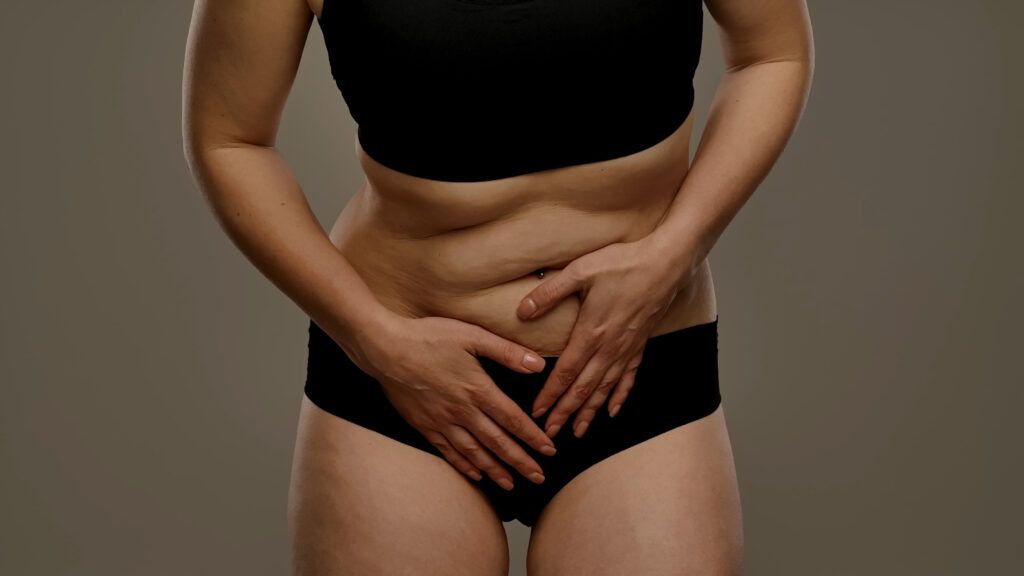
One of the sneakiest changes after 40 is belly weight. It may not arrive all at once. It can show up slowly, one tight waistband at a time. Sitting burns less energy than standing, walking, or doing light chores.
Mayo Clinic notes that too much sitting has been linked with obesity and a group of problems called metabolic syndrome, including high blood pressure, high blood sugar, excess abdominal fat, and unhealthy cholesterol levels. That is why movement matters even when you are not doing a full workout.
Conclusion
Sitting too long can look harmless because it feels normal. But after 40, the body may start showing quite a few signs that it needs more movement. Your heart, blood sugar, weight, back, legs, brain, mood, muscles, and energy can all feel the cost.
The good news is simple. You do not need a dramatic plan. You need more small movement breaks, more walking, more stretching, and fewer long hours frozen in one spot. Your body will notice the difference before you think.