Bringing a puppy or new dog into your home is an exciting adventure, but it also comes with its challenges, especially when it comes to training. Whether you’re welcoming a furry friend for the first time or adopting a rescue dog, laying down the groundwork early can save you time, money, and a lot of frustration. With a few key strategies, you can ensure your dog becomes a well-mannered companion, making your home a happier and healthier place for both of you.
Start Training as Soon as Possible
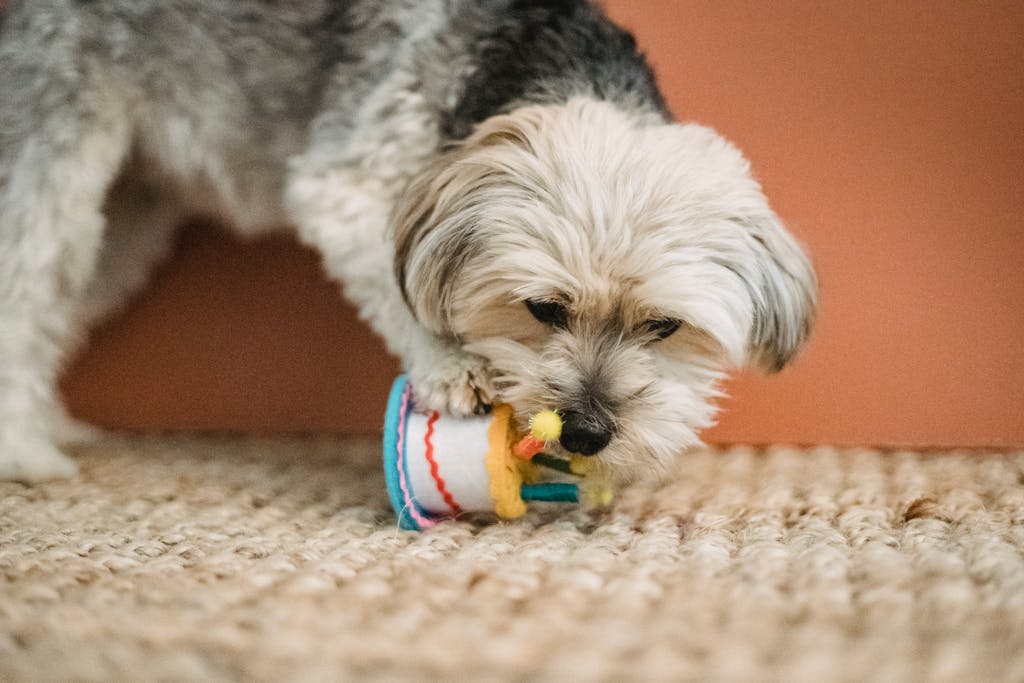
The key to a well-behaved dog begins with starting training early. Puppies are most receptive to learning from a young age, so the sooner you start, the better. By establishing good habits from the beginning, you set your dog up for success in the long run. This is especially important for housebreaking, teaching where to eat, and learning essential commands.
Positive Reinforcement
Positive reinforcement is one of the most effective training techniques. Rewarding your dog with treats, praise, and affection when they display good behavior helps reinforce those actions. For example, praise them when they go potty in the correct spot or follow a simple command like “sit.” This method builds a strong bond between you and your dog, making them more likely to repeat positive behaviors.
Avoid using punishment as it can lead to fear and anxiety, ultimately hindering the learning process. A well-timed reward, on the other hand, makes training fun and effective, ensuring your dog associates good behavior with positive outcomes.
Master the Basic Commands

Teaching your dog basic commands such as “sit,” “stay,” and “come” is the foundation of training. These commands help establish control and ensure your dog behaves appropriately, especially when guests are around or during outdoor activities. Use simple, consistent commands so your dog can easily recognize their meaning.
For example, when teaching “sit,” use a firm yet friendly voice. Say “sit,” then gently guide their bottom to the ground. As soon as they sit, offer praise and a treat. Repetition is key to helping your dog connect the verbal command with the physical action.
Crate Training
Crate training is an essential tool for housebreaking and keeping your dog safe when you’re not around. When used correctly, a crate provides a secure, den-like space for your dog to retreat to, helping with anxiety and preventing destructive behavior when you’re away. However, it’s crucial to ensure your dog has a positive experience with their crate.
Introduce your dog to the crate gradually, never using it as punishment. Make sure they have plenty of toys and a comfortable bed inside. Remember, puppies should not be crated for long periods. A general rule is no more than four to five hours for puppies and six to eight hours for adult dogs.
Socialization
Early socialization is critical for raising a well-adjusted dog. Expose your puppy to a variety of people, animals, and environments, especially after they’ve completed their vaccinations. Socialization helps reduce anxiety, making your dog more confident and adaptable in new situations.
Meeting other dogs and experiencing different environments helps ensure your dog doesn’t become fearful or aggressive in unfamiliar situations. Take your dog on regular outings, visits to the park, or introduce them to family members and neighbors to build their social skills.
Exercise

Regular exercise is crucial to your dog’s physical and mental health. Daily walks, playtime, and outdoor adventures help burn off excess energy, keeping your dog calm and content. Exercise also stimulates your dog’s mind, allowing them to explore the world through scents and sounds, which is mentally enriching.
Walks provide the added benefit of teaching your dog where to potty, reinforcing housebreaking. They also help establish a routine, which is essential for your dog’s mental well-being.
Keep Training Sessions Short and Fun
Puppies have short attention spans, so it’s important to keep training sessions brief and engaging. Experts recommend 5-10-minute sessions several times a day to ensure your dog stays focused and enjoys the process. Spending too much time training can overwhelm your dog, leading to frustration.
Reward your dog frequently during these short sessions with their favorite treats and plenty of praise. This will help maintain their enthusiasm and encourage them to continue learning.
Seek Professional Help If Necessary

Not all dogs learn at the same pace, and some may face behavioral challenges that require expert guidance. If you’re struggling with training or noticing signs of aggression, excessive barking, or anxiety, seeking help from a professional dog trainer or behaviorist is a good idea.
A professional can provide tailored training techniques to address your dog’s specific needs and ensure they become the well-behaved companion you’ve always wanted.
Consistency is Key to Success
When it comes to dog training, consistency is everything. Always use the same words and gestures for each command. For example, if you’re teaching “sit,” use the same tone and hand motion every time. Dogs thrive on routine, so if you’re consistent with your commands and actions, your dog will understand what is expected.
Inconsistent training can confuse your dog, making it more challenging for them to learn. Stick to the same set of rules and commands to build a solid understanding.
Set Boundaries and Expectations
Establishing clear boundaries early on is essential for your dog’s well-being and your household’s peace of mind. From the moment your puppy enters your home, set the rules about where they can and cannot go. For example, if you don’t want your dog on the furniture, consistently redirect them when they try to jump up.
Additionally, using time-outs or a firm “no” helps your dog understand the difference between acceptable and unacceptable behaviors. Setting these boundaries ensures your dog knows their place within the family dynamic.