Buying the Boat Before Pricing the Lifestyle

The biggest mistake new owners make is thinking the boat price tells the whole story. It does not. A boat is not a one-time purchase.
It is a lifestyle with recurring bills attached to nearly every weekend, every season, and every repair appointment.
Before buying, owners need to price the full year, not just the listing price. That means insurance, registration, safety gear, fuel, marina fees, trailer maintenance, winter storage, cleaning supplies, and emergency repairs.
A boat that looks affordable on paper can become stressful once the owner realizes the real expense begins after the keys change hands.
Forgetting That Maintenance Never Takes a Vacation
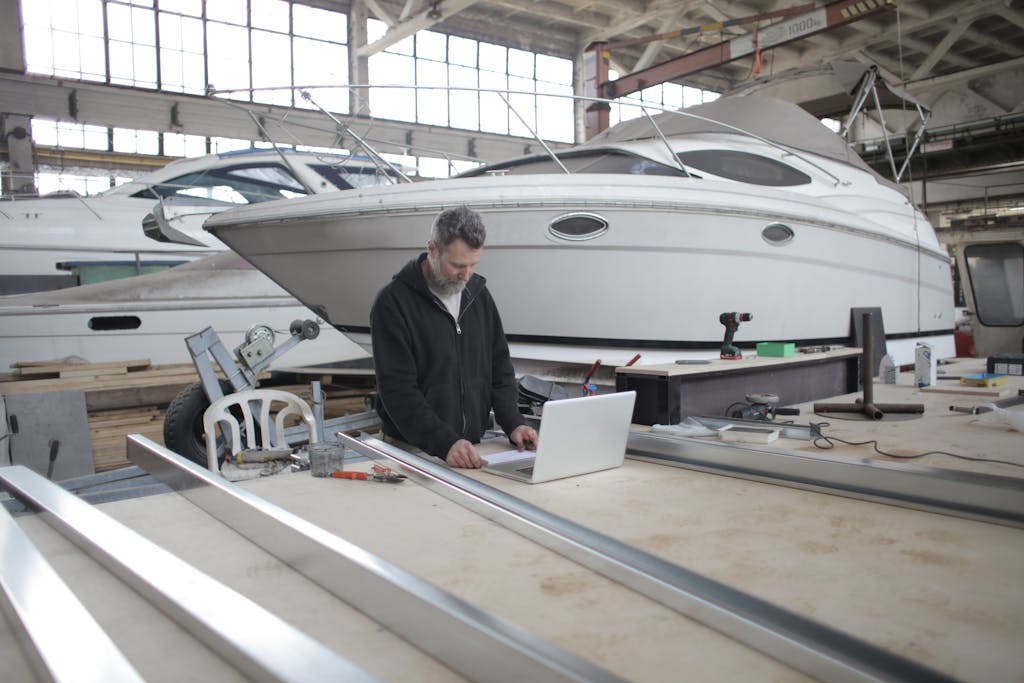
Boats live in a harsh environment. Water, sun, salt, humidity, vibration, and long idle periods all wear them down faster than many buyers expect.
Even a boat that looks clean and shiny can hide problems in the engine, wiring, hull, batteries, pumps, seals, or fuel system.
Skipping maintenance is where small problems become expensive disasters. A weak battery can ruin a planned weekend, but ignored engine issues can cost thousands.
Smart owners budget for regular inspections, oil changes, hull cleaning, impeller replacement, battery care, trailer checks, and seasonal servicing before anything breaks at the worst possible time.
Underestimating How Fast Fuel Costs Climb
Boat fuel can feel shocking because boats are often much less efficient than cars. A fun afternoon of cruising, tubing, fishing, or running across the lake can burn more gas than a new owner expects. Larger engines, rough water, extra passengers, and high speeds all increase fuel costs.
The surprise gets worse when owners fill up at marinas, where fuel often costs more than at roadside gas stations.
Then there is the fuel needed to tow the boat to and from the water. That cheap weekend escape can suddenly feel expensive before anyone even opens the cooler.
Ignoring Storage Until It Becomes a Problem

Many buyers think about where they will use the boat before thinking about where they will keep it. That mistake can turn ugly fast.
A driveway might work for a small trailer boat, but larger boats often require paid storage, dry-stack space, a marina slip, or winter storage.
Homeowners’ associations and local rules can also create headaches. Some neighborhoods do not allow boats to sit in driveways for long periods.
Once storage is factored into the budget, the boat becomes a year-round expense, even during months when it never touches water.
Assuming Friends Will Help Pay for the Fun
Boat owners often learn a harsh social lesson. Everyone wants to be invited when the sun is out, the music is playing, and the boat is ready.
Fewer people volunteer when it is time to clean the seats, chip in for fuel, unload gear, or help rinse everything down after a long day.
This can make boat ownership feel one-sided. The owner carries the financial risk, the cleaning work, the repair bills, and the planning stress.
Friends may love the Instagram version of boating, but the owner gets stuck with the unfiltered version.
Buying Too Much Boat Too Soon
A first-time buyer can easily fall for a bigger, faster, flashier boat than they actually need. The sales pitch feels exciting. The extra space sounds useful.
The upgraded engine, better sound system, larger deck, and luxury seating all seem worth it in the moment.
Then reality shows up. Bigger boats cost more to fuel, insure, store, tow, clean, and repair. They may also require a stronger vehicle, a larger trailer, and more skill at the ramp.
For many people, a smaller, simpler boat would create more joy and less financial regret.
Forgetting That Towing Is Part of Ownership
Trailering a boat sounds simple until the owner reaches a crowded ramp on a hot Saturday morning.
Backing up a trailer, launching safely, parking the tow vehicle, retrieving the boat, and dealing with impatient people nearby can turn boating into a public stress test.
The trailer itself also needs maintenance. Tires, bearings, brakes, lights, straps, winches, and bunks all matter.
A neglected trailer can ruin the trip before the boat ever reaches the water, and a bad towing setup can create serious safety risks on the road.
Skipping Boating Education

Some people assume boating is easy because it feels more relaxed than driving a car. That confidence can be dangerous.
Weather changes quickly, waterways have rules, other boaters can be unpredictable, and mechanical problems become more serious when there is no shoulder to pull onto.
A basic boating safety course can prevent expensive and dangerous mistakes. Owners need to understand navigation rules, right-of-way, emergency signals, life jacket requirements, fueling safety, weather checks, and passenger handling.
The boat may be fun, but the water does not forgive careless decisions.
Thinking Insurance Is Optional
Boat insurance can feel like another annoying bill, especially for owners who only plan to use the boat occasionally.
That thinking can backfire fast. Accidents, theft, storm damage, towing incidents, injuries, and liability claims can turn one bad day into a financial nightmare.
Some lenders and marinas require coverage, but even when they do not, insurance deserves serious attention.
Owners should compare policies carefully and understand what is covered. A cheap policy that excludes common risks may create a false sense of safety.
Failing to Budget for Emergency Repairs
Every boat owner needs a repair cushion. Boats break. Engines overheat, pumps fail, electronics stop working, steering systems develop problems, upholstery cracks, and leaks appear when least expected.
The owner who spends every available dollar on the purchase may have nothing left when the first big repair hits.
This is where regret starts. A boat that cannot be repaired becomes an expensive decoration.
Buyers should keep a separate emergency fund for unexpected repairs rather than assuming everything will run smoothly just because the boat looked good during the sale.
Letting the Boat Sit for Months
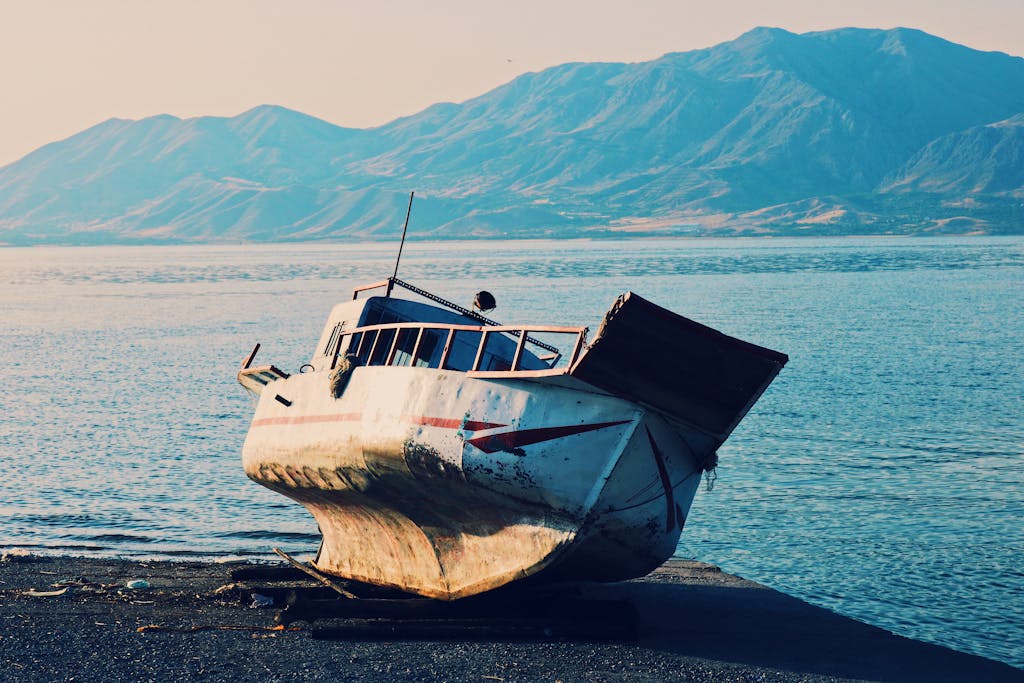
A boat that sits unused does not stay magically preserved. Batteries drain, fuel goes stale, seals dry out, pests move in, mildew grows, and mechanical parts become less reliable.
Long periods of inactivity can create the exact problems owners hoped to avoid by using the boat less.
This is why occasional boaters need to be honest before buying. If life is already busy, renting may make more sense.
Paying year-round costs for a boat used only once or twice a season can make the per-trip cost painfully high.
Forgetting About Depreciation
Many buyers treat a boat as an asset, but most boats behave more like expensive toys with declining resale value.
Newer boats can lose value quickly, especially once they show wear or newer models hit the market. Older boats may also become harder to sell if maintenance records are poor.
Depreciation hurts most when an owner realizes the boat costs money every month and still sells for less later.
The smartest buyers think about resale before purchase. A clean, well-maintained, popular model usually holds value better than a flashy boat with limited appeal.
Refusing to Consider Renting Instead
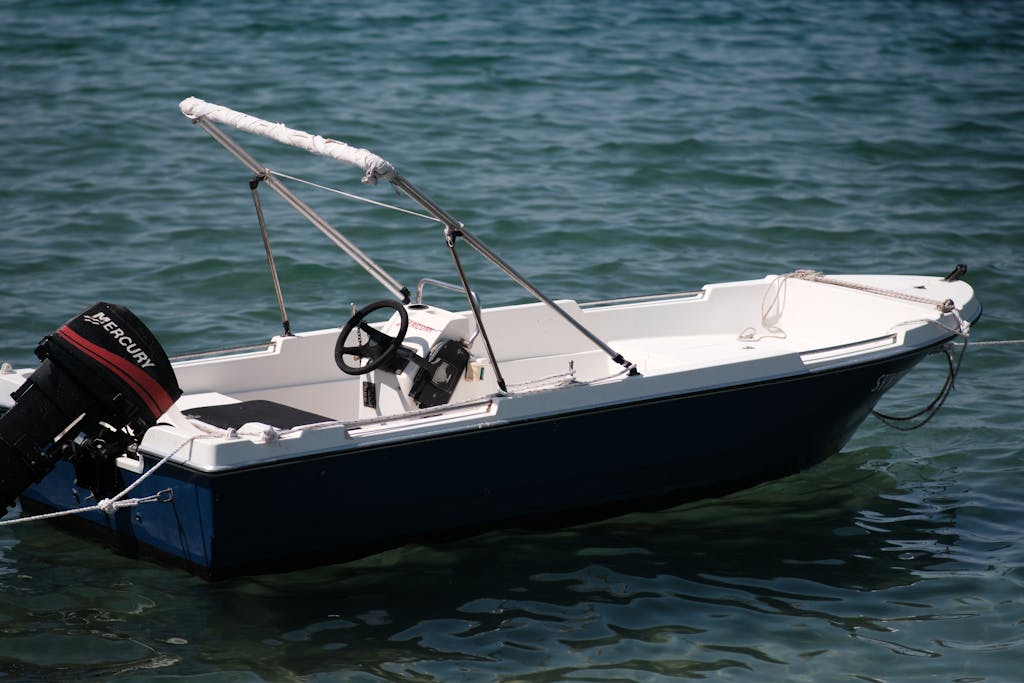
Owning makes sense for people who truly love boating, live close to the water, use the boat often, and accept the work that comes with it.
For everyone else, renting can be the smarter move. Renting lets people enjoy the water without storage, maintenance, insurance, depreciation, and surprise repair bills.
This is the question every buyer should ask before signing anything. Do you want a boat, or a few great days on the water each year?
If the honest answer is the second one, ownership may be the most expensive way to chase a weekend feeling.