The grocery aisle is full of familiar names that sound like those of beloved relatives, neighborhood legends, or charming old family friends. Some of them were real people with real kitchens, real ambition, and very real hustle.
Others were carefully invented to make a box, bottle, or cake feel warmer, safer, and more trustworthy. That is what makes these food faces so fascinating: they are not just labels slapped on packaging, but tiny pieces of marketing mythology that helped turn ordinary products into household icons.
Chef Boyardee was a Real Chef Who Made His Name Easier to eat.
Chef Boyardee may sound like a cartoon, but he was real. Ettore Boiardi, an Italian immigrant, built his reputation in American kitchens before launching his brand.
The famous spelling is a phonetic version of his name, making it easy for English speakers to say and remember. This smart, simple move explains why his smiling face has lasted for generations.
Betty Crocker Was Never a Woman, but She Became One of America’s Most Familiar Faces
Betty Crocker may be one of the most successful imaginary women ever created. General Mills traces its birth to 1921, when the company needed a friendly, personal name to sign responses to customers who wrote in with baking questions.
“Betty” felt approachable, and “Crocker” honored a company executive, giving the brand both warmth and authority in one neat package. She was invented, yes, but once radio, cookbooks, portraits, and packaging got involved, Betty Crocker became less of a fiction and more of a national kitchen personality.
Sara Lee Began as a Father’s Sweet Tribute to His Daughter
Some brand names feel calculated. Sara Lee feels personal because it was. Official Sara Lee histories say founder Charles Lubin named his signature cheesecake after his daughter, Sara Lee Lubin, and that affectionate gesture became the foundation of a dessert empire.
There is something disarmingly simple about that choice: instead of inventing a grand culinary title, he used the name of someone he loved. The result was a brand that felt less like a company and more like a family table with very good cake.
Little Debbie Came from a Real Child’s Smile Frozen in Time

Little Debbie was not an ad agency fiction. McKee Foods says the brand began with a childhood portrait of Debbie McKee, the founder’s granddaughter.
That image became one of snack food’s most recognizable faces. The box still works because it feels cheerful and nostalgic without trying too hard. This is not just branding; it is family history turned into frosting, cardboard, and supermarket staying power.
Famous Amos Turned Hollywood Charm and Cookie Skill Into a Brand
Wally Amos did not just sell cookies. He sold personality, ambition, and the kind of confidence that can turn a simple treat into an event. Famous Amos began in Los Angeles in 1975, and both the official brand story and History note that Amos had already built a name for himself in entertainment before his bite-sized chocolate chip cookies took off.
That backstory matters because it explains why the brand never felt stiff or corporate; it had swagger from day one. Famous Amos was not pretending to be famous. The man behind it had already learned how to turn charm into currency.
Mrs. Fields Put a Real Founder Front and Center
Mrs. Fields sounds almost too polished to be real, but Debbi Fields absolutely was. The official brand history says she opened her first store in Palo Alto in 1977, and from there, the name “Mrs. Fields” quickly became shorthand for warm, soft, fresh-baked cookies.
What makes the story so effective is how direct it is: no fictional grandmother, no invented mascot, no elaborate backstory. Just a real founder betting that her own name could carry the smell of butter, sugar, and confidence into malls, airports, and gift tins around the world.
Dr. Pepper Has a Great Name and an Even Better Mystery
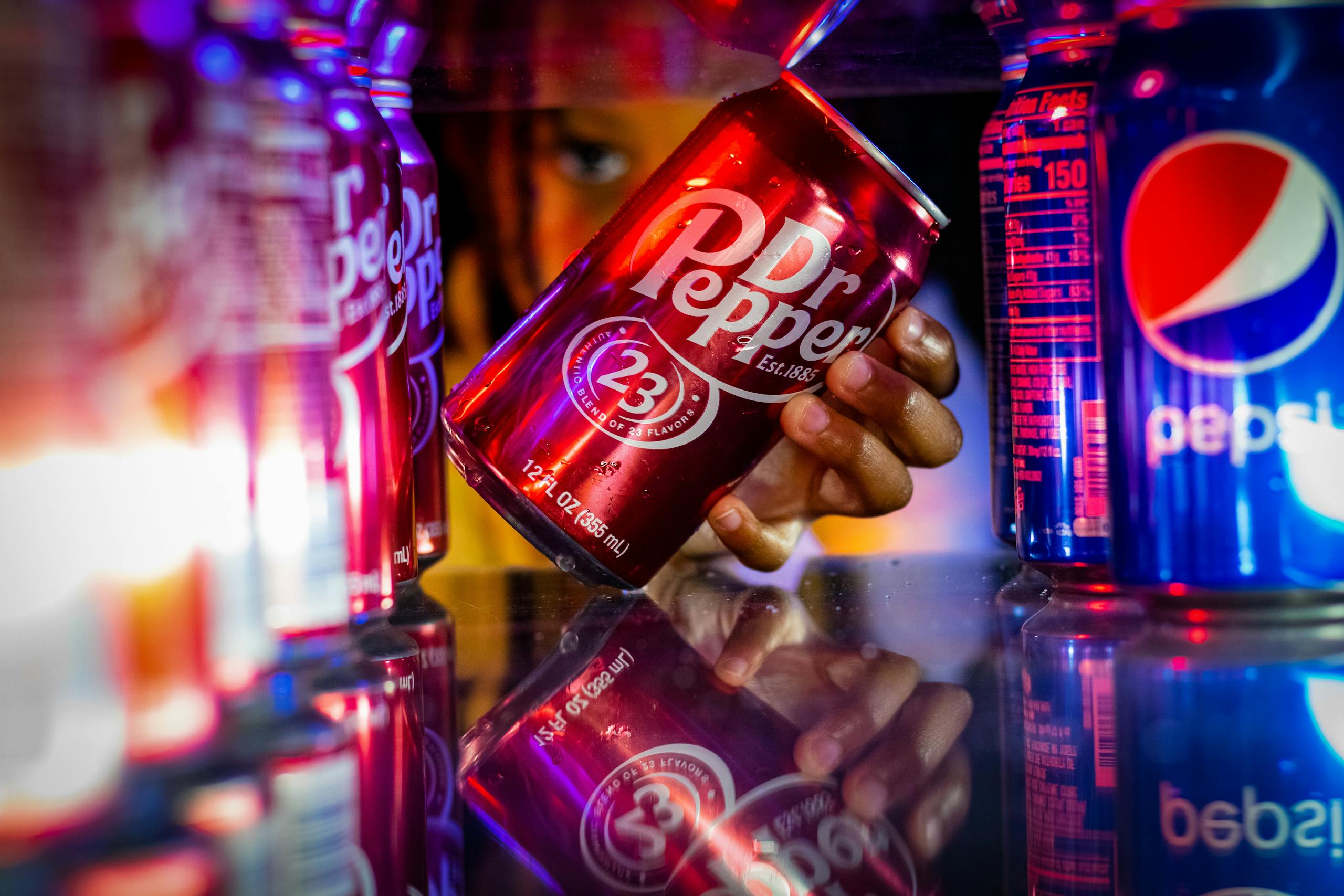
Dr. Pepper is proof that sometimes uncertainty is part of the magic. The drink’s history is clear on a few big points: it emerged in Waco in the 1880s, gained national visibility at the 1904 World’s Fair, and eventually dropped the period after “Dr” in the 1950s. But the precise origin of the name remains murky, and the Dr. Pepper Museum openly says there are many competing stories.
That makes the brand unusually interesting, because instead of one neat founding legend, it carries the kind of unresolved mystery that keeps people talking long after the soda goes flat.
Ben’s Original Shows How a Familiar Face Can Age Into a Reckoning
Not every famous food face has a cozy backstory, and Ben’s Original is the clearest reminder of that. Mars says the old Uncle Ben’s brand was built around the company’s early rice history, but the imagery and naming became part of a much larger conversation about racial stereotypes, leading to the 2020 rebrand to Ben’s Original.
Reporting from BBC and other outlets noted that the original inspiration stories around “Ben” were mixed and often disputed, which only added to the discomfort around the branding. It is one of the most revealing examples on this list because it shows that a brand face can be memorable and commercially powerful, yet still overdue for change.
Marie Callender Became a Brand Because a Son Trusted His Mother’s Name
Marie Callender’s story has the kind of old-school family-business warmth marketers spend fortunes trying to fake. The company’s own history says Don Callender opened his first pie-and-coffee shop in 1964 and named it after his mother, Marie, whose baking had already built a reputation.
That naming choice gave the business instant emotional texture. Marie Callender did not sound like a corporation trying to charm you; it sounded like someone whose pies had already won the neighborhood and were now ready to conquer the country.
Mrs. Butterworth’s Proves a Fictional Character Can Feel Weirdly Real
Mrs. Butterworth’s was never real, which reveals much about food branding. The syrup debuted in 1961,using a grandmotherly image, with the bottle becoming the character before the label.
Conagra aimed to evoke a loving grandmother—an emotional shortcut the packaging delivered. It worked as branding and shows how food marketing often uses invented people to build trust and nostalgia.
Conclusion
The most memorable food brands do not just sell flavor. They sell familiarity. Sometimes that familiarity comes from a real chef, a daughter, a granddaughter, or a founder willing to stake their own name on the product.
Other times, it comes from a carefully engineered character designed to make shoppers feel at home before they even reach the checkout line. Either way, these famous food faces reveal something bigger than branding: people have always wanted their food to feel personal, and the companies that understood that truth turned names