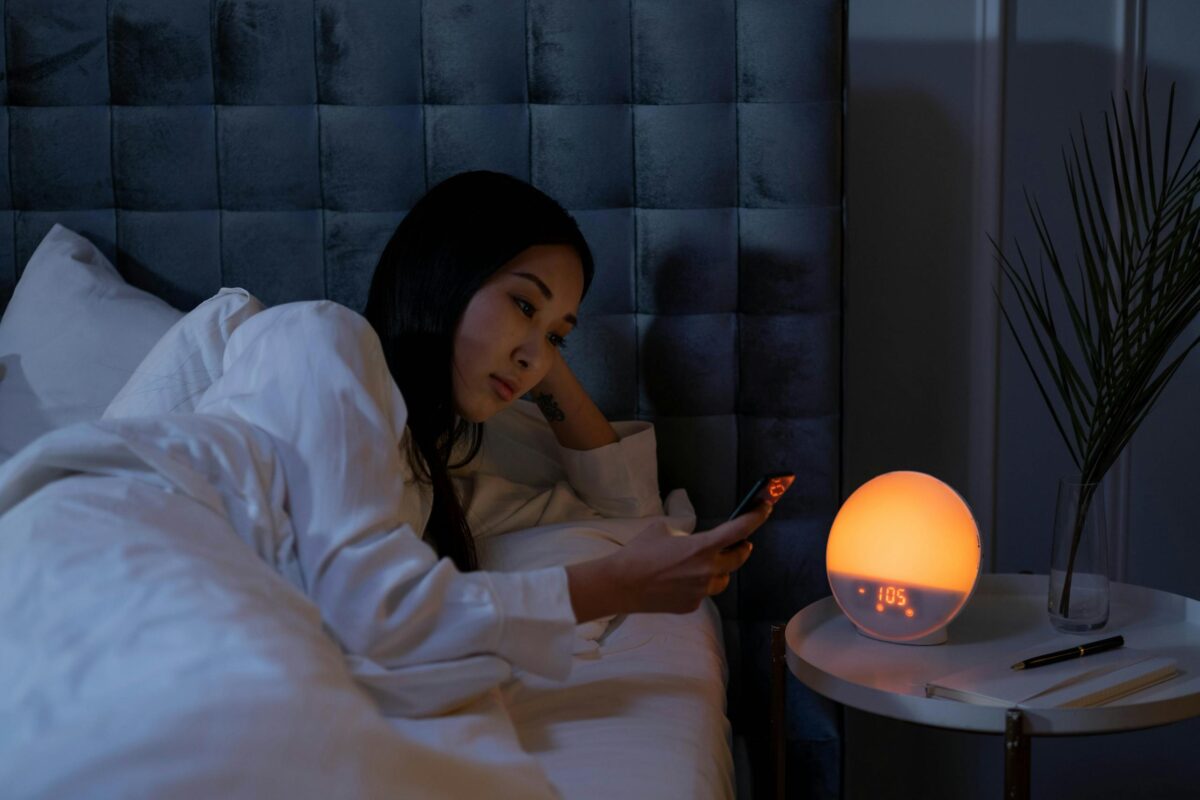
A woman can leave her house looking calm, polished, and ordinary, yet her mind may already be running through a private safety checklist. Keys in hand. Phone charged. Route checked. Body language measured. Smile controlled. Distance calculated. To many men, the same street may look harmless, but to many women, the same street can feel like a room with too many unlocked doors.
We often talk about womanhood in public language, using words like strength, beauty, resilience, and sacrifice. Those words sound flattering, but they can also hide the daily pressure women carry. The deeper truth is that many women are not simply moving through life. They are negotiating safety, respect, opportunity, health, appearance, motherhood, and emotional control in a world that still asks them to carry more and complain less.
Beauty Standards Turn Appearance Into a Constant Evaluation

Women are often judged for how they look before they are heard for what they think. Too much makeup can attract criticism. Too little makeup can attract criticism. Dressing modestly can be judged. Dressing boldly can be judged. Aging naturally can be judged. Trying to slow aging can also be judged. The rules shift constantly, and women are expected to somehow understand them without appearing affected by them.
This pressure can make an appearance feel like a lifelong performance review. Women may spend money, time, and emotional energy trying to appear acceptable in spaces where their value should not depend on their appearance.
The issue is not that women enjoy fashion, makeup, hair, or style. Many do. The issue is that choice becomes complicated when society attaches respect, opportunity, desirability, and credibility to appearance. We should see the burden clearly: women are often expected to look effortless after making an enormous effort.
Politeness Can Become a Trap Instead of a Simple Courtesy
A smile should be harmless. A polite laugh should be harmless. A brief conversation should be harmless. Yet many women know that friendliness can be misread as invitation, interest, permission, or weakness. That creates a painful social puzzle. If a woman is warm, she may attract unwanted attention. If she is firm, she may be called rude. If she ignores someone, she may be accused of being arrogant. If she responds gently, the interaction may continue longer than she wants.
This is one of the quiet pressures many men do not fully see. Women are often expected to manage other people’s feelings while also protecting themselves from those same people.
They learn how to soften rejection, laugh without encouraging, stay polite without appearing available, and leave a conversation without triggering anger. That emotional choreography takes energy. It turns basic social contact into a careful performance where one wrong tone can create discomfort, judgment, or risk.
The Workplace Still Rewards Men for Traits Women Are Punished For

Professional life often claims to be built on talent, effort, and results, but women frequently face a different set of rules. A man who speaks with confidence may be viewed as decisive. A woman who does the same may be labeled difficult. A man who negotiates firmly may be called ambitious. A woman who negotiates firmly may be seen as demanding. The same behavior can receive different reactions depending on who performs it.
This double standard affects more than feelings. It can shape promotions, pay, leadership opportunities, access to networking, and workplace reputation. Women often have to be competent without seeming threatening, assertive without seeming aggressive, warm without seeming weak, and ambitious without seeming selfish.
That balancing act is exhausting because it forces women to manage both the work and the reaction to their presence. We should call this what it is: a professional penalty attached to gendered expectations.
Invisible Labor at Home Often Falls on Women by Default
Household work is not limited to cooking, cleaning, laundry, or childcare. There is also the invisible labor of remembering, planning, tracking, anticipating, and organizing. Who needs a doctor’s appointment? What food is running low? Which school form needs signing? What gift should be bought? Which relative needs a call? What bill is due? What emotional issue is quietly building inside the family? These tasks may not always appear on a checklist, but they keep homes functioning.
Many women carry this mental load even when they also work full-time outside the home. The problem is not only that the work is heavy. The problem is that it is often treated as a natural female responsibility rather than real labor.
When women manage the invisible structure of family life, others may only notice when something goes wrong. That means women can become the unpaid project managers of the household, expected to remember everything and thanked for very little.
Women Carry a Safety Map in Their Heads Everywhere They Go

For many women, personal safety is not an occasional concern. It is a daily mental routine that begins before they step outside. Walking through a parking lot, entering an elevator, waiting for a ride, jogging early in the morning, or returning home at night can all require silent calculation.
We may not see the mental map forming, but it is there. Which street has better lighting? Who is walking behind her? Is the driver following the correct route? Can she call someone quickly if something feels wrong?
This hidden awareness can make ordinary life feel heavier than it looks. A woman may choose her outfit, route, transportation, parking spot, social plan, or arrival time based partly on safety. That means freedom often comes with conditions.
Men may experience danger too, but many women are trained from girlhood to treat danger as a constant possibility. The result is not paranoia. It is survival shaped by experience, warnings, stories, and real-world patterns that women are rarely allowed to ignore.
Women’s Pain Is Too Often Questioned Before It Is Treated
Many women enter medical settings with a quiet fear that their pain will be minimized. They may describe severe cramps, chronic fatigue, chest discomfort, pelvic pain, migraines, or unusual symptoms, only to hear suggestions that stress, anxiety, hormones, or exaggeration may be the real issue.
This can delay diagnosis and deepen suffering. When a person has to fight to be believed, healthcare becomes another arena of emotional labor.
This issue becomes even more serious because women’s health concerns can be complex, long-term, and deeply disruptive. Conditions such as endometriosis, fibroids, autoimmune disorders, thyroid issues, and hormonal disorders can affect daily life, career performance, relationships, fertility, and mental well-being. Yet many women learn to push through pain because the world has taught them that discomfort is part of womanhood. We should reject that idea. Pain is not a personality trait. Pain is information, and women deserve to have that information taken seriously.
Reproductive Health Can Control the Calendar in Ways Men Rarely Notice
A woman’s calendar is often shaped by more than work deadlines, social plans, and family responsibilities. Menstrual cycles, ovulation, pregnancy, miscarriage, postpartum recovery, breastfeeding, fertility treatments, perimenopause, and menopause can all affect energy, mood, concentration, pain levels, sleep, and physical comfort. These realities do not pause because a meeting is scheduled, a deadline arrives, or a family event begins.
This means many women live with a second calendar that remains invisible to others. They may plan travel around heavy bleeding, manage cramps during work presentations, hide nausea during pregnancy, recover from childbirth while caring for a newborn, or navigate hormonal changes while still being expected to perform normally. The world often treats reproductive health as private, but its effects are practical and public. It can shape money, time, career progress, relationships, and emotional stability.
Motherhood Changes How Women Are Judged in Public and Private
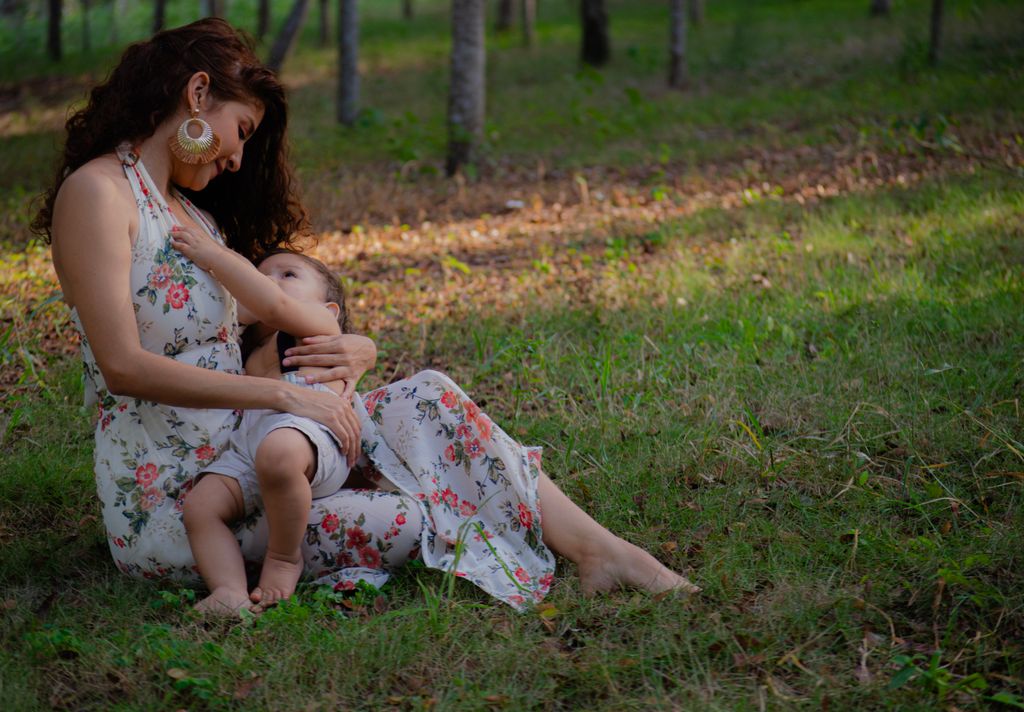
Motherhood can bring love, meaning, and deep joy, but it can also expose women to a brutal set of contradictions. A mother who works long hours may be accused of neglect. A mother who stays home may be accused of lacking ambition. A mother who asks for help may be judged as overwhelmed. A mother who seems composed may be assumed to need no support. The standards are often impossible because they shift depending on who is watching.
This judgment can affect careers, relationships, identity, finances, and mental health. Mothers may face career penalties, reduced flexibility, social criticism, and constant comparison.
Fathers are often praised for basic involvement, while mothers are expected to perform endless responsibilities as the minimum standard. We should be honest about that imbalance. Motherhood is not just a personal role. It is a social position loaded with expectations that can shrink a woman’s freedom if support is missing.
Women Are Expected to Stay Calm Even When They Are Disrespected
One of the harshest realities of being a woman is the pressure to remain composed in the face of disrespect. Women are interrupted, dismissed, underestimated, touched without permission, talked over, judged, corrected, and minimized in countless subtle ways. Yet when they react, the reaction may become the focus instead of the disrespect that caused it. A woman’s anger is often treated as a bigger problem than the behavior that produced it.
This teaches women to swallow frustration, polish their tone, and explain pain gently enough to be accepted. That is not peace. It is emotional restraint demanded by a culture that often prefers women pleasant over women honest.
We should stop mistaking silence for comfort. Sometimes, a calm woman is not calm because nothing is wrong. She is calm because she has learned the cost of showing how disrespect really affects her.