Tea is a daily ritual for millions, a source of calm, focus, and ritual comfort. Yet the compounds in tea, particularly caffeine, tannins, and polyphenols, are far from inert; they can interact with medications in ways that alter absorption, intensify side effects, or even cause serious health risks. While a morning cup feels harmless, the truth is that even moderate tea consumption can interfere with prescription drugs, over-the-counter medications, and supplements.
These interactions vary based on tea type, serving size, and timing, making awareness crucial. Herbal teas, often marketed as “natural” and safe, contain bioactive compounds that can alter liver metabolism, impact blood pressure, and influence heart rhythm. For anyone managing a chronic condition, using medications daily, or taking supplements, understanding these interactions is not optional; it is essential for preventing complications that may quietly undermine treatment goals.
Iron Supplements and Tannin Interference

Tannins in tea bind tightly with iron, preventing absorption from supplements like ferrous sulfate or ferrous gluconate. Drinking tea within hours of an iron dose can render the supplement largely ineffective, increasing the risk of iron-deficiency anemia, fatigue, and weakened immunity.
The timing of intake is critical. Separating tea and iron by at least two hours maximizes absorption. Pairing iron supplements with vitamin C-rich foods or beverages can counteract tannin interference. This ensures the body absorbs the iron effectively, maintaining energy levels and overall health. People who rely on iron therapy must treat tea consumption as a controlled factor rather than a casual habit.
Stimulant Medications and Excessive Caffeine
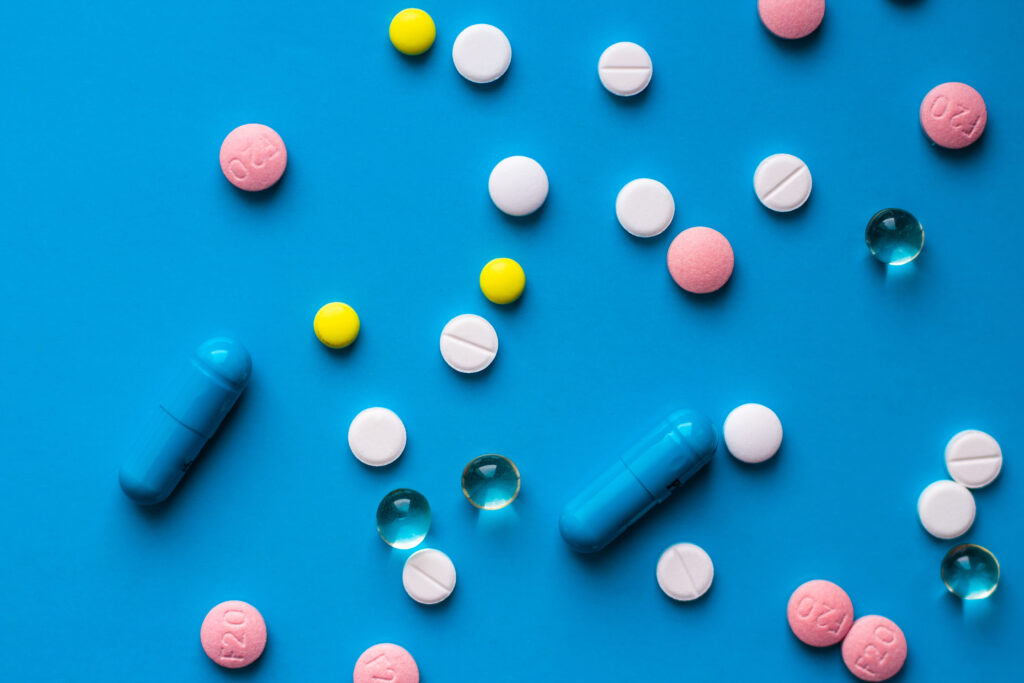
Caffeine in black, oolong, or green tea may seem mild, but it can compound the effects of stimulant medications such as amphetamines, pseudoephedrine, or certain asthma drugs. These medications already increase heart rate and blood pressure, and adding tea into the mix can trigger palpitations, anxiety, insomnia, and even gastrointestinal distress.
Even decaffeinated teas can contain trace amounts of caffeine that affect sensitive individuals. Total daily caffeine intake should be monitored carefully. For those on stimulants, spacing tea consumption or switching to herbal teas without caffeine helps reduce cardiovascular strain while preserving alertness without compromising health.
Blood Thinners and the Hidden Risks of Green Tea
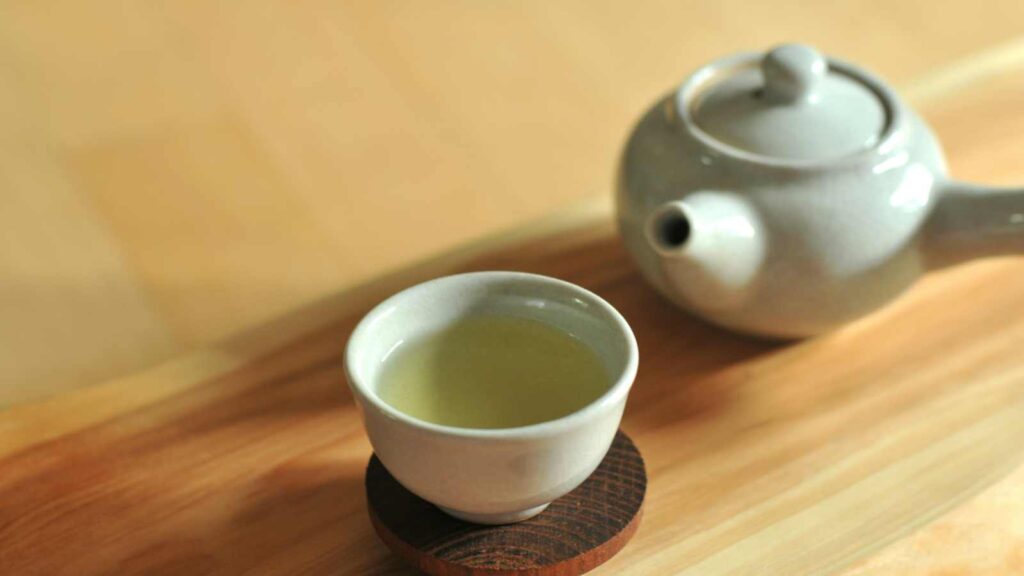
Medications like warfarin, apixaban, and other anticoagulants save lives by preventing dangerous blood clots, yet they require careful balancing. Green tea is high in vitamin K, a nutrient that directly counteracts the effects of these drugs. Consuming green tea without adjusting medication or monitoring blood clotting can destabilize INR levels, increasing the risk of bruising, internal bleeding, or uncontrolled hemorrhage.
Even a single cup daily may gradually alter therapeutic levels, particularly if combined with dietary changes. Patients should consult their healthcare providers to determine safe intake levels. Monitoring INR more frequently and choosing low-vitamin K teas can help maintain stability while still enjoying a cup of tea. Awareness and consistent tracking are critical to preventing serious, sometimes hidden complications.
Anxiety Medications and Overstimulation
Anti-anxiety medications, including benzodiazepines and SSRIs, are designed to reduce stress and stabilize mood. Caffeine in tea, however, can counteract these effects by increasing alertness, jitteriness, and tension. Drinking tea too close to medication intake may worsen anxiety, disrupt sleep, and interfere with the calming benefits intended by treatment.
Patients on anxiolytics should consider limiting high-caffeine teas or timing them away from medication. Herbal alternatives without stimulants, like rooibos or peppermint, provide ritual enjoyment without exacerbating anxiety symptoms. Even moderate consumption of black or oolong tea can subtly heighten nervous tension, undermining therapeutic goals over time.
Thyroid Medications and Absorption Delays
Thyroid hormones, such as levothyroxine, require precise absorption to regulate metabolism, energy, and hormone balance. Polyphenols and caffeine in tea can slow or reduce the absorption of these medications, potentially causing fatigue, weight fluctuations, or mood disturbances. Drinking tea too soon after thyroid medication can make daily doses ineffective, disrupting hormone stability.
The optimal approach is to take thyroid medication on an empty stomach and wait 30–60 minutes before consuming tea. Consistency is crucial; fluctuating absorption can undermine long-term thyroid management. Patients who enjoy tea should schedule consumption carefully to maintain hormone balance and overall metabolic health.
Blood Pressure Medications and Unexpected Elevations

Tea naturally contains caffeine and bioactive compounds that can subtly raise blood pressure. For patients taking antihypertensives such as beta-blockers, ACE inhibitors, or calcium channel blockers, this effect can reduce medication efficacy and strain the cardiovascular system.
Monitoring blood pressure becomes critical for those who regularly consume tea while on treatment. Even minor spikes, if repeated, may exacerbate long-term cardiovascular risk. Low-caffeine teas or herbal alternatives allow patients to maintain daily rituals without compromising blood pressure control or medication effectiveness.
Sedatives and Compounded Drowsiness
Herbal teas marketed for relaxation, such as chamomile or valerian, can enhance the sedative effects of sleep aids, muscle relaxants, or certain antihistamines. This interaction may cause excessive drowsiness, dizziness, or impaired coordination, increasing the risk of falls or accidents.
Controlling portion size and timing is essential to enjoying these teas safely. Patients should avoid combining multiple sedatives with herbal teas simultaneously. Being strategic about timing allows for relaxation benefits without risking over-sedation, daytime grogginess, or reduced alertness during critical tasks.
Conclusion
Tea is a beloved daily ritual, but its compounds can profoundly affect the effectiveness of medications. Awareness of interactions with blood thinners, stimulants, sedatives, thyroid hormones, iron supplements, and blood pressure medications is crucial. By monitoring timing, choosing appropriate tea types, and consulting healthcare professionals, patients can enjoy their beverages safely while preserving the full efficacy of their medications. Adjusting tea habits is a small change that safeguards health, prevents hidden complications, and enhances overall treatment outcomes.