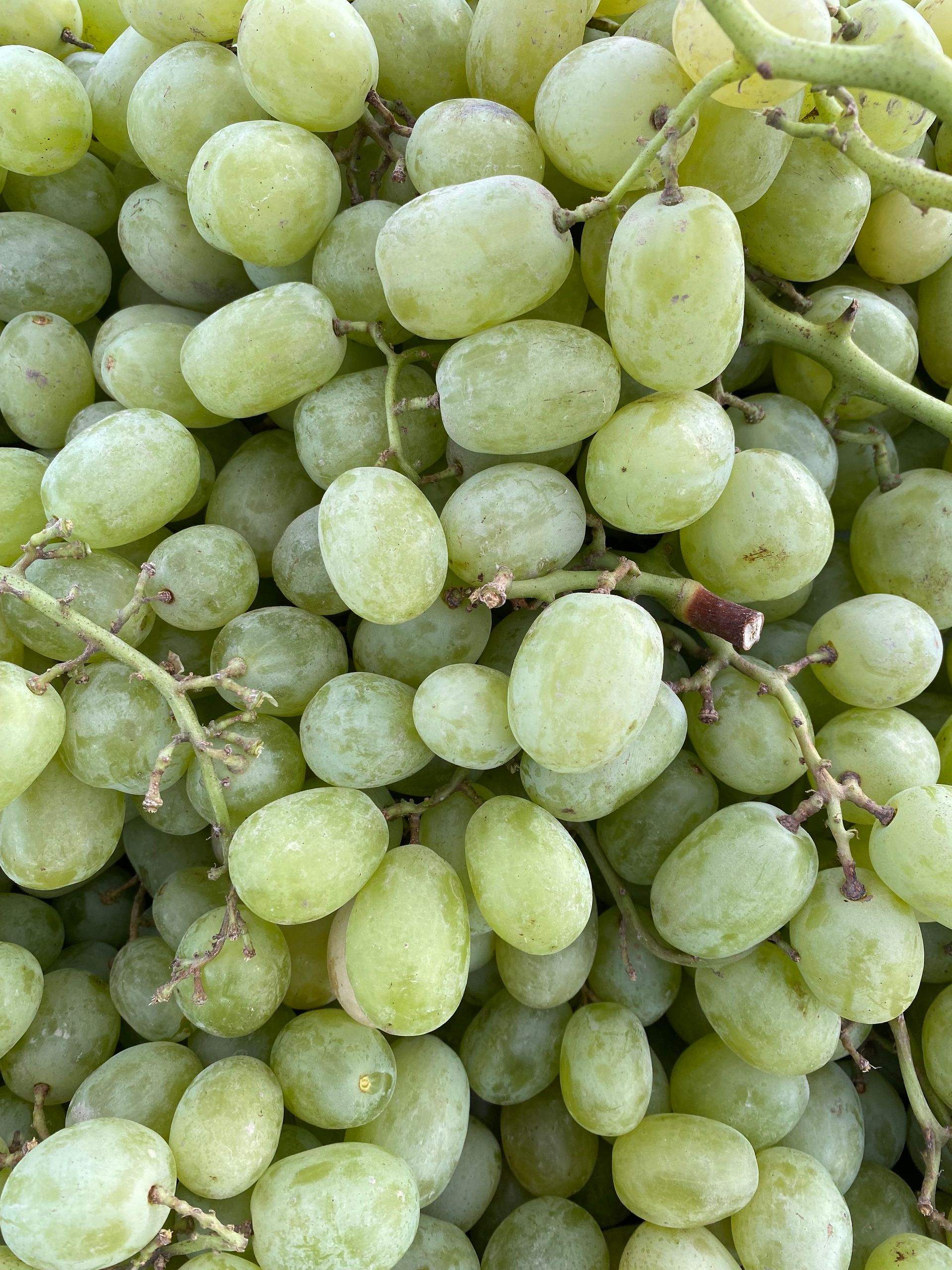
Fruits are often seen as simple, healthy snacks, but beyond their natural sweetness, they hold some surprising secrets that many of us overlook.
From their rich history to the science behind their growth, fruits have more to offer than just a burst of flavor.
Let’s explore some intriguing facts about fruits that might leave you with a newfound appreciation for nature’s candy.
Durian- Aphrodisiac Qualities

While the durian’s infamous odor makes it controversial, its reputation as the “King of Fruits” extends beyond mere stink. In Southeast Asia, durians have long been believed to possess aphrodisiac qualities.
People in Java, for instance, believe that consuming durian can ignite passion. Scientific research supports this claim, showing that durian contains high levels of tryptophan, which is converted into serotonin, the happiness hormone.
Animal studies reveal that regular consumption of durian may enhance libido and fertility. So, despite the smell, this fruit has earned its royal title in more ways than one.
The Banana- Genetically Vulnerable
Bananas are a staple in many households, but did you know that nearly every banana you eat is genetically identical? The Cavendish variety, which dominates the market, has no genetic diversity, making it vulnerable to diseases.
In fact, the previous banana variety, the Gros Michel, was wiped out by a fungal disease, making the Cavendish the replacement. The lack of genetic variation in bananas is a ticking time bomb.
While bananas do not reproduce via seeds, farmers continue to plant and harvest the same crops, further compounding the issue. This lack of diversity means that the world’s favorite fruit could face another catastrophic crisis if a new disease strikes.
Luxury Fruits in Japan
In Japan, fruits are not just food; they are a status symbol. The pursuit of perfect fruit has led to a booming luxury fruit market. One well-known Tokyo store, Senbikiya, specializes in selling flawless, oversized fruits grown with extreme care.
Melons can fetch prices upwards of $400 for just three pieces, and a box of perfect strawberries may cost you $83. These fruits are grown with precision, protected from the sun, individually nurtured, and harvested with painstaking attention to detail.
For many Japanese families, offering such a gift signifies respect and deep appreciation for the recipient.
Watermelons- Lifesaving Resource
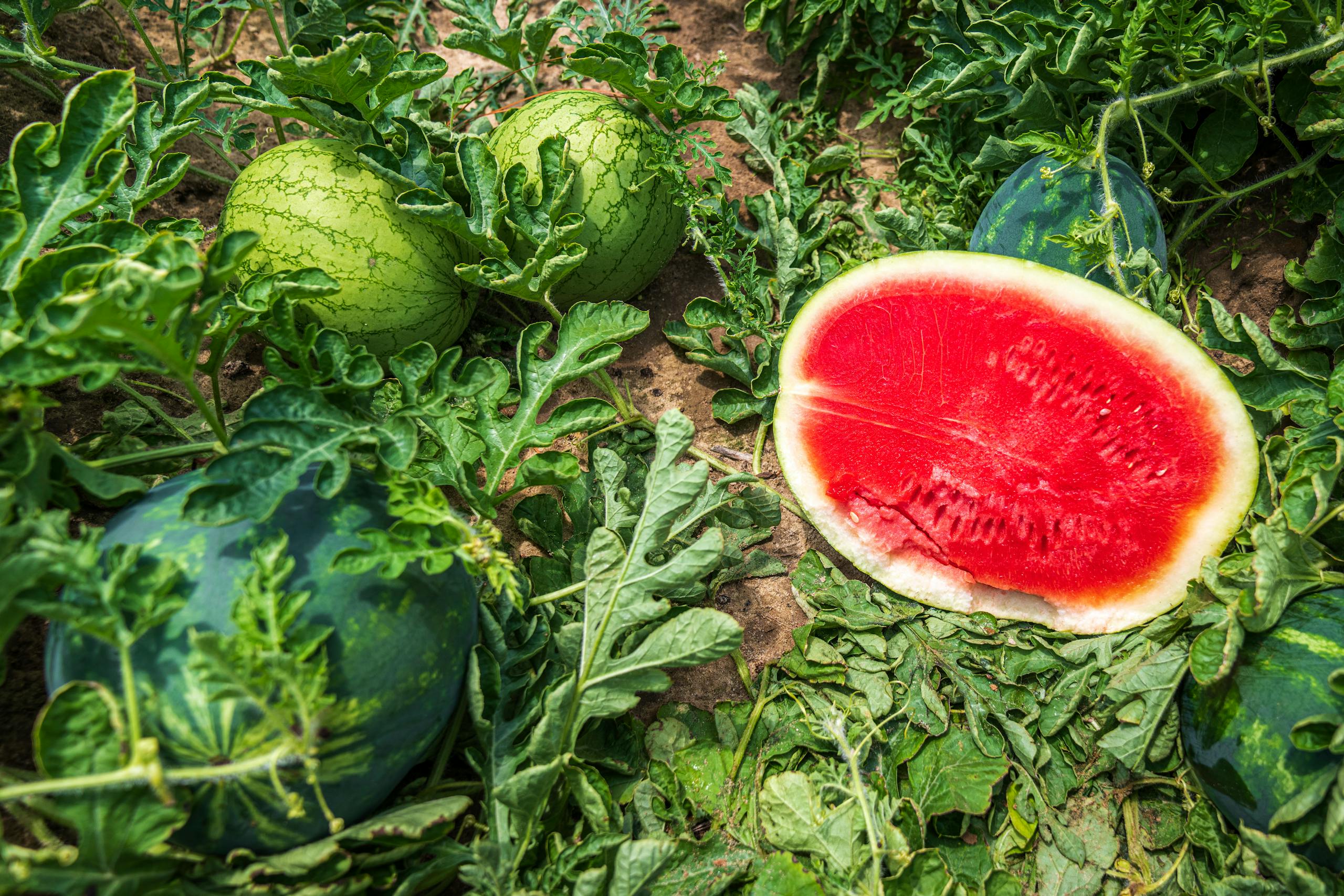
Watermelons, while often seen as a summer treat, have a rich historical significance. Known for their high water content, around 92%, they have been used for centuries as a natural water source.
In ancient Egypt, hieroglyphs depicted the watermelon as an essential resource during dry times. David Livingstone’s expeditions confirmed the fruit’s role in Africa, where watermelons were used to quench thirst in arid regions.
Even today, the entire watermelon is utilized, with its flesh consumed as a refreshing snack, its seeds roasted, and its rind preserved or pickled.
Apples… More Than Just a Healthy Snack
We’ve all heard the saying, “An apple a day keeps the doctor away,” and it turns out, there’s some truth behind it. Apples are packed with nutrients that offer more than just a sweet crunch. Studies have shown that eating dried apples can lower bad cholesterol levels and contribute to weight loss.
Apples also offer long-term benefits, including reduced stroke risk, improved brain function, and better respiratory health. Their high fiber content helps maintain a healthy digestive system, and they also help reduce the risk of certain cancers and diabetes.
The Cherry that Deceived the Devil… Sort Of
The Cornelian cherry is one of the oldest known fruits, dating back to ancient Greece and Rome. Unlike the familiar sweet cherries, this fruit is often used in jellies, syrups, and even alcoholic beverages.
However, it’s the rich folklore surrounding this fruit that makes it stand out. In Turkish legend, the Cornelian cherry is known as “the tree that deceived Satan.”
According to the myth, Satan waited beneath the Cornelian cherry tree, expecting its fruit to ripen first in the spring. When the tree remained fruitless while others blossomed and bore fruit, Satan’s frustration grew, earning the tree its legendary name.
Oranges- Not Always Orange
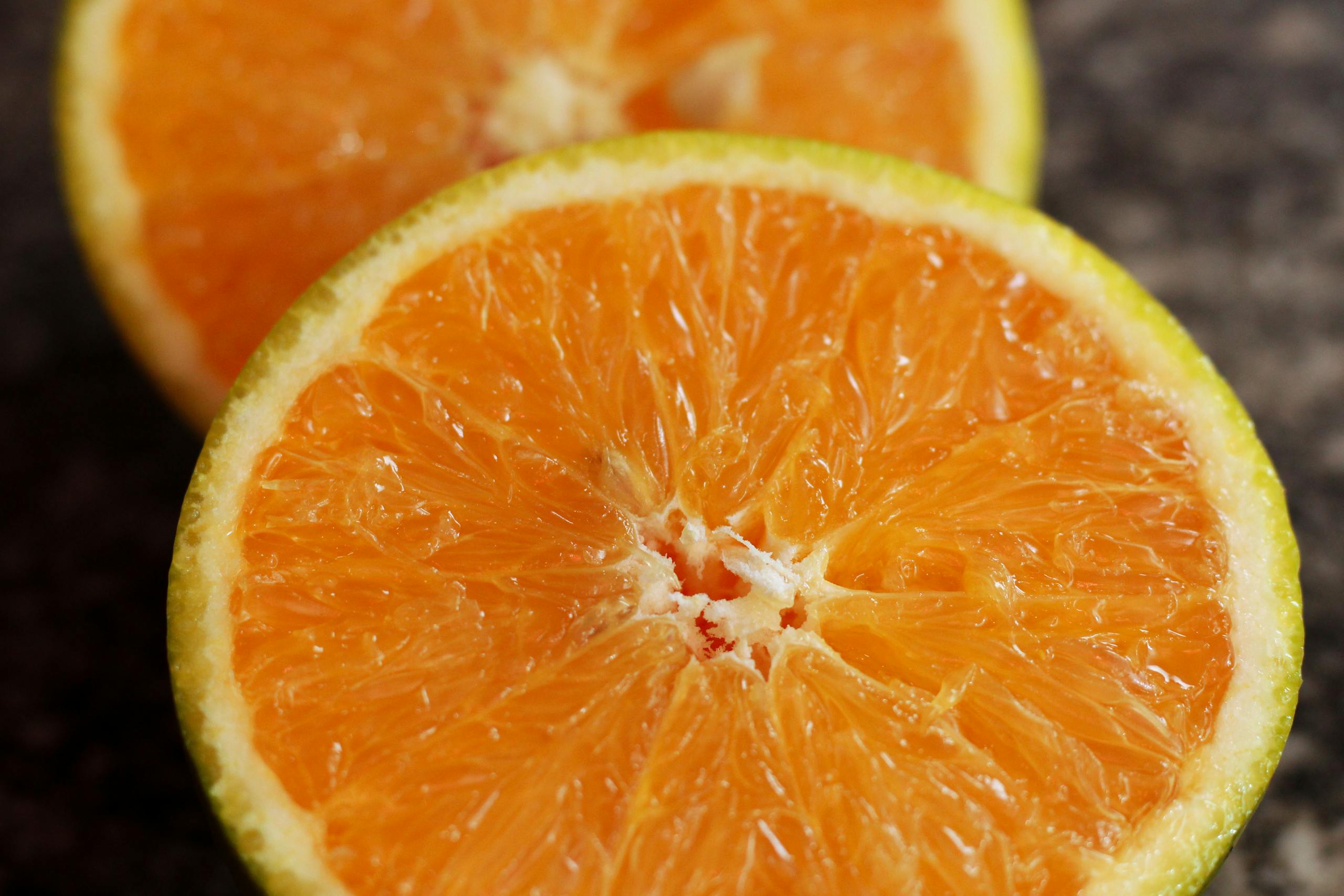
It’s hard to imagine an orange that isn’t orange, but in tropical climates, ripe oranges can sometimes remain green. This happens because of the chlorophyll in the skin, which isn’t destroyed until the fruit reaches cooler temperatures.
Green oranges are often the most flavorful, though they may be artificially colored orange with ethylene gas or flash-frozen. So next time you come across a green orange, remember: it might just be the freshest, juiciest fruit you can find.
Strawberries and Berries- Nature’s Confusion
Despite their names, many fruits we call “berries” aren’t technically berries at all. For example, strawberries, raspberries, and blackberries don’t meet the botanical criteria of a true berry.
True berries, such as tomatoes, peppers, and even bananas, are fruits that develop from a single ovary and contain multiple seeds embedded within their fleshy interior.
On the other hand, strawberries are considered “accessory fruits,” as they are formed from both ovarian and non-ovarian tissues. So, next time you bite into a strawberry, you’re actually indulging in an intricate botanical marvel.
The Cornelian Cherry’s Role in Ancient Mythology

The Cornelian cherry’s fame extends beyond its culinary uses; it also plays a significant role in mythology. Known for its sweet yet tart flavor, this ancient fruit has been used for centuries in many cultures.
It’s mentioned in Greek, Roman, and Persian texts and has been a popular ingredient in syrups, jams, and even wines. The Cornelian cherry is often associated with spring, symbolizing rebirth and renewal.
The Turkish legend about the devil’s deception highlights the spiritual and symbolic significance this fruit has carried through history.
Conclusion
Fruits are far more than just nutritious snacks; they are a fascinating blend of biology, history, culture, and even mythology.
From the luxurious melons of Japan to the misunderstood green oranges, and from the legendary Cornelian cherry to the genetically vulnerable banana, each fruit tells its own unique story.
Exploring these surprising facts not only deepens our appreciation for the diversity of fruits but also reminds us of the important roles they play in our lives, traditions, and even our survival.