Nut and seed butters look innocent sitting on the grocery shelf, all creamy, wholesome, and dressed up in earthy labels. The problem is that many people treat them like magic health food, then forget how calorie-dense, sugary, salty, or easy to overeat they can be. A spoonful can support a better snack, but half a jar can turn a healthy habit into a quiet pantry disaster.
The trick is not to fear nut and seed butters. It is to know which ones can fool you, how they fit into your meals, and where the hidden problems begin. Here are 10 popular options that can help you achieve your protein goals, but only when you use them wisely.
Peanut Butter
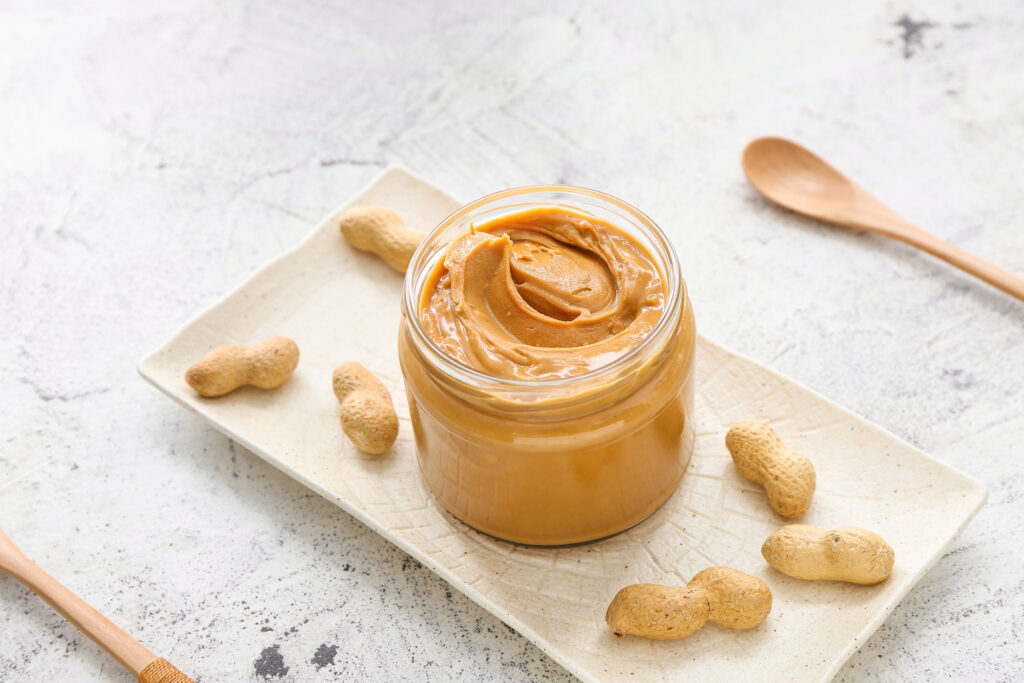
Peanut butter is the classic choice for a reason. It is filling, affordable, easy to find, and works with toast, apples, oatmeal, smoothies, and sandwiches. The danger starts when shoppers grab jars loaded with sugar, extra oils, and too much salt.
A good peanut butter should taste rich without needing a candy bar personality. Choose jars with peanuts as the main ingredient, then watch your portion size. Peanut butter is helpful, but it is still not something to eat by the spoonful every time you walk through the kitchen.
Watermelon Seed Butter
Watermelon seed butter is newer and less familiar, which makes it interesting but also easy to misunderstand. It has a taste that can be earthy, nutty, or slightly peppery, depending on the brand. Some people expect it to taste like watermelon candy, then get disappointed.
This butter can work well in dressings, dips, sauces, oats, and smoothies. The issue is that sweetened versions can quickly alter the nutrition profile. If you want it for protein, choose carefully and avoid treating the sweet versions like a health pass.
Almond Butter

Almond butter has a clean reputation, and many people see it as the grown-up version of peanut butter. It brings a nutty flavor, a creamy texture, and a good protein boost for breakfast bowls or fruit snacks. The downside is that it often costs much more than other options.
That higher price can trick people into assuming it is automatically better. It is healthy, but it is not a miracle food. If your almond butter has added sugar, chocolate flavoring, or unnecessary oils, you may be paying a premium for something that is not much better than a dessert spread.
Cashew Butter

Cashew butter is dangerous because it tastes almost too good. It is creamy, mild, and naturally sweet, which makes it perfect for sauces, soups, toast, and dairy-free recipes. That smooth texture can make portion control disappear before you notice it.
Cashew butter is useful in cooking because it blends beautifully into creamy dishes. Still, it is not always the strongest protein choice compared with some other butters. If you want it for protein, use it with high-protein foods instead of relying on it alone.
Walnut Butter
Walnut butter has a deeper, slightly earthy flavor that pairs well with oatmeal, smoothies, yogurt bowls, and baked goods. It also contains healthy fats, making it appealing to people looking to upgrade their pantry. The problem is that walnut butter can be very calorie-dense.
Because the flavor is richer and sometimes slightly bitter, many brands or home recipes add sweeteners to make it taste smoother. That can turn it from a smart topping into a sneaky sugar source. Use it in small amounts, especially when adding honey, maple syrup, or chocolate.
Hazelnut Butter

Hazelnut butter sounds fancy, but it often walks dangerously close to candy territory. Many people know hazelnuts through chocolate spreads, which can be loaded with sugar and fat. Pure hazelnut butter is a different story, but shoppers need to read labels carefully.
If you find a simple hazelnut butter, it can be delicious in toast, yogurt, smoothies, or even savory dressings. The trouble begins when the jar is mostly sweetener and oil with a little hazelnut flavor. That is not a protein boost. That is a dessert wearing gym clothes.
Pistachio Butter
Pistachio butter feels luxurious, colorful, and slightly trendy. It has a unique flavor that works in baked goods, sauces, toast, and savory spreads. It can also bring useful nutrients, but the fancy image can make people overlook what is actually in the jar.
Some pistachio butters are blended with sugar or sweet flavorings because plain pistachios can taste intense. That makes the product easier to eat, but less ideal as an everyday protein choice. If you buy it, pick a simple version and use it as a flavor booster rather than a main protein source.
Pumpkin Seed Butter
Pumpkin seed butter is a strong choice for people who want something different from regular nut butter. It has a bold green color, a rich seed flavor, and a protein punch, making it useful in smoothies, oats, dips, and dressings. It can also work well for people who avoid tree nuts.
The mistake is assuming seed butter can be eaten endlessly because it sounds clean. It is still dense, rich, and easy to overuse. Add a spoon to meals for flavor and nutrition, but do not treat the whole jar like a snack bowl.
Sunflower Seed Butter
Sunflower seed butter is popular because it is often used as a nut-free alternative. It is creamy, spreadable, and familiar enough to replace peanut butter in sandwiches, cookies, and snack bars. That makes it great for school lunches and allergy-friendly homes.
The danger is that many jars are sweetened to make the flavor more appealing. Some also include extra salt or oils. Sunflower seed butter can be a smart pantry item, but only when the ingredient list stays simple, and the serving size stays realistic.
Sesame Seed Butter
Sesame seed butter, better known as tahini, is a kitchen powerhouse. It works in hummus, dressings, sauces, dips, roasted vegetables, desserts, and even smoothies. The creamy texture makes it easy to add richness without much effort.
Still, tahini can become a problem when people pour it freely over everything. It has a strong flavor and high nutritional density, so a little usually goes a long way. Use it to upgrade meals, but measure it until you know what a sensible serving looks like.
Conclusion
Nut and seed butters are not bad foods. The real problem is the healthy halo that makes people stop paying attention. A jar can support better snacks, better breakfasts, and more satisfying meals, but it can also bring hidden sugar, excess salt, extra oils, and calories that add up quickly.
The smartest move is simple. Read the ingredient list, choose plain versions when possible, and use each butter for what it does best. That way, your protein boost does not quietly become the reason your healthy snack routine goes off track.