Bread gets blamed for everything. Weight gain, blood sugar spikes, afternoon crashes, bloating, and that sleepy feeling after lunch often get pinned on the poor sandwich sitting on the plate. But bread itself is not always the problem. The real issue is choosing the wrong kind, trusting fancy packaging, or ignoring what is actually inside the loaf.
A good bread should do more than fill your stomach. It should give you fiber, slow energy, some protein, and enough nutrients to make the meal feel complete. The wrong bread, however, can act like a sugar rush in disguise. It may look wholesome, smell amazing, and still leave you hungry an hour later.
Picking White Bread Because It Looks Soft and Harmless
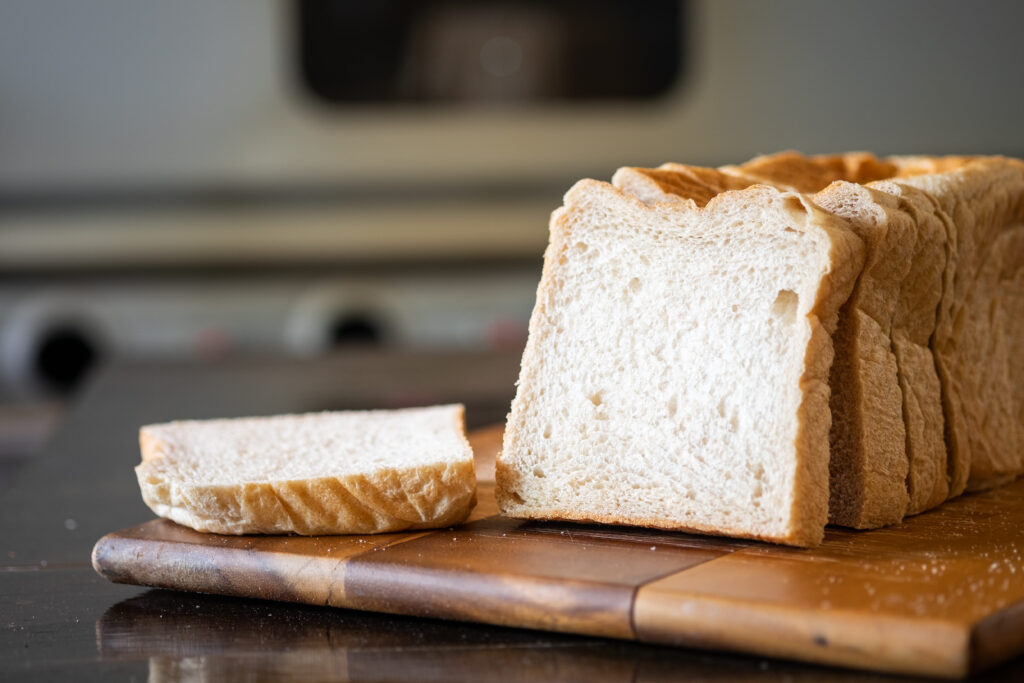
White bread is the classic comfort loaf, but it is often the weakest choice if you want something filling and nourishing. The problem is that many white breads are made from refined flour, which means much of the grain’s fiber-rich part has been removed. That gives the bread a softer texture, but it also makes it less satisfying.
This kind of bread can be digested quickly, leaving you hungry sooner than expected. It can also make your meal feel lighter than it really is because you may end up eating more slices to feel full. If bread is part of your daily meals, switching from regular white bread to a whole grain option can make a big difference without changing your routine too much.
Ignoring Whole Grain Bread at the Store
Whole-grain bread is one of the easiest upgrades you can make. Unlike refined bread, it retains the grain’s bran and germ. That means more fiber, more minerals, and a stronger ability to keep you full after eating.
The trick is to read the label carefully. Some loaves say “wheat” or “multigrain,” but that does not always mean they are truly whole grain. Look for words like “100% whole grain” or “100% whole wheat” near the top of the ingredient list. A darker color alone does not prove anything because some breads are colored to look healthier than they are.
Walking Past Sprouted Bread Without Understanding It
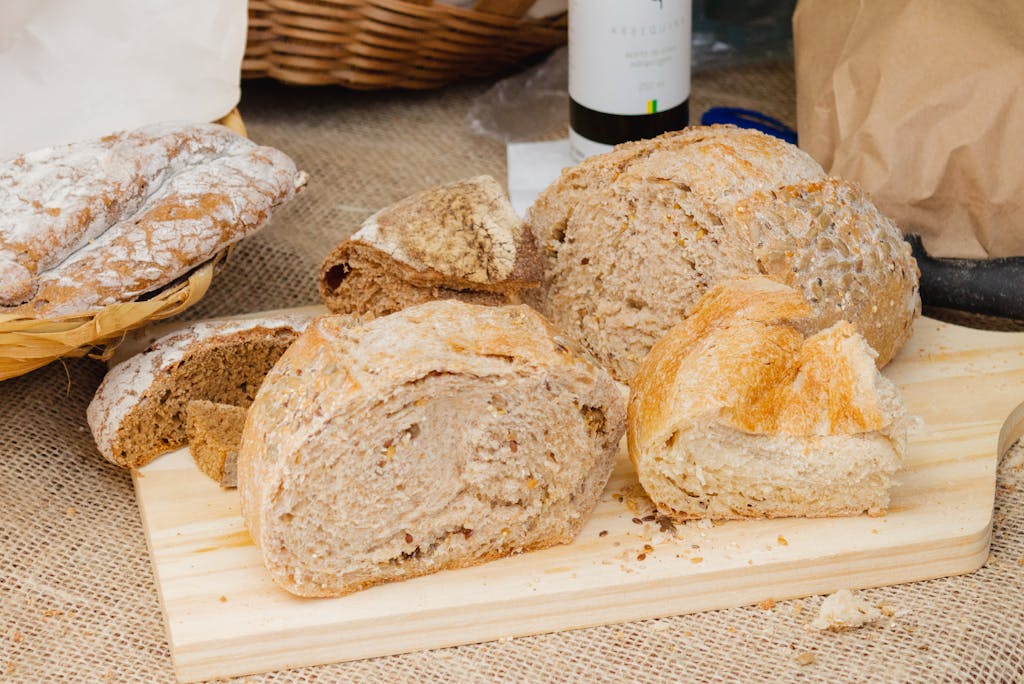
Sprouted bread may sound fancy, but the idea is simple. The grains are allowed to start growing before they are turned into bread. This process can make some nutrients easier for the body to use and may make the bread feel gentler to digest for some people.
It also tends to have a hearty texture and a deeper flavor than regular sandwich bread. Sprouted bread can be a strong choice for breakfast toast, avocado toast, or a filling sandwich. It may cost a little more, but it often gives you more nutrition per slice. If you want bread that feels less empty and more like real food, sprouted bread deserves a spot on your list.
Avoiding Seeded Bread Because It Looks Too “Healthy.”
Seeded bread can look intimidating if you are used to plain loaves, but those tiny seeds can add real value. Flax, sunflower, sesame, chia, and pumpkin seeds bring extra texture, healthy fats, fiber, and plant-based nutrients. They can turn a basic slice into something more filling and flavorful.
Seeded bread is especially useful if you often feel hungry soon after eating toast or sandwiches. The seeds add chewiness, naturally slowing you down and making the meal feel more satisfying. Just be careful with loaves that use seeds only as decoration on top. A truly good seeded bread should have seeds throughout, not just sprinkled on the crust for show.
Assuming Rye Bread Is Too Old-Fashioned to Be Useful

Rye bread does not always get the attention it deserves. It has a stronger, earthier taste than regular bread, which is exactly why some people love it. It can be a great option for people who want bread with more character and a denser bite.
Rye may also feel more satisfying than soft white bread because it has a heavier texture and often pairs well with protein-rich foods like eggs, turkey, tuna, or cottage cheese. The key is choosing real rye bread, not a loaf that uses only a small amount of rye for flavor. If you want a bread that feels hearty and keeps your meal from tasting boring, rye is worth trying.
Treating Sourdough Like It Is Just Trendy Toast
Sourdough became popular for a reason. Its tangy flavor comes from fermentation, giving it a distinct taste and texture from ordinary bread. A good sourdough loaf can feel lighter, chewier, and more satisfying than many packaged breads.
Still, not all sourdough is equally healthy. A white sourdough loaf can taste amazing, but a whole-grain sourdough usually gives you more fiber and nutrients. That is the better pick if you want the benefits of sourdough without turning your meal into mostly refined flour. Sourdough works well for sandwiches, soups, breakfast toast, and simple meals where you want bread that adds real flavor.
Buying Gluten-Free Bread Without Checking the Ingredients
Gluten-free bread can be helpful for people who truly need it, especially those with celiac disease or gluten sensitivity. But gluten-free does not automatically mean healthier. Some gluten-free breads are highly processed and may be low in fiber and protein, with plenty of starches that don’t keep you full for long.
If you buy gluten-free bread, check what it is made from. Better options may include ingredients like brown rice flour, almond flour, seeds, or other nutrient-rich additions. Avoid choosing a loaf just because the front label sounds clean. The ingredient list tells the real story. For people who do not need to avoid gluten, whole-grain or sprouted bread may be a better everyday choice.
Conclusion
Bread does not need to disappear from your kitchen. The smarter move is to learn which loaves actually support your meals and which only look healthy from a distance. A good bread should help you feel full, pair well with real food, and bring more than a soft texture to the plate.
The next time you stand in the bread aisle, do not let pretty packaging make the choice for you. Look for fiber, whole grains, seeds, simple ingredients, and enough substance to make each slice count. Bread can still be comforting, delicious, and useful. You just have to stop letting the wrong loaf do all the talking.