Sourdough bread has earned a glowing reputation, and honestly, it tastes like it deserves one. That crisp crust, soft center, and tangy flavor can make ordinary toast feel like something from a small bakery on a quiet morning. Many people also see sourdough as the “better bread,” especially because it goes through fermentation and may feel gentler than regular white bread.
Still, eating sourdough every day is not automatically a health win. It can fit into a balanced diet, but it can also become a quiet problem when portions grow, toppings pile up, or people assume every loaf is equally nutritious. Here are seven ways daily sourdough can work against you if you treat it like a free pass.
It Can Still Push Your Carb Intake Higher Than You Realize
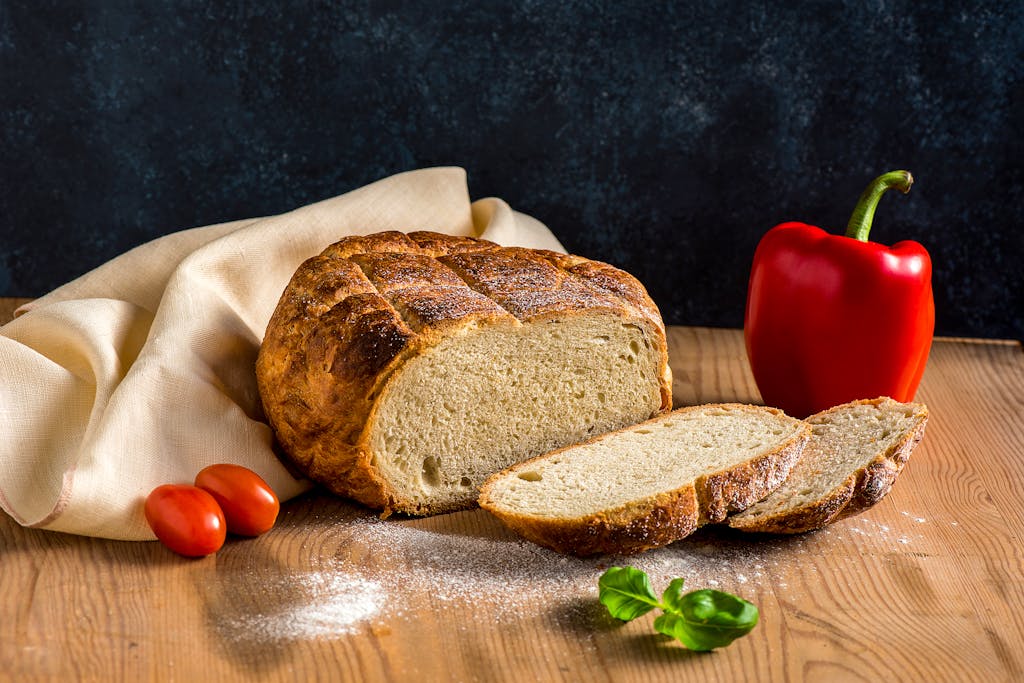
Sourdough may sound lighter than regular bread, but it is still bread. Most loaves are built around flour, which means carbohydrates remain the main fuel source. That is not bad by itself, especially if you are active or pairing it with protein, healthy fats, and fiber-rich foods. The problem begins when sourdough becomes an everyday extra instead of part of a planned meal.
A slice at breakfast, another at lunch, and a thick piece with dinner can add up quickly. Many people forget to count the bread because it feels “healthy,” then wonder why they feel sluggish or why their weight is creeping upward. Sourdough works best when it has a role on the plate, not when it quietly becomes the plate.
It May Not Be as Gut-Friendly as People Think
Fermentation can make sourdough easier to digest for some people. That is one reason it gets so much attention. The starter helps break down parts of the dough during the long rising process, which may make some loaves feel gentler than standard bread. For people who usually feel heavy after bread, that can feel like a small miracle.
But sourdough is not magic. Some people may still feel bloated, gassy, or uncomfortable after eating it, especially if the loaf is made from wheat and eaten daily. A poorly fermented or highly processed store-bought version may also offer fewer digestive perks than a slow-fermented bakery loaf. If your stomach keeps complaining, the “healthy” label matters less than your body’s reaction.
The Sodium Can Sneak Up on You

Bread doesn’t always taste salty, so people often forget that sodium can hide in each slice. Sourdough needs salt for flavor, structure, and balance, but daily servings can slowly raise your intake. This matters even more if you eat it with salted butter, cheese, deli meat, canned soup, or packaged spreads.
The risk is not one slice. The risk is the routine. A sandwich at lunch, avocado toast in the morning, and a side of bread with dinner can turn sourdough into a daily sodium habit. For adults who are watching their blood pressure or heart health, that small habit deserves attention. Choosing lower-sodium toppings and keeping portions reasonable can make a real difference.
Some Store-Bought Loaves Are Not the Real Deal
Not every bread labeled “sourdough” is made the same way. Some supermarket loaves rely more on flavorings, commercial yeast, or shortcuts than on a true slow fermentation. They may still taste tangy, but they might not offer the same digestive or nutritional benefits as traditional sourdough.
This is where shoppers can get fooled. A rustic-looking bag, a brown crust, and the word “artisan” do not automatically mean the loaf is deeply fermented or made with simple ingredients. If sourdough is going to be part of your daily diet, the ingredient list matters. A better loaf usually keeps things simple and does not need a long list of additives to pretend it came from a bakery.
It Can Crowd Out More Nutritious Foods

Sourdough can be satisfying, but it should not replace everything else your body needs. If bread becomes the center of most meals, other foods can get pushed aside. That may mean fewer vegetables, fewer beans, less fruit, less lean protein, and fewer whole grains with stronger fiber benefits.
This is one of the quiet downsides of daily bread habits. You may feel full, but that does not mean you are in balance. A sourdough-heavy diet can leave your plate looking comforting but incomplete. The better move is to use sourdough as a base, then build around it with eggs, salmon, hummus, beans, greens, tomatoes, or other nutrient-rich foods.
It Is Not Safe for Everyone With Gluten Issues
Sourdough fermentation may reduce some compounds that bother sensitive stomachs, but it does not make wheat sourdough gluten-free. That detail matters. People with celiac disease or wheat allergies should not treat regular sourdough as a safe alternative. Even small amounts can cause serious reactions for those groups.
For people with mild sensitivities, sourdough may feel easier than other breads, but that does not guarantee comfort every day. The type of flour, fermentation time, portion size, and individual tolerance all matter. If bread regularly causes pain, fatigue, rashes, or digestive distress, daily sourdough is not something to casually push through.
Toppings Can Turn a Healthy Slice Into a Heavy Meal

Sourdough rarely travels alone. It usually arrives with butter, jam, cream cheese, bacon, eggs, avocado, melted cheese, or sweet spreads. Some of those can fit nicely into a balanced diet, but they can also turn a simple slice into a high-calorie habit before you notice.
This is why sourdough’s health value depends on the full meal. A slice with peanut butter and fruit is very different from three thick slices covered in butter and honey. A sandwich with vegetables and lean protein is different from one stacked with processed meats and sauces. The bread may be the headline, but the toppings often decide the real story.
Conclusion
Sourdough bread can be a delicious part of everyday eating, but it does not deserve blind trust. The fermentation process may help digestion, flavor, and nutrient absorption, yet sourdough still brings carbs, sodium, calories, and wheat-based concerns to the table. Daily habits matter more than food trends.
The smartest approach is simple. Choose a good-quality loaf, watch your portions, pair it with protein and fiber, and pay attention to how your body feels after eating it. Sourdough can support a balanced diet, but only when it stays in its lane.