The history of American slavery is often simplified in popular narratives, masking the complex realities faced by millions. Misunderstandings about the origins, scope, and daily life of enslaved people have persisted, shaping collective memory while obscuring the resilience and cultural agency of those in bondage. From the African regions from which enslaved individuals came to their lived experiences across Northern cities and Southern plantations, the truth is far richer and more nuanced than most people realize.
We examine eight common myths about American slavery and reveal the historical facts that challenge them, highlighting systemic oppression alongside cultural survival strategies that defined the lives of enslaved Africans and their descendants.
Most Enslaved Africans Did Not Arrive Directly in the U.S.
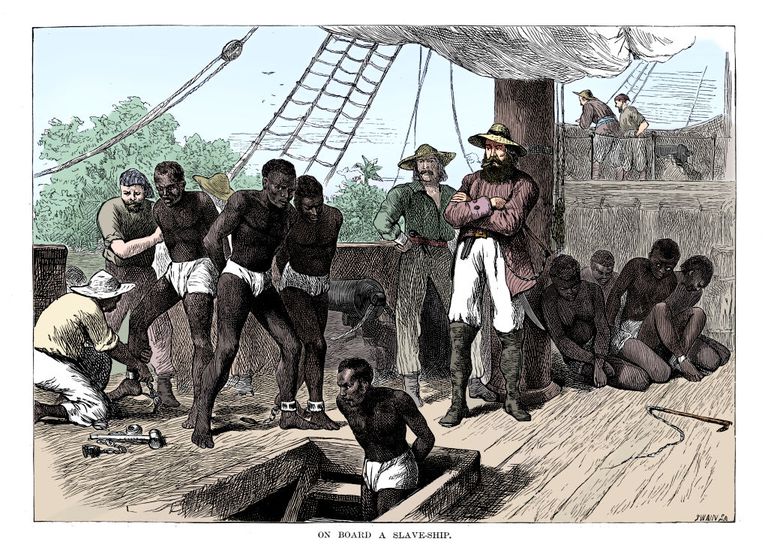
Of the roughly 10.6 million Africans transported across the Middle Passage, only about 388,000 reached what is now the United States. The vast majority were sent to Brazil, the Caribbean, and other parts of South America. Many enslaved Africans in the U.S. were also imported indirectly from the Caribbean, illustrating the hemispheric nature of the transatlantic slave trade.
This broader context emphasizes that U.S. slavery was part of an extensive network, with cultural exchange and migration influencing the diversity and resilience of enslaved communities across the Americas.
Enslaved Africans Came from Select Regions
Contrary to the idea that enslaved people came uniformly from across Africa, European traders targeted specific regions capable of supplying large numbers efficiently. Approximately a quarter of the transatlantic captives came from Senegambia, another quarter from West-Central Africa, and many from the “Slave Coast,” modern-day Ghana. These areas shared linguistic and cultural traits that influenced adaptation and community formation in America.
The selective targeting shaped not only demographics but also social cohesion and resistance patterns within enslaved populations. Knowledge of regions of origin helps historians trace cultural continuity, showing how Africans retained kinship, rituals, and beliefs despite forced migration.
Slavery Existed Beyond Plantations
While Southern plantations dominate public imagination, about 10% of enslaved people lived in urban centers. Cities like Boston, New York, and Charleston employed enslaved labor in skilled trades, domestic service, and municipal work such as maintaining roads and public buildings. Urban enslaved people often had limited autonomy and opportunities to earn income but remained under the same systemic controls as those in rural environments.
Northern colonies also relied heavily on enslaved labor, and gradual emancipation laws did not immediately free adults and children. Recognizing urban slavery broadens understanding of its economic and social entrenchment across all colonies, not just the South.
Some Enslaved People Earned Money

Although legally considered property, enslaved individuals sometimes had opportunities to earn a modest income. Skilled laborers could take on additional tasks, cultivate gardens, or produce items for sale. These earnings allowed for the purchase of necessities, clothing, or small luxuries, granting a limited degree of self-determination within an otherwise controlled life.
Even small financial autonomy contributed to agency, enabling enslaved people to negotiate aspects of their lives and create personal space in a system designed to deny it.
Literacy Was Systematically Suppressed
Southern states frequently banned teaching enslaved people to read and write, fearing that literacy could enable rebellion. Despite these legal prohibitions, some enslaved individuals learned to read secretly for religious purposes or work-related tasks. These acts of covert education demonstrate resilience and intellectual agency in the face of systemic oppression.
Literacy offered more than knowledge—it was a form of resistance. Even minimal reading ability allowed enslaved people to communicate secretly, access spiritual texts, and assert a degree of independence within controlled conditions.
Slavery Was Nationwide, Not Just Southern
Slavery existed in every one of the original thirteen colonies. Northern cities depended on enslaved labor for domestic service, dock work, and business operations. Northern gradual emancipation did not immediately free those in bondage, leaving many adults and children in indentured or forced servitude well into the 19th century. Recognizing Northern slavery is crucial to understanding the economic and social foundations of the early United States.
The misconception that slavery was purely Southern obscures the role Northern labor played in shaping trade, urban infrastructure, and wealth accumulation for the emerging nation.
Not All Enslaved People Were Initially Christian
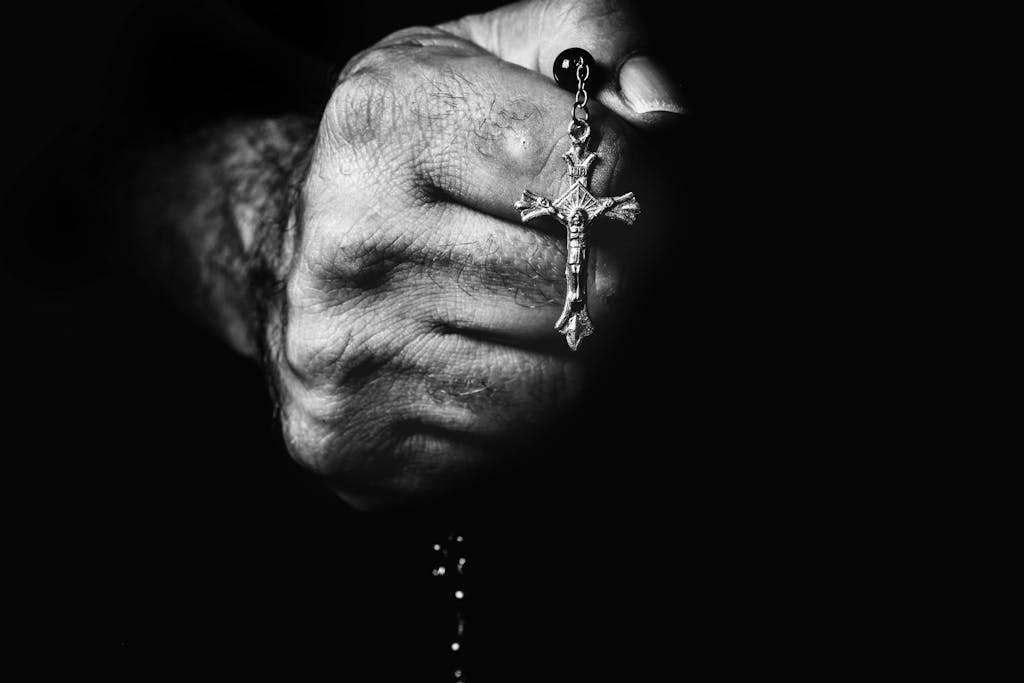
Early American enslavers often discouraged the conversion of enslaved Africans to Christianity to avoid moral objections to enslaving fellow Christians. By the 1800s, the Second Great Awakening led to widespread conversion, particularly among Baptist and Methodist congregations. Religious instruction emphasized obedience and patience, blending spiritual practice with the reinforcement of systemic hierarchy.
Understanding this evolution clarifies how religious identity was used both to control and to provide community and resilience among enslaved populations.
Cultural Connections Persisted Despite Oppression
Despite forced migration and cultural suppression, enslaved Africans preserved aspects of their heritage. Kinship systems, naming practices, spiritual beliefs, and traditional healing persisted through adaptation. Conjurers and healers maintained rituals and knowledge, ensuring continuity of African identity even in the face of systemic trauma.
This persistence highlights the agency of enslaved people in maintaining culture and social cohesion, demonstrating that slavery could not erase African identity entirely.