Most of us assume that the little routines we do every day are harmless, but recognizing these hidden risks can help increase awareness and motivate change. You wake up, brush your teeth, grab a coffee, and go about your business, often unaware of the potential health consequences behind these seemingly normal actions.
The problem is that convenience and tradition often win over caution, leading to long-term health issues. We stick with routines that feel normal, oblivious to the toll they take over time.
The result is chronic stress, foot pain, heart risks, and exposure to toxins that sneak into your life daily. Here’s a wake-up call on ten common habits that are far worse than they seem and can be changed to improve your health.
Zero Gravity

Space travel is far from harmless. Zero gravity disrupts blood flow, weakens bones and muscles, and can permanently damage vision. Even short stints in weightless environments alter bodily functions in ways we are only beginning to understand.
Astronauts returning from space often require intensive rehabilitation to regain muscle strength and cardiovascular health. While extreme, it’s a stark reminder that human bodies are designed for Earth’s gravity, and prolonged absence from it carries serious consequences.
Mowing the Lawn
Gas-powered mowers are more than noisy neighbors—they’re miniature pollution machines. In just an hour, a typical push mower can produce a shocking dose of toxins in your own backyard, which you breathe in while sweating over your patch of grass.
This exposure increases the risk of respiratory issues and long-term lung damage. People who spend hours maintaining their lawns may unknowingly be trading neat edges for a cloud of fumes. Even electric mowers carry some health risks if used improperly, making lawn maintenance a surprisingly hazardous chore.
Wearing Flip-Flops
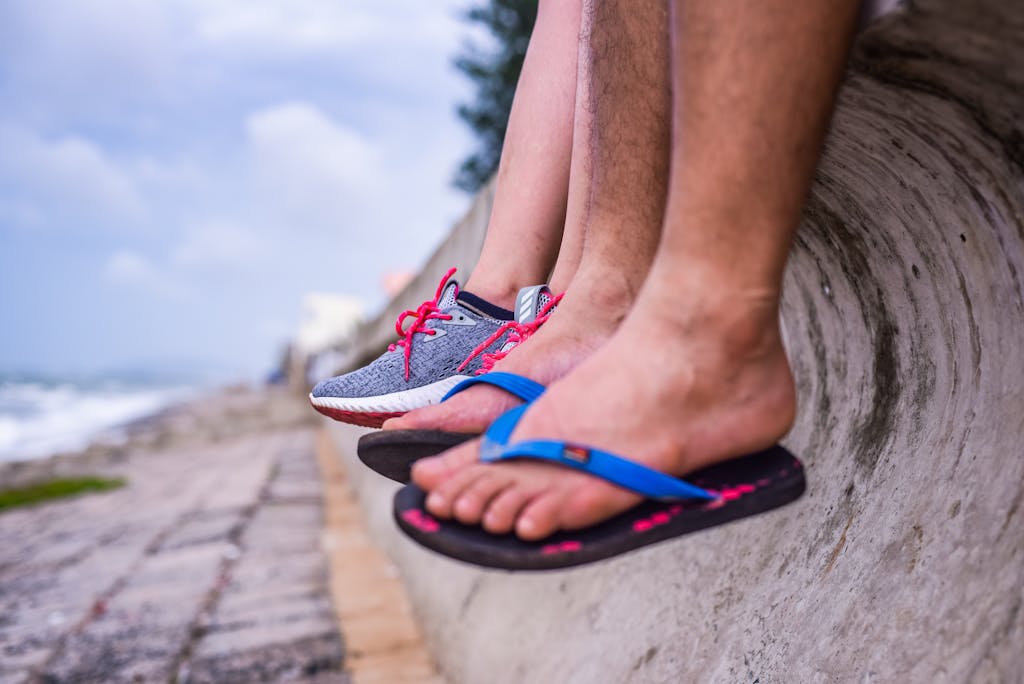
Flip-flops feel like summer freedom, but your feet—and your posture—are paying the price. Without arch support, your toes grip constantly to keep them on your feet, straining muscles and ligaments. Over time, this can lead to foot pain, plantar fasciitis, and even knee or back problems.
The lack of support doesn’t just affect your feet. Improper footwear alters your gait, disrupts joint alignment, and increases your injury risk. That casual stroll through your neighborhood might feel easy now, but the cumulative damage could linger for years.
Sitting All Day
Americans sit more than ever, glued to desks, screens, and couches. Extended sitting slows metabolism, reduces calorie burning, and is linked to heart disease—even if you exercise later. Sedentary behavior has also been tied to increased rates of diabetes, obesity, and premature death.
Breaking up long periods of sitting is crucial, but most of us ignore it. Simply standing and walking periodically improves circulation, stabilizes blood sugar, and reduces stress on your heart. Ignoring these warnings leaves your body paying the price for convenience and habit.
Hitting Snooze on Your Alarm
Most Americans rely on alarms to pull them out of bed, but your body hates the jolt. Abruptly waking from deep sleep triggers a spike in blood pressure and stress hormones, setting the tone for a jittery day.
Over time, repeated spikes can raise your risk for cardiovascular problems and contribute to anxiety. The groggy “snooze trap” also disrupts your circadian rhythm, leaving your brain foggy and less focused throughout the day.
Even light, weekly use of alarms can change how your body processes sleep cycles. What feels like a harmless five-minute snooze can quietly add up, sabotaging both your physical and mental health.
Showering Too Often

Daily showers feel clean and refreshing, but they can strip your skin of protective oils and bacteria that help fight infections. Over-washing can lead to dry, irritated skin and even increase vulnerability to allergies and eczema.
Scaling back frequency, especially in winter or when your skin is sensitive, preserves your skin’s barrier and supports the natural microbiome that keeps harmful bacteria at bay. Excess hygiene may be doing more harm than good.
Burning Candles
Candles create ambiance, but many release toxic chemicals, especially paraffin varieties. Frequent indoor use exposes you to fumes that affect respiratory health and may irritate the lungs.
Even “scented” candles may contain synthetic compounds that linger in the air long after the wax is gone. Opting for safer alternatives reduces risk, but most households unwittingly invite harmful fumes into their living spaces, believing a candle is harmless décor.
Carrying Heavy Backpacks
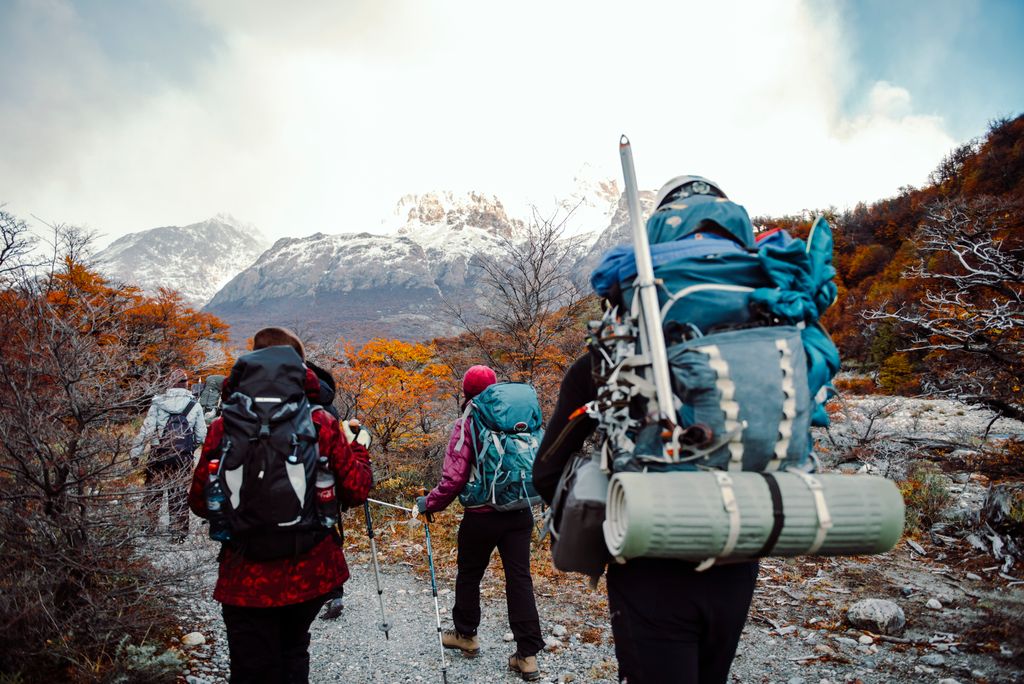
Heavy or poorly fitted backpacks are silent spinal saboteurs. Kids and adults alike can experience muscle strain, misalignment, and back pain from daily overloading. The longer the exposure, the higher the risk for chronic spinal issues.
Children are particularly vulnerable, as their growing bodies struggle under constant pressure. Distributing weight evenly, limiting loads to a safe percentage of body weight, and using ergonomic designs are critical. The routine of slinging a bag over your shoulder might feel normal, but it’s silently reshaping your spine.
Eating Rice
Rice is a staple, but some varieties can contain inorganic arsenic from pesticides. Chronic consumption has been linked to increased risks of certain cancers and cardiovascular disease.
Varying grains and limiting rice intake, particularly for children, reduces exposure. What seems like a healthy, everyday carbohydrate might quietly be introducing toxins into your diet.
Cheap Sunglasses

Not all sunglasses are created equal. Inexpensive lenses may block visible light but fail to filter harmful UV rays. Worse, dark lenses without proper protection can make your pupils dilate, letting in more damaging rays than if you went bare-eyed.
Long-term exposure increases the risk of cataracts, macular degeneration, and other eye conditions. Skipping quality eyewear or relying on cheap shades can turn a style choice into a vision hazard.
Key Takeaway
Many routines we see as safe may secretly harm us; awareness and small adjustments can help you protect your health over time.
Question: Which of these everyday habits are you willing to change today before your body starts paying the price?