A daughter remembers her mother’s words far longer than anyone imagines. Some statements inspire courage, while others linger like invisible wounds, shaping her self-worth, confidence, and how she sees the world.
Everyday language in the home can influence a daughter’s emotional health, her perceptions of relationships, and even how she makes choices in adulthood.
Motherhood is human, exhausting, and full of mistakes, but some phrases leave marks that last a lifetime. Daughters deserve guidance without guilt, criticism without shame, and love that feels unwavering. Recognizing personal triggers helps mothers communicate more mindfully and nurture their daughters effectively.
Good Girls Do Not Act Like That
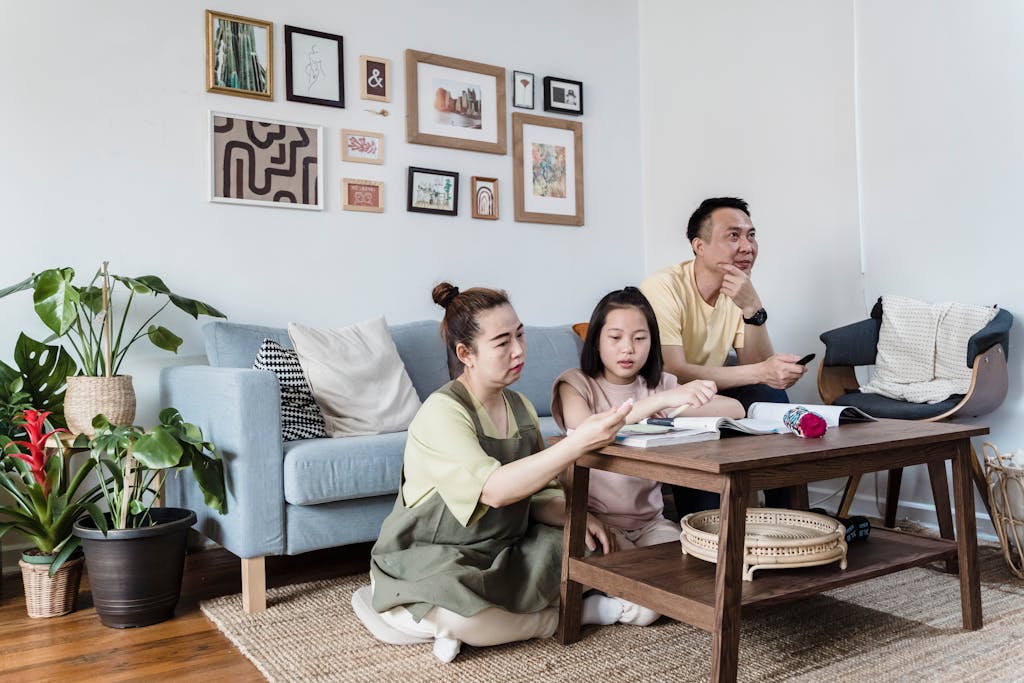
The “good girl” label often equates obedience with worth and discourages individuality. It can teach a daughter that silence and compliance are more important than honesty or self-expression.
Setting rules and boundaries can coexist with encouraging independence and curiosity. True “goodness” stems from integrity, kindness, and personal judgment, not fear of being judged.
Daughters thrive when they feel empowered to make decisions while understanding the values that matter to them.
You Will Never Find a Man Like That
This statement may seem protective, but it expresses fear rather than wisdom. It suggests that her choices, independence, or personality could make her unlovable.
Daughters need to know that relationships are built on mutual respect and that they do not need to compromise their identity to be loved. Mothers should encourage standards, self-respect, and discernment rather than fear of rejection.
Teaching daughters to value themselves creates the foundation for healthy partnerships based on equality and choice.
You Are Just Like Your Father

Comparing a daughter to a father or another adult in anger can unfairly place adult conflict onto a child. It can make her feel blamed for traits she inherited or behaviors beyond her control.
It’s better to address the specific behavior without linking it to family grievances. This teaches accountability while preventing emotional baggage.
Daughters learn to understand their actions without internalizing resentment or guilt from unresolved parental conflicts.
I Gave Up Everything for You
While parental sacrifice is real, repeating this statement can burden a daughter with guilt. She may begin to feel that her existence comes at the cost of her mother’s happiness. Recognizing this helps mothers feel more empowered to balance love with fostering their independence and confidence.
Mothers deserve recognition and appreciation, but children should not carry the weight of lost opportunities or sacrifices. Expressing gratitude is empowering, whereas instilling guilt can quietly erode confidence.
A healthy home balances teaching responsibility with fostering emotional freedom.
You Are Getting Fat
Comments about weight might feel harmless, but a daughter hears them as judgment. In a society obsessed with appearance, this kind of remark can plant seeds of insecurity that linger for years. Recognizing this helps mothers feel responsible for nurturing their daughters’ body confidence and resilience.
Instead of focusing on size, mothers can encourage healthy habits, strength, and energy. Discussions about wellness should highlight vitality and confidence rather than measurements. Using positive, specific language like ‘I love seeing you active and happy’ offers practical ways to support self-esteem.
When daughters hear positive messages about their bodies at home, they learn that their worth is not tied to size or appearance. Encouragement fosters resilience, self-respect, and a lifelong sense of confidence.
Stop Crying Before I Give You Something to Cry About

Dismissing emotion teaches daughters that sadness and vulnerability are unacceptable. It encourages them to hide their feelings rather than learn how to process them safely.
Mothers can guide daughters in handling emotions while reinforcing that feelings are valid. Creating a space where a child can express herself without fear builds resilience and self-awareness.
Learning to manage emotions in a supportive environment strengthens empathy and prepares daughters for healthy relationships later in life.
I Wish I Never Had You
This statement is among the most damaging a mother can utter. Even in anger, it leaves an emotional scar that can last a lifetime.
Repairing the harm requires acknowledgment, a heartfelt apology, and a consistent demonstration of love and support.
Daughters need to feel wanted, cherished, and secure regardless of mistakes or conflicts.
Choosing empathy over frustration ensures that mothers build connection rather than create wounds that linger into adulthood.
Your Sister Is Better Than You
Constant comparison breeds resentment and damages self-confidence. Each daughter deserves recognition for her unique talents and qualities.
Focusing on individuality rather than ranking children prevents rivalry and promotes a sense of self-worth.
Encouraging each child’s strengths helps them build confidence and feel secure in their identity.
When mothers celebrate uniqueness, daughters grow into adults who value their own abilities instead of measuring themselves against others.
You Cannot Do That

Telling a daughter she cannot achieve something can instill fear and self-doubt before she even tries. It can quietly extinguish ambition and creativity.
Mothers should encourage persistence, preparation, and strategic planning while teaching the value of effort. Empowering guidance opens opportunities rather than prematurely closing doors.
Daughters develop resilience and confidence when they are supported to explore possibilities and take risks.
You Are Too Sensitive
Labeling a daughter as “too sensitive” teaches her to doubt her feelings. She may learn to apologize for being hurt or minimize her emotions to avoid criticism.
Guidance should help daughters differentiate between overreaction and genuine feelings while validating their emotional experiences. Honoring emotions fosters emotional intelligence and self-awareness.
Daughters who feel safe expressing their feelings grow into adults who can navigate relationships with empathy and confidence.
You Are Not Pretty Enough

Telling a daughter she is “not pretty enough” teaches her that love and acceptance are conditional. Appearance becomes a currency for validation, and she may internalize the belief that others’ opinions determine her value. This awareness encourages mothers to feel confident in guiding their daughters toward self-worth rooted in character and ability.
Mothers can guide self-expression and grooming without tying it to worth. Confidence should grow from character, ability, and ambition, not superficial standards.
When daughters feel valued for who they are, they develop the inner strength to prioritize their own dreams and choices over external approval.
Conclusion
Mothers shape daughters through far more than rules or routines; words have the power to uplift or wound. Guidance without guilt, correction without shame, and love without conditions create daughters who are confident, resilient, and self-assured.
Choosing words carefully teaches daughters that their value is inherent, their feelings are valid, and their potential is limitless. The right words become more than comfort—they become a foundation for the women they are meant to be.