When it comes to your diet, what you don’t know can hurt you. Many of the foods we’ve been conditioned to consume daily are quietly sabotaging our health, leading to weight gain, chronic disease, and long-term health risks. The worst part? They often don’t look harmful at first glance.
In fact, they’re marketed as convenient, tasty, and even healthy options. But as health experts have pointed out time and time again, these foods are anything but. Let’s take a deeper look at 10 foods that should never be part of your regular diet.
Candy and Sweets
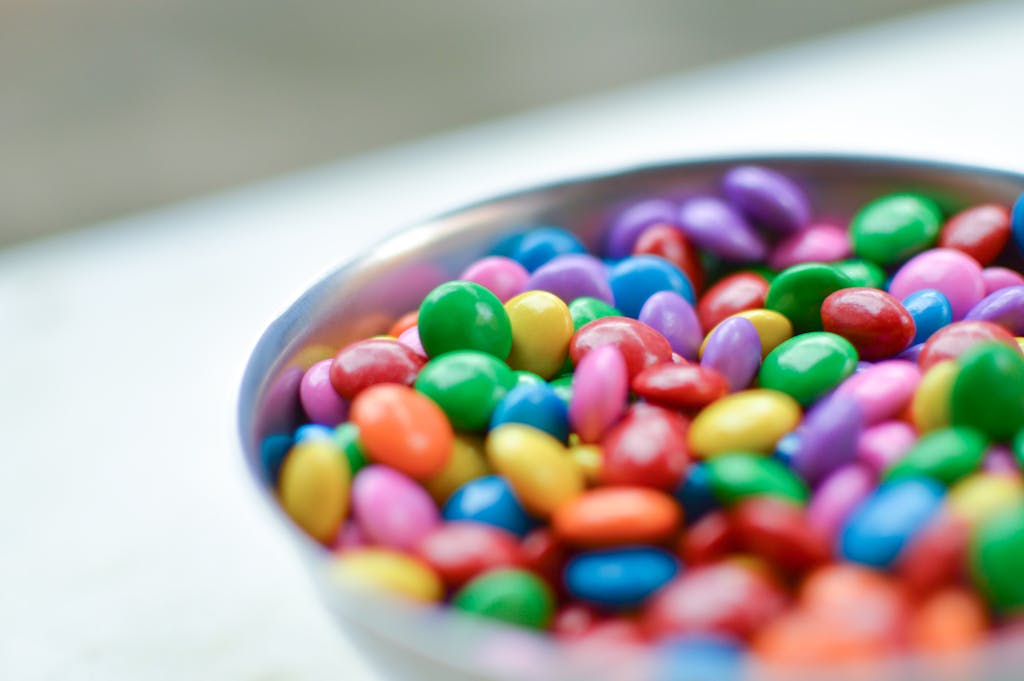
Candy, chocolates, and sugary snacks might give you a quick sugar rush, but they come with long-term consequences. These treats provide little nutritional value and cause sharp spikes and crashes in blood sugar, leading to insulin resistance, weight gain, and an increased risk of Type 2 diabetes. It’s easy to overconsume sugar when it’s in bite-sized pieces, but the damage is anything but small. Opting for fruit or dark chocolate with a high cocoa content will satisfy your sweet tooth without the harm.
Trans Fats
Trans fats are the worst type of fat you can eat, and yet, they still lurk in many processed foods. These fats raise bad cholesterol levels while lowering good cholesterol, creating a perfect storm for heart disease. Many packaged snacks, fried foods, and baked goods are packed with trans fats, making them dangerous for your cardiovascular health. Avoid products with hydrogenated oils and opt for healthy fats like olive oil or avocado instead.
Soda
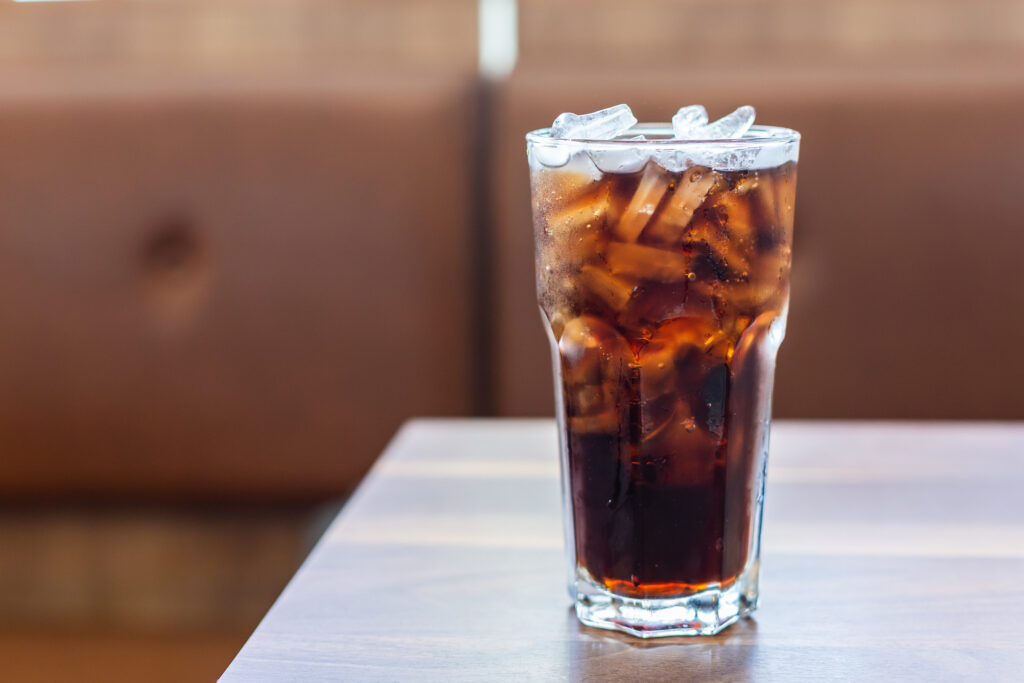
Soda is arguably the worst dietary choice you can make. It’s loaded with sugar, up to 10 teaspoons in a single can, and contributes nothing but empty calories. Even so-called “diet” sodas aren’t safe. They may lack sugar, but the artificial sweeteners in these drinks have been linked to increased risk of stroke and heart disease. It’s time to quit soda for good, and the benefits are immediate. Replacing it with water or herbal teas can drastically improve your health.
Ultra-Processed Foods
Ultra-processed foods are a staple in many households, but they come at a hefty price: your health. These products are packed with salt, sugar, unhealthy fats, and artificial additives that have been shown to increase the risk of obesity, heart disease, and cancer. Foods like sugary cereals, fast food, and frozen dinners make up the bulk of processed food diets. Switching to whole foods, such as fruits, vegetables, and minimally processed grains, is an easy step towards a healthier life.
Processed Meats
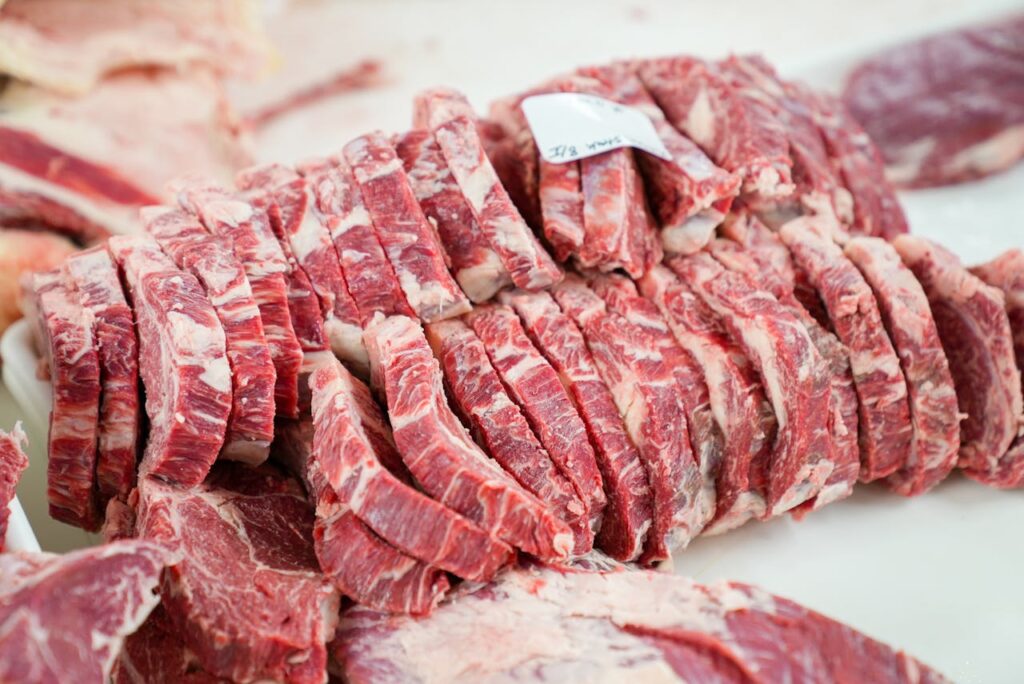
Hot dogs, bacon, sausages, these processed meats are filled with sodium and saturated fats that increase your risk of heart disease, stroke, and even cancer. Studies have shown that consuming processed meats regularly can lead to a significant rise in chronic health issues. While they may be a quick breakfast option or a tasty addition to a meal, the health risks far outweigh the benefits. Fresh lean meats or plant-based proteins are a much better choice.
Refined Grains
Refined grains are in almost everything we eat, from white bread to pastries and sugary cereals. But here’s the catch: refining grains removes most of their nutritional value, leaving behind empty carbs that spike blood sugar and contribute to weight gain. These grains also lack fiber, which is essential for digestion and long-term health. Choose whole grains like brown rice, quinoa, or oats to fuel your body with lasting energy and nutrients.
Alcohol

Many people still believe that moderate alcohol consumption is harmless, but that’s simply not true. The World Health Organization has made it clear that no level of alcohol is safe for our health. Drinking alcohol, even in moderate amounts, raises the risk of several cancers, liver disease, and heart problems. Cutting back on alcohol or eliminating it entirely can significantly improve your overall health and reduce your risk for chronic diseases.
Deep-Fried Foods
Fried foods are often irresistible, but they’re packed with unhealthy fats that clog arteries and cause long-term damage. The high levels of trans fats and saturated fats in fried chicken, fries, and doughnuts increase the risk of heart disease, stroke, and major cardiac events. It’s not just about the calories; it’s about the types of fat these foods contain. Swapping fried foods for baked, grilled, or steamed options can drastically reduce your risk of these chronic health issues.
Fast Food

Fast food may seem like a time-saver, but it’s a major contributor to obesity, high cholesterol, and heart disease. Most fast food is deep-fried, high in sodium, and loaded with refined sugars and grains. This combination leads to weight gain, poor nutrition, and long-term health issues. While fast food can be a convenient choice, it’s not worth making it a habit. Choosing fresh, home-cooked meals can improve your diet and your health.
High-Sodium Foods
Sodium is an essential mineral, but most of us consume way too much. High sodium levels lead to high blood pressure, bloating, and a higher risk of stroke and heart disease. Foods high in sodium, like canned soups, deli meats, and processed snacks, are easy to ignore because they don’t always taste excessively salty. Yet, over time, this excess adds up, silently pushing your health in the wrong direction. Limit your intake by cooking fresh meals and choosing low-sodium alternatives.