First impressions form in less than a tenth of a second, and some behaviors trigger subconscious “dislike signals” almost immediately. Humans are wired to detect threats, selfishness, and dishonesty in social interactions. Certain habits repeatedly push people away, often before you even realize it. Understanding these triggers can help you recognize why some interactions feel tense or cold and why certain people instinctively avoid you.
These six behaviors are among the most powerful social repellents, backed by psychology, neuroscience, and social research.
Interrupting or Talking Over Others

Interruptions, whether subtle or blatant, are almost universally disliked. Cutting someone off, finishing their sentences, or jumping into a story before they’ve finished sends signals of dominance, impatience, or disrespect.
Studies indicate that frequent interrupters are seen as dismissive and self-centered. The brain interprets these behaviors as threats to social hierarchy, activating subconscious discomfort in the listener. Even polite interjections like “I know exactly what you mean” can feel dismissive if they prevent someone from expressing themselves fully.
Repeated interruptions create tension and foster negative impressions almost instantly. Listeners notice more than you think, and they often form long-lasting judgments about your empathy and social awareness based solely on these micro-moments.
Chronic Complaining

People are drawn to those who energize and uplift, not those who drain emotional resources. Chronic complainers signal persistent negativity that activates the brain’s threat response. Listening to complaints triggers subconscious stress and can make others feel emotionally exhausted.
Social psychology research shows that negativity spreads through conversation like a contagion. People who complain incessantly are often avoided or mentally categorized as “draining,” regardless of their other qualities. Even when intentions are harmless, constant focus on problems rather than solutions creates an invisible social barrier.
Constantly Redirecting the Conversation to Yourself
One of the fastest ways to irritate or alienate others is to make every interaction about you. When someone shares an experience, story, or opinion, and you immediately respond with a story of your own, it signals self-absorption and disinterest in the other person.
Psychologists call this conversational narcissism. It activates subtle cues in the listener’s brain that trigger feelings of invisibility or insignificance. Your stories no longer connect; instead, they compete with each other’s narratives, often leaving you quietly frustrated or resentful. Even small comments, like “Oh, that happened to me too!” can compound if repeated frequently.
Neuroscience research shows that mirror neurons, which facilitate empathy, are less activated when someone feels unheard. People instinctively withdraw from individuals who consistently prioritize themselves over mutual exchange.
Humblebragging or False Modesty
Humblebragging, the act of boasting disguised as modesty, is widely disliked because it signals insincerity and social manipulation. For example, comments like “I can’t believe people keep asking me for advice, it’s exhausting” signal self-promotion under a veneer of humility.
Behavioral research indicates that observers detect the contradiction and perceive the speaker as less trustworthy and less likable than someone who is either genuinely modest or openly confident. This form of subtle self-aggrandizement often triggers resentment because it manipulates social perception while appearing indirect or covert.
Avoiding Eye Contact or Appearing Distracted
Humans instinctively scan faces for attention, trustworthiness, and engagement. Avoiding eye contact, glancing at your phone, or appearing distracted activates the brain’s threat detection mechanisms, signaling disinterest or dishonesty.
Studies in social neuroscience show that people who fail to maintain appropriate eye contact are judged as less sincere, less approachable, and even socially inept. Microexpressions, gaze direction, and attentional focus are processed unconsciously, and subtle lapses can lead to lasting negative impressions. Even brief moments of distraction can undermine the perception of attentiveness and warmth.
Gossiping or Putting Others Down
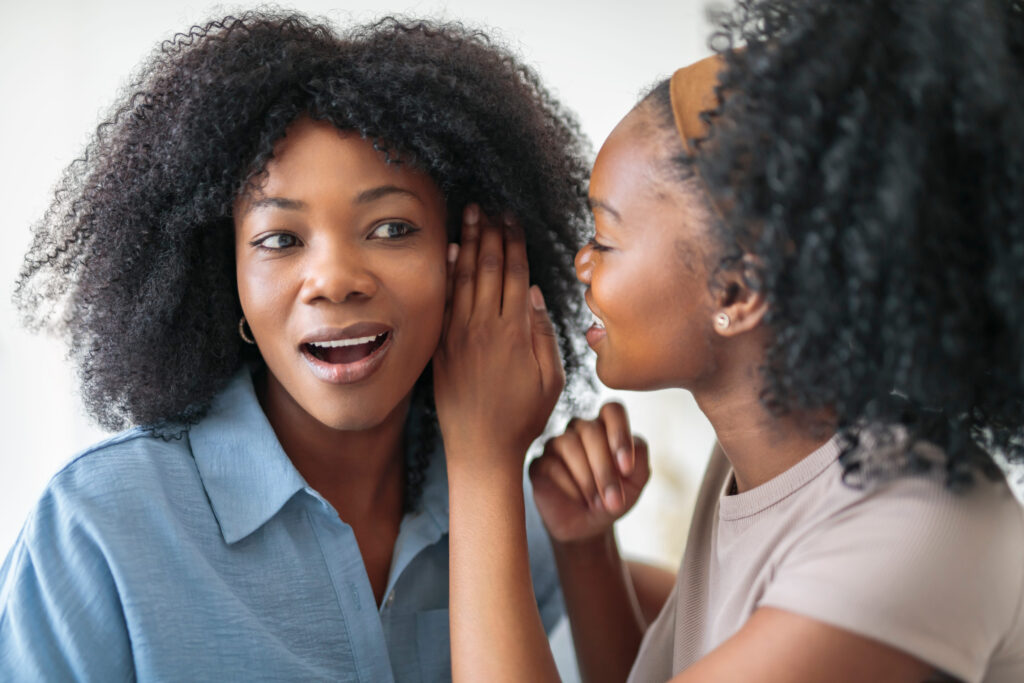
Talking negatively about absent individuals is one of the fastest ways to trigger distrust and dislike. Gossip can make you seem untrustworthy or prone to betrayal, leading others to subconsciously question whether it’s safe to share personal information with you.
Evolutionary psychology suggests humans evolved to avoid chronic gossip as a protective mechanism. When someone consistently criticizes or mocks others, observers instinctively distance themselves to prevent potential social harm. Even casual humor that belittles someone else can create a subconscious red flag that outweighs friendliness or charm elsewhere in the interaction.
The Invisible Influence of the Liking Gap
Beyond visible behaviors, perception plays a crucial role. Social scientists have identified the liking gap, the tendency to underestimate how much others actually enjoy your company. This cognitive bias can make people overly self-conscious, amplifying the behaviors above and ironically creating the very negative impressions they fear.
Understanding that dislike is often triggered by both behavior and perception helps explain why minor social missteps can feel disproportionately damaging. Even subtle habits, repeated over time, accumulate into strong impressions that shape whether people feel drawn to or repelled by you.
People are not born unlikable, but these behaviors consistently trigger instant cues of social rejection. The brain is hardwired to detect selfishness, disrespect, and dishonesty, and each of these six habits signals at least one of these traits. Awareness of their impact explains why certain interactions feel tense, awkward, or disconnected, often before you even speak a second word.