Household chores have a funny way of making us feel productive without actually producing meaningful results. We scrub, fold, polish, and tidy, only to watch the house return to “lived-in” within hours. Often, the problem is not laziness or poor time management; it’s that some chores simply no longer make sense in modern life.
Many cleaning habits stem from an earlier era when appliances were less efficient, fabrics were less resilient, and expectations for “a spotless home” demanded extraordinary effort. Today, these routines can drain time, wear out belongings, and deliver minimal benefit, yet we repeat them out of habit or guilt. Understanding which chores are truly wasteful can save you hours each week and make your home feel genuinely manageable.
Pre-Rinsing Every Dish Before the Dishwasher
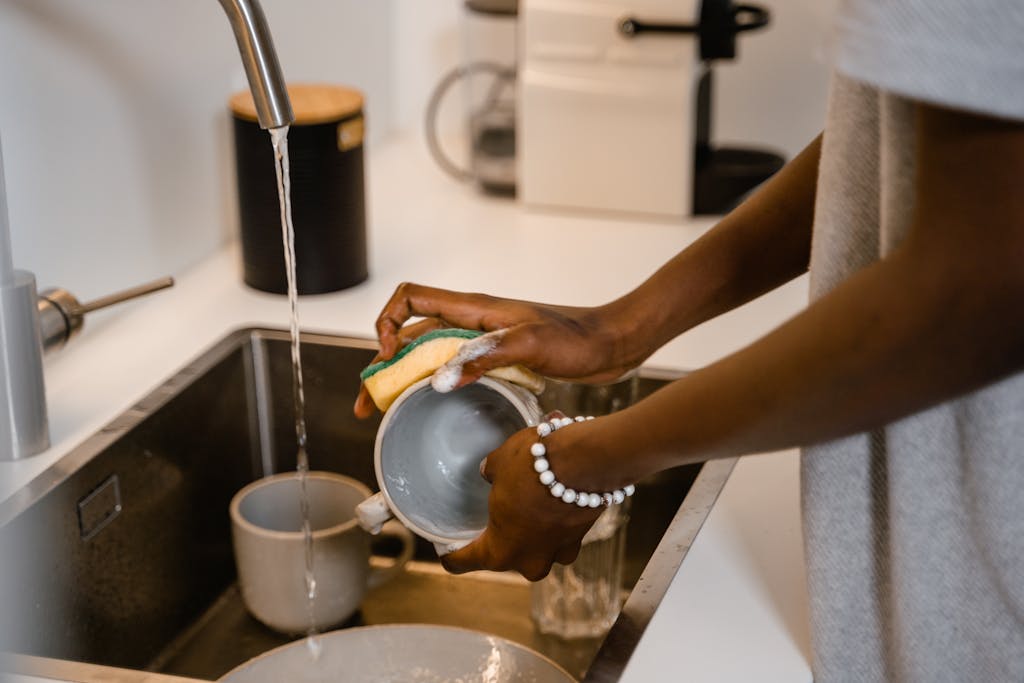
For decades, households were told that dishwashers could not handle sticky or baked-on food. Scraping a plate was not enough rinsing until it looked spotless seemed essential. Modern dishwashers, however, are engineered with high-pressure jets, microbubbles, and enzymatic detergents that effectively remove residue without pre-rinsing.
Environmental studies show that pre-rinsing every dish can waste up to 20 gallons of water per week in an average household, while consuming extra time and effort. Beyond the environmental cost, excessive rinsing removes the residue that detergents actually cling to, reducing efficiency. Unless food is crusted or dried for days, pre-rinsing is more a matter of ritual than necessity.
Ironing Clothes That Do Not Need It
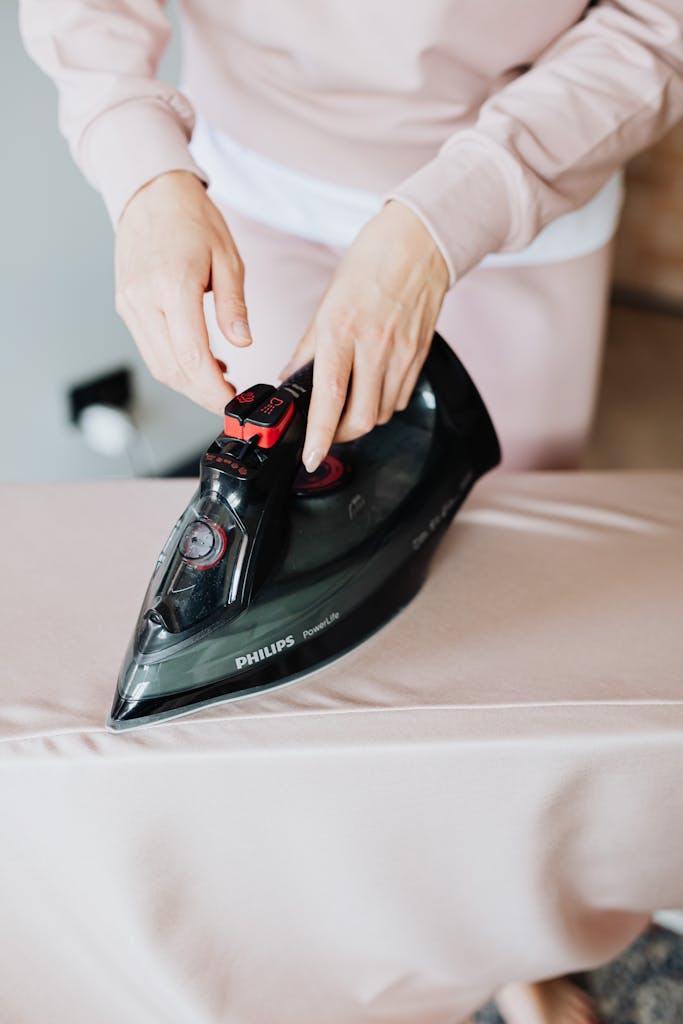
Ironing was once a cornerstone of personal presentation, essential for stiff cotton shirts and crisp workwear. Today, fabrics are often wrinkle-resistant, polyester-blended, or engineered to regain shape after washing. Yet many still iron casual clothing, so it appears neat after hanging or folding.
Research in textile science shows that repeated ironing can accelerate fading, weaken fibers, and reduce elasticity, especially in jeans, knits, and synthetic blends. Time-wise, ironing a casual outfit daily can take 20–30 minutes per session, adding up to hours weekly. In many cases, the visual benefit is imperceptible outside the laundry room mirror.
Folding Underwear and Tiny Socks Like Luxury Linens
There is clean, and then there is theatrical. Folding tiny items meticulously consumes surprisingly large chunks of time. A single load of laundry might include dozens of socks, underwear, gym shorts, or baby clothes. Folding each piece with precision can take up to 30 extra minutes per load, yet the functionality of these items rarely changes.
Studies of household productivity show that meticulously folding items that no one sees or notices does not improve efficiency or accessibility. Simple organizational solutions, such as small bins, drawer dividers, or categorized piles, deliver nearly identical usability while saving time and effort.
Dusting Every Decorative Item One by One
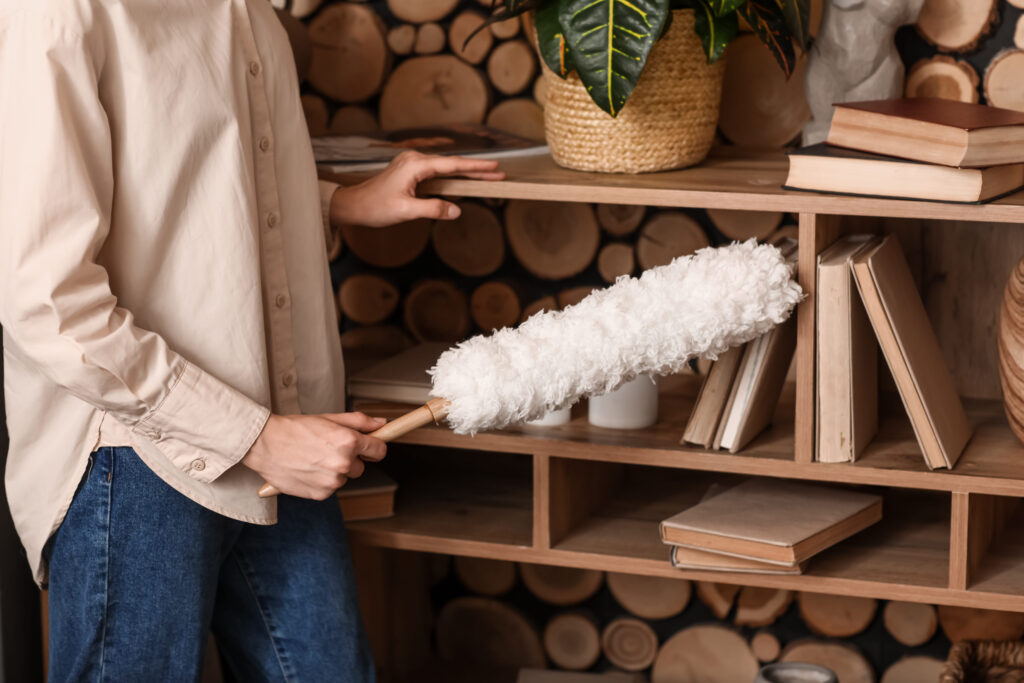
Homes are full of decorative objects: picture frames, candles, knick-knacks, and collectibles. Dusting each item individually can feel satisfying, but it is often inefficient and low-impact. Allergy research indicates that most dusting is unnecessary unless occupants are sensitive to dust mites or pollen. According to the American Lung Association, dust visible on surfaces poses minimal respiratory risk for most individuals.
Dusting dozens of items weekly may create the appearance of progress while doing little for actual cleanliness. Many objects collect dust simply because they are stationary. The effort of constant, meticulous dusting may yield less health and aesthetic benefit than the time invested would suggest.
Washing Clothes After One Short Wear
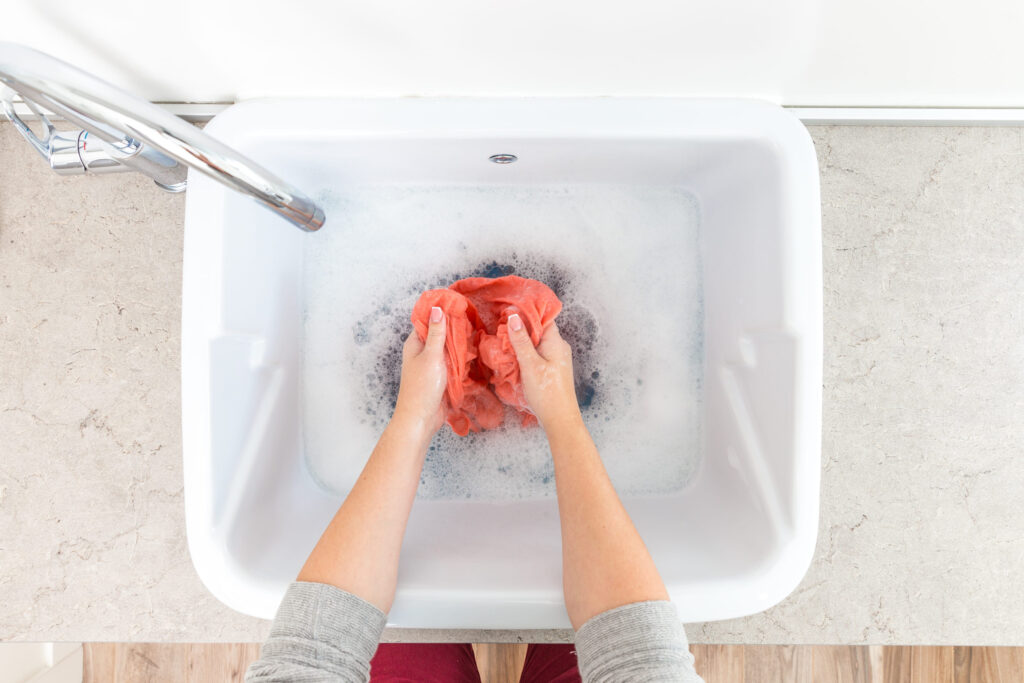
While some garments, such as underwear, socks, gym clothes, and sweat-stained shirts, absolutely require washing after a single use, other items do not. Jeans, sweaters, jackets, and cardigans often withstand multiple wears without odor or hygiene issues.
Overwashing has tangible costs: fabrics fade, fibers weaken, elastics lose tension, and clothes wear out faster. Energy and water are also wasted on unnecessary cycles. By limiting washes to genuinely worn items, households can save hours each week and extend the lifespan of their wardrobes.
Making the Bed with Too Many Decorative Pillows

A neatly made bed is a visual cue of order and comfort. But when your morning routine involves arranging eight pillows, fluffing cushions, and creating a perfectly staged display, you are spending an extra 5–10 minutes each day just for aesthetics. Over the course of a year, this adds up to dozens of hours.
Behavioral research on home organization shows that overly decorative beds may increase stress because the daily effort to maintain them feels burdensome. A bed with fewer pillows can provide comfort, style, and ease of use while reducing unnecessary chores.
Scrubbing Grout Every Time the Bathroom Looks Dull
Bathroom grout is notorious for looking dingy. Many households react with scrubbing sprees to restore their pristine appearance. Unfortunately, grout discoloration is often caused by porosity, water minerals, or aging factors that scrubbing alone cannot fix. Studies from the Home Cleaning Science Institute confirm that repetitive, labor-intensive grout scrubbing has minimal impact on bacterial presence compared to regular disinfecting.
Over-scrubbing can even damage grout, shortening its lifespan. When grout stains are deep, sealing, repairing, or selective cleaning produces far better results than mindless weekly scrubbing.
Organizing Things You Should Probably Get Rid Of
Organizing is satisfying because it creates instant visual progress. However, many people spend hours arranging items that are unused, unwanted, or irrelevant. This pseudo-organization does not reduce clutter in any meaningful way.
Research in productivity psychology shows that removing items from the home reduces cognitive load and stress more effectively than constantly reorganizing them. Labeling and binning things you never use may create the illusion of order, but the underlying clutter problem remains. Time spent moving objects around is time wasted if they do not contribute value or utility.
Time, Effort, and Perception
Across these chores, a common theme emerges: effort with minimal return. Modern homes, fabrics, and appliances have made many traditional routines obsolete. Time, energy, and mental focus are the real limiting resources. Some chores are necessary for hygiene or safety; others persist because of habit, guilt, or outdated expectations.
Household efficiency comes from prioritizing tasks that deliver meaningful results. Scrubbing, ironing, folding, and dusting may provide visual satisfaction, but they should not dominate your schedule at the expense of rest, hobbies, or family time. Knowing which chores truly matter allows homeowners to reclaim hours each week while keeping their homes functional, comfortable, and genuinely clean.