Aging is often feared, seen as a time of decline, frailty, and missed opportunities. This stereotype paints the older years as a slow fade into irrelevance. However, this negative narrative overlooks a wealth of hidden perks that come with time.
In fact, as we age, we develop new strengths that younger generations often overlook. Life doesn’t lose its vitality after a certain age; it transforms. What many don’t realize is that aging can bring a sense of clarity, emotional stability, and depth of experience that enhances our quality of life in surprising ways. Let’s take a deeper dive into the 10 unexpected benefits that come with getting older.
We Start Catching Fewer Colds
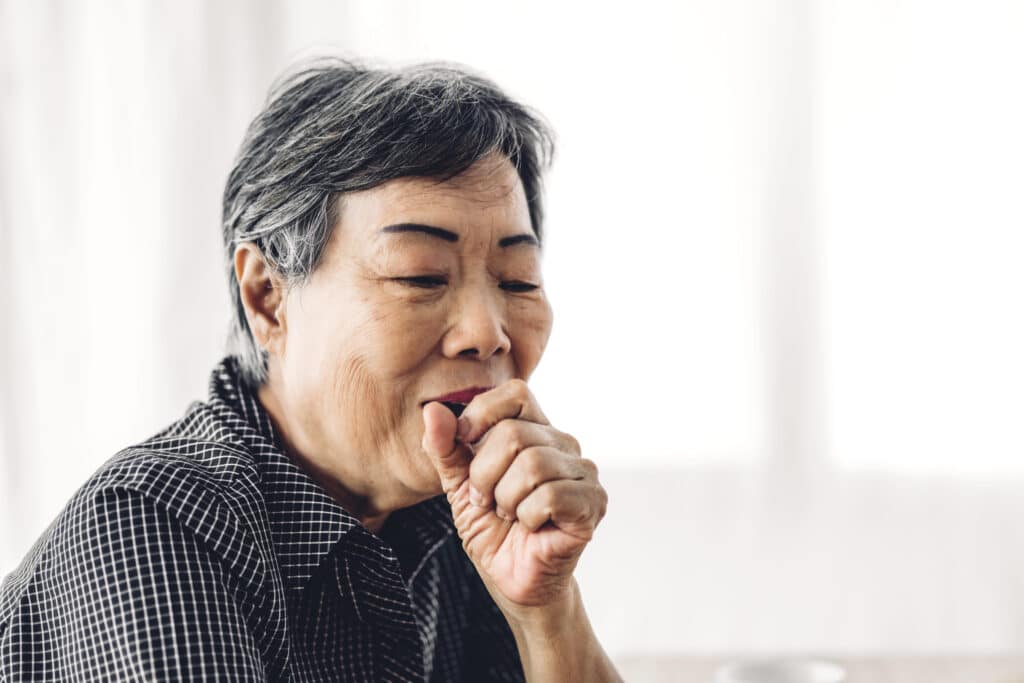
As much as it feels like the common cold never leaves us in our younger years, there’s good news for older adults: we tend to catch fewer colds as we age. This is not due to some mysterious immune boost but the result of a lifetime of exposure to various viruses.
By the time we reach our 60s, our bodies have built a well-organized immune system that effectively catalogs a history of pathogens we’ve encountered over the years. This ability to recognize and combat familiar invaders means fewer sick days and a stronger resistance to common illnesses.
While it doesn’t mean we’re immune to all health risks, it certainly makes us more resilient. Instead of being knocked down by every cold or flu season, we handle these minor health disruptions with greater ease and faster recovery.
We Become Happier as We Age
One of the most surprising benefits of aging is a boost in overall happiness. For many of us, the years following our 50s bring a resurgence in life satisfaction that might surpass the carefree days of youth.
Research consistently shows that as we move past midlife, we become increasingly content with our lives. Studies suggest that life satisfaction declines in early adulthood, bottoms out in middle age, and then gradually rises as we approach our senior years. The explanation? Over time, we refine our priorities. We stop chasing the elusive chase for material success and instead focus on emotional fulfillment, healthier relationships, and greater emotional balance.
Older adults often report greater peace of mind and fewer regrets about the past, and they appreciate the value of each day. The stressors that once consumed us now seem trivial, and this sense of peace fosters a deeper joy.
We Become Better at Handling Stress
Stress is inevitable, but how we manage it shifts dramatically as we age. By the time we reach our 50s and 60s, our responses to stress tend to soften, and we become more resilient in dealing with challenging situations.
Studies have shown that older adults often report significantly lower stress levels than their younger counterparts. This can be attributed to a shift in perspective; older adults are generally more accepting of life’s ups and downs and less likely to dwell on fleeting worries.
With the experience of facing life’s challenges, we develop better emotional regulation skills. We stop sweating the small stuff and can approach stressful situations with a calmer, more strategic mindset. This emotional maturity helps us weather the storms of life without letting them take over.
Our Relationships Improve
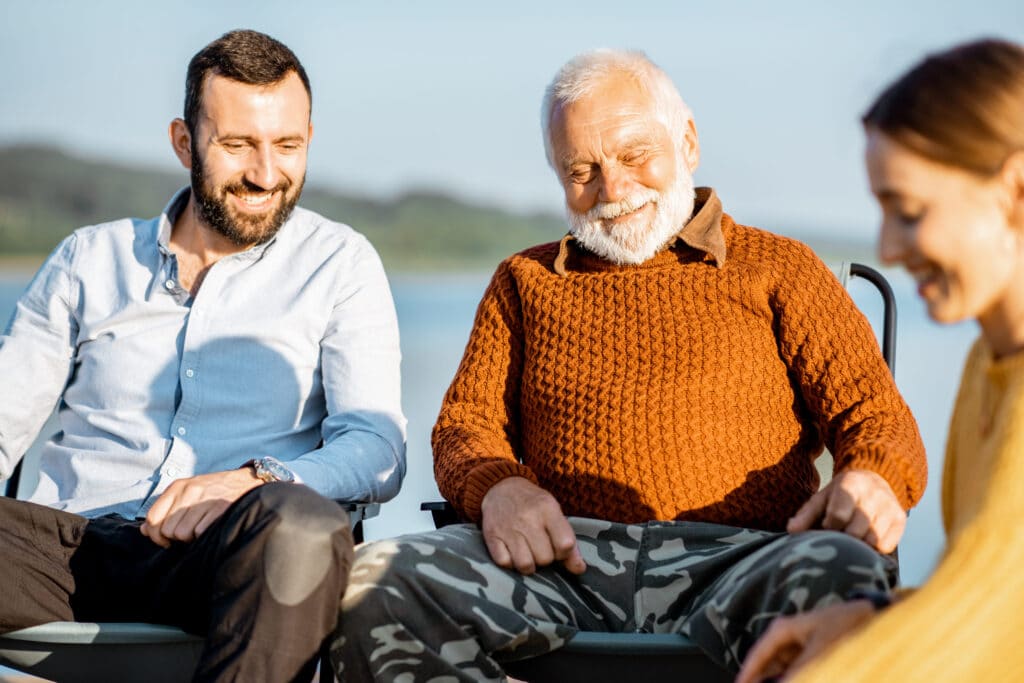
As we age, our relationships undergo a transformation. Younger adults may spend a lot of time pursuing status or approval, but as we grow older, we become more discerning about whom we spend time with.
Research on older adults consistently shows that they report stronger, more satisfying relationships. There’s less room for petty conflicts, and we find ourselves investing more in the relationships that matter the most: family, close friends, and partners. This prioritization of emotional closeness over superficial interactions leads to stronger bonds.
Older individuals also become better communicators, having learned over the years that honesty, compromise, and emotional intelligence are key to healthy relationships. We let go of grudges and focus on cultivating deeper, more meaningful connections, contributing to a stronger sense of belonging and contentment.
We Become More Self-Accepting
Aging brings a remarkable sense of self-acceptance. In our younger years, we often struggle with the pressure to meet external expectations, whether about our careers, appearances, or social status.
But as we age, we care less about fitting into predefined boxes. We stop chasing perfection and start embracing our true selves. This shift is freeing. By the time we’re in our 50s and 60s, we’ve learned to love ourselves, flaws and all, and are no longer so concerned with the judgments of others. This sense of self-acceptance enhances our quality of life by helping us stop wasting energy on things that don’t matter and instead invest in what genuinely brings us joy.
Our Sleep Quality Improves

It’s a common myth that older adults have trouble sleeping. While it’s true that sleep patterns change with age, many older adults actually report better sleep quality than they did in their younger years. This is especially true for those who are retired and no longer bound by the stress of a demanding job.
Studies show that older adults often experience fewer sleep disturbances and are less likely to experience daytime fatigue than younger individuals. This improved sleep is linked to fewer distractions, less anxiety, and fewer responsibilities keeping us up at night. As we age, sleep becomes less of a challenge and more of a peaceful necessity, allowing us to wake up feeling refreshed and ready to tackle the day.
Sex Gets Better with Age
Contrary to the popular myth that sexual desire wanes completely with age, many older adults report a thriving sex life. Research shows that older men and women often experience heightened sexual satisfaction, especially when they shed the societal pressures that can complicate intimacy in earlier years.
In fact, many people over 60 report that their sex lives are better now than they were in their 40s. The key to this satisfaction is often improved communication, more realistic expectations, and greater self-confidence.
For older adults, intimacy becomes less about performing and more about connecting. The result? Increased satisfaction, a deeper understanding of one’s desires, and a new sense of freedom in expressing love and affection.
Endurance Outlasts the Stereotypes
While we often associate peak physical performance with youth, aging brings a surprising advantage in areas of endurance. Athletes in their 50s and 60s consistently demonstrate that with experience comes the ability to push through challenges in ways that younger competitors often can’t.
Studies have shown that older adults excel at endurance sports such as long-distance running, cycling, and even ultramarathons. This is due to a combination of factors, including mental resilience, improved pacing strategies, and accumulated wisdom from years of physical training.
Older athletes understand their bodies better, know how to prepare for long events, and are more likely to complete them with a steady pace rather than risking burnout early on. Aging doesn’t make us weaker; it helps us become smarter in how we approach challenges.
Aging Can Lead to a Calmer Society
While the direct impact of an aging population on society remains a topic of debate, some experts suggest that a graying population could lead to lower crime rates and more stable communities.
This is due to the fact that older adults, on average, commit far fewer crimes than younger individuals, especially violent crimes. As more people live longer lives, society may become calmer, with less impulsive behavior and a greater focus on long-term thinking.
Of course, societal peace depends on more than just age, but an older population may lead to shifts in how we prioritize safety, stability, and community cohesion.
Aging Encourages Guilt-Free Self-Care
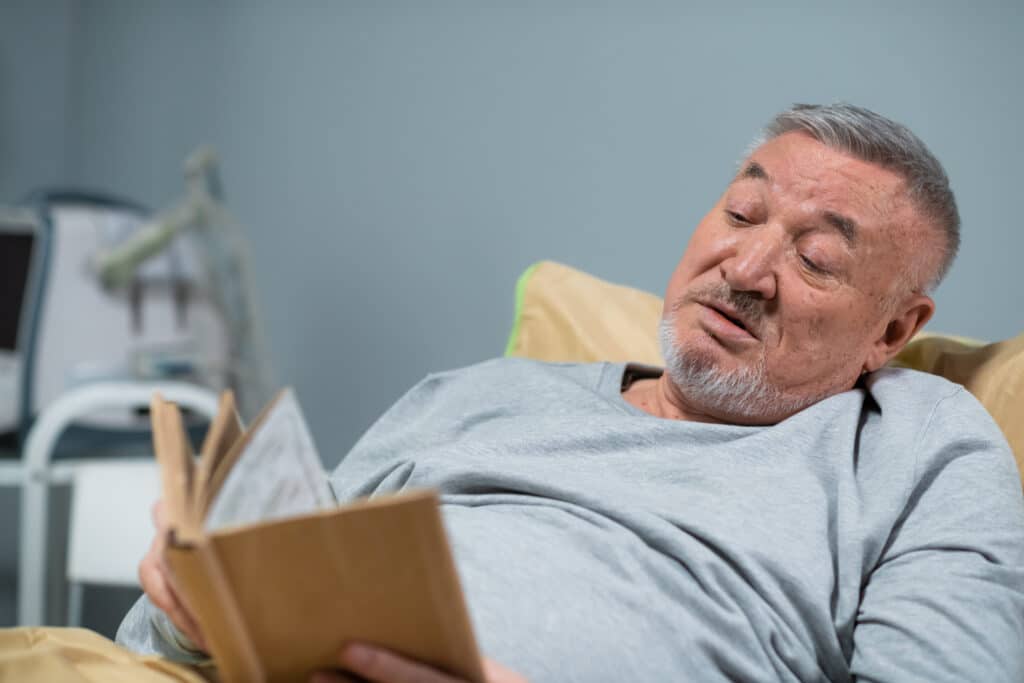
One of the best perks of getting older is the ability to take care of yourself without feeling guilty. As we age, we become more attuned to our own needs, learning that rest, relaxation, and personal time are essential for a well-balanced life.
In our younger years, we might have felt the pressure to constantly be productive or “busy,” but with age comes a deeper appreciation for self-care. The ability to prioritize our own well-being without fear of being labeled lazy or selfish leads to a healthier, happier life. Self-care becomes an integral part of aging, helping us maintain both physical and mental health, and enabling us to enjoy our later years with a greater sense of peace.