When we think of the LGBT community, most of us tend to reduce it to mere labels or assumptions. In reality, the truth is far more nuanced and multifaceted.
From the rise of marriage equality to the evolution of our understanding of gender identity, this article digs into the most enlightening and surprising facts about gay and trans people, offering a more accurate picture than what we’ve seen in outdated narratives. Let’s break it down with current research, fresh data, and compelling insights.
Gay and Trans Are Not One and the Same

While it’s easy to lump “gay” and “trans” into the same category, they actually refer to different aspects of human identity. Gay refers to sexual orientation specifically, an attraction to people of the same gender.
Transgender, on the other hand, is about gender identity, the internal sense of being male, female, or something else, regardless of the sex assigned at birth. Though some people may identify as both gay and trans, others may not. Understanding this distinction is key to recognizing the diverse ways in which people experience and express themselves.
These terms are separate, but part of the same broader LGBTQ+ umbrella. The confusion often arises because society tends to equate the two, but these are different experiences of identity and expression.
The LGBTQ+ Population Is Larger Than Ever, But Still a Minority
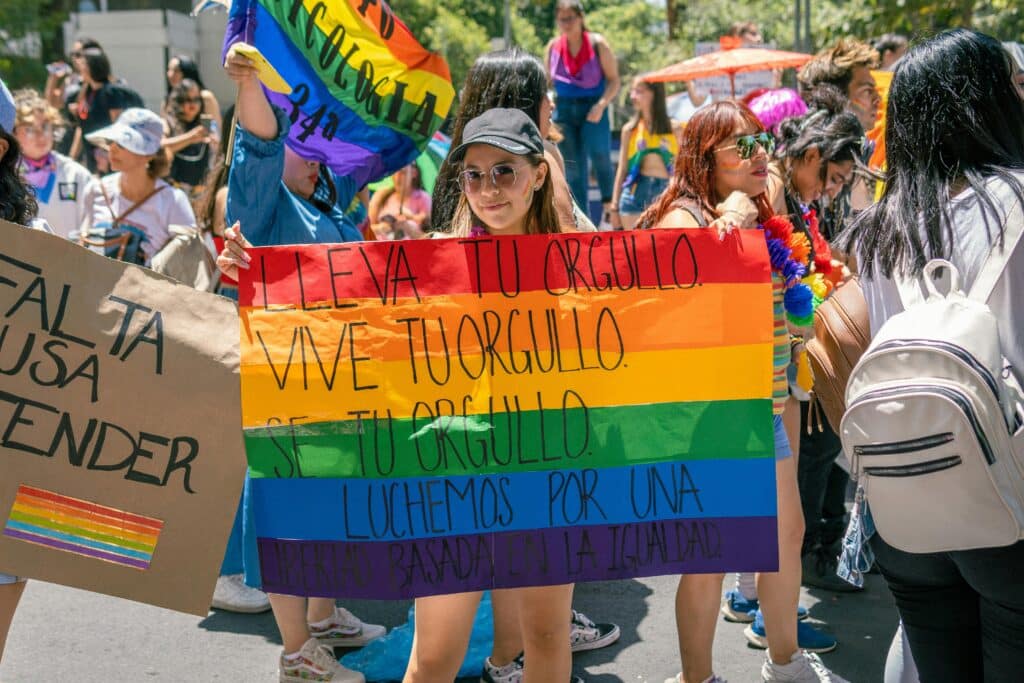
Public conversation around LGBTQ+ people can sometimes make it feel as if they’re the dominant group in society, but the reality is different. As of recent Gallup polls, about 9% of U.S. adults identify as LGBTQ+, and this percentage grows significantly among younger generations, with over 23% of adults under 30 identifying as some form of LGBTQ+.
This surge in visibility doesn’t necessarily reflect a dramatic shift in numbers; it reflects a broader willingness to embrace identity without fear. However, even though numbers are climbing, LGBTQ+ individuals remain a minority.
Still, the rise in visibility and acknowledgment signals an important cultural shift. What is visible is often more talked about, and sometimes that makes it feel larger than it is. But it’s important to remember, despite this increase, LGBTQ+ individuals are still a minority group, and public understanding is still catching up.
The Movement for Gay and Trans Rights Has Been Around Longer Than You Think
LGBTQ+ rights movements didn’t start with social media hashtags or Pride parades. They have deep historical roots. The Mattachine Society, founded by Harry Hay in 1950, was the first major American gay rights group and laid the groundwork for many of the rights LGBTQ+ people enjoy today.
At the time, homosexuality was illegal in many places, and society viewed it as a mental illness. The Mattachine Society, originally set up as a clandestine group of gay men, pushed for greater visibility and acceptance, setting the stage for later movements. This group, and others like it, provided the foundation for the progress we see today. Their work laid the groundwork for modern advocacy, and without them, we wouldn’t have the legal rights and freedoms we often take for granted today.
There’s No Simple “Gay Gene” But There’s Science Behind It
One of the most persistent myths about sexual orientation is that it’s a “lifestyle choice” or that there’s one “gay gene” that determines it. Scientific evidence, however, tells a different story.
Studies have shown that same-sex attraction is influenced by a complex mix of genetics, environment, and social factors. For example, a groundbreaking study analyzed the genetic code of over 800 gay men and found that five specific genetic areas correlate with same-sex sexual behavior.
While no single gene has been pinpointed, this research reinforces the idea that sexual orientation is not a simple choice; it’s a biological and psychological mosaic. It challenges the outdated notion that sexual orientation is a mere preference. In reality, it’s a deeply ingrained part of who we are.
LGBTQ+ Parents Are Raising Kids with Success
One of the oldest misconceptions about LGBTQ+ couples has been the idea that they are ill-equipped to raise children. Yet, research shows the opposite. Children raised by same-sex parents thrive just as much, if not more, than those raised by heterosexual parents.
A study conducted by the American Academy of Pediatrics found that children in LGBTQ+ households report similar levels of happiness, academic achievement, and emotional well-being as those raised by heterosexual parents. What’s more, LGBTQ+ couples tend to plan their families, which often translates to a higher level of commitment and readiness.
In fact, same-sex couples are more likely to adopt children than their heterosexual counterparts. A study by the Williams Institute reports that 24% of same-sex couples have adopted a child compared to just 3% of married heterosexual couples. This shows that gay and lesbian couples don’t just “replace” traditional family structures; they bring new dimensions of love, commitment, and support that are beneficial for their children.
Transgender People Have Always Had a Place in Many Cultures
While the Western world has often stigmatized transgender individuals, many cultures have recognized and respected them for centuries. For example, Native American cultures acknowledge Two-Spirit people, individuals who embody both masculine and feminine qualities.
In South Asia, Hijra communities have existed for thousands of years and are often recognized as a third gender. In fact, India, Nepal, and Pakistan legally recognize a third gender on official documents. These cultures didn’t just accept trans identities; they celebrated and respected them. This recognition has been essential for the well-being of transgender people, offering them social roles and acceptance where they might otherwise have been marginalized.
Legal Recognition of Transgender People Is Crucial for Their Safety
In many countries, including the U.S., legal recognition of gender identity is not just a matter of personal expression; it’s about safety, security, and rights. For example, the World Health Organization has moved transgender identity out of the mental health section of their medical classification, recognizing it as an issue related to sexual health.
This move acknowledges that being transgender is not a mental illness and that people deserve equal treatment in all spheres of life. Legal recognition of gender identity can make a huge difference in accessing health care, feeling safe in public spaces, and receiving legal protection from discrimination.
Yet, in many countries, including parts of the U.S., transgender people still face significant barriers when trying to update their legal documents. These barriers can cause distress, limit access to services, and leave transgender individuals vulnerable to violence and discrimination.
Same-Sex Marriage Strengthens Family Structures

Legalizing same-sex marriage was a monumental step toward equality. But it didn’t just change how same-sex couples live; it also contributed to the broader institution of marriage.
Research shows that same-sex couples are more likely to stay married compared to heterosexual couples. In countries like the Netherlands, where same-sex marriage was legalized in 2001, the divorce rate has decreased over time, countering fears that legalizing same-sex marriage would weaken marriage as a whole.
Studies by the Williams Institute show that same-sex couples divorce at a lower rate, 1.1% annually, compared to 2% for heterosexual couples. Marriage equality strengthened the institution, and for LGBTQ+ families, it cemented rights in areas such as inheritance, benefits, and health care.
The Social Challenges Faced by LGBTQ+ Youth Are Significant
Despite greater visibility and legal victories, LGBTQ+ youth still face considerable challenges. CDC data highlights that LGBTQ+ youth are at an increased risk for mental health issues, bullying, and substance abuse. These problems are exacerbated by family rejection and a lack of supportive environments.
However, when LGBTQ+ youth are accepted by their families and communities, the negative outcomes decrease significantly. Safe spaces and inclusive education programs are essential for reducing stigma and ensuring that LGBTQ+ youth can thrive.
Global Progress for LGBTQ+ Rights Remains Uneven
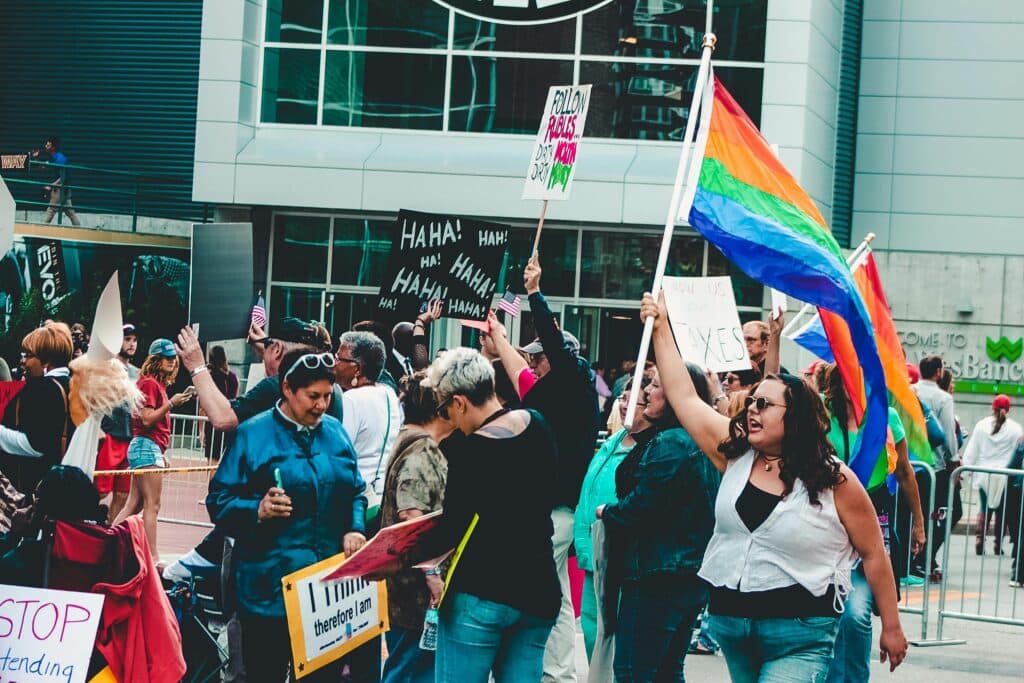
While countries like Sweden, Canada, and the Netherlands have made enormous strides in legalizing same-sex marriage and protecting LGBTQ+ rights, the situation is much more dire in other parts of the world.
As of 2026, over 67 countries still criminalize same-sex relationships, and transgender individuals face widespread legal and social challenges. Human Rights Watch has reported that countries like Nigeria and Saudi Arabia continue to enforce draconian laws against LGBTQ+ people, often punishing them with imprisonment or worse. The fight for equality is far from over, and it’s important to recognize that global progress is uneven.
In conclusion, the landscape of LGBTQ+ rights has evolved, but there’s still work to be done. Greater visibility, stronger legal protections, and an increased understanding of diversity will continue to shape the future. Whether in relationships, family life, or society at large, the LGBTQ+ community’s resilience and contributions are undeniable. As awareness grows, so does the hope for a world where everyone can live authentically and without fear.