Gardens are often seen as serene and peaceful spaces, but lurking among the roses and tulips could be silent killers. You might be shocked to discover that some of the most commonly planted garden beauties are actually among the deadliest on Earth.
These plants are beautiful but deadly, and if you’re not careful, they could spell danger for you, your loved ones, and even your pets. Here’s a quick rundown of eight toxic plants you should avoid at all costs.
Oleander (Nerium oleander)
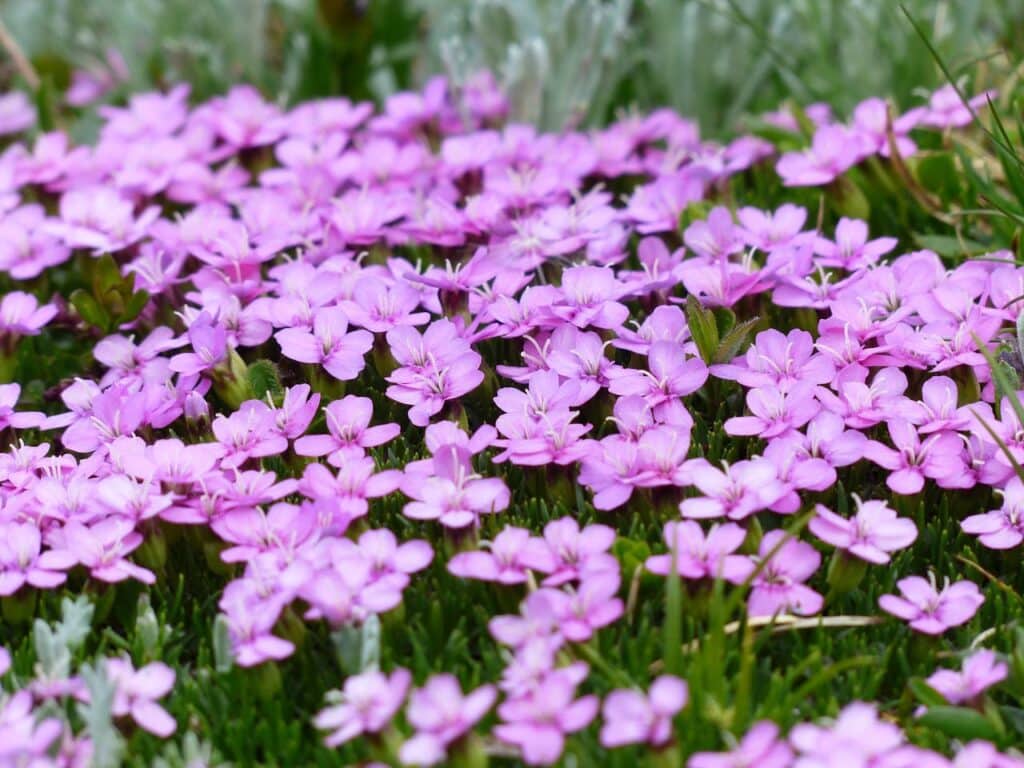
With its fragrant, bright blossoms, oleander is often chosen for ornamental purposes, but it harbors a dark secret. Every part of this plant, from the flowers to the leaves and stems, is toxic.
A small amount ingested can lead to life-threatening symptoms such as nausea, vomiting, and fatal heart arrhythmias. If you have this beauty in your garden, make sure it’s out of reach of kids and pets.
Aconite (Aconitum spp.)
Also known as monk’s hood, aconite is so striking with its purple-blue flowers that it may fool you into thinking it’s harmless.
The reality? It’s incredibly poisonous. Ingesting any part of the plant, particularly the roots, can lead to severe symptoms like nausea, vomiting, and heart failure. This one is not just a garden pest—it’s a potential killer.
Foxglove (Digitalis purpurea)
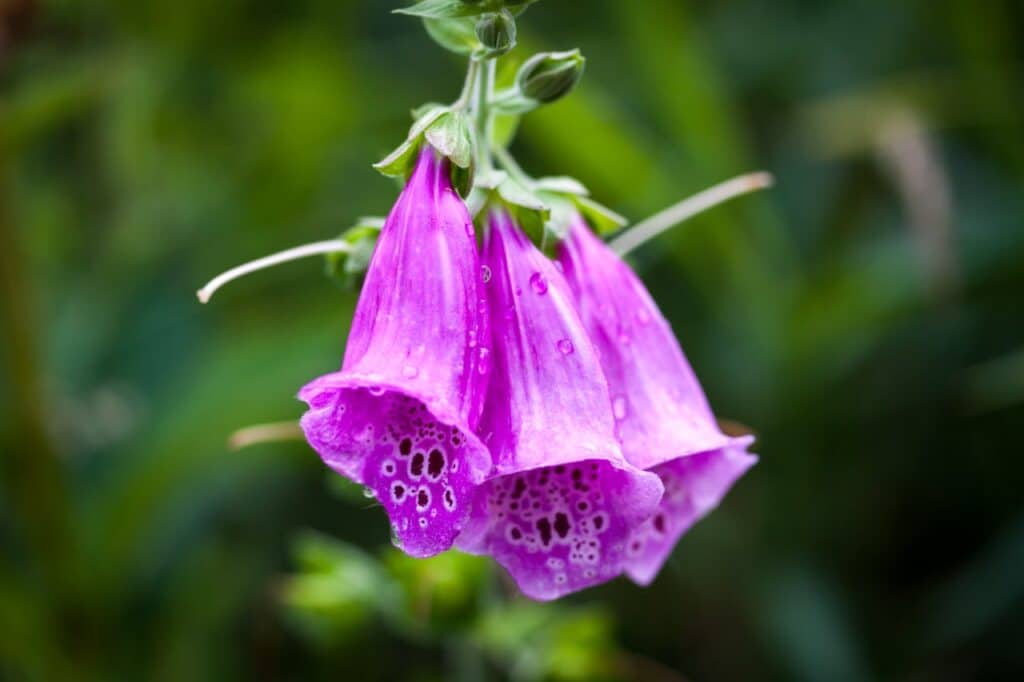
With its tall spires of bell-shaped flowers, foxglove is a beautiful addition to any garden. Unfortunately, this beauty comes with a lethal punch.
Every part of the plant contains toxins that can cause heart issues, including potentially fatal arrhythmias. While its beauty might attract attention, its toxicity should have you thinking twice before planting it.
Poison Ivy (Toxicodendron radicans)
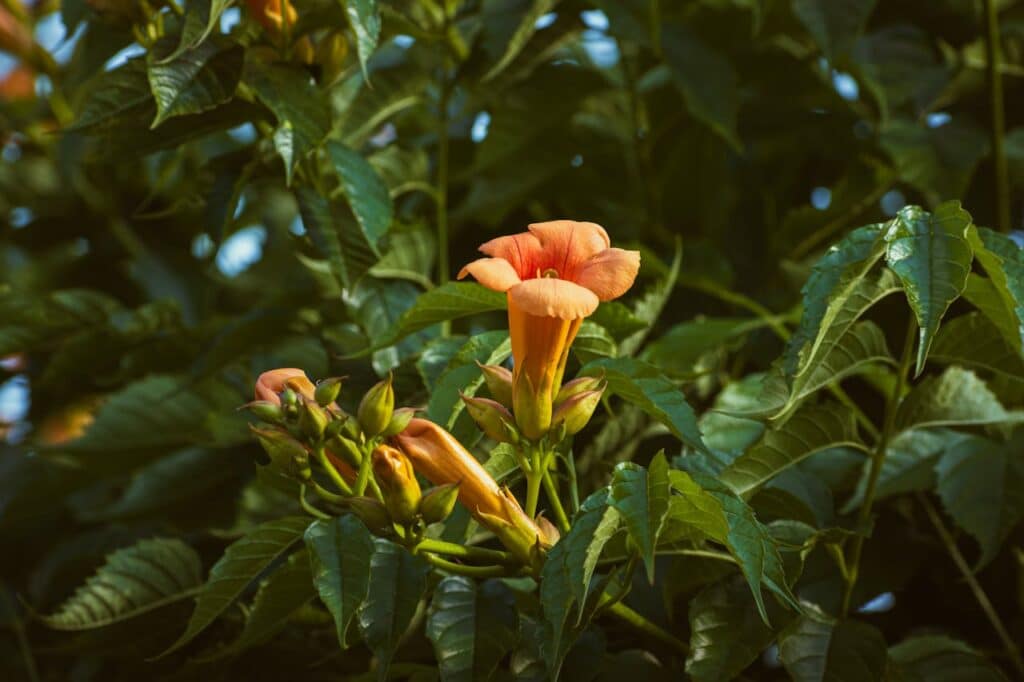
You may be familiar with the discomfort poison ivy causes, but did you know how dangerous it truly is? Contact with the plant’s leaves, stems, or roots can trigger severe skin reactions.
The toxic oil, urushiol, can cause itchy rashes that, in some cases, become so severe they require medical intervention. Steer clear if you spot this plant, and make sure others around you do the same.
Castor Bean Plant (Ricinus communis)
While its large, glossy leaves are eye-catching, the castor bean plant hides a deadly secret: ricin. This substance, present in the seeds, is one of the most toxic poisons known. Even ingesting a few seeds can lead to nausea, abdominal pain, and organ failure.
If ingested in high quantities, ricin can be fatal. It’s best to avoid planting this one, especially if you have children or curious pets.
Deadly Nightshade (Atropa belladonna)
Often associated with witchcraft, this plant’s striking berries can look almost enchanting. However, the deadly nightshade is among the most toxic plants you can find.
The berries, leaves, and roots contain tropane alkaloids that can cause severe symptoms like dilated pupils, blurred vision, hallucinations, and even death if ingested. As tempting as it might be to admire, steer clear of this one.
Angel’s Trumpet (Brugmansia spp.)
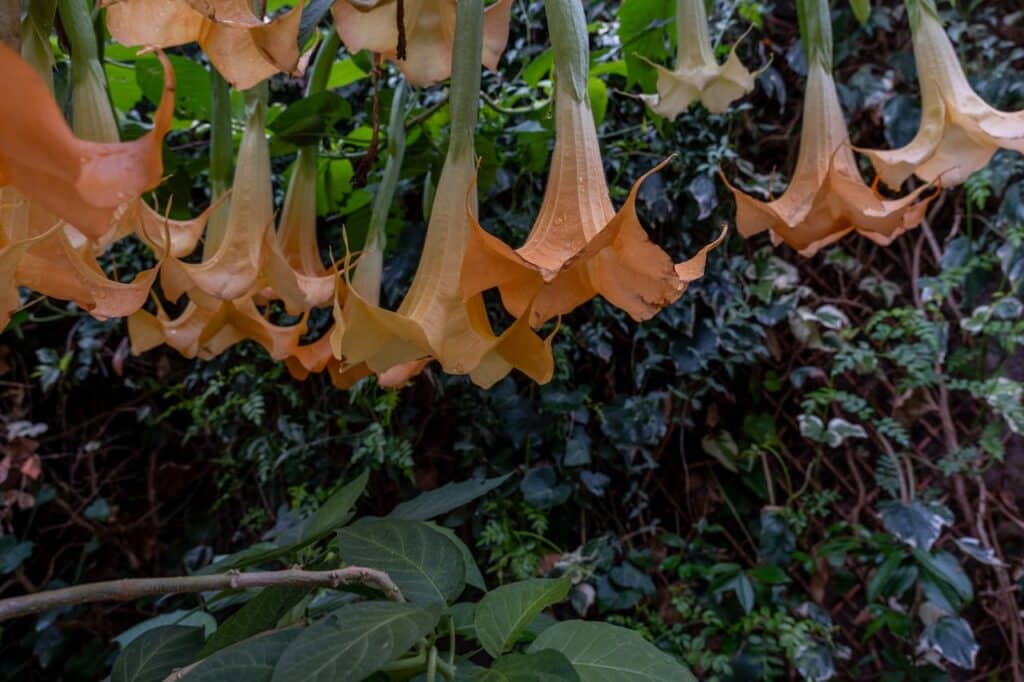
Angel’s trumpet is a stunning plant with pendulous, trumpet-shaped flowers, but don’t let its beauty deceive you—it’s a nightmare for your health.
Every part of the plant contains toxic alkaloids that can cause delirium, hallucinations, and even death. Despite its seductive fragrance, angel’s trumpet should be avoided if you value your safety.
Yew (Taxus baccata)
The yew tree is a common sight in gardens, prized for its evergreen needles and attractive red berries. However, the berries, along with the leaves and seeds, contain taxine, a potent toxin that can be fatal when consumed. Symptoms of poisoning include difficulty breathing, tremors, and heart failure.
While it’s widely used in landscaping, it’s definitely a plant that you want to keep out of reach.