Bananas are often praised as a nutritional superstar fruit, yet they are sometimes misunderstood. Many people reach for bananas believing they are a perfect snack without considering potential downsides or limits. While bananas do supply key nutrients your body needs, there are situations and health goals where they might not be the best choice in large amounts. Before you decide to add a bunch of bananas to your daily routine, it helps to explore both the benefits and the caveats. What follows are 6 expanded points highlighting important aspects of eating bananas, including surprising factors that may make them less beneficial for certain individuals.
High Sugar and Carbohydrate Content

Bananas are naturally rich in sugar and carbohydrates. While these sugars come from natural sources, such as glucose, fructose, and sucrose, they can still significantly affect blood sugar levels. For individuals who have issues managing their blood glucose, such as those with diabetes, eating a banana may cause a rapid spike in blood sugar. This sudden increase can lead to energy crashes or unwanted fluctuations in insulin levels, making bananas a less-than-ideal choice for individuals who need to closely monitor their sugar intake. Despite being a healthy fruit, it’s essential to be mindful of how a banana fits into your overall carbohydrate and sugar consumption.
Unsuitable for Low-Carbohydrate Diets
For those following low-carb or ketogenic diets, bananas are not the best option. A medium-sized banana contains around 27 grams of carbohydrates, a substantial portion of your daily carb limit on such restrictive diets. While bananas do provide some nutritional value in terms of fiber and vitamins, their carbohydrate content can hinder weight loss or fat-burning goals for people who are strictly limiting carbs. Consuming bananas in large quantities may not align with the principles of these diets and can even sabotage efforts to maintain ketosis, in which the body burns fat rather than carbohydrates for energy. Opting for lower-carb fruits such as berries can be a better choice when following these dietary plans.
Modest Fiber Content
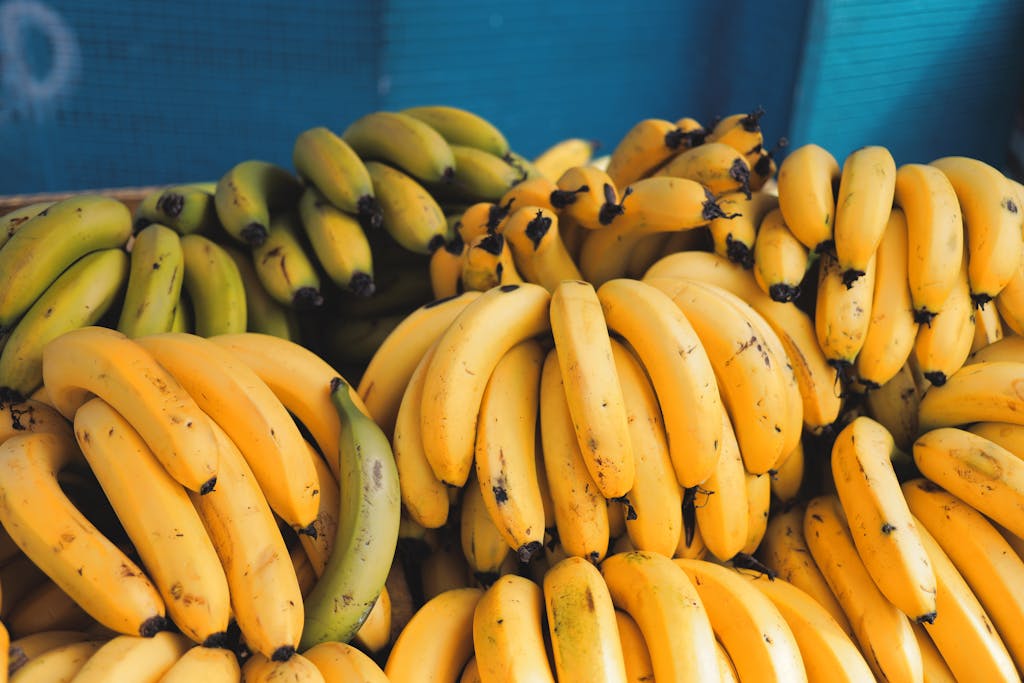
Although bananas do contain fiber, which is essential for digestive health, the amount in a single banana is relatively modest compared to other high-fiber fruits like apples, pears, or raspberries. A medium banana provides about 3 grams of fiber, which is just a small fraction of the daily recommended intake of 25–38 grams for adults. If your goal is to significantly boost fiber intake to improve digestion or manage weight, relying solely on bananas might not get you there. To effectively increase fiber intake, consider adding other fiber-rich foods like whole grains, legumes, and vegetables, which provide more fiber per serving.
Green Bananas and Digestive Discomfort
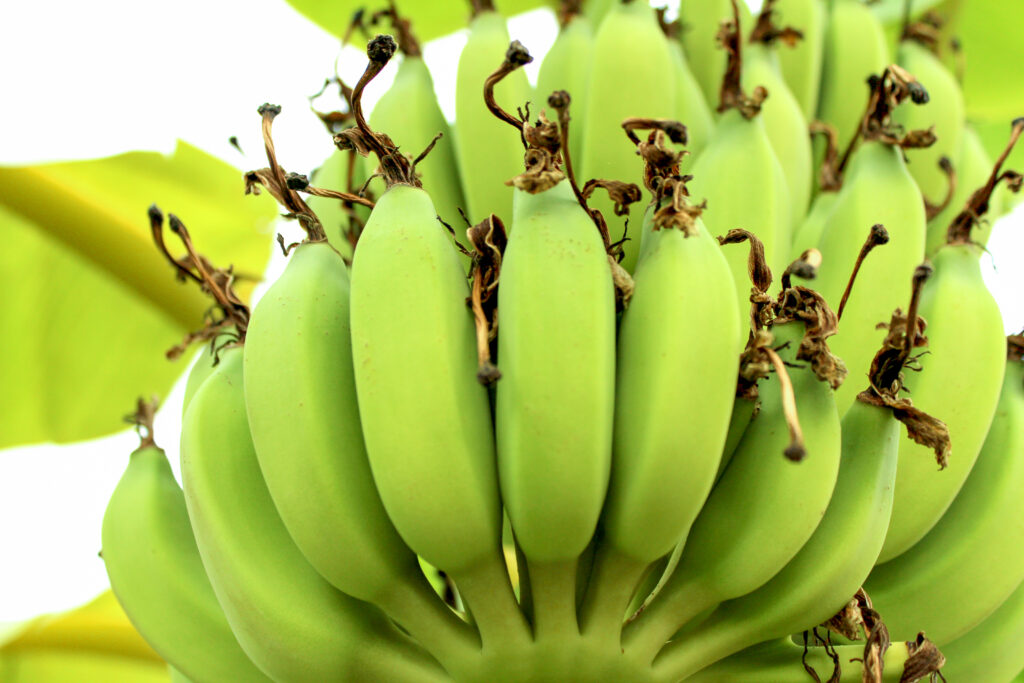
Unripe or green bananas contain a type of carbohydrate known as resistant starch. While this starch offers digestive benefits as a prebiotic and supports healthy gut bacteria, it can also cause discomfort for some people. The resistant starch in green bananas is not easily digestible, and consuming them in large quantities can lead to bloating, gas, or indigestion, particularly for individuals with sensitive digestive systems. If you’re not used to consuming resistant starch, it’s best to introduce green bananas gradually into your diet and monitor how your body reacts. On the other hand, ripe bananas have less resistant starch and are generally easier on the stomach.
High Glycemic Index
Bananas have a relatively high glycemic index (GI), which means they can cause a rapid rise in blood sugar levels after consumption. The glycemic index measures how quickly carbohydrates in foods are absorbed and converted to glucose in the bloodstream. With a GI of around 51, bananas fall into the moderate category, which means they can cause a more noticeable rise in blood sugar than other fruits, such as apples or pears, which have lower GI values. For individuals with conditions like insulin resistance or type 2 diabetes, eating foods with a high GI can make it more challenging to maintain stable blood sugar levels throughout the day. Combining bananas with a source of protein or healthy fats (such as nuts or yogurt) can help mitigate the glucose spike.
Excessive Potassium for Some People

Bananas are renowned for their potassium content, with one medium banana providing about 400–450 milligrams, roughly 10% of the recommended daily intake. For most individuals, potassium is beneficial for maintaining proper heart and muscle function and for promoting balanced fluid levels in the body. However, for individuals with certain kidney conditions, such as chronic kidney disease, potassium intake needs to be carefully monitored. If the kidneys are not functioning properly, they may not be able to filter excess potassium from the bloodstream, leading to hyperkalemia (dangerously high potassium levels). People with kidney disease should consult a healthcare provider before regularly consuming potassium-rich foods like bananas.
Conclusion
These six expanded points highlight key factors to consider when including bananas in your diet. While they can offer a host of nutritional benefits, they may not be suitable for everyone, depending on individual health needs, dietary goals, or medical conditio