Frozen food can be a quiet hero in the kitchen. It saves time, cuts waste, stretches grocery money, and rescues dinner on the kind of night when chopping onions feels like manual labor. The freezer aisle also gives us plenty of winners, from berries to peas to well-made dumplings, so the problem is not frozen food itself.
The real problem is buying the wrong frozen foods and expecting them to behave like fresh ones. Some ingredients lose their snap, creaminess, aroma, or bite the moment ice crystals get involved. Freezing keeps food safe for long periods at 0°F, but safety and quality are not the same; many freezer storage recommendations are intended mainly to protect flavor, texture, and color.
Mushrooms Turn Spongy Instead of Savory
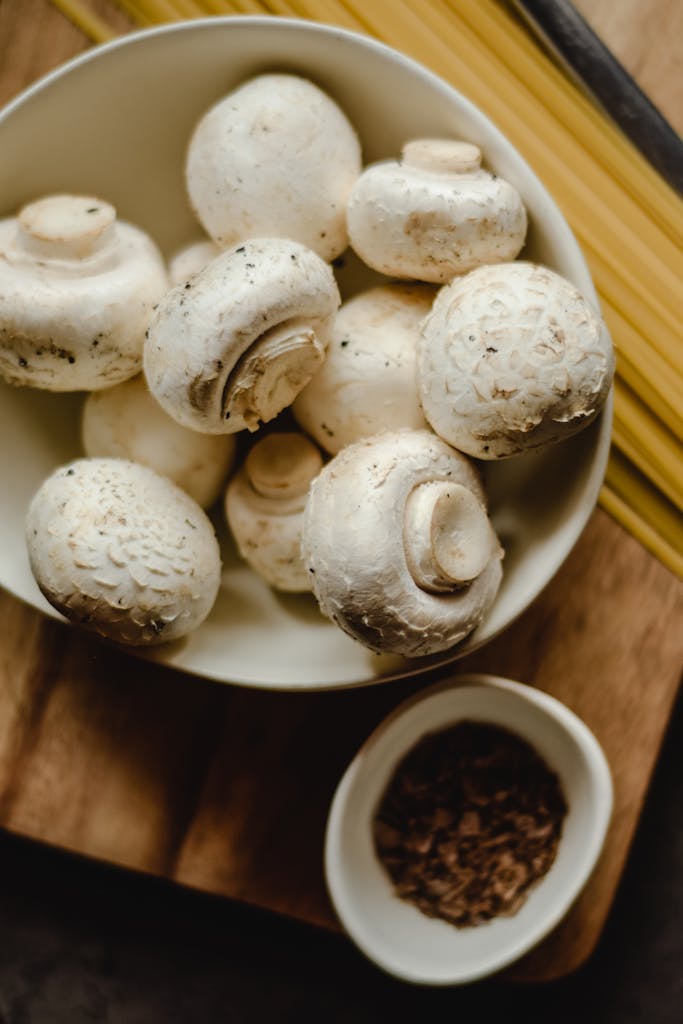
Mushrooms are one of the easiest frozen-food disappointments because their best qualities are subtle. Fresh mushrooms have a springy bite, a woodsy smell, and a deep savory flavor that blooms beautifully in butter, garlic, wine, or stock. Frozen mushrooms usually arrive with the opposite personality, giving us rubbery edges, watery centers, and a limp texture that makes even a good skillet feel betrayed.
The issue comes down to water. Many fruits and vegetables contain large amounts of moisture, and as that water freezes, ice crystals can rupture cell walls, leaving the food softer after thawing. Mushrooms can still work if they are frozen after cooking, then added to soups, sauces, casseroles, or stews. For omelets, steak toppings, pizzas, and garlic mushrooms, fresh mushrooms remain the smarter buy.
Fresh Herbs Lose the Fragrance That Makes Them Worth Buying
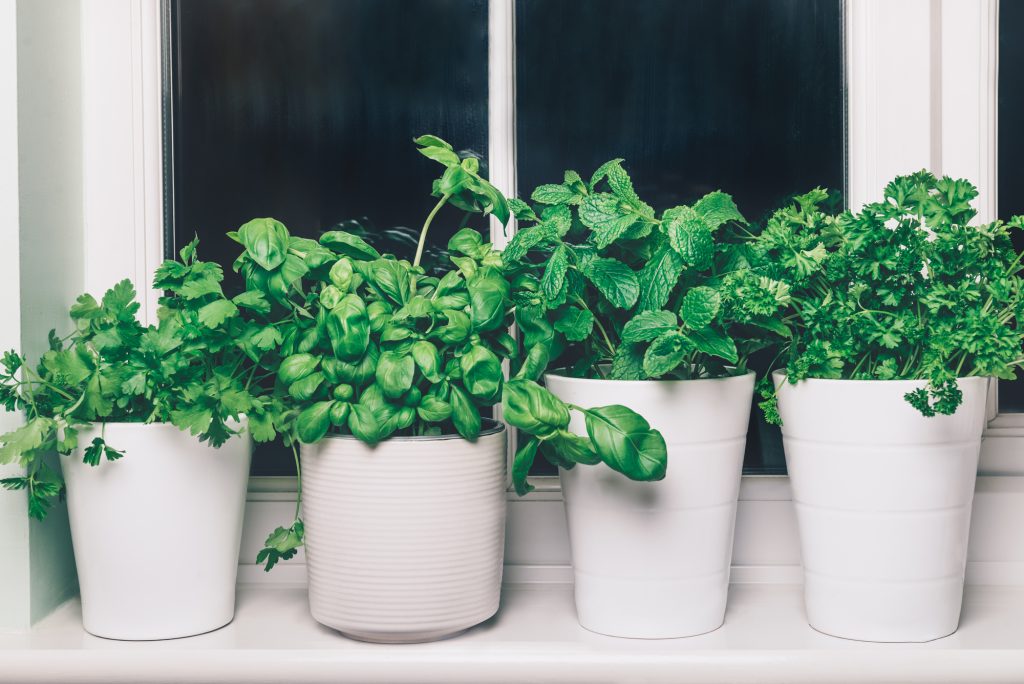
Fresh herbs are not just green decoration. Basil gives pasta a sweet peppery lift, cilantro brightens tacos and rice bowls, dill wakes up fish, and mint turns a drink or salad from flat to alive. Frozen herbs can be useful in small doses, especially when stirred into hot sauces or soups, but buying them for finishing dishes usually results in a duller plate.
Freezing bruises the delicate structure of herbs and robs them of the clean, fragrant punch that makes them valuable. They thaw limp, dark, and wet, which makes them poor choices for garnishes, salads, fresh sauces, and drinks. A better move is buying fresh herbs in smaller bunches, storing them properly, or freezing chopped herbs in oil for cooking rather than finishing. That way, we keep the flavor without pretending thawed basil will behave like a fresh leaf.
Lettuce and Salad Greens Collapse into Wet Rags
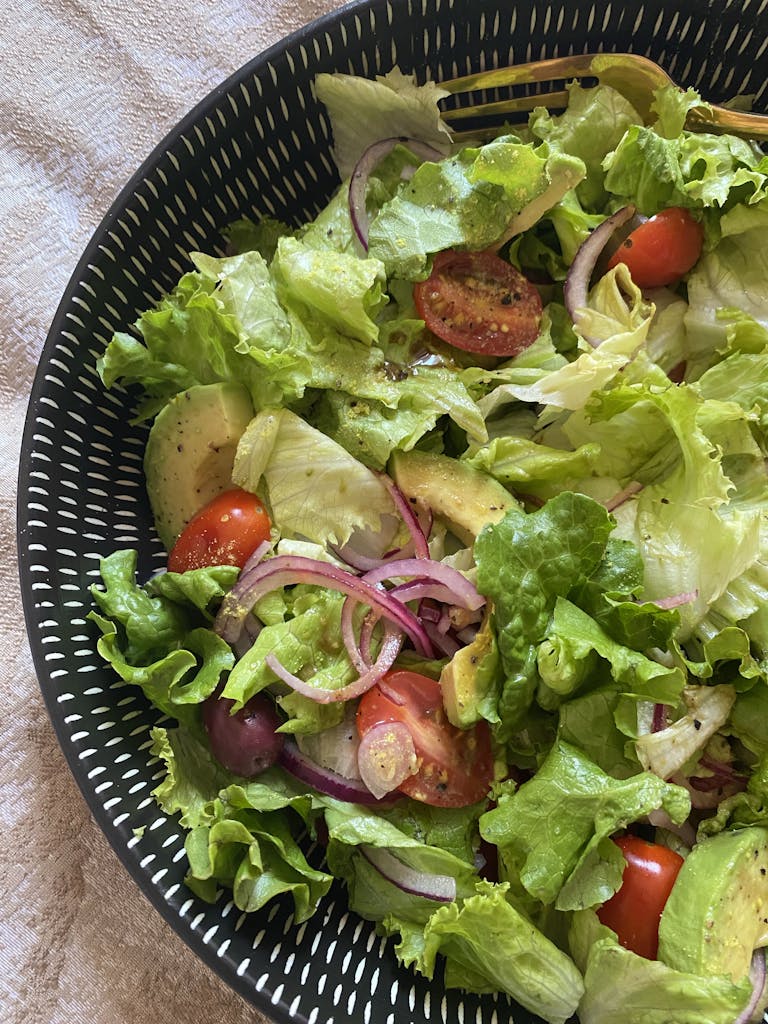
Lettuce is built for crunch, not survival in an ice cave. Romaine, butter lettuce, spring mix, and iceberg all rely on crisp water-filled cells to deliver the cool snap we expect in salads, wraps, sandwiches, and tacos. Once frozen and thawed, that structure breaks down, leaving leaves that look tired before they even reach the plate.
This does not mean all frozen greens are useless. Frozen spinach can be excellent in lasagna, dips, soups, and cooked egg dishes because those recipes already welcome softness and moisture. The mistake is buying frozen leafy greens for raw use. For salad bowls, burger toppings, lunch wraps, and anything that needs clean crunch, fresh greens win every time.
Avocados Become Watery Instead of Creamy
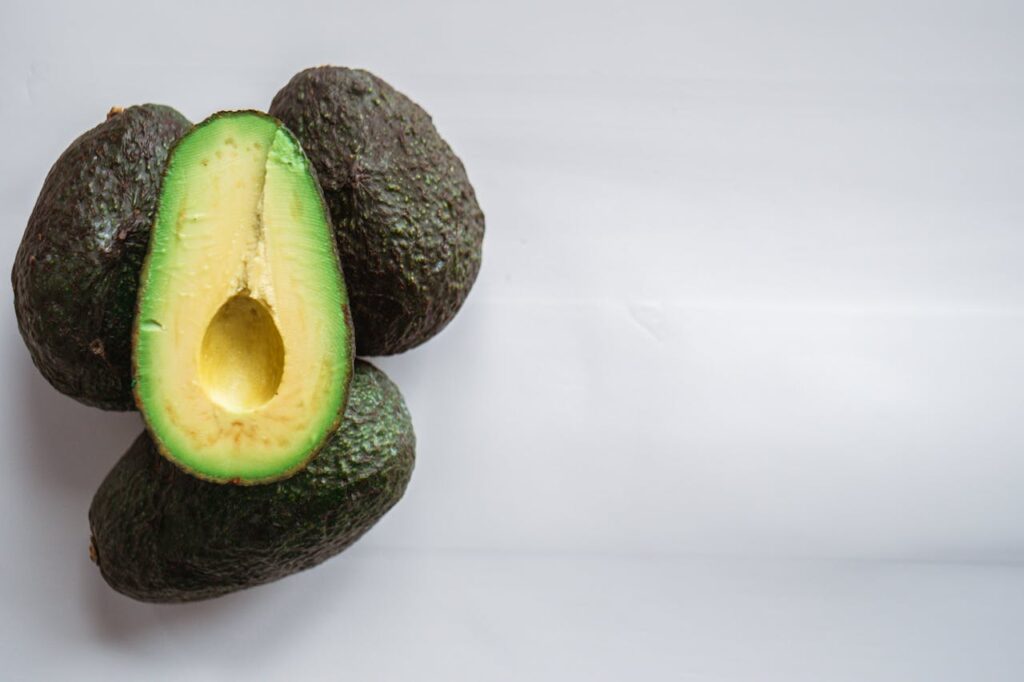
Avocado is all about texture. We buy it for that buttery softness, clean richness, and smooth spreadability that make toast, guacamole, grain bowls, and tacos feel more satisfying. Frozen avocado often looks convenient, especially when fresh avocados are expensive or rock-hard at the store, but the thawed result rarely has the same lush feel.
Frozen avocado can turn watery, loose, and slightly fibrous. It may work in smoothies, blended dressings, or sauces where texture gets hidden, but it falls apart in dishes where avocado is supposed to be the star. For slices, mash, guacamole, toast, or fresh toppings, buying ripe, fresh avocados is still the better bargain because we are paying for mouthfeel as much as flavor.
Watermelon and Melons Lose Their Clean Summer Crunch
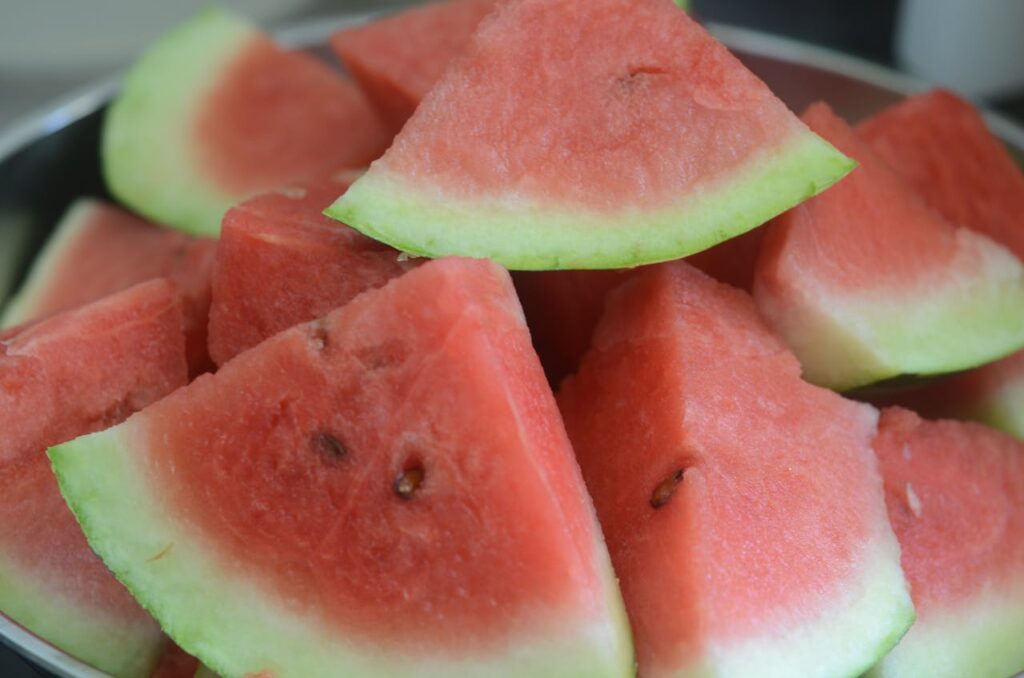
Melon sounds harmless in the freezer, especially when we imagine icy cubes dropping into smoothies or cocktails. The problem starts when we expect frozen melon to thaw back into fresh melon. Watermelon, cantaloupe, and honeydew are prized for their juicy crunch, and that quality disappears quickly after freezing.
High-moisture produce gets hit hardest because freezing expands the water inside the cells. Once thawed, melon often turns soft, leaky, and dull. It can still work as a frozen snack, a smoothie ingredient, or a base for a blended drink. It should not be bought frozen for fruit trays, salads, breakfast bowls, or any recipe where clean texture matters.
Creamy Soups Split and Turn Grainy
Creamy frozen soups seem like a practical shortcut until the bowl starts looking broken. Chowders, bisques, potato soups, and cream-heavy purees can separate after freezing and reheating. Instead of a smooth spoonful, we can end up with watery liquid, separated fat, and starchy bits that feel pasty rather than luxurious.
The better freezer buy is broth-based soup. Chicken vegetable, minestrone, lentil, beef barley, and tomato-based soups usually handle freezing better because they do not depend on a delicate dairy emulsion. Add cream, noodles, rice, or fresh herbs after reheating if the soup needs extra body. That small step gives us freezer convenience without the sad cafeteria texture.
Sour Cream, Cottage Cheese, and Cream Cheese Rarely Recover
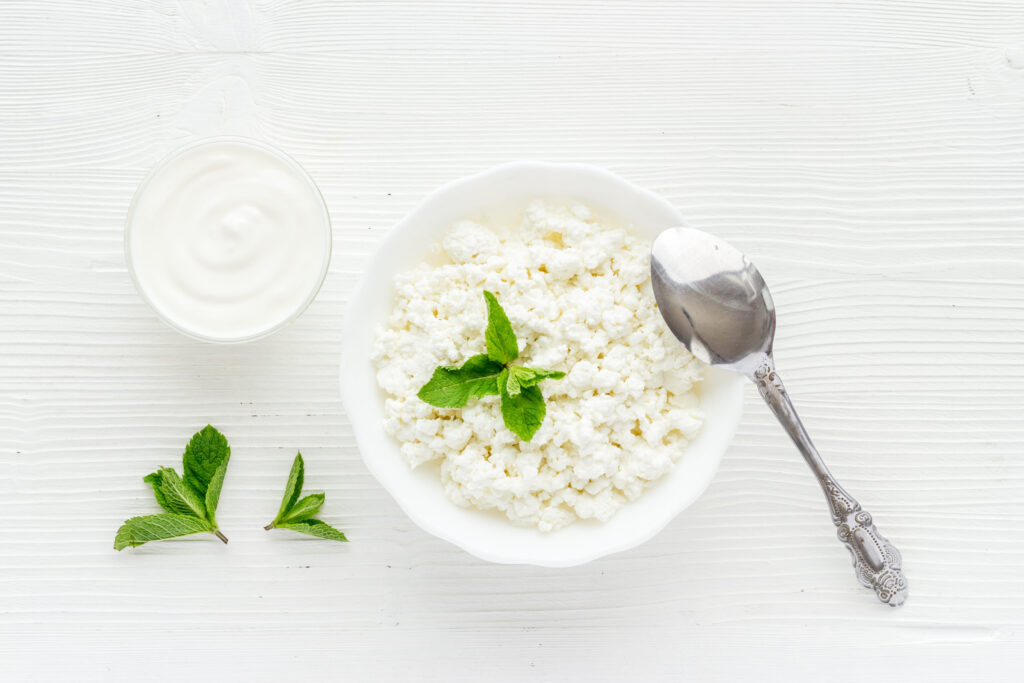
Some dairy products simply do not do well in the freezer. Sour cream, cottage cheese, yogurt, cream cheese, and similar high-moisture dairy items can separate, grain, and release water after thawing. Extension food guidance notes that cultured dairy products such as sour cream, yogurt, and buttermilk lose their smooth texture when frozen, often becoming grainy and separated.
This matters because texture is the whole point. Sour cream should be cool and silky on tacos, cream cheese should spread smoothly on a bagel, and cottage cheese should taste fresh rather than watery. If frozen dairy has already happened, it is better used in baking, batters, casseroles, or cooked sauces, where the flaws can hide. For dips, spreads, toppings, and snacks, buy smaller fresh containers instead.
Broccoli Gets Mushy When We Want It Crisp
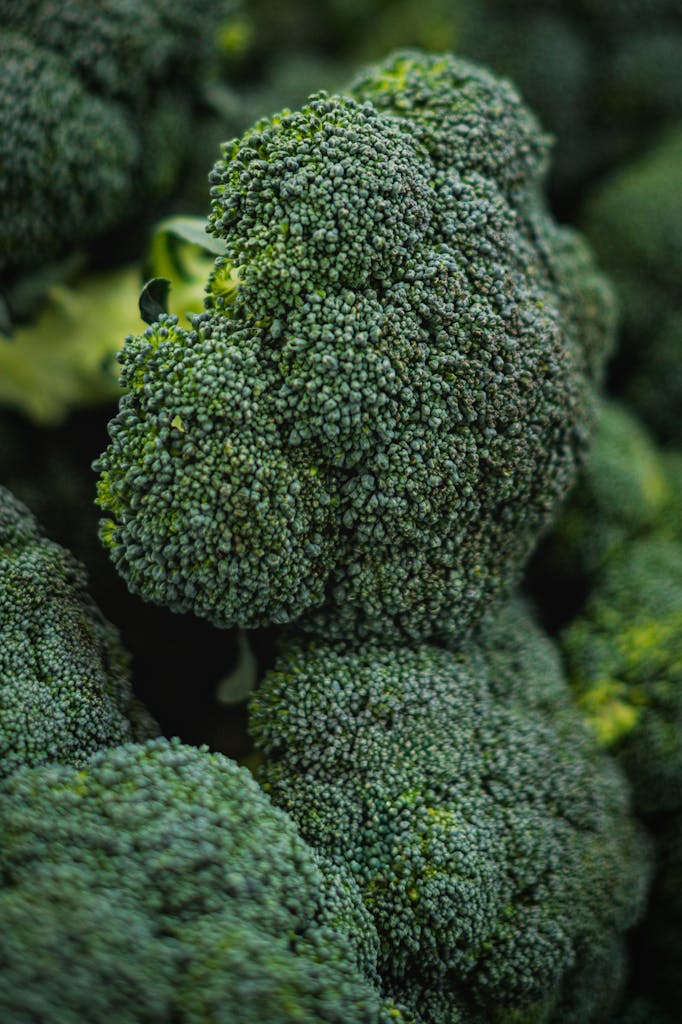
Frozen broccoli has a place, but that place is not always the dinner plate as a roasted side. Fresh broccoli can char, caramelize, and retain its snappy stem when roasted correctly. Frozen broccoli often releases too much water, softens quickly, and struggles to brown before it turns limp.
Blanching helps frozen vegetables retain color and slows enzymes that affect flavor, color, and texture, but it also partially cooks the vegetables before they reach our kitchen. That is useful for soups, casseroles, fried rice, pasta bakes, and quick stir-fries. It is less satisfying for crispy roasted broccoli, raw crudités, shaved broccoli salads, or any dish where bite matters. Fresh broccoli gives us more control.
Brussels Sprouts Lose the Roasted Edge People Actually Like
Brussels sprouts have spent years repairing their reputation. The modern version is roasted hard, deeply browned, tossed with balsamic, bacon, chili crisp, parmesan, lemon, or maple, and served with crispy edges that are almost snackable. Frozen Brussels sprouts drag us back toward the watery, cabbagey version people complained about for decades.
The texture issue is the problem. Frozen sprouts tend to steam from the inside, releasing water before they get crisp. They can work in soups, braises, or simple steamed sides, but they rarely deliver that restaurant-style char people want. If the plan is roasting, air frying, or shredding them for a salad, fresh Brussels sprouts are the better choice.
Bread and Pastries Taste Like They Lost Their Soul
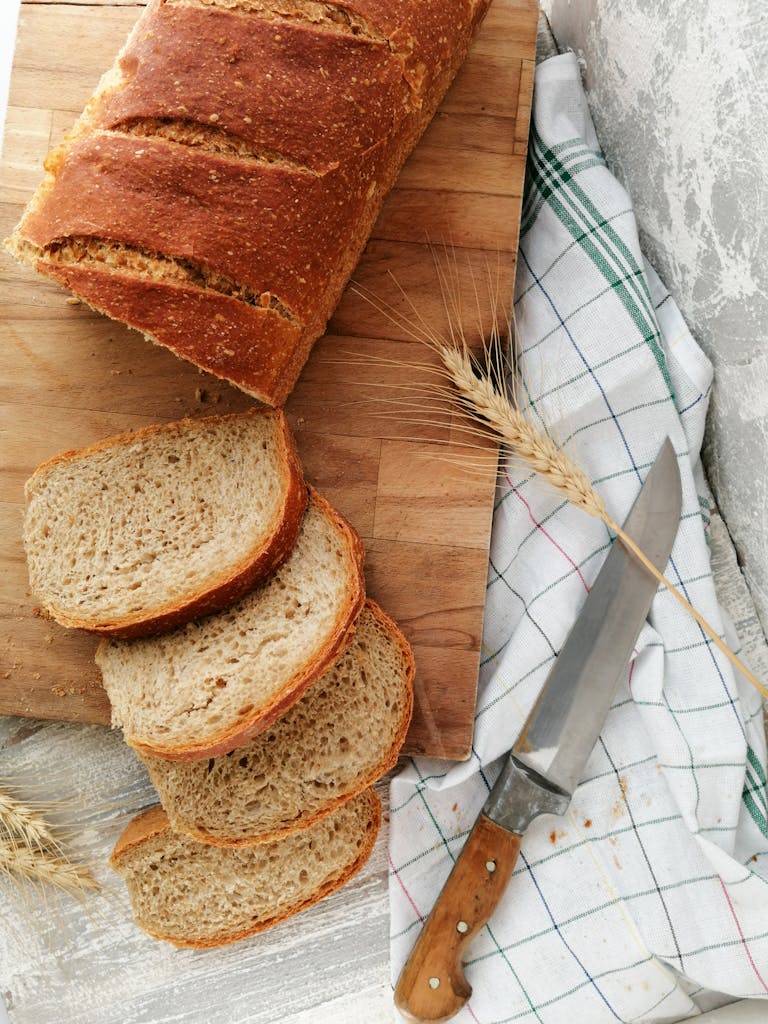
Frozen bread is not automatically bad. Many people freeze good bread at home and revive it nicely with careful reheating. The risky buy is low-quality frozen bread and fully baked frozen pastries that promise bakery magic but often deliver dry crumb, leathery crust, or a stale freezer smell.
Bread and pastries depend on aroma, crust, tenderness, and timing. A fresh croissant flakes because its layers are delicate; a good loaf tastes alive because the crust and crumb are still in balance. Freezing fully baked pastries can flatten that experience. Frozen dough or par-baked bread is often a better choice because the final bake happens closer to serving, giving us a warmer texture and a fresher smell.
Fried Foods Lose the Crunch We Paid For
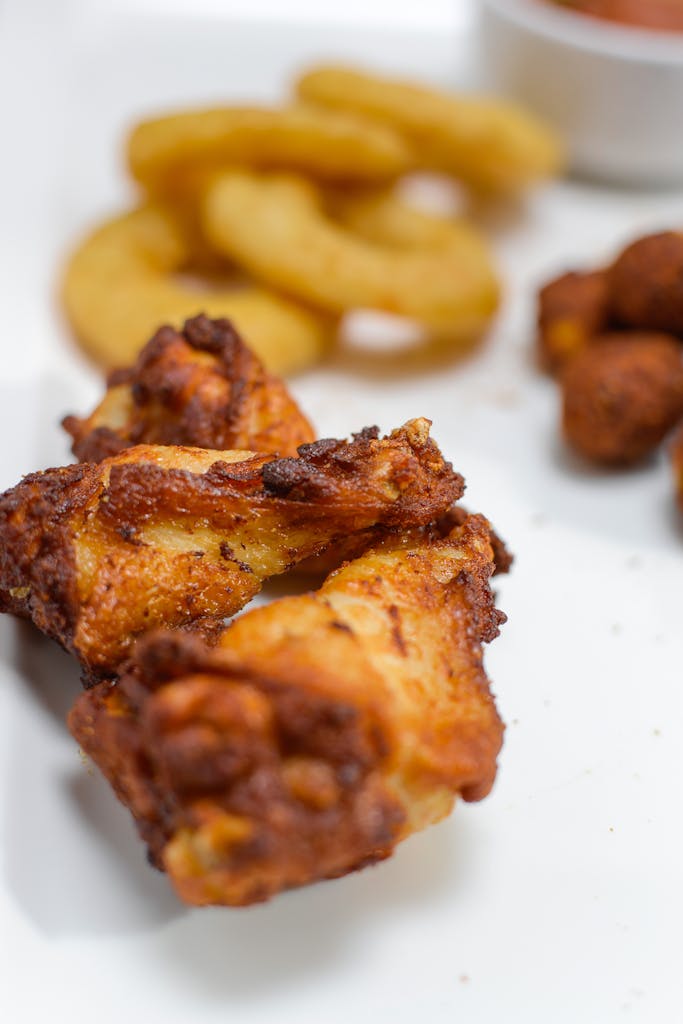
Frozen fried foods can be convenient, but they often ask us to accept a pale imitation of crunch. Onion rings, fried chicken, mozzarella sticks, fries, fish sticks, and breaded shrimp all depend on a crisp outer layer. Once frozen, moisture migrates into the coating, and reheating has to fight a battle the food has already started losing.
An air fryer or hot oven can save some frozen fried foods, but not all of them. Thick breading, cheap oil, and soggy packaging make the problem worse. If we do buy frozen fried foods, we should look for products designed for oven crisping and avoid anything with visible ice buildup. For the best texture, freshly fried or freshly air-fried versions beat freezer-aisle shortcuts.
Cooked Rice Can Become Dry, Tough, or Risky When Mishandled
Frozen cooked rice sounds like the perfect shortcut because rice is basic, cheap, and easy to portion. The problem is that cooked rice is more sensitive than it looks. It can dry out when reheated, clump into hard grains, or turn oddly stale even under sauce.
There is also a food-safety angle. Rice can contain Bacillus cereus spores, and research notes that these spores can survive normal cooking temperatures. Food-safety guidance also warns that the danger with reheated rice often comes from how cooked rice was stored before reheating, not the reheating itself. Frozen rice from reputable brands can be safe when handled correctly, but as a grocery value decision, fresh rice usually wins because it takes little time, costs less, and tastes better.
Pasta Dishes Turn Soft Before the Sauce Catches Up
Frozen pasta meals are everywhere because they sell comfort in a tray. Lasagna, baked ziti, macaroni and cheese, stuffed shells, ravioli, and creamy pasta bowls all look like easy wins. Some are perfectly decent, but many frozen pasta dishes suffer because noodles keep absorbing moisture as they sit, freeze, thaw, and reheat.
The result can be pasta that tastes swollen, dull, or mushy before the sauce tastes fully alive. Cream sauces may split, cheese sauces can turn grainy, and tomato sauces can become watery if the pasta releases too much moisture. Frozen lasagna and baked pasta can work when the formula is strong, but plain cooked pasta or delicate pasta dishes are usually better fresh. We should buy frozen pasta only when convenience matters more than texture.
Raw Lobster and Delicate Shellfish Are Too Expensive to Risk
Seafood is one of the freezer aisle’s trickiest categories. Some frozen seafood is excellent, especially when frozen quickly near the source. The problem is buying delicate shellfish or raw lobster without understanding how badly texture can suffer when freezing, thawing, and poor handling collide.
Lobster, scallops, oysters, clams, and mussels can turn watery, rubbery, or bland if they were frozen slowly, thawed poorly, or packed with too much glaze. Raw oysters are especially not the place to gamble on freezer quality because we buy them for clean brine and delicate texture. If frozen shellfish is the only realistic option, it is better used in chowders, seafood stews, pasta sauces, or cooked fillings. For raw bars, simple grilled lobster, seared scallops, or shellfish-forward dishes, fresh or expertly handled seafood is worth the extra care.
Cucumbers and Tomatoes Become Sauce Ingredients, Not Salad Ingredients
Cucumbers and fresh tomatoes are often ruined by freezing because they are built on water and crunch. Once thawed, cucumbers lose their snap and become limp. Tomatoes can collapse into a watery pulp, which is fine for sauces but awful for sandwiches and salads.
The smart distinction is final use. Frozen tomatoes can be useful for soups, stews, marinara, chili, and braises because they are already softening. Frozen cucumbers rarely have that same redemption path unless they are blended into a drink or cold soup. For Greek salads, burgers, tacos, fresh salsa, and picnic platters, fresh produce is the only sensible choice.
Eggs in the Shell Are a Freezer Mistake
Eggs seem sturdy until the freezer comes into play. A raw egg in its shell can expand as it freezes, crack, and create a mess that is both unpleasant and unsafe. The FDA storage chart specifically lists fresh eggs in the shell and hard-cooked eggs as foods that should not be frozen in that form.
That does not mean eggs can never be frozen. Raw whites and yolks can be prepared correctly for freezing, especially for baking or bulk cooking. The mistake is buying or storing frozen eggs in forms that were never meant for the freezer. For breakfast plates, boiled eggs, deviled eggs, egg salad, and custards, fresh eggs remain the better choice.
Mayonnaise-Based Salads Separate into Sad Lunchbox Slop
Potato salad, tuna salad, chicken salad, egg salad, and macaroni salad are not ideal candidates for freezing. The mayonnaise can separate, vegetables can leak water, and cooked starches can soften, leaving the whole dish loose and tired. These foods depend on creamy texture, clean seasoning, and fresh contrast, all of which suffer after freezing.
This is especially disappointing because mayo-based salads often look normal while frozen. The damage becomes apparent later, after thawing, when the dressing turns watery, and the ingredients lose their shape. If we need make-ahead convenience, the better approach is to prep ingredients separately, refrigerate safely, and mix the dressing closer to serving. Frozen deli salad is almost never the bargain it pretends to be.
The Smart Rule for the Freezer Aisle
Frozen food works best when the recipe forgives texture changes. Peas, corn, berries, mango chunks, dumplings, some fish fillets, pizza dough, stock, broth-based soups, and certain vegetables can be excellent freezer buys. The weaker choices are foods we love for crispness, silkiness, fragrance, flakiness, or fresh snap.
We should shop the freezer aisle with one simple question: will this food still taste good if it becomes softer, wetter, or less aromatic? If the answer is yes, frozen may be a smart move. If the answer is no, we are probably better off buying fresh, buying smaller portions, or choosing a shelf-stable version that does not pretend to be something it cannot become.
Conclusion
The freezer is not the villain. It is a tool, and like any tool, it rewards smart use and punishes blind trust. The best frozen foods are the ones that survive reheating with their dignity intact, especially ingredients headed for soups, sauces, smoothies, casseroles, bakes, and quick weeknight meals.
The foods we should avoid buying frozen are usually the ones that depend on freshness for their entire appeal. Mushrooms, herbs, salad greens, avocados, creamy dairy, delicate seafood, fried foods, cooked rice, and crisp vegetables all remind us that convenience can carry a hidden cost. When texture is the selling point, fresh is not a luxury. It is the whole reason the food tastes good.