Sleep, a natural and often blissful experience, is a cornerstone of our daily lives. Yet, for millions of people, sleep isn’t just about rest. It can be a turbulent, uncontrollable part of the day, marked by unusual disorders that disrupt both the body and the mind.
While sleep should ideally leave us refreshed, for some, it’s an ongoing struggle with bizarre conditions that defy explanation. From acting out dreams to involuntary sleep-related sexual behaviors, these strange disorders are a testament to the complexity of the human brain.
In this article, we explore 10 of the most bizarre sleep disorders, shedding light on what they are, how they manifest, and how they affect those who experience them.
REM Sleep Behavior Disorder
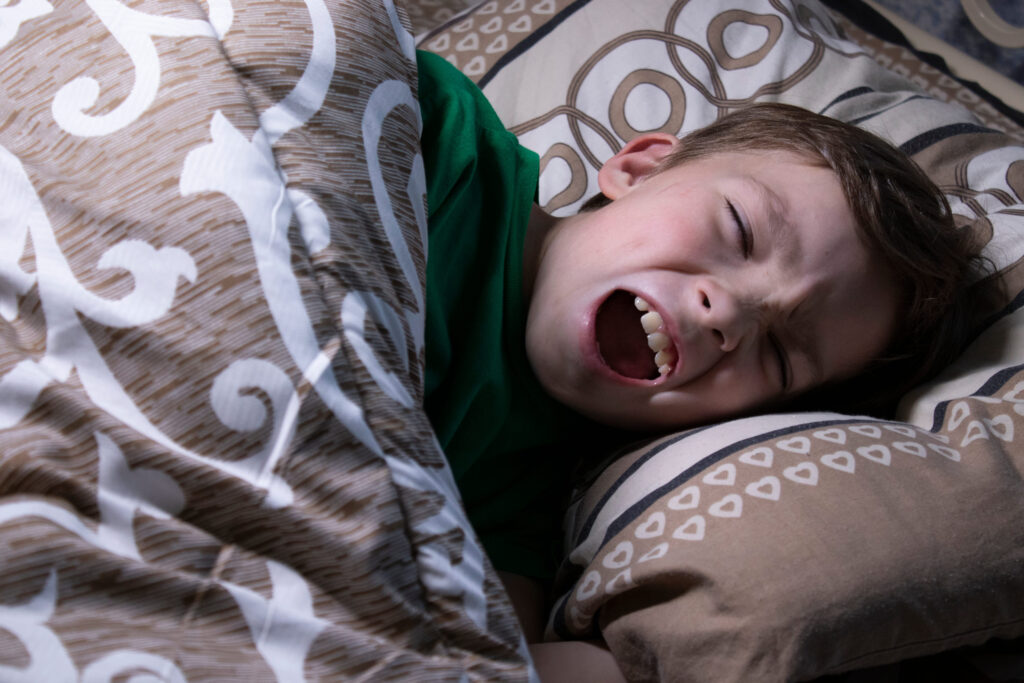
Imagine falling into a deep sleep, only to find yourself leaping, kicking, or even yelling while dreaming. This happens when someone experiences REM Sleep Behavior Disorder (RBD), a condition in which the body loses the usual paralysis that occurs during REM (Rapid Eye Movement) sleep.
As a result, individuals physically act out their dreams, sometimes in violent or aggressive ways, which can cause harm to themselves or their bed partner. It’s unsettling to think that a dream could lead to a broken bone or a bruised partner, but this is the reality for those with RBD.
The disorder is treatable with medications like clonazepam, which helps restore normal sleep paralysis during REM. While the mechanism of this treatment’s effectiveness remains unclear, it has helped many sleep more safely. However, the disorder itself remains one of the strangest sleep disturbances known to science.
Sleep Terrors
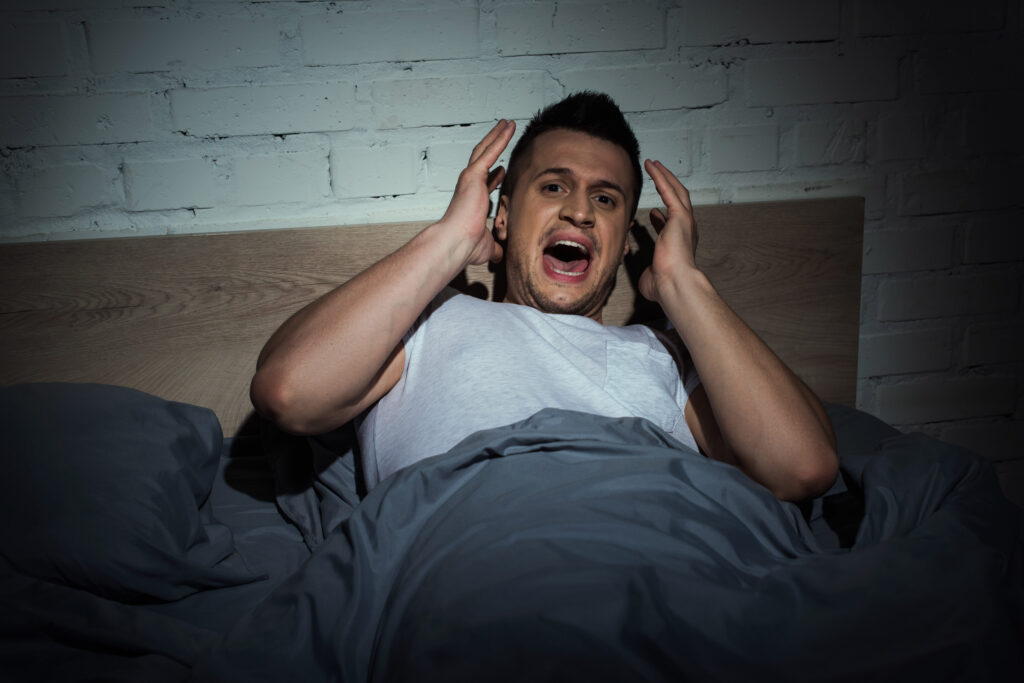
Sleep terrors are often mistaken for nightmares, but they are far more intense and bewildering. A person experiencing sleep terrors may suddenly sit up, scream in terror, or appear to be awake, but they’re actually trapped in a partial state of deep sleep. Their hearts race, and they may even appear disoriented, but they are not fully conscious.
In fact, the individual often doesn’t remember the terror after the event. These episodes are most common in children but can occur in adults as well.
What makes sleep terrors bizarre is the disconnect between the body’s panic response and the brain’s inability to fully wake up. They can last up to 20 minutes and can involve dangerous actions, including running around the room or injuring someone in an attempt to fight off an imagined threat. While typically harmless, they are a frightening phenomenon that deeply affects sleep quality.
Sleep Bruxism
Sleep bruxism (teeth grinding) is surprisingly common, yet often unnoticed. For millions of people, the night is filled with the grinding sound of teeth or the painful clenching of the jaw, which can result in significant dental wear, headaches, and jaw pain.
The problem often goes unnoticed until damage to the teeth becomes severe, and many sufferers are unaware that they even grind their teeth while asleep.
Interestingly, bruxism is not always the result of stress. It can be triggered by factors like sleep apnea, anxiety, or certain medications. While there is no permanent cure, treatments such as mouthguards or Botox injections can provide relief. For some, though, the struggle to prevent jaw clenching continues to be a nighttime battle.
Restless Legs Syndrome
The sensation of restless legs syndrome (RLS) is difficult to describe, but the urge to move one’s legs to relieve uncomfortable sensations is unmistakable.
For sufferers, sleep becomes elusive because of crawling, tingling, or twitching sensations that worsen when lying down. Although RLS can affect other parts of the body, it is most commonly experienced in the legs.
The need to move provides temporary relief, but the problem returns each night. It’s one of the most common sleep-related disorders, affecting approximately 7 to 10% of the U.S. population.
While treatment is available, the condition can severely impact sleep quality, leaving individuals frustrated and exhausted. Some treatments include medications like anticonvulsants or opioids, but this approach is controversial and only effective for some.
Non-24-Hour Sleep-Wake Disorder
Non-24-Hour Sleep-Wake Disorder (Non-24) is an incredibly rare condition that causes a person’s internal clock to fall out of sync with the 24-hour day.
The result is an ever-shifting sleep pattern that may vary in length, with the individual’s sleep-wake cycle changing from day to day. This disorder most commonly affects blind individuals, as they lack the light cues that typically help reset the body’s internal clock.
The disorder can cause the individual to sleep during the day and stay awake at night, leading to a range of disruptions in daily life. This disorienting pattern may eventually return to normal for a few days before repeating. Treatments include melatonin or medications like tasimelteon, but the disorder is notoriously difficult to manage.
Sleep Apnea
Sleep apnea is a potentially life-threatening condition that causes a person to stop breathing intermittently during sleep. The most common form, obstructive sleep apnea, occurs when the muscles in the throat relax, blocking the airway and causing pauses in breathing.
These pauses, lasting anywhere from a few seconds to a minute, disrupt sleep, leaving the person unaware of the problem until they experience extreme daytime fatigue.
For those with sleep apnea, treatments such as CPAP machines (which deliver continuous air pressure to keep the airway open) are the most common interventions.
The condition is common but often undiagnosed, and those with sleep apnea may not even realize they’re experiencing breathing interruptions during the night. Left untreated, it can contribute to serious health issues, including heart disease and stroke.
Kleine-Levin Syndrome
Imagine sleeping for up to 20 hours a day for weeks at a time. This is the reality for people with Kleine-Levin Syndrome (KLS). Known as“Sleeping Beauty Syndrome,” this rare disorder causes episodes of excessive sleep, along with behavioral changes, compulsive eating, and sometimes, hypersexuality. It primarily affects young men, often beginning in adolescence.
During episodes, sufferers are essentially in a state of hibernation, emerging only to eat, drink, or engage in bizarre behaviors before returning to sleep. The cause of KLS is unknown, but it may be related to an autoimmune disorder or hereditary factors. As of now, there is no definitive cure, though stimulants like amphetamines are often used to help combat excessive sleepiness.
Sleep Talking
Somniloquy, or sleep talking, is one of the most common sleep disorders that can be downright amusing or mildly unnerving. It involves speaking aloud while asleep, and it can range from simple mumbling to full conversations.
What’s fascinating about sleep talking is that the individual is often unaware of their words, and listeners may hear disjointed or nonsensical phrases, making it one of the most curious sleep-related behaviors.
Although sleep talking is generally harmless, it can be embarrassing for both the talker and anyone within earshot. It typically occurs during transitions between sleep stages or during REM sleep when the brain processes dreams. While there is no treatment, some people find that reducing stress or using mouthguards to stabilize the jaw can reduce the frequency of occurrences.
Narcolepsy
Narcolepsy is perhaps the most well-known of the bizarre sleep disorders. It’s a neurological condition that causes sudden and uncontrollable sleep attacks throughout the day.
People with narcolepsy often fall directly into REM sleep, skipping the deeper stages of sleep that provide the most restorative rest. This causes extreme daytime sleepiness, cognitive difficulties, and potential lapses in attention.
What makes narcolepsy bizarre is the unpredictability and suddenness of these sleep episodes, often triggered by strong emotions. In severe cases, individuals experience cataplexy, where they collapse suddenly, temporarily losing muscle control due to intense emotions. Treatments for narcolepsy include stimulants to stay awake and antidepressants to control cataplexy and other symptoms.
Sexsomnia
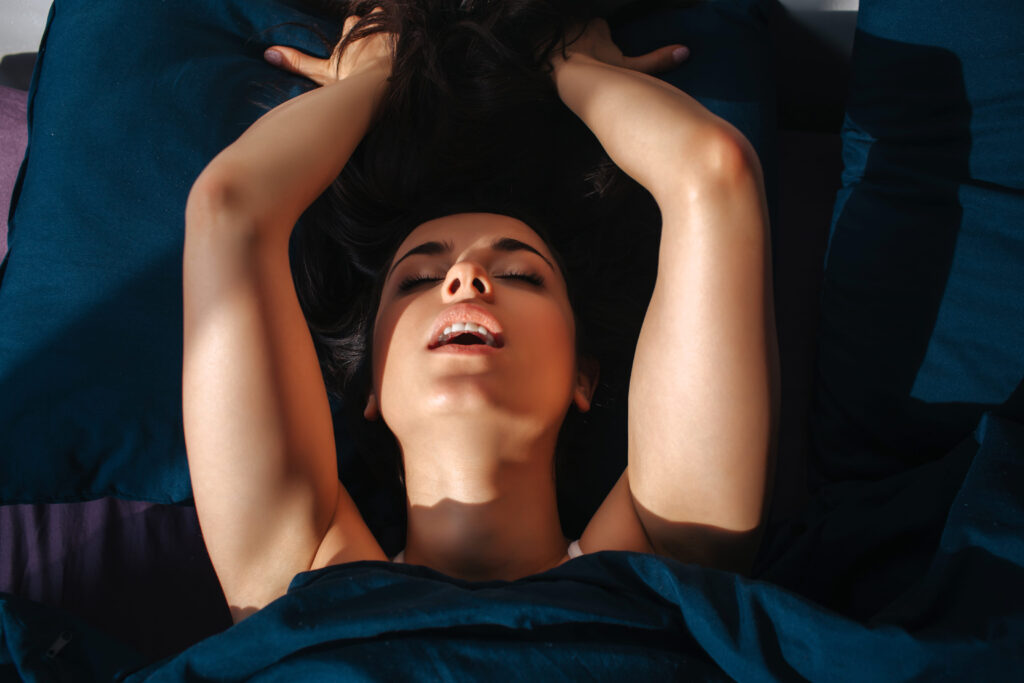
Sexsomnia, or sleep sex, is perhaps the most shocking disorder on this list. It causes individuals to engage in sexual activity while completely unconscious and unaware.
This disorder is a type of parasomnia and is closely related to sleepwalking. Episodes may include touching, masturbation, or even intercourse, all occurring while the person is asleep and has no memory of their actions afterward.
Though rare, sexsomnia is highly disruptive and has been known to cause embarrassment, relationship issues, and legal consequences. The disorder is typically treated like other parasomnias, with behavioral therapy, medication, and creating a safe sleep environment being key strategies.
Interestingly, some people are able to control sexsomnia by avoiding certain triggers, though the condition remains largely mysterious in terms of its causes and treatment.