Dining out should feel like a small escape from everyday stress, not a live demonstration of poor manners under soft lighting. Yet one careless habit can turn a good meal into an uncomfortable scene for servers, friends, dates, and even strangers sitting nearby.
The worst part is that many restaurant etiquette mistakes do not look dramatic at first. They hide in small choices, like arriving late, talking too loudly, ignoring the server, or acting carelessly when someone else is paying.
We all slip up sometimes, especially when restaurants are crowded, prices feel high, and everyone is juggling phones, reservations, traffic, and social pressure. Still, good restaurant manners are not about being fancy or old-fashioned.
They are about making the meal easier, kinder, and more enjoyable for everyone at the table. These are the rude restaurant mistakes that can quietly ruin the experience.
Being Rude To The Staff
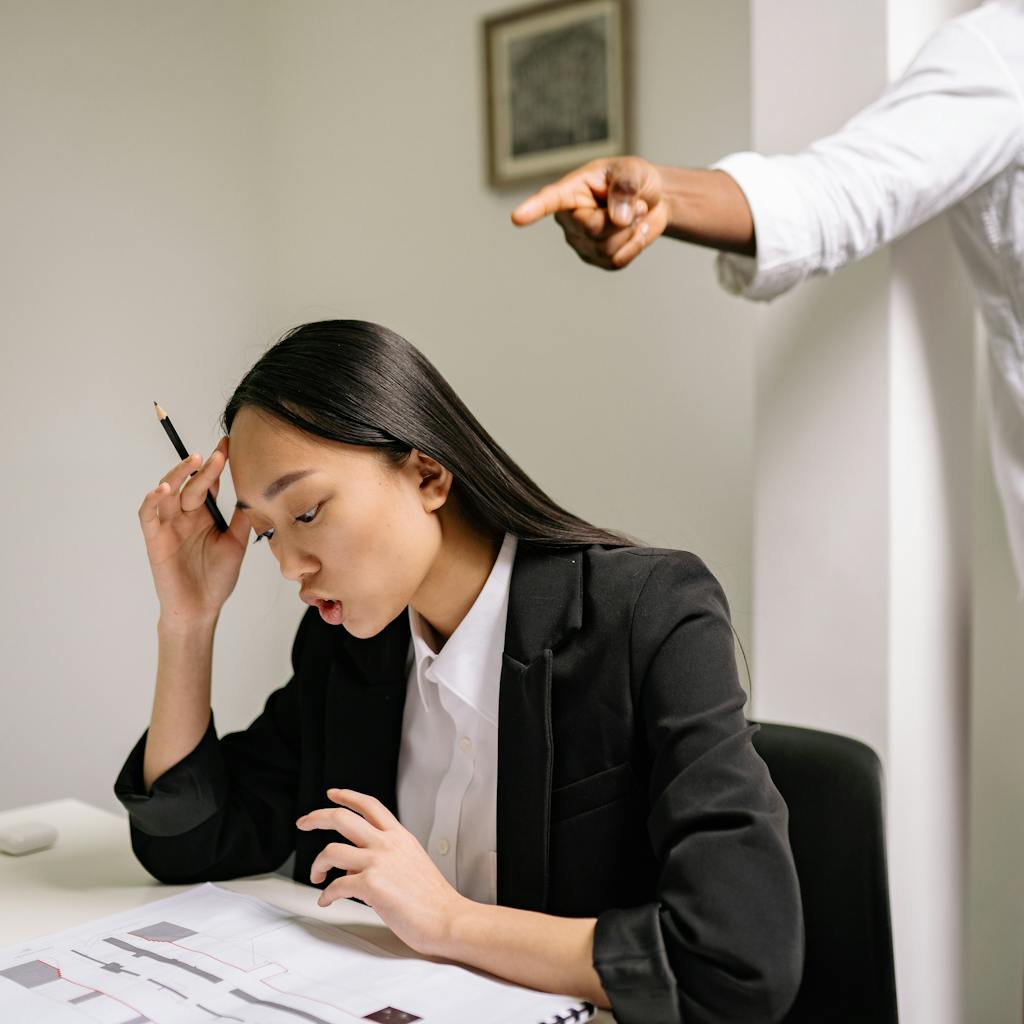
Few things make a table more uncomfortable than watching someone speak sharply to a server. A restaurant worker may be the face you see, but they are not personally responsible for every kitchen delay, missing ingredient, seating issue, or policy you dislike.
Snapping, waving, mocking, or acting superior rarely solves the problem faster. It usually makes the whole table look worse. The better move is simple. Speak clearly, explain the issue, and give the staff a chance to fix it.
If the food is cold, the order is wrong, or the wait is longer than expected, a calm tone works far better than public embarrassment. Kindness is still the best table accessory, and it costs nothing.
Arriving Late Without Warning
Running late happens. Traffic gets ugly, parking disappears, and rideshares sometimes take longer than promised. The rude part is not the delay itself.
The rude part is leaving your group sitting there awkwardly, checking the door every few minutes, and trying to convince the host that the missing person is still on the way. If you know you are behind schedule, send a quick message before anyone has to ask.
A simple update helps your group decide whether to wait, order drinks, or adjust the reservation. Restaurants often run on tight seating windows, so a late arrival can throw off more than your own dinner. Respecting time shows respect for everyone involved.
Treating The Table Like A Phone Booth
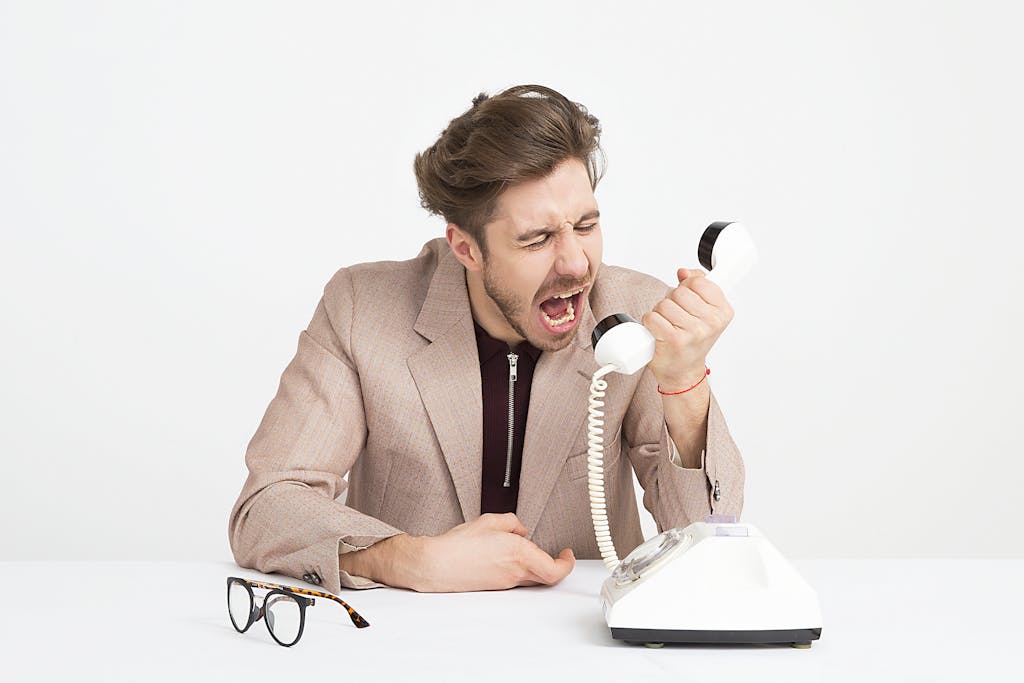
A restaurant is not the place to take a loud personal call in the middle of the meal. Nobody nearby needs to hear about your work drama, family argument, medical appointment, or weekend plans.
Even if the call feels harmless to you, it can pull attention away from the people who actually came to spend time with you. If the call is urgent, step away from the table. If it is not urgent, let it wait.
Checking one message is different from disappearing into your screen for the entire meal. The people across from you should not feel like backup entertainment while your phone gets the main seat.
Chewing With Your Mouth Open
This one sounds basic because it is basic. Chewing with your mouth open is one of those habits that can instantly make people lose their appetite.
It does not matter how good the burger is, how crispy the fries are, or how lively the conversation gets. Nobody wants a front-row view of your food in progress. Good table manners do not require perfect posture or a formal dining lesson.
They often come down to small acts of awareness. Take smaller bites, slow down, and finish chewing before jumping into the next sentence. Your friends will still hear your story, and they will enjoy it more without the extra visuals.
Ordering Like A Celebrity When Someone Else Is Paying
There is a special kind of awkwardness that happens when one person says, “I’ve got this,” and another person immediately orders the most expensive steak, an extra appetizer, two cocktails, and dessert to go.
Being treated to a meal is generous. Treating that generosity like an open wallet is tacky. A safe rule is to follow the host’s lead. If they order modestly, keep your own order in the same range.
If they encourage you to get whatever you want, you still do not need to test the outer limits of the menu. Gratitude looks better than greed every single time.
Ignoring The Napkin
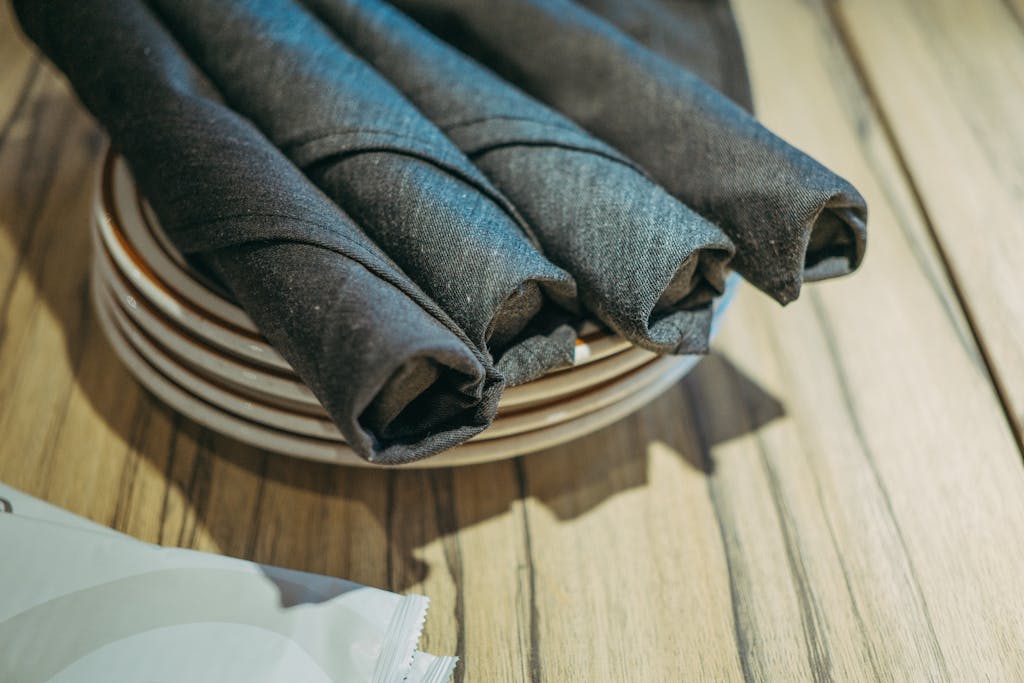
A napkin is not just a table decoration. Leaving it untouched beside your plate makes the meal look messier than it needs to be.
Using it and then tossing it across the table is not much better. The napkin belongs in your lap during the meal, where it can quietly do its job without becoming part of the scenery. This small habit gives the whole table a cleaner, more polished feel.
It also helps you avoid wiping your mouth with your hand, sleeve, or random paper scraps. At the end of the meal, place the napkin neatly beside the plate. It is a tiny gesture, but it conveys that you know how to share a table.
Eating Much Faster Or Slower Than Everyone Else
Dining out is partly about food, but it is also about rhythm. If you finish your entire meal before everyone else has taken a few bites, the table feels rushed. If you eat so slowly that everyone is trapped waiting while their evening stretches on, the mood can become just as uncomfortable.
You do not need to count bites or copy everyone exactly. Just pay attention to the pace of the table. If food arrives at different times, wait a moment before digging in unless someone encourages you to start. A shared meal feels better when nobody is racing, dragging, or making others feel pressured.
Dressing Without Reading The Room
Showing up wildly overdressed or underdressed can make the meal feel strange before anyone orders. A hoodie and slides may work at a casual diner, but they can feel out of place at a polished steakhouse.
A full glam look may be fun, but it can feel dramatic at a low-key lunch spot where everyone else came for sandwiches and iced tea. This does not mean you need to erase your style. It simply means the setting matters.
Check the restaurant’s vibe before you go, especially for dates, work dinners, celebrations, or places with dress codes. Looking appropriate helps you feel comfortable and keeps the focus on the meal instead of the mismatch.
Taking Over The Table With Complaints
Restaurants are imperfect places run by humans. Food can take longer than expected. A dish can arrive less spicy than promised. A table may wobble, the music may feel too loud, or the server may be juggling too many guests at once.
Mentioning a real problem is fine. Turning the whole meal into a complaint marathon is exhausting. The danger is that constant complaining changes the emotional temperature of the table.
Everyone else starts managing your mood instead of enjoying their food. If something needs fixing, say it clearly and move on once it is handled. A good diner knows the difference between solving a problem and becoming the problem.
Forgetting That Tipping Is Part Of The Meal
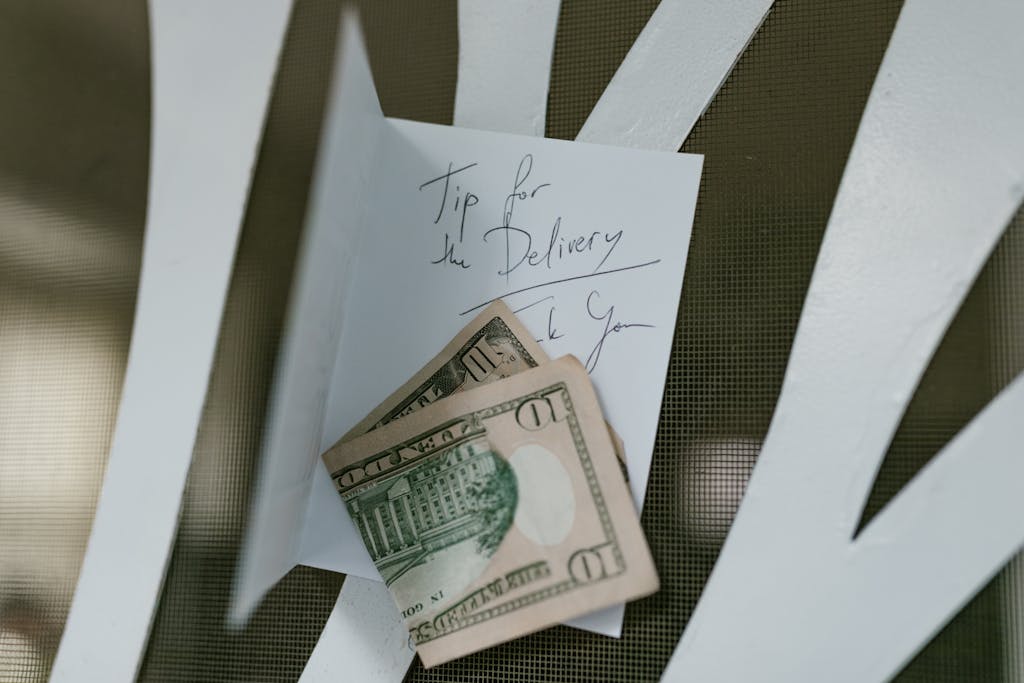
Tipping can feel confusing, especially with screens asking for tips almost everywhere now. Still, sit-down restaurants are one of the places where tipping remains deeply expected in American dining culture.
Leaving a poor tip because the kitchen was slow, the restaurant was busy, or prices felt high can punish the wrong person. If the service was genuinely bad, that is one situation.
But if your server was polite, attentive, and doing their best, the tip should reflect that effort. Budget for the full meal before you sit down, including tax and tip. If the total feels too high, choose a less expensive restaurant rather than taking it out on the server.