A strange scratch in the attic, a nest above the porch light, or a turtle wandering across the driveway can make any homeowner reach for a trap, a broom, a ladder, or a phone. The problem is that wildlife removal is not always a simple home maintenance task. In many cases, the animal belongs to a protected class, has young nearby, carries disease risks, or falls under state rules that restrict trapping, killing, transporting, or relocating.
We need to treat home wildlife issues with more caution than panic. Federal law protects many birds, nests, and eggs, as well as some bat species, while state wildlife agencies often regulate what residents may do with snakes, turtles, raccoons, squirrels, skunks, and other animals found inside or around the home. The safest approach is simple: identify the animal first, check the law second, and call a licensed wildlife professional when removal is necessary.
Migratory Birds Nesting Around Your Home
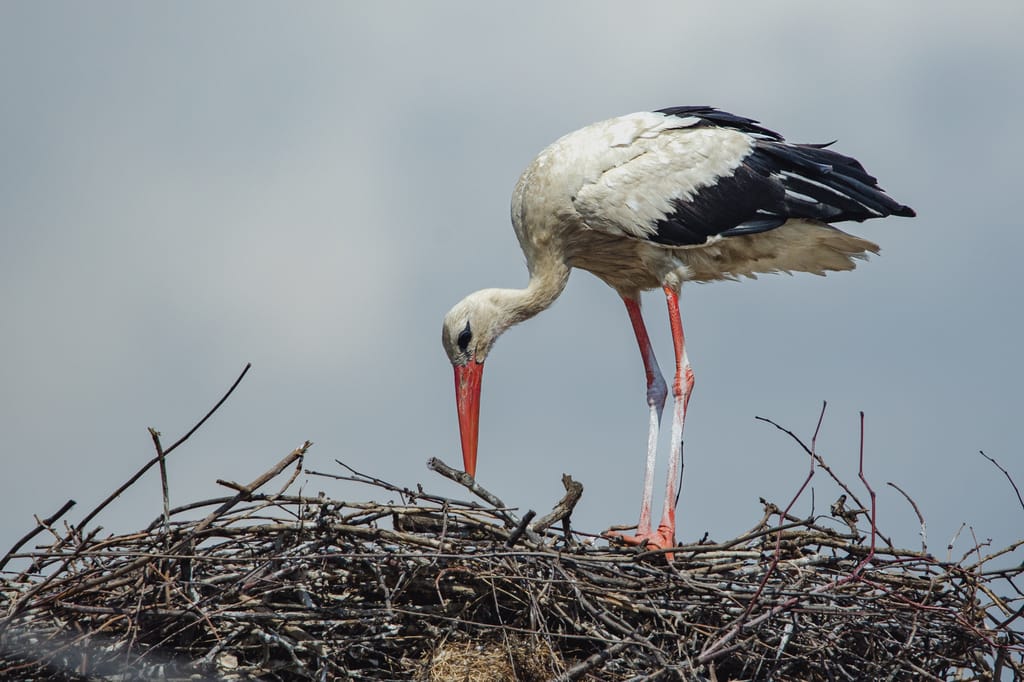
A bird nest on a porch light, gutter, wreath, dryer vent, balcony beam, or garage shelf may look like clutter, but it can be legally protected. The Migratory Bird Treaty Act protects migratory birds and restricts taking, possessing, transporting, or destroying protected birds, nests, and eggs without proper authorization.
That means we should not assume we can knock down an active nest just because it sits on private property.
The keyword is active. If a nest has eggs, chicks, or dependent young birds, removing it can create legal trouble and harm the birds. Even an inconvenient nest should usually stay in place until the birds leave naturally.
We can prevent future nests by blocking access after the nesting season, using safe deterrents before birds settle, and sealing vents or openings once no young birds remain. Oregon wildlife guidance also notes that native migratory birds are protected by federal law and that active nests should not be disturbed.
Bats Living in the Attic, Chimney, or Walls
Bats often enter homes through tiny gaps near rooflines, chimneys, loose siding, vents, or attic openings. They can frighten homeowners because they appear suddenly and move fast indoors, but killing or sealing bats inside a structure can be both dangerous and legally risky.
Some bat species are federally protected, including the northern long-eared bat, which the U.S. Fish and Wildlife Service lists as endangered across much of North America.
Bat removal also has a timing problem. If we seal an attic during maternity season, young bats may be trapped inside and die, creating odors, health concerns, and a worse infestation. Professional bat exclusion usually involves one-way devices that let bats leave without letting them back in, followed by sealing entry points at the right time.
We should never use poison, glue traps, or reckless sealing methods, especially when identification is uncertain. The legal and health stakes make bats one of the clearest cases for licensed wildlife removal.
Hawks and Owls Near Roofs, Yards, Barns, or Outbuildings

Hawks and owls may appear around homes, farms, schools, chicken coops, barns, and wooded lots. Their size and hunting behavior can make people nervous, especially when pets or poultry are nearby. Still, these birds are protected under federal bird laws, and lethal removal is not something homeowners can casually choose.
Michigan’s wildlife guidance states that hawks and owls are protected under the Migratory Bird Treaty Act and that lethal removal is not allowed unless authorized through a valid federal depredation permit.
We need to separate prevention from illegal removal. Securing chickens, covering runs, supervising small pets, removing outdoor food sources, and using safe visual deterrents can reduce conflict. Destroying nests, harming chicks, shooting raptors, or trying to trap them without approval can create serious legal consequences.
When hawks or owls cause repeated damage, the correct path is not a backyard solution. It is guidance from wildlife officials or USDA Wildlife Services, especially when permits may be required.
Turtles and Tortoises Found in Yards, Driveways, or Gardens
A turtle in the yard may look lost, slow, harmless, and easy to “rescue.” That is exactly why many people make mistakes. Taking turtles from the wild, keeping them as pets, selling them, or moving protected species can violate state or federal law.
The U.S. Fish and Wildlife Service notes that its law enforcement work partners with state, local, and Tribal agencies to protect turtles from exploitation.
State rules can be strict. Maryland’s Department of Natural Resources warns that wild turtles should not be taken as pets and notes that the law prohibits removing some species from the wild. Virginia also places limits on native and naturalized turtle species, including rules on sale, purchase, and possession.
The right response depends on where the turtle is found. If it is crossing a road, we can usually help it continue in the same direction when it is safe to do so. If it is in a yard, garden, or near water, the best option is often to leave it alone unless it is injured.
Snakes Hiding in Basements, Garages, Woodpiles, or Landscaping
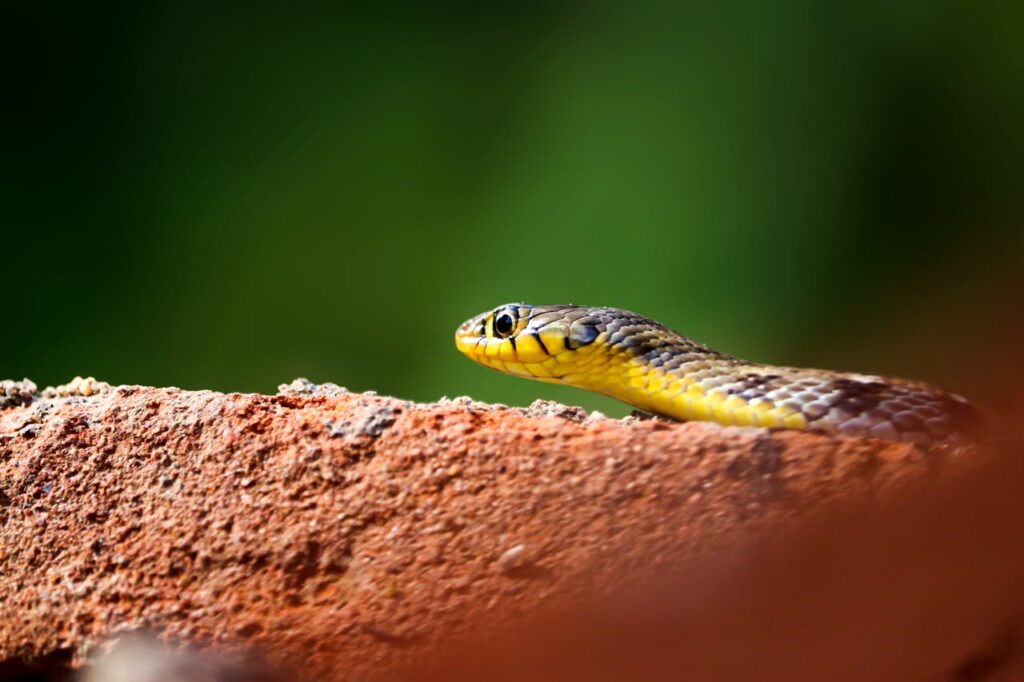
Snakes trigger instant fear in many homes, but most snake encounters do not require killing. In several states, native snakes are protected as wildlife. Missouri Extension states that snakes, lizards, and most turtles are treated as nongame under Missouri’s wildlife code, with no open season, making it technically illegal to kill them, though practical exceptions may apply when venomous snakes pose an immediate danger.
The smarter response is to maintain a safe distance, identify the habitat, and control it. We should remove brush piles, stacked debris, tall grass near foundations, and rodent attractants because snakes often follow food and shelter. If a snake is inside a structure and we cannot safely guide it out, a permitted pest control or wildlife professional may be needed. Virginia’s wildlife agency advises that pest control companies handling snakes should have appropriate permission from the agency. That matters because grabbing, relocating, or killing the wrong species can turn a scary moment into a legal problem.
Raccoons in Attics, Crawl Spaces, Sheds, or Chimneys
Raccoons are clever, strong, and persistent. They tear into vents, lift loose boards, enter chimneys, and sometimes raise young in attics or crawl spaces. The biggest legal mistake is not always trapping the raccoon. It is relocating it somewhere else. New York’s Department of Environmental Conservation states that it is illegal to move or relocate an animal off your property, including releasing it in a park, on state land, or anywhere other than the property where it was captured.
That rule exists for practical reasons. Relocation can spread diseases, shift problems to another neighborhood, separate mothers from their young, or cause animals to die in unfamiliar territory. Pennsylvania’s Game Commission also warns that raccoons are a rabies vector species and should not be relocated like other wildlife. We should focus on sealing entry points after animals leave, removing food attractants, securing garbage, repairing roof gaps, and using licensed nuisance wildlife control when a raccoon is already inside.
Squirrels in Attics, Soffits, Rooflines, or Wall Cavities
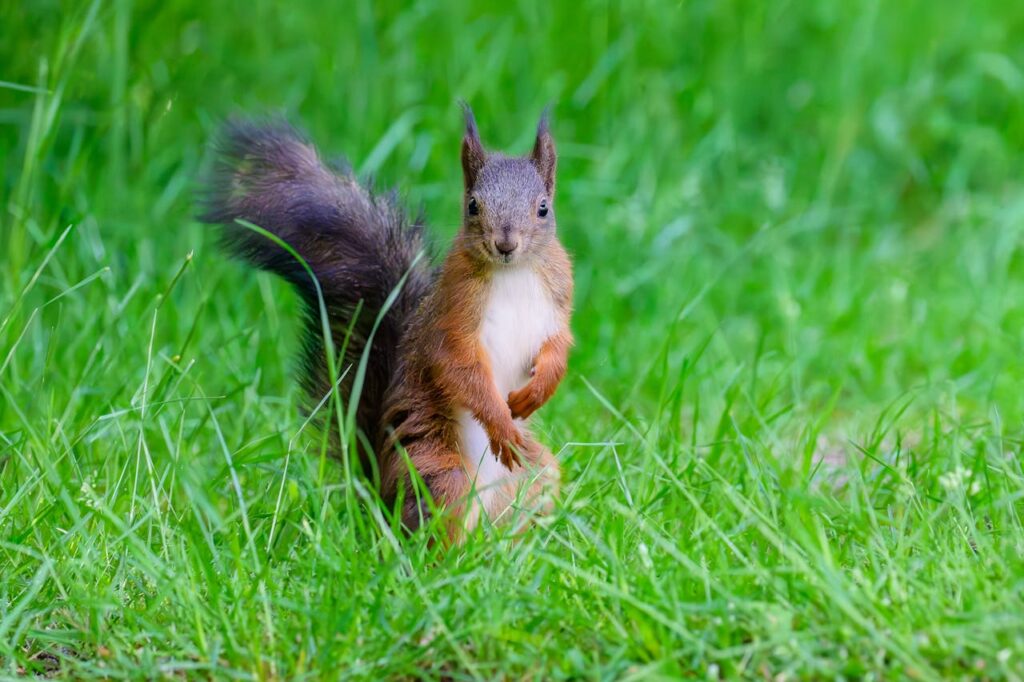
Squirrels can sound like a full construction crew when they run across attic beams. They chew wood, insulation, wires, soffits, and vent covers, so homeowners often want them gone immediately. Still, trapping and relocating squirrels may fall under state nuisance wildlife rules, especially when people move them off the property. New York’s wildlife agency gives a clear warning that captured animals cannot simply be relocated off the property.
We also need to think about young squirrels. During nesting periods, sealing a hole too quickly can trap babies inside walls or attics, causing odor, suffering, and repeat attempts by the mother to break back in. A better solution is inspection, one-way exclusion where legal and appropriate, nest checks, and permanent repairs after the animals are out. Tennessee wildlife guidance notes that landowners may legally capture some nuisance wildlife without a permit if the animal is causing damage, but some animals are protected, and captured animals may need to be released or euthanized on the property, depending on the rules. That is why we should check state law before setting traps.
Conclusion
Wild animals do not lose their protected status simply because they enter a yard, attic, garage, shed, chimney, or porch. Migratory birds, bats, hawks, owls, turtles, snakes, raccoons, and squirrels can all come with rules that limit how we remove, trap, relocate, disturb, or destroy them. The safest choice is not to ignore a real home problem. The safest choice is to handle it legally, calmly, and professionally before one bad decision turns a household nuisance into a fine, a disease risk, or an avoidable wildlife injury.