You may think your kitchen is just a place for whipping up meals, but some ingredients have a history far richer and stranger than mere nutrition. For centuries, people have turned ordinary foods into tools of divination, magic, and spiritual insight.
From ancient Greece to Mesoamerica, cultures have assigned mystical properties to common staples, using them to predict the future, reveal secrets, or influence fate.
Modern interest in witchcraft, pagan rituals, and occult practices has revived these old traditions, blending old-world mysticism with contemporary curiosity.
These ten foods, from humble flour to sacred eggs, reveal a world where culinary staples double as conduits to the unseen.
Flour and the Art of Aleuromancy

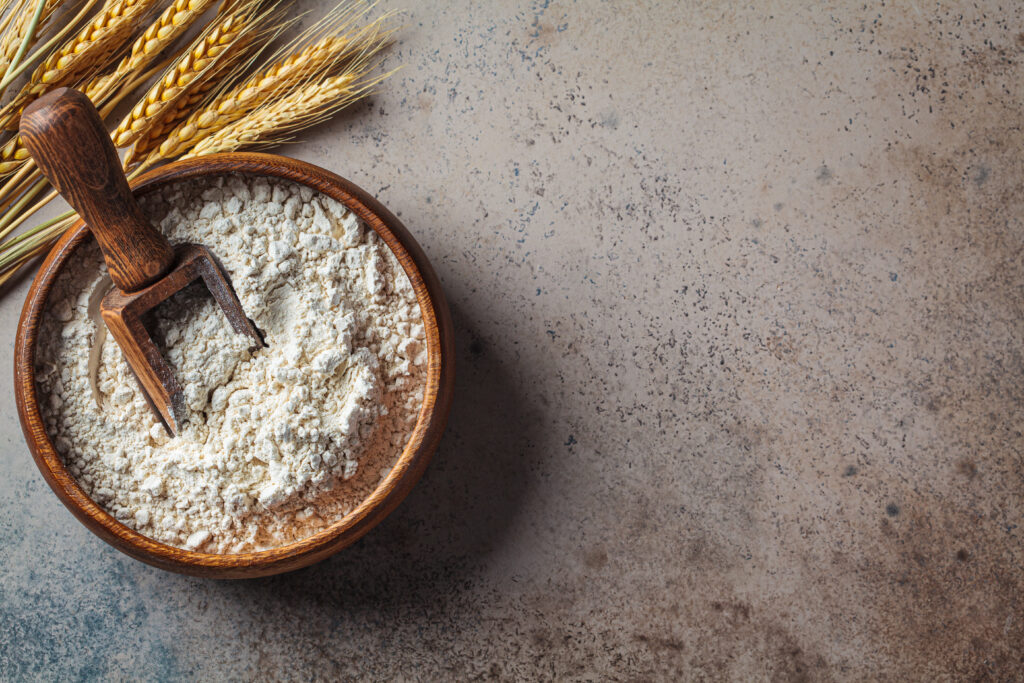
Flour was more than the base for bread; it was a gateway to the future. In ancient Greece, aleuromancy involved interpreting the shapes of small heaps of flour to predict upcoming events. Participants would embed messages in dough, bake it, and consult a priest to decipher the symbols revealed by the cakes.
This ritual, in some myths overseen by Apollo, was communal and sacred. Even modern fortune cookies trace a lineage back to this technique. Variations involved pouring flour in a bowl, scattering it on the ground, or shaping it into patterns to read messages hidden in the simple white powder.
These methods emphasized intention, patience, and interpretation. The act of stirring, molding, or observing flour required focus and meditation, turning a mundane task into a divinatory practice. Today, some spiritual enthusiasts continue to explore flour divination, seeing patterns in what appears random, connecting with a centuries-old tradition that merges food, faith, and foresight.
Salt as a Spiritual Medium
Salt has long carried a reputation as a protective and mystical substance. Ancient alomancy relied on salt to uncover hidden knowledge and ward off evil. Egyptians, Greeks, and Romans used it in purification rituals, while diviners read the residue left in salt bowls or the shapes it formed when scattered in the air.
Contemporary witches may pour salt into a shallow pan and let a pencil trace patterns to answer yes, no, or complex questions.
Beyond its mystical use, salt symbolized preservation and clarity. Its ability to transform and purify linked it to spiritual insights. Each grain of salt became a carrier of meaning, a tiny oracle waiting to reveal messages.
Today, the legacy of alomancy lingers in practices like sprinkling salt for protection or tossing it over one’s shoulder, blending superstition with an ancient system of divination.
Barley Bread and Alphitomancy
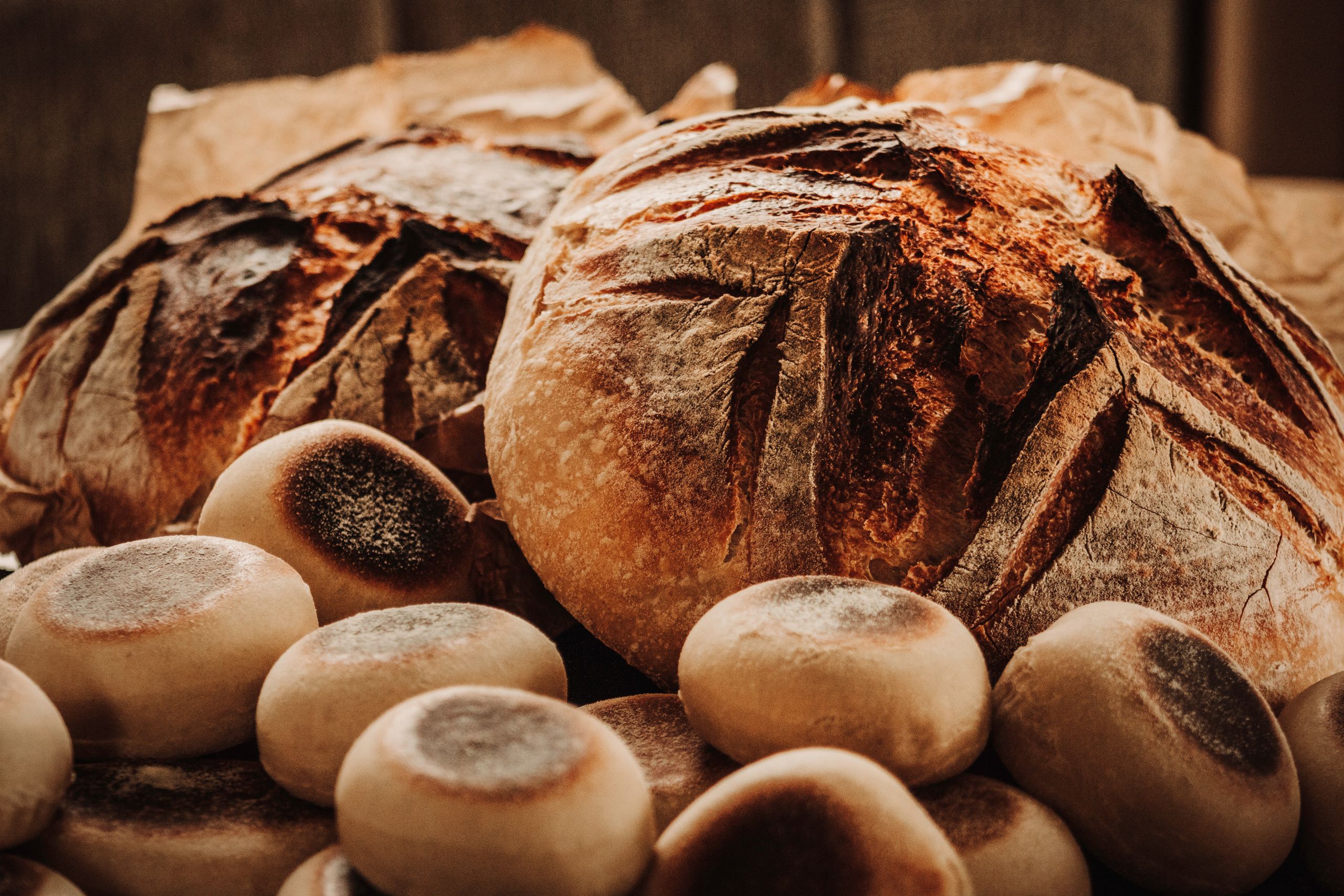
Barley bread was used as a lie detector in antiquity. Known as alphitomancy, this practice involved feeding suspects a barley loaf to reveal guilt through indigestion. Ancient Romans and Greeks believed the body’s reaction to barley could expose deception. The ritual extended beyond criminal cases to testing fidelity and purity, linking consumption to moral and spiritual judgment.
The process was deliberate: barley flour mixed with milk and salt was baked and sometimes rubbed with sacred herbs. Those unable to digest the bread were deemed guilty. Beyond detection, the ritual embedded social and religious meaning, connecting food, justice, and divine observation.
It highlights how nourishment and morality intersect, turning a simple loaf into a tool of insight.
Cheese and Tyromancy
Cheese has inspired fortune-telling because of its magical transformation from milk to a solid. Tyromancy examined the number of holes, mold patterns, or odd shapes to interpret future events. Ancient Sumerians and medieval Europeans offered cheese to deities and used it in rituals, associating it with health, love, and prosperity.
Practical observation played a role: young girls carved suitor names into cheese, tracking mold growth to divine potential matches. Tyromancy demanded patience and attention to detail, transforming ordinary cheese into an oracle.
This form of divination demonstrates how simple fermentation and observation can bridge the tangible and the spiritual, making everyday food a mystical instrument.
Fruits and Fructomancy
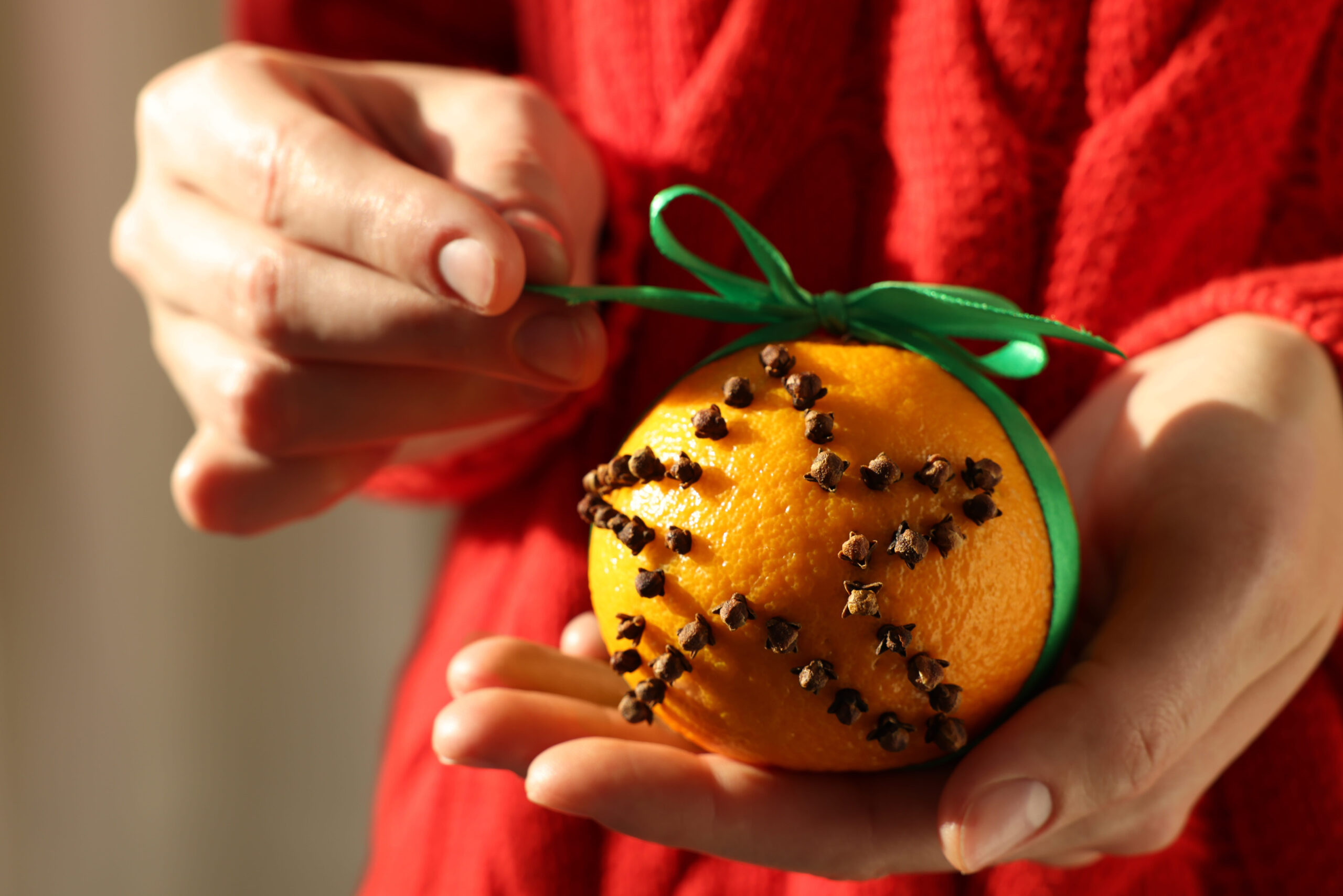
Fruits have long been symbolic objects in divination. Apples suggest wisdom, lemons signal purification, and the size, color, and texture of fruits were interpreted for hidden messages. Fructomancy includes examining seeds, tossing peel ribbons, and observing how fruits float or sink in water.
Rituals incorporated play and community, such as British Halloween traditions where apples determined romantic futures. Divination extended to ceremonial and symbolic uses, transforming the act of cutting, tossing, or biting fruit into a spiritual exercise. Each fruit became a medium to decode life’s uncertainties, merging tactile experience with intuitive reading.
Onions and Cromniomancy

Onions have historically been associated with protective and divinatory properties. In medieval Europe and ancient Egypt, onions were believed to repel evil, reveal future partners, and predict weather patterns. Practitioners would embed wishes inside onions, observe sprouts, or burn onion skins to manifest outcomes.
The sensory aspects, color, smell, and shape, were integral to interpretation. Each peeled or sprouted layer observed was a potential answer. Cromniomancy emphasized interaction and patience, requiring observers to engage physically and mentally with the onion to extract its hidden messages, turning a common kitchen ingredient into a tool of foresight.
Corn and Mesoamerican Divination
Corn, or maize, was sacred in Mesoamerican cultures. The Popol Vuh describes humans formed from yellow and white corn, establishing the grain as both sustenance and spiritual conduit. Indigenous diviners cast kernels to read patterns, using color, number, and arrangement to predict events.
Techniques varied: some threw kernels onto canvas, others into water to observe floatation. Corn divination connected daily life with divine guidance, imbuing a staple crop with meaning. The ritual demonstrated a worldview in which agriculture and spirituality intertwined, and even today some indigenous communities continue these practices, preserving ancestral wisdom.
Eggs and Oomancy
Eggs symbolize life, rebirth, and fertility across cultures. Oomancy, divination using eggs, includes pouring egg white into boiling water, examining shell lines, or rolling eggs for cleansing. Ancient Druids and other practitioners regarded eggs as carriers of magical energy capable of revealing love, health, and fortune.
Observation and interpretation were central: the shapes formed by yolk, white, or shell could answer complex questions. Eggs served both protective and revelatory functions, turning a basic ingredient into a multi-layered spiritual instrument. Their versatility in rituals highlights their enduring mystical significance.
Honey and Mystical Sweetness
Honey has been a symbol of abundance, preservation, and spiritual clarity. In divination, the texture, flow, and even the patterns formed in jars could be interpreted. Ancient cultures used honey in offerings, magic, and healing, believing it attracted positive forces.
Honey’s sweetness was both metaphorical and literal, representing favorable outcomes or divine favor. Observing its natural behavior, thickness, movement, and crystallization offered insights into potential fortunes.
This simple yet potent food exemplifies how physical properties can be read for spiritual meaning, blending material and mystical worlds.
Wine and Vinomancy

Wine carries profound symbolic and mystical significance. Vinomancy involved reading the color, clarity, sediment, or bubbles to foresee outcomes. Romans and Greeks used wine in sacrificial rites, and to divine messages from gods, while incorporating its sensory properties into predictions.
Beyond visual cues, the taste, aroma, and texture of wine were also considered revealing. Ritualized tasting and observation made wine a medium of insight, connecting earthly enjoyment with spiritual revelation. Its long-standing presence in ceremonies underscores wine’s dual role as both indulgence and oracle.
Conclusion
These ten foods reveal a rich intersection between everyday sustenance and mystical exploration. By observing, interpreting, and interacting with ingredients, cultures have unlocked hidden insights and tapped into unseen energies.
This enduring legacy shows that even the simplest foods can carry centuries of spiritual significance, making your kitchen not just a place for cooking, but a gateway to understanding, intuition, and wonder.